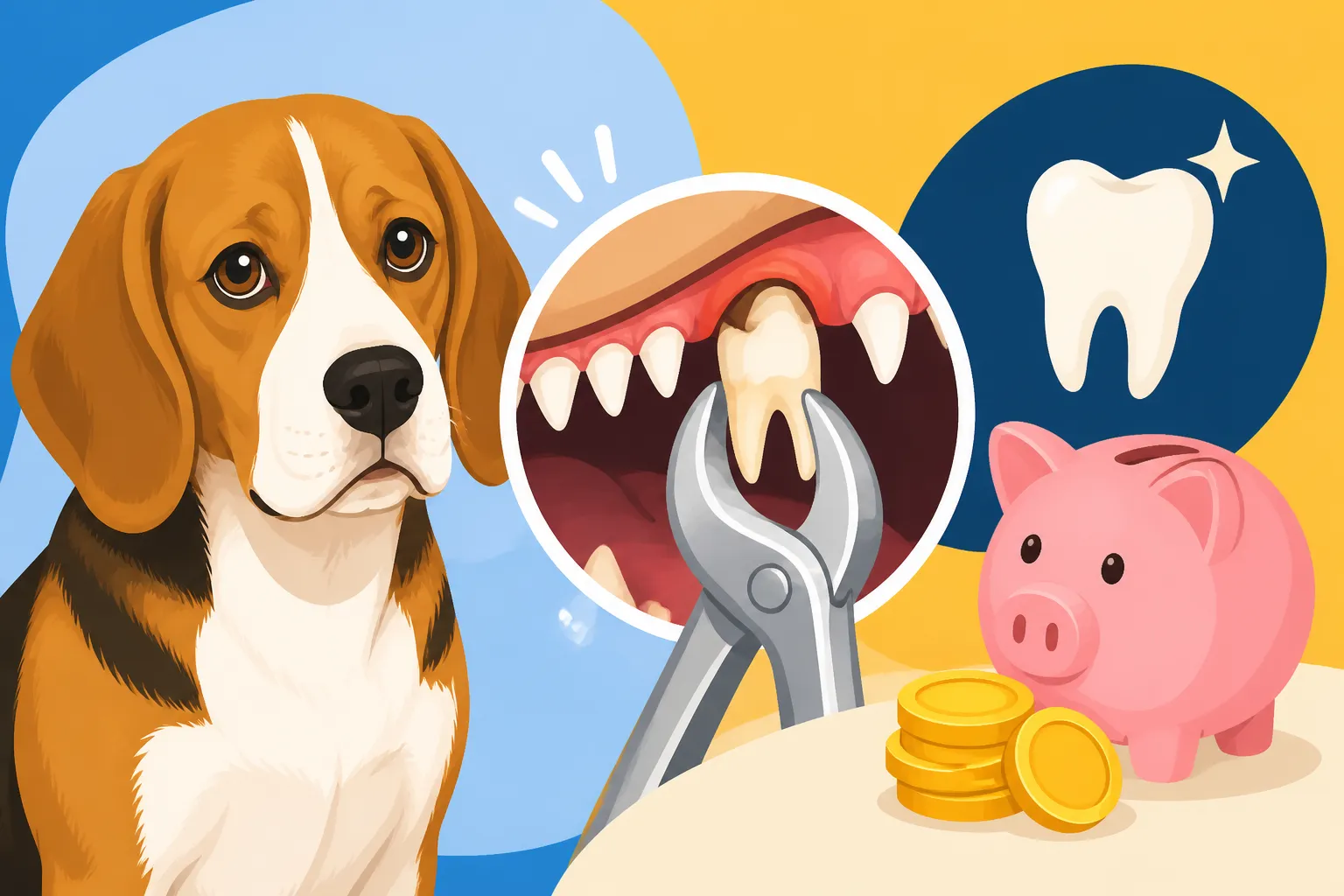
Beagle Dental Extraction Costs
Finding out your beloved Beagle needs dental extractions can be an incredibly stressful moment. You’re not just worried about your pup going under anesthesia; you're also probably bracing yourself for the unexpected vet bill that comes with specialized procedures. It’s a common frustration for so many Beagle owners, feeling caught off guard by the financial implications of maintaining good dental health. This guide is here to walk you through what goes into the cost of Beagle dental extractions, why they're often necessary, and how you can prepare for them.
Why Beagles Often Need Dental Extractions
Beagles, with their endearing floppy ears and curious noses, are unfortunately quite prone to dental issues if regular care isn't a priority. Just like us, their teeth can develop plaque and tartar buildup, leading to gum disease and eventually, the need for extractions. It's not a reflection of your care, but often a combination of genetics, diet, and simply the way their mouths are structured.
The Unseen Battle Against Tartar Buildup
It's easy to overlook what's happening inside our Beagles' mouths. We see them happily crunching kibble or gnawing on a bone, and assume all is well. However, over time, a sticky film called plaque forms on their teeth. If not brushed away, this plaque hardens into tartar, a tough, calcified deposit that clings stubbornly to the tooth surface. This is where the trouble truly begins. Tartar irritates the gums, leading to gingivitis – inflamed, red, and sometimes bleeding gums. As this progresses, it becomes full-blown periodontal disease, eating away at the supporting structures of the tooth, including the bone. You might notice signs like bad breath, which is often an early warning sign of Beagle Bad Breath Coming From the Tooth Roots. By the time a tooth becomes loose or infected, extraction is often the only way to alleviate pain and prevent further systemic health issues.
Periodontal Disease and Its Silent Progression
Periodontal disease isn't just about bad breath or wobbly teeth; it's a serious bacterial infection that can impact your Beagle’s overall health. The bacteria from infected teeth and gums can enter the bloodstream and travel to vital organs like the heart, kidneys, and liver, causing secondary infections and long-term damage. This is why veterinarians are so insistent on addressing dental issues promptly. A tooth that looks okay on the surface might have significant damage below the gum line, often only detectable through dental X-rays. What starts as a little plaque can turn into a painful abscess, a fractured root, or severe bone loss around a tooth, making extraction essential for your Beagle's comfort and longevity. Many owners are shocked when they learn the extent of the damage lurking beneath seemingly healthy gums.
Retained Puppy Teeth and Crowding Issues
Sometimes, a Beagle's dental woes start much earlier than expected. Just like human children, puppies have baby teeth. These "deciduous" teeth are usually shed as the permanent adult teeth erupt. However, for some Beagles, the puppy teeth don't fall out on their own. This condition, known as retained deciduous teeth, can cause a host of problems. When a permanent tooth tries to emerge while the puppy tooth is still in place, it can come in crooked, leading to dental crowding. This crowding creates tight spaces where food particles and bacteria can easily get trapped, accelerating plaque and tartar formation. Furthermore, the retained puppy tooth itself can become a source of infection or pain. In these cases, extractions are often performed when the Beagle is still relatively young, sometimes even during their spay or neuter procedure, to prevent more severe issues down the road. Addressing this early is a key part of When a Beagle Needs Its First Dental Cleaning.
Breaking Down the Costs of a Beagle Dental Extraction
When your vet suggests dental extractions, it's natural for your mind to immediately go to the cost. It’s not a single flat fee, but rather a combination of services and supplies that add up. Think of it like a human trip to the dentist for a root canal – there are many steps involved, each with its own associated cost.
Initial Assessment and Pre-Anesthetic Work-Up
Before any dental procedure, a thorough physical examination by your veterinarian is crucial. They need to assess your Beagle's overall health and determine if they are a good candidate for anesthesia. This initial exam will often be followed by pre-anesthetic blood work. This blood panel checks organ function, particularly the kidneys and liver, to ensure your Beagle can safely process the anesthetic drugs. It also screens for any underlying health conditions that could complicate the procedure, like clotting disorders or anemia. While this adds to the bill, it’s a non-negotiable step for your Beagle’s safety. Many clinics will also require an IV catheter and fluids during the procedure to help maintain blood pressure and hydration, and to provide immediate access for medications if an emergency arises. These measures are all about minimizing risks, which is priceless when it comes to your beloved pet.
Anesthesia and Monitoring During the Procedure
Anesthesia is a significant component of the cost, and for good reason. Your Beagle will be completely unconscious and pain-free throughout the entire dental procedure. Administering and monitoring anesthesia requires specialized equipment and trained personnel. This includes continuous monitoring of vital signs such as heart rate, respiratory rate, blood pressure, oxygen saturation, and body temperature. A dedicated veterinary technician is often assigned to monitor your Beagle exclusively during the procedure, making real-time adjustments as needed. The type of anesthetic drugs used, the length of the procedure, and the level of monitoring can all influence this part of the cost. It's a critical investment in your Beagle's safety, ensuring they remain stable and comfortable while the dental work is being performed. This is especially vital for a breed like Beagles, who might have underlying health predispositions.
The Extraction Itself: Simple Versus Surgical
The actual extraction process can vary widely in complexity and, therefore, cost. A simple extraction might involve pulling a single-rooted tooth that is already quite loose due to severe periodontal disease. This is generally less time-consuming and requires less specialized equipment. However, many extractions are far more involved. A surgical extraction is needed for multi-rooted teeth, fractured teeth, or those that are deeply embedded and require gum flaps to be cut and bone to be removed. This often involves using a high-speed dental drill, specialized instruments, and sutures to close the gum tissue afterward. Dental X-rays, taken before and after extractions, are also a standard practice to ensure all roots have been removed and to identify any hidden issues. The number of teeth requiring extraction and their difficulty level will significantly impact the final cost. Think of it like the difference between pulling a baby tooth at home versus a wisdom tooth extraction in a human – very different levels of complexity and care.
Post-Operative Care and Medications
After the extractions, your Beagle will need careful post-operative care, which also contributes to the overall expense. This typically includes pain medication to manage discomfort at home, and sometimes antibiotics if there was a significant infection. Your vet will provide detailed instructions for home care, including feeding a soft diet for a few days (brands like Ollie or others offering fresh, soft food options can be great here), and how to administer medications. A follow-up visit might also be scheduled to check the healing process and ensure there are no complications. While some of these medications might seem like an extra line item, they are essential for your Beagle's comfortable recovery and to prevent secondary infections.
Here's a simplified breakdown of typical components:
| Cost Component | Description | Impact on Total Cost |
|---|---|---|
| Initial Exam | Assessment of overall health, oral cavity, and planning for the procedure. | Standard fee for a vet consultation. |
| Pre-Anesthetic Blood Work | Screens organ function for safe anesthesia. | Varies based on number of tests; crucial for safety. |
| Anesthesia & Monitoring | Sedation, pain control, and continuous monitoring of vital signs. | Significant portion; varies by time and clinic standards. |
| IV Catheter & Fluids | Hydration, blood pressure support, and emergency access during surgery. | Standard addition for anesthetic safety. |
| Dental X-rays | Essential for assessing bone loss, root integrity, and post-extraction checks. | Performed by tooth region or full mouth series. |
| Tooth Extraction(s) | Removal of diseased or damaged teeth. | Varies significantly by number, type (simple/surgical). |
| Pain Medication | Oral pain relief for home recovery. | Standard prescription cost. |
| Antibiotics | Prescribed if infection is present or highly likely. | Standard prescription cost. |
| Follow-up Exam | Recheck of surgical sites and overall recovery. | Sometimes included, sometimes a separate fee. |
Budgeting and Financial Options for Beagle Dental Care
The costs associated with Beagle dental extractions can certainly add up, leaving many owners feeling overwhelmed. But don't despair! There are several ways you can prepare for, and manage, these significant veterinary expenses. Planning ahead is truly the key to alleviating some of that financial stress.
Pet Insurance: A Safety Net for Unexpected Bills
One of the most proactive steps you can take is to invest in pet insurance. While it won't cover pre-existing conditions (meaning if your Beagle already has documented dental disease, that specific issue might not be covered), a good policy can be a lifesaver for future, unexpected dental needs. Many comprehensive plans will cover a significant portion of the costs for unforeseen extractions due to accidents, new onset periodontal disease, or other dental trauma, once your waiting period is over. Companies like Healthy Paws are popular choices, and it's worth researching different providers and their coverage specifics to see what fits your budget and your Beagle's needs. Understanding Beagle Pet Insurance and What It Runs a Month can help you determine if it's the right choice for your family. If you've been consistent with preventive dental care and new issues arise, insurance can help dramatically reduce your out-of-pocket expenses.
Emergency Funds and Payment Plans
Even with the best intentions and preventative care, sometimes an unexpected dental emergency arises. This is where an emergency fund can make all the difference. Setting aside a dedicated savings account specifically for pet emergencies, even if it's just a small amount each month, can be a huge relief when big bills hit. Think of it as Building an Emergency Fund for a Beagle. If you don't have an emergency fund built up, or if the costs exceed your savings, many veterinary clinics understand the financial strain and offer payment plans through third-party financing options. These plans allow you to spread the cost over several months, making it more manageable. It's always worth discussing these options with your vet's office manager before the procedure to understand what's available.
Investing in Preventative Care to Reduce Future Costs
The old adage "an ounce of prevention is worth a pound of cure" couldn't be more true when it comes to your Beagle's dental health. Regular home care and professional cleanings are the best defense against needing expensive extractions down the road. Committing to a routine of brushing your Beagle’s teeth several times a week, providing dental chews (you can find a wide variety on sites like Chewy that cater to different sizes and chewing styles), and ensuring they receive professional dental cleanings as recommended by your vet can dramatically reduce the likelihood of severe periodontal disease. While these preventative measures do have their own costs, they are generally far less expensive than multiple extractions and the associated risks of anesthesia. Keeping up with Beagle Dental Disease and Tartar Buildup is a continuous effort that truly pays off in the long run for your Beagle's health and your wallet.
Preventative Measures to Reduce Future Extraction Risks
Nobody wants their Beagle to go through the discomfort and expense of dental extractions. The good news is that there's a lot you can do at home, combined with regular veterinary care, to keep those pearly whites healthy and reduce the risk of future extractions. It’s all about consistency and making dental hygiene a regular part of your Beagle's routine.
Daily Brushing: Your Beagle's Best Defense
Yes, it sounds daunting, but daily (or at least several times a week) tooth brushing is truly the gold standard for preventing plaque and tartar buildup. Think of it as doing for your Beagle what you do for yourself every morning and night. You don't need fancy equipment, just a pet-specific toothbrush (or a finger brush) and enzymatic toothpaste formulated for dogs. Never use human toothpaste, as it contains ingredients toxic to pets. Start slowly when your Beagle is a puppy, if possible, making it a positive experience with lots of praise and treats. Focus on the outside surfaces of the teeth, especially the upper canines and molars where plaque tends to accumulate most. Even if your Beagle isn't thrilled at first, with patience and positive reinforcement, most will tolerate it, and it will significantly help with Beagle Dental Disease and Tartar Buildup.
Dental-Specific Diets and Chews
Beyond brushing, what your Beagle eats can also play a role in their oral health. Some veterinary diets are specifically formulated with a unique kibble design or ingredients that help mechanically scrub teeth clean as your dog chews. These diets are often labeled with a VOHC (Veterinary Oral Health Council) seal, indicating they meet certain standards for plaque and tartar reduction.
In addition to specialized foods, dental chews can be a great supplement. Again, look for products with the VOHC seal, as these have been scientifically proven to be effective. Options from retailers like Chewy offer a range of sizes and textures to suit different chewing styles. Be cautious with extremely hard chews (like bones, antlers, or nylon chews) as these can lead to fractured teeth, which ironically would then require extractions. Always supervise your Beagle with any chew to ensure safety. Even a fresh food diet, such as those offered by Ollie, should be supplemented with mechanical cleaning, as soft foods don't provide the same abrasive action as kibble or chews.
Regular Professional Cleanings and Vet Check-ups
Even with diligent home care, most Beagles will eventually need professional dental cleanings under anesthesia. Your veterinarian can assess the health of your Beagle's mouth during routine check-ups and recommend a cleaning schedule. These professional cleanings allow your vet to thoroughly scale off plaque and tartar from above and below the gum line, polish the teeth, and conduct a comprehensive oral exam, including dental X-rays to check for problems hidden beneath the gums. This is also the time when your vet can identify any teeth that might be beyond saving and require extraction. Consistent Beagle Dental Care Across Fifteen Years is crucial, and incorporating these annual or bi-annual professional cleanings into your budget and routine is an investment in your Beagle's long-term health, helping to prevent the more costly and invasive extractions down the line. It's a key part of ensuring their overall well-being, especially as they enter their senior years, where issues like Senior Beagle Care After the Age of Ten often include dental considerations.
Disclaimer
This article is for general informational purposes only and does not constitute professional advice. Laws, prices and regulations vary by location and change over time. Consult a qualified professional for guidance on your specific situation.