Beagle Glaucoma Treatment Costs
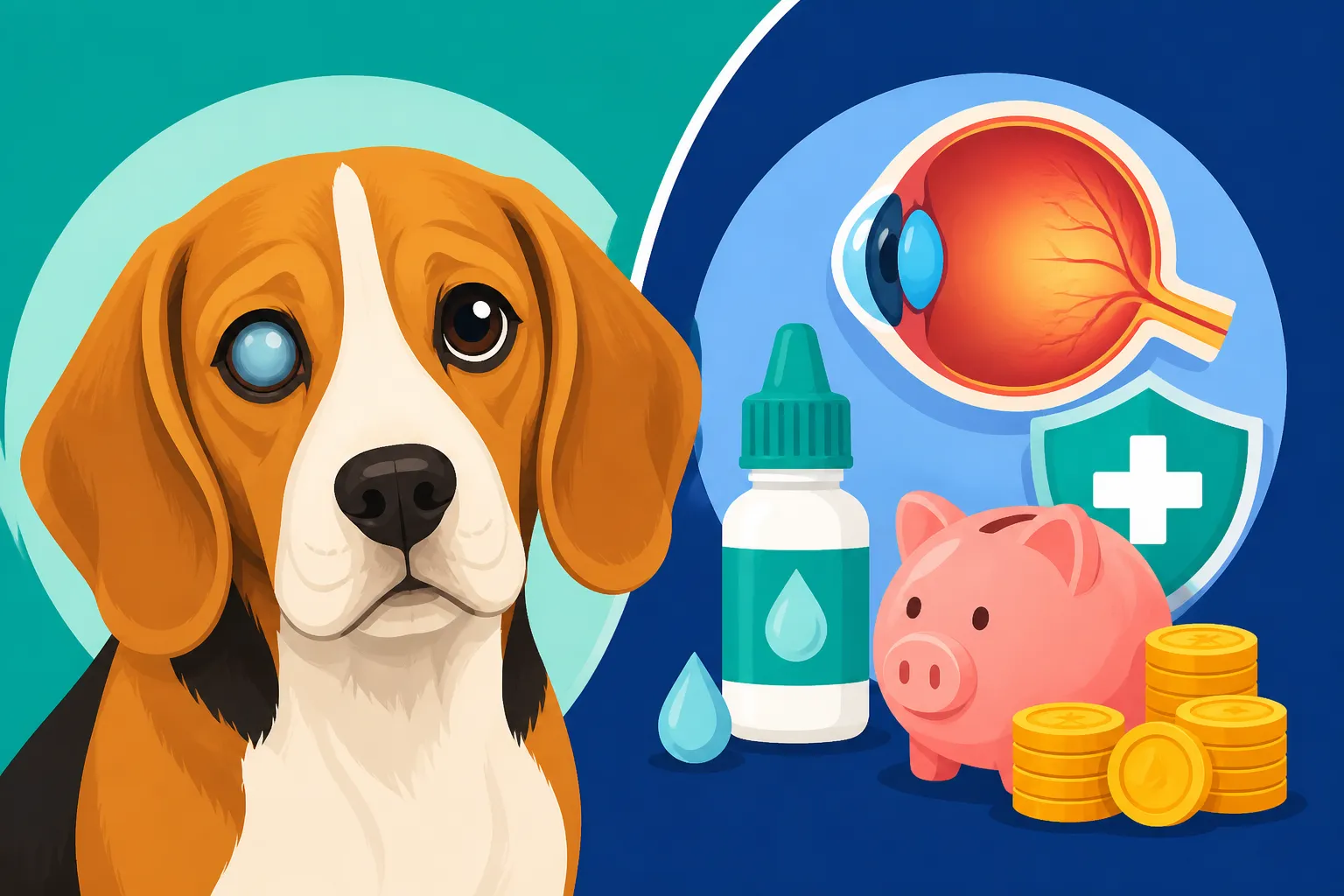
Finding out your beloved Beagle is suffering from glaucoma can be absolutely terrifying. One moment, they might seem a little off, squinting slightly, and the next, you're facing an emergency with rapid vision loss and intense pain. It's a condition that moves swiftly, often leaving owners reeling and scrambling to understand what's happening, let alone what it will cost to treat. This guide will walk you through the various stages of glaucoma treatment for Beagles, detailing the typical expenses involved, from initial diagnosis and emergency care to long-term medical management and potential surgical interventions, helping you prepare for the financial realities.
The Alarming Reality of Beagle Glaucoma: What It Is and How Quickly It Strikes
Glaucoma is a cruel thief of sight, and it’s especially prevalent in Beagles. This condition isn't just about pressure in the eye; it's about the relentless damage that high intraocular pressure (IOP) inflicts on the optic nerve, which is essential for transmitting visual information to the brain. Unlike some other eye conditions that progress slowly, glaucoma in Beagles can develop rapidly, sometimes leading to irreversible blindness within 24 to 48 hours if not addressed immediately. It's often a frantic dash to the vet, and the sheer speed of its onset is what truly catches many loving owners off guard.
Understanding Primary and Secondary Glaucoma in Beagles
There are generally two main types of glaucoma: primary and secondary. Primary glaucoma is inherited and tends to affect both eyes, though often at different times. Beagles are genetically predisposed to primary glaucoma, specifically primary angle-closure glaucoma, where the drainage angle in the eye suddenly narrows or closes, preventing the aqueous humor (the fluid that fills the front of the eye) from draining properly. This buildup of fluid causes the pressure to skyrocket. This genetic link is why you might hear about certain breeds being more susceptible.
Secondary glaucoma, on the other hand, is caused by another underlying eye condition that obstructs the drainage angle. This could be anything from a severe eye injury, inflammation (uveitis), advanced cataracts, or even an intraocular tumor. For example, if your Beagle has suddenly developed Beagle Cherry Eye and Glaucoma that isn't treated, the inflammation could potentially lead to secondary glaucoma. Knowing the type helps the vet determine the most effective treatment, but the immediate goal remains the same: reduce the pressure.
Recognizing the Painful Signs and Symptoms
One of the most distressing aspects of glaucoma is the pain it causes. Imagine a severe headache concentrated right behind your eye, and you start to get a sense of what your Beagle might be experiencing. Early signs can be subtle: a slight squint, rubbing at the eye, or keeping the affected eye partially closed. You might notice the eye appears cloudy or hazy, often with a blue or reddish tint. The white part of the eye might look bloodshot, and the pupil may be dilated and unresponsive to light. As the pressure increases, the eyeball itself can become visibly enlarged, a condition called buphthalmia.
Your Beagle might also become withdrawn, less active, or even snap if you try to touch their head. This pain can be intense, and it’s critical to act fast. Many owners report a frantic feeling, knowing something is very wrong but not quite understanding the gravity until the vet explains the situation. This is a condition where delaying even a few hours can make a permanent difference to your Beagle's vision and comfort.
The Immediate Financial Impact of a Glaucoma Diagnosis: Emergency Visits and Diagnostics
When you rush your Beagle to the emergency vet with a suspected glaucoma attack, you're not just paying for a quick check-up; you're often paying for immediate, intensive care to save their sight and relieve excruciating pain. This initial phase is where costs can quickly mount, as time is absolutely of the essence. The urgency often means you don't have the luxury of shopping around or waiting for an appointment.
Emergency Veterinary Consultations and Initial Pressure Reduction
Your first stop will likely be an emergency veterinary clinic or your regular vet if they can squeeze you in immediately. The consultation fee for an emergency visit is typically higher than a routine check-up, reflecting the immediate attention and specialized care required. Once there, the vet's primary goal is to measure the intraocular pressure (IOP) using a tonometer. This simple, quick test is crucial for diagnosis and monitoring. If the pressure is dangerously high, they will likely administer emergency medications, often through injection or concentrated eye drops, to rapidly bring it down. These initial interventions are critical to prevent further optic nerve damage.
You'll feel a huge wave of relief if the pressure starts to come down, but it's just the beginning. The vet will explain that this is a temporary fix, buying time to formulate a longer-term plan. This initial stabilization can cost a significant amount, encompassing the emergency exam, tonometry, and the emergency medications given on the spot.
Diagnostic Testing Beyond the Basic Exam
While the immediate crisis is about lowering pressure, understanding the underlying cause is vital for long-term management. This often involves more diagnostic tests. The vet may perform a gonioscopy, which uses a special lens to examine the drainage angle of the eye and determine if it’s open or closed. This helps differentiate between primary and secondary glaucoma and guides treatment decisions. They might also recommend an ophthalmic exam by a board-certified veterinary ophthalmologist, which is a specialized vet with advanced training in eye conditions. This specialist can offer a more in-depth assessment and prognosis.
Additional tests could include ultrasound of the eye to rule out tumors or detachments, or even blood work if secondary glaucoma from an underlying systemic illness is suspected. While your first focus is on your Beagle's comfort and vision, these diagnostic steps are vital for truly tackling the condition head-on. These advanced tests and specialist consultations will add to the initial bill, but they provide invaluable information for tailoring the most effective ongoing treatment. Having a good pet insurance plan, such as one from Healthy Paws, can be a huge relief at this stage, as it can help cover a significant portion of these diagnostic and emergency costs.
Managing Glaucoma Medically: The Ongoing Cost of Drops and Pills
Once the immediate crisis has passed and a diagnosis is firm, the reality of long-term medical management sets in. For many Beagles with glaucoma, this means a daily regimen of eye drops and sometimes oral medications to keep the intraocular pressure under control and manage discomfort. This isn't a cure, but a lifelong commitment to preserving as much vision as possible and maintaining a good quality of life.
The Daily Expense of Prescription Eye Drops
The cornerstone of medical glaucoma treatment involves prescription eye drops. These drops work in various ways: some decrease the production of aqueous humor, others increase its outflow, and some do both. Your vet or ophthalmologist might prescribe a combination of drops, often needing to be administered multiple times a day. Common types include prostaglandin analogs, beta-blockers, carbonic anhydrase inhibitors, and miotics.
The frustrating part for many owners is that these drops are not cheap, and they are not a one-time purchase. A single small bottle might only last a few weeks, making this a recurring, monthly expense that can quickly add up over your Beagle's lifespan. You might find yourself purchasing these medications from your vet directly, or through online pet pharmacies or large retailers like Chewy, which can sometimes offer competitive pricing or convenient auto-ship options for regular refills. The cost will vary depending on the specific medication, dosage, and whether it's a brand name or generic. It's a constant, small drain on your budget, but essential for your Beagle's well-being. Keeping a precise schedule is crucial, and missing doses can cause pressure to spike again.
Oral Medications and Adjunct Therapies
Sometimes, eye drops alone aren't enough, or your Beagle might need additional support. Oral medications, such as carbonic anhydrase inhibitors, might be prescribed to further reduce fluid production. These also represent an ongoing cost, though often less frequent than eye drops. Beyond specific glaucoma medications, your vet might also suggest supplements or pain relief medications if your Beagle is experiencing chronic discomfort or if other age-related issues are present, such as Beagle Arthritis Arriving in Middle Age.
Regular follow-up appointments with your vet or ophthalmologist are also part of medical management. They need to frequently monitor your Beagle’s IOP to ensure the medications are working effectively and adjust dosages as needed. This usually means check-ups every few weeks initially, then potentially every few months once the pressure is stable. Each visit, while crucial, comes with its own consultation fee and tonometry charges. It's a demanding routine, both emotionally and financially, but seeing your Beagle comfortable and potentially retaining some vision makes it all worthwhile.
When Surgery Becomes Necessary: Types of Procedures and Their Bills
For some Beagles, medical management might not be enough to control the glaucoma, or the disease might be too advanced for drops alone. In these situations, surgery becomes a viable, and often necessary, option. Surgical interventions aim to either improve fluid drainage or reduce fluid production more permanently. While these procedures can offer significant relief and potentially save vision, they come with a much higher upfront cost compared to medical management.
Vision-Sparing Surgical Procedures
When the goal is to save or restore some vision, the most common surgical options are those that create alternative drainage pathways for the aqueous humor. These include gonioimplants (often called glaucoma shunts), where a tiny tube is inserted into the eye to divert fluid to a reservoir created under the conjunctiva. Another procedure is cyclophotocoagulation, which uses a laser to selectively destroy parts of the ciliary body responsible for producing fluid, thereby reducing IOP. Endoscopic cyclophotocoagulation (ECP) is a newer, minimally invasive version of this.
These procedures are complex, require a board-certified veterinary ophthalmologist, and necessitate specialized equipment. The costs associated with vision-sparing surgeries are substantial, covering the surgeon's fee, anesthesia, operating room time, the implant itself, and post-operative medications. Recovery involves strict rest and diligent application of multiple eye drops for several weeks to months, adding to the care burden. It's important to understand that even with successful surgery, many Beagles will still require some level of ongoing medical therapy to maintain optimal pressure. These are not always one-and-done fixes; sometimes, repeat surgeries are needed down the line.
Enucleation or Intravitreal Injections for Comfort
Unfortunately, if glaucoma is very advanced, vision is already lost, and the eye is painfully enlarged or unresponsive to treatment, the most humane option might be enucleation – the surgical removal of the affected eye. While this sounds drastic, it's often the quickest and most effective way to alleviate chronic pain and improve your Beagle's overall quality of life. Beagles are incredibly resilient and adapt remarkably well to living with one eye, or even no eyes, relying on their incredible sense of smell and hearing. For example, a senior Beagle facing Senior Beagle Vision and Hearing Loss might benefit more from pain relief through enucleation than from continued, ineffective medical treatment.
Another option for a non-visual, painful eye is an intravitreal gentamicin injection, which chemically destroys the ciliary body to reduce fluid production. This procedure is less invasive than enucleation but can also lead to eventual blindness in the treated eye. The costs for these comfort-focused procedures are generally lower than vision-sparing surgeries but still represent a significant investment. This decision is always heartbreaking, but prioritizing your Beagle's comfort is paramount. The vet will discuss all options, weighing the potential for vision against the burden of pain and treatment.
Navigating the Costs: Insurance, Budgeting, and Support
Facing the diagnosis and treatment of Beagle glaucoma can be overwhelming, both emotionally and financially. It’s a chronic condition that requires consistent care, and understanding how to manage the associated costs is almost as important as understanding the medical treatments themselves. Planning ahead, or finding ways to cope with unexpected bills, can make a huge difference.
The Lifeline of Pet Insurance
For many Beagle owners, pet insurance can be an absolute lifeline when dealing with expensive conditions like glaucoma. If your Beagle was enrolled in a comprehensive pet insurance plan, like those offered by Healthy Paws, before the onset of symptoms or diagnosis, it can significantly offset the costs of emergency visits, diagnostics, medications, and potentially even surgical procedures. This is why many experts recommend getting pet insurance for puppies, well before any breed-specific conditions like Beagle Epilepsy and Seizures From Six Months On or glaucoma emerge.
However, if glaucoma is already diagnosed, it will unfortunately be considered a pre-existing condition and will likely not be covered by new policies. In such cases, the financial burden falls directly on the owner. It highlights the importance of proactive planning for your Beagle's long-term health. Even if you don't have insurance, some companies might offer wellness plans that cover routine exams, which could help with the monitoring portion of glaucoma care, though typically not the prescription medications or surgeries.
Budgeting for Chronic Care and Unexpected Spikes
Living with a Beagle with glaucoma means integrating recurring costs into your regular budget. Those daily eye drops become a monthly line item, similar to regular food purchases. Consider setting up a dedicated "Beagle Health Fund" or emergency savings. Even if you're not getting pet insurance, having a safety net for sudden flare-ups or unexpected complications is wise. For routine needs like prescription refills and specialty diets that might be recommended for overall health, online retailers like Chewy can be a great resource for competitive pricing and convenient delivery directly to your door.
It's also worth discussing payment plan options with your veterinary clinic or specialist hospital. Many facilities understand the financial strain of long-term care and may offer installment plans or accept third-party medical credit options. Don't be afraid to ask about generic medication options or alternative treatment protocols if cost is a major barrier. Your vet's priority is your Beagle's health, and they will work with you to find the best possible care within your means.
Supporting a Beagle with Vision Loss
If glaucoma eventually leads to significant vision loss or blindness, your Beagle will need adaptations at home. This can also incur costs, though often less directly medical. Consider items like dog-friendly gates to block off stairs, textured mats to indicate changes in flooring, and maybe even a halo harness to protect their head from bumping into furniture. These adjustments are about creating a safe and navigable environment for your Beagle to thrive, even without sight. A long-term condition like glaucoma often means you need to be mindful of your Senior Beagle Care After the Age of Ten, especially if vision loss is part of the aging process.
Remember, Beagles are incredibly adaptable. Their primary sense is their nose, and a blind Beagle can still lead a full and happy life, sniffing out adventures in familiar environments. Focus on maintaining routines, using vocal cues, and ensuring their comfort.
Summary of Glaucoma Treatment Costs
To give you a clearer picture, here's a general breakdown of the financial scope you might encounter with Beagle glaucoma treatment. Please remember these are broad categories, and actual costs can vary wildly based on your location, vet, and the specifics of your Beagle's condition.
| Cost Category | Typical Cost Shape (without insurance) | What It Includes |
|---|---|---|
| Emergency Visit & Initial Diagnosis | High upfront | Emergency exam, tonometry, immediate pressure-reducing medications, basic diagnostics |
| Specialist Consultation | Moderate to High upfront | Ophthalmic exam, gonioscopy, ocular ultrasound, detailed prognosis |
| Ongoing Medical Management | Recurring low to moderate monthly | Prescription eye drops (1-4 types), oral medications, regular IOP monitoring |
| Vision-Sparing Surgery | Very High upfront | Surgeon's fee, anesthesia, facility costs, implant, post-op medications, follow-ups |
| Comfort Surgery (Enucleation/Injection) | Moderate upfront | Surgeon's fee, anesthesia, facility costs, post-op pain management |
| Adaptation for Blindness | Low to moderate (one-time/as needed) | Gates, textured mats, protective harnesses, new toys |
Glaucoma is a serious and often terrifying diagnosis for any Beagle owner. The financial implications are significant, but by understanding the types of treatments available and their associated costs, you can make informed decisions and better prepare for the journey ahead. Your dedication to your Beagle's comfort and health is what truly matters, and with careful planning, you can navigate this challenge together.
Disclaimer
This article is for general informational purposes only and does not constitute professional advice. Laws, prices and regulations vary by location and change over time. Consult a qualified professional for guidance on your specific situation.