Beagle Licensing Fees City by City
Bringing a new Beagle into your life is an exciting adventure, full of joyful barks, wagging tails, and that irresistible scent-driven curiosity. But amidst all the puppy training and finding the perfect chew toy, many new owners quickly realize that the rules and regulations around dog ownership can feel like a maze, especially when it comes to something as seemingly simple as licensing. It’s a common frustration to try and do everything right, only to find that the requirements and fees for a Beagle license can vary wildly depending on whether you live in a bustling city or a quiet rural county. This guide aims to clear up that confusion, breaking down the often-complex world of Beagle licensing fees city by city, so you can confidently ensure your furry family member is properly registered, no matter where you call home.
Why Dog Licensing Isn't Just Bureaucracy
Let's be honest, nobody loves paying fees, especially when it feels like just another bit of paperwork. But dog licensing, while seemingly a hassle, actually serves several incredibly important purposes that ultimately benefit both individual dogs and the wider community. It's not just about the city collecting a few bucks; it's a vital system for public health, animal welfare, and even getting your beloved Beagle back if their nose leads them a little too far afield.
More Than Just a Permit on Paper
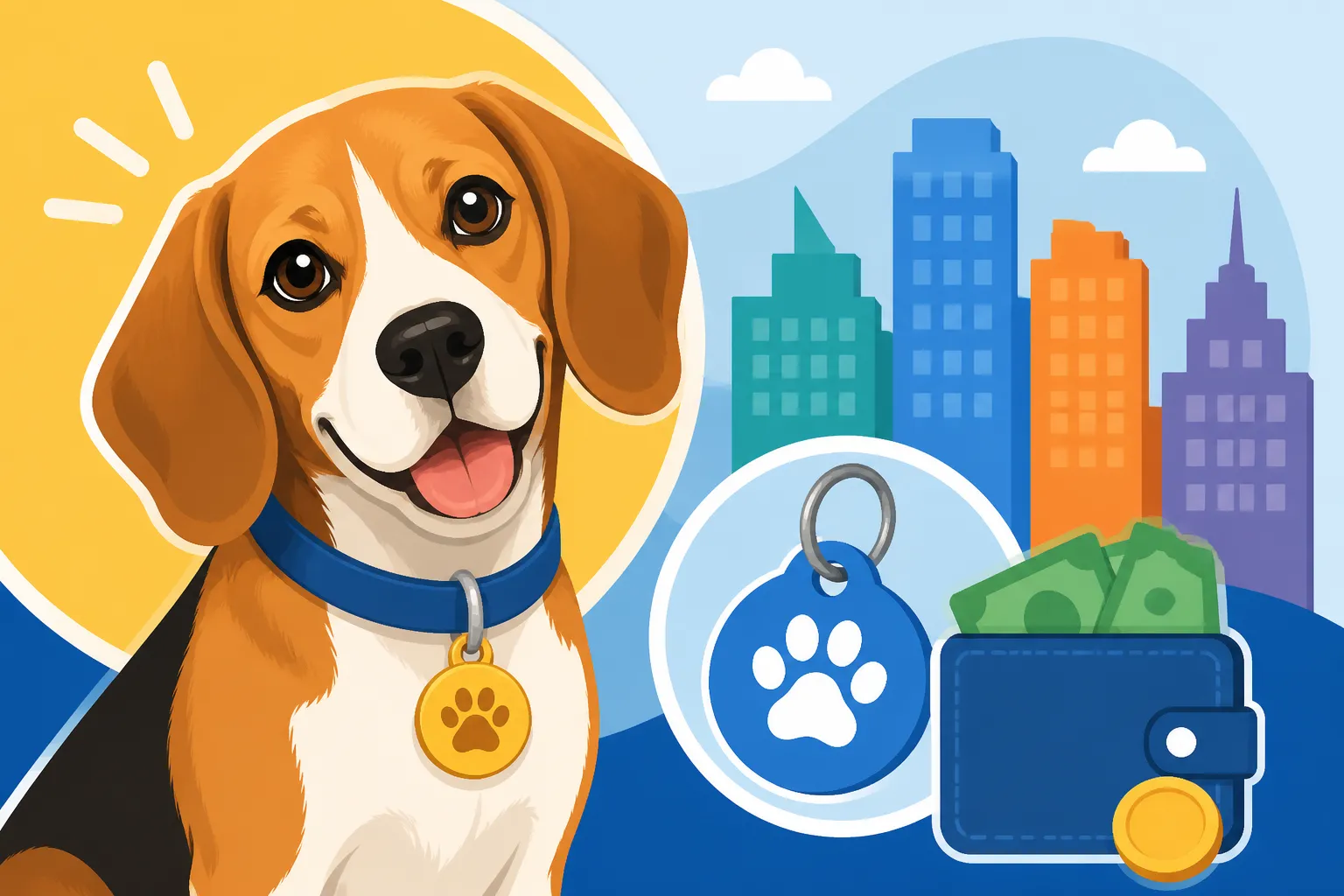
At its heart, a dog license acts as an official identification for your pet. Think of it as your Beagle's government-issued ID card. Each license typically comes with a unique tag that your dog wears on their collar, connecting them directly to you. This simple piece of metal is a lifeline for animal control officers, veterinarians, or kind-hearted strangers who might find your wandering hound. It immediately provides contact information, making it possible for them to reunite you with your Beagle without delay. Without it, a lost dog often ends up in a shelter, where identification can be much harder and more stressful for everyone involved.
Beyond identification, these fees directly contribute to the funding of local animal control services, shelters, and vital community programs. Your license fee helps pay for everything from maintaining shelters and caring for stray animals to funding spay/neuter initiatives, investigating animal cruelty cases, and providing public education on responsible pet ownership. It’s a collective effort, ensuring that there’s a safety net for animals in need in your area. For a breed like the Beagle, known for their powerful nose and tendency to follow a compelling scent trail for miles, having that immediate identification is incredibly important for their safe return.
The Cost of Skipping the License
Ignoring dog licensing might seem like an easy way to save a few dollars, but it can actually lead to far greater costs and stress in the long run. Most jurisdictions have ordinances that make dog licensing mandatory, and failure to comply can result in hefty fines. These fines often significantly outweigh the annual licensing fee, turning a small annual expense into a much larger, unexpected bill. Imagine the frustration of facing a substantial penalty simply because you overlooked a small piece of civic responsibility.
What's more, if your Beagle ever gets lost and ends up at animal control without a license tag, the situation can become much more complicated and expensive. Unlicensed dogs found by animal control are often subject to impoundment fees, daily boarding charges, and additional fines on top of the initial licensing fee you'll eventually have to pay. The whole process becomes a frantic scramble, made worse by the worry of your missing companion. Having a current license means that if your Beagle is picked up, authorities can quickly identify them, contact you, and often even waive initial impoundment fees, making the reunion much smoother and less costly. This is why a Beagle Microchips and Getting a Lost Dog Back is crucial, but a visible license tag is the fastest first line of defense.
The Shifting Landscape of City-Specific Beagle Licensing Fees
One of the most perplexing aspects of dog licensing for new Beagle owners is the sheer variability. You might chat with a friend who lives a town over, only to find their dog's license costs half of yours, or requires different paperwork entirely. This isn't just random; it's a reflection of how local governments operate, each setting their own rules based on their unique needs and priorities. It can feel like navigating a patchwork quilt of regulations, and figuring out what applies to your specific address is the first hurdle.
Factors Influencing Local Licensing Costs
The cost of a Beagle license isn't a national standard; it’s determined at the municipal or county level, leading to a wide range of prices. Several factors come into play when local governments set their rates. Population density, for example, often correlates with higher fees, as more dogs in a smaller area can mean increased demands on animal control services. The local animal control budget, which encompasses everything from shelter operations to humane officer salaries, is directly impacted by these fees. If a community aims to provide extensive animal welfare programs, the licensing fees often reflect that investment.
Economic conditions in the area also play a role, as does the general political landscape regarding animal welfare. Some communities might subsidize animal services through general taxes, keeping licensing fees lower, while others rely heavily on direct fees to cover costs. You'll find that urban centers like Los Angeles or New York City often have different structures than smaller towns in, say, rural Oregon or the suburbs of North Carolina. These local nuances mean it’s vital to check with your specific city or county clerk's office, animal control, or humane society website for the most accurate and up-to-date information.
Unlocking Potential Discounts and Exemptions
While licensing fees are mandatory, many jurisdictions offer incentives and discounts that can significantly reduce the cost. The most common and impactful discount is for spayed or neutered dogs. Local governments heavily promote spaying and neutering as a way to control pet overpopulation and reduce the burden on shelters, and they often pass those savings directly to responsible pet owners. For instance, an unaltered male Beagle might cost $50 to license, while a spayed female Beagle could be as little as $15. This financial incentive aligns perfectly with the health and behavioral benefits of spaying or neutering your Spay and Neuter Timing for a Beagle.
Beyond spay/neuter status, keep an eye out for other possible fee reductions. Many areas offer discounted rates for senior citizens who own pets, recognizing the fixed incomes of retirees and the companionship pets provide. There are often exemptions or significantly reduced fees for service animals, therapy dogs, or dogs used by law enforcement, reflecting their crucial roles in society. Some communities even offer multi-year licenses, which might provide a slight discount compared to annual renewals. Always ask about available discounts when applying or renewing your Beagle's license; you might be surprised at the savings. When you consider the Beagle Routine Vet Costs Across a Year, every saving counts.
Navigating the Licensing Application for Your Beagle
Once you understand why licensing is important and what might influence the cost, the next step is actually getting that tag on your Beagle's collar. The process is generally straightforward, but it does require gathering a few key documents and paying attention to renewal cycles. It's a small administrative task that pays off immensely in peace of mind.
Gathering the Necessary Documentation
To license your Beagle, you'll almost universally need proof of a current rabies vaccination. This is a non-negotiable public health requirement in virtually every jurisdiction, designed to prevent the spread of rabies. Your veterinarian will provide a rabies certificate with the vaccine's date and expiration, which you'll submit with your application. Make sure this certificate is up-to-date, as an expired vaccination will typically invalidate your licensing attempt.
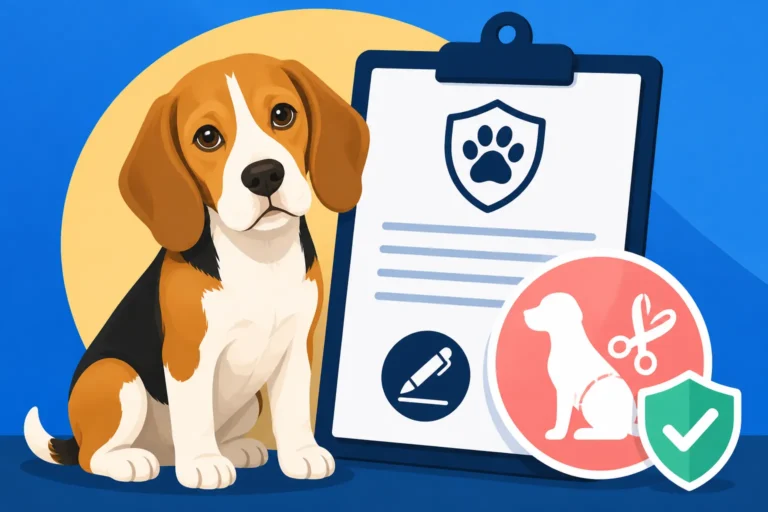
In addition to rabies proof, if you're applying for the discounted spayed/neutered rate, you'll need to provide a certificate from your veterinarian confirming the procedure. This often comes as a separate document or is noted on your general veterinary records. If you've just brought your Beagle home, especially if you got them from a breeder, your initial vet visit is the perfect time to get all these records in order. Many owners find it convenient to manage their pet's health records through their vet's online portal or apps provided by pet supply retailers like Chewy, which can also help track prescription refills and vaccination dates, making the licensing application process a little smoother.
Application Methods and Renewal Cycles
Applying for your Beagle's license is easier than ever in most places. The traditional method of visiting your local animal control office or city hall in person is still available, allowing you to get your tag on the spot. However, many jurisdictions now offer convenient online application portals, where you can upload digital copies of your vaccination and spay/neuter certificates and pay the fee with a credit card. This saves you a trip and is often the fastest way to get your Beagle officially registered. Some areas also accept applications via mail, which is a good option if you prefer paper forms.
It’s crucial to pay attention to the renewal cycle. Most dog licenses are annual, expiring a year from the date of issuance or on a specific date each year (often December 31st). You'll typically receive a renewal notice in the mail or via email a month or two before your license is due. Don't ignore these! Renewing on time prevents late fees and ensures your Beagle always has current identification. Keeping a calendar reminder for your Beagle's license renewal, just like you would for annual vet visits or Year-Round Parasite Prevention for a Beagle, is a smart habit to adopt.
A City-by-City Look at Beagle Licensing Costs
To truly understand the variation in Beagle licensing fees, it helps to look at real-world examples. The difference can be stark, not just between states, but even between neighboring counties. These examples highlight why checking your specific local government's website is always the most accurate approach.
Examples from Across the United States
Let's take a quick tour of what you might expect for an adult, spayed or neutered Beagle in a few different areas, based on recent data:
- Los Angeles, California: A single-year license for a spayed/neutered dog is typically around $20. However, if your Beagle is unaltered, that jumps significantly to about $100 per year. They also offer discounts for senior owners and service dogs.
- Denver, Colorado: For a spayed/neutered dog, the annual fee is quite reasonable, often in the $15-$20 range. An unaltered dog's license, however, could be around $50. Denver, like many cities, heavily incentivizes responsible pet ownership.
- Wake County, North Carolina (Raleigh area): Here, a spayed/neutered dog license might be around $10 annually, while an unaltered dog costs approximately $75. They also have special lifetime licenses for permanent identification, which can be a great option for a young Beagle.
- New York City, New York: An annual license for a spayed/neutered dog is generally $8.50, and for an unspayed/unneutered dog, it's $34. This is a relatively low fee for such a large urban center, showing that fees aren't always simply higher in bigger cities.
These examples illustrate that while there's a general trend of lower fees for spayed/neutered pets, the actual dollar amount can vary wildly. Some cities might have higher base fees, while others might have very low fees but enforce much stricter penalties for non-compliance. It all adds up to The Lifetime Bill for a Beagle That Reaches Fifteen when considering all costs of ownership.
What Happens When Your Beagle Moves
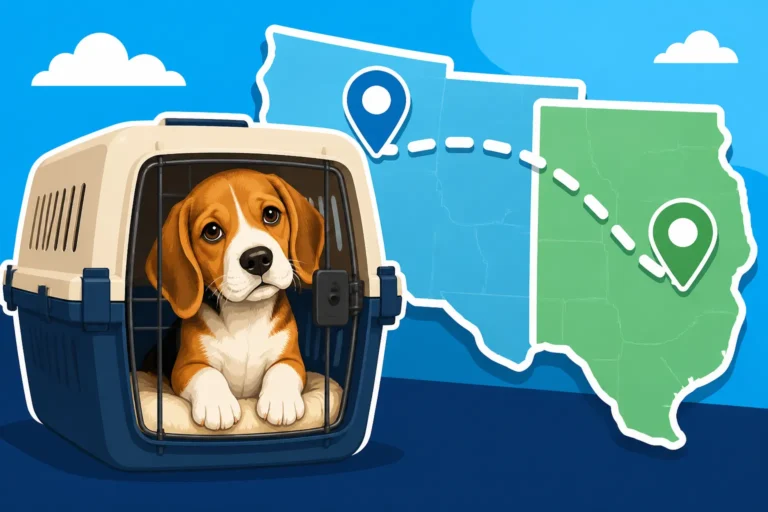
Life happens, and sometimes that means moving to a new home with your Beagle. If your move takes you to a new jurisdiction (a different city, county, or state), your previous dog license almost certainly won't transfer. Dog licenses are issued by local authorities, and they only apply within that specific jurisdiction. This means you'll need to re-license your Beagle in your new community.
The process is generally the same as applying for the first time: gather your Beagle's updated rabies vaccination certificate and spay/neuter proof, then apply through the new local animal control or city clerk's office. Don't delay this step! Getting your Beagle settled in a new place is already a lot, and having their new license tag ready provides one less thing to worry about if they somehow manage to slip away in unfamiliar surroundings. It’s also an important step to ensure you're compliant with local laws from day one.
Here’s a snapshot of how fees can differ:
| Jurisdiction (Example) | Spayed/Neutered Annual Fee | Unaltered Annual Fee | Senior Owner Discount | Notes |
|---|---|---|---|---|
| Los Angeles, CA | $20 | $100 | Yes | Higher fees for unaltered to promote spay/neuter. |
| Denver, CO | $15 – $20 | $50 | No (check locally) | Focus on accessible licensing for altered pets. |
| Wake County, NC | $10 | $75 | Yes | Offers lifetime licenses as an option. |
| New York City, NY | $8.50 | $34 | Yes | Surprisingly low for a major metropolis. |
| Portland, OR | $27 | $73 | Yes | Online application available, encourages early renewal. |
Please note: These figures are approximate and subject to change. Always verify with your specific local animal control or city/county clerk's office.
Beyond the Sticker Price: The True Value of Licensing Your Beagle
While the immediate concern is often the fee itself, the value of a dog license for a Beagle owner extends far beyond the monetary cost. It's a foundational element of responsible pet ownership that provides practical benefits and contributes to the well-being of animals in your community. For a breed with a powerful drive to explore with their nose, a license can be the quickest path home.
A Critical Safety Net for a Wandering Nose
Beagles are scent hounds, pure and simple. They were bred for centuries to follow a scent trail, often with incredible single-mindedness. This innate drive means that even the most well-trained Beagle can, and often will, get distracted by an irresistible smell and wander off. One moment they're sniffing a bush, the next they've picked up the trail of a rabbit and are miles away. This is Why a Beagle Will Follow a Scent for Miles is such an important trait to understand. In these moments of panic, a visible license tag is your Beagle's best friend.
A license tag, clearly displayed on your Beagle's collar, means that if they are found by a concerned citizen or picked up by animal control, your contact information is immediately available. It allows for a swift phone call rather than a trip to the shelter, giving you instant relief and your Beagle a quick return to their familiar home. When paired with a microchip and visible Beagle ID Tags and Which Collar to Use, a license creates an ironclad identification system for your adventurous hound, significantly increasing the odds of a happy reunion. Consider it an inexpensive form of insurance against that powerful nose.
Contributing to the Greater Good of Animal Welfare
Every dollar collected from Beagle licensing fees goes back into the animal welfare system of your community. These funds are crucial for operating local animal shelters, which provide a safe haven for stray, abandoned, and surrendered animals. They support spay/neuter programs that reduce pet overpopulation and the number of animals euthanized each year. Licensing fees also help fund investigations into animal cruelty, ensuring that vulnerable animals are protected by law.
Beyond the basics, these funds often contribute to emergency services for animals, ensuring that injured strays receive necessary medical care. They might also support educational outreach programs, teaching the next generation about responsible pet ownership. By licensing your Beagle, you're not just complying with the law; you're actively participating in a community-wide effort to ensure the health, safety, and humane treatment of all animals, including those less fortunate than your cherished Beagle. Many pet food brands, like Ollie, also advocate for pet welfare through their focus on healthy, natural ingredients, demonstrating a broader commitment to animal well-being that aligns with the spirit of licensing. This collective contribution is a small but mighty way to make a big difference, ensuring that when animal emergencies arise, like those covered in Beagle Emergency Signs That Cannot Wait Until Morning, there are resources available to help.
Disclaimer
The information provided in this guide is for general informational purposes only and does not constitute legal or veterinary advice. Licensing fees and requirements can change frequently and vary significantly by location. Always consult with your local animal control office, city clerk, or county government website for the most accurate and up-to-date information regarding dog licensing in your specific area.