Beagle Numbers in American Shelters
Many people fall in love with the charming Beagle, drawn in by their friendly faces and wagging tails, only to be surprised by the sheer number of these lovable hounds found in American shelters. It's a common misconception that popular breeds like the Beagle rarely end up needing a new home. This comprehensive guide will explore the often-overlooked reasons behind these shelter statistics and help you understand the journey many Beagles take before finding their forever families.
The Surprising Reality of Beagles in American Shelters
Why a "Merry" Breed Lands in Shelters
It’s a heart-wrenching paradox: the very traits that make Beagles so beloved – their curiosity, their vocal nature, their unwavering nose – are often the same reasons they end up in animal shelters. Many people bring home a Beagle puppy envisioning a calm, cuddly companion, much like the famous Snoopy. They see the big, soulful eyes and the wagging tail, and they picture idyllic walks in the park, completely off-leash, of course. The reality, however, often hits hard, fast, and loudly. Beagles are hounds, first and foremost, bred for centuries to follow a scent trail tirelessly, baying all the while to alert their pack mates. When this intense drive meets an unprepared owner, it can quickly become overwhelming. The constant sniffing that can pull you down the street, the deep, mournful Beagle howling, baying and barking explained that carries for blocks, or the incredible knack for Beagle escape artistry and how to contain it – these are not minor quirks. They are fundamental breed characteristics that, if not understood and managed, lead to frustration for both the dog and the owner. Suddenly, that "merry" little hound feels more like a mischievous, noisy, and uncontainable force of nature. It's a sad cycle where the dream of a perfect pet clashes violently with the reality of a working scent hound, leading many to feel they have no choice but to surrender their beloved Beagle.
The Impact of Large-Scale Rescues and Breeder Closures
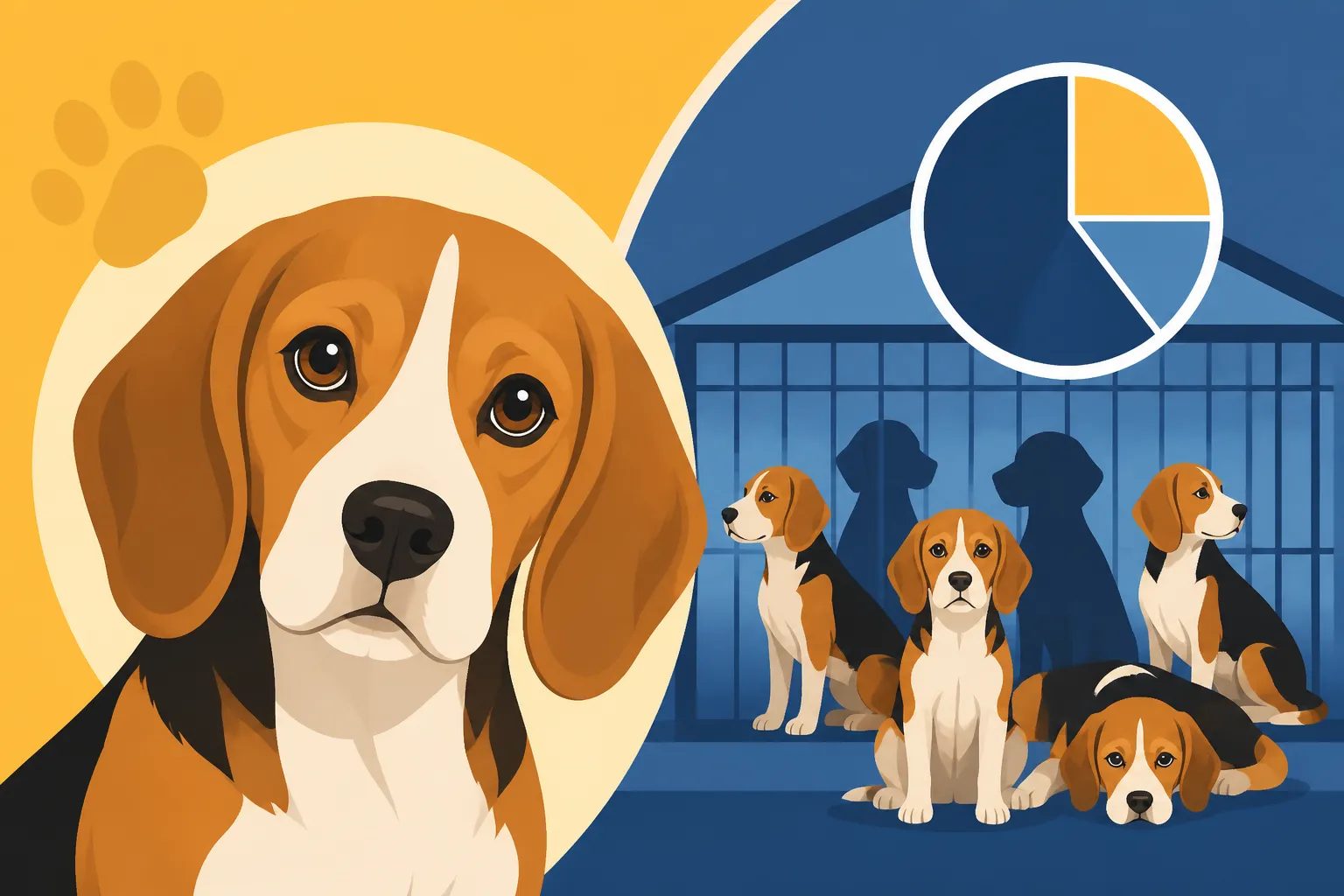
While individual owner surrenders are a constant factor, there are also moments when the number of Beagles in shelters skyrockets due to massive, unforeseen circumstances. The most prominent and heartbreaking example in recent memory involves the closure of large commercial breeding facilities. Take the deeply troubling case of the Envigo breeding facility in Virginia, which resulted in The Envigo Beagles and where the 4,000 went. Thousands of Beagles, bred for laboratory research, were suddenly released into the care of rescue organizations across the country. This unprecedented event meant that countless Beagles, many of whom had never felt grass beneath their paws or experienced a loving home, needed immediate placement. Rescue networks, shelters, and volunteers rallied, but such an influx puts an immense strain on resources. Suddenly, shelters that rarely saw a Beagle were inundated, and breed-specific rescues were stretched to their absolute limits. These situations, while hopefully rare, dramatically skew typical shelter numbers, showcasing how a single event can impact the lives of thousands of dogs and the systems designed to protect them. Beyond these large-scale operations, smaller, less publicized breeder closures or hoarding situations can also lead to a surge in Beagles needing homes, reminding us that shelter populations are incredibly dynamic and often unpredictable.
Common Reasons Beagles Are Surrendered or Abandoned
Unprepared Owners and Breed-Specific Challenges
It’s easy to love the idea of a Beagle, but living with one requires a deep understanding of their innate drives. Many first-time owners simply aren't ready for the sheer intensity of a Beagle's nose and voice. Imagine trying to teach your dog solid Beagle recall and why your voice stops registering when they are intensely focused on a scent trail that, to them, is a symphony of information. This isn't stubbornness; it's a Beagle being a Beagle. Their world is dictated by scent, and trying to override that without proper training and management can feel like an uphill battle. This is part of the challenge of Training a Beagle around 220 million scent receptors. Owners often report difficulties with basic obedience, not because the Beagle isn't smart, but because its instincts are so powerful. The breed was designed to follow a scent for miles, often oblivious to anything else. This strong prey drive, combined with a tendency to explore with their mouths, can also lead to them eating things they shouldn't, necessitating urgent vet visits. It’s also important to remember their vocal nature. That famous bay isn't just for the hunt; it can be used to express excitement, boredom, loneliness, or to alert you to a leaf blowing past the window. For those living in apartments or close-knit neighborhoods, this can quickly become a significant problem, often leading to complaints and, sadly, surrender. This is a common aspect of What a first-time owner gets wrong with a Beagle – the expectation vs. the reality of living with a highly instinctual hound. It explains Why Beagles get surrendered for howling and escaping so often.
Lifestyle Changes and Financial Strain
Life happens, and sometimes, even the most dedicated owners find themselves in impossible situations. A sudden job loss, a major medical emergency, or an unexpected move to a place that doesn't allow dogs can force difficult decisions. For a Beagle, who thrives on consistency and companionship, these changes are particularly tough. The Yearly cost of keeping a Beagle can also be a significant burden that many underestimate. Beyond routine vet visits, food, and toys, Beagles are prone to certain health conditions that can rack up considerable bills. For example, dealing with Beagle medical costs for epilepsy and thyroid disease can become a lifelong financial commitment, especially if specialized medications or ongoing monitoring are required. Even with pet insurance options like those offered by Healthy Paws, these costs can still feel overwhelming, particularly for unforeseen circumstances or pre-existing conditions not covered by a policy. Imagine having a Beagle diagnosed with Intervertebral Disc Disease (IVDD) that requires surgery, or managing chronic ear infections – these aren't minor expenses. For families already struggling, these unexpected vet bills can push them to a breaking point, making them feel like the only responsible choice is to find their dog a new home where their needs can be met. And let’s not forget the sheer volume of food a Beagle can consume; products from retailers like Chewy make it convenient, but the monthly bill can still add up.
| Reason for Surrender (Common) | Underlying Beagle Trait | How Owners Can Prepare/Manage |
|---|---|---|
| Excessive Vocalization | Baying, Howling, Barking | Research breed sounds, understand triggers, consider soundproofing, consistent training for quiet command. |
| Escape & Running Away | Strong Scent Drive, Curiosity | Secure fencing (dig-proof), long lines, rigorous recall training, GPS tracker. |
| Destructive Chewing | Oral Fixation, Boredom | Ample chew toys, puzzle feeders, regular exercise, mental stimulation. |
| Housetraining Issues | Distractibility Outdoors | Consistent potty schedule, positive reinforcement, supervised outdoor time. |
| High Energy / Boredom | Needs a "Job", Pack Drive | Daily exercise (scent walks), mental enrichment (scent work, puzzle toys), consistent companionship. |
| Not Good With Children/Pets | Early Socialization Lacking | Early, positive socialization with kids/other animals, supervised interactions. |
| Financial Strain | Unforeseen Vet Bills, Food | Pet insurance (like Healthy Paws), emergency fund, careful budgeting for food/supplies (e.g., from Chewy). |
| Moving/Housing Restrictions | Landlord Rules, Smaller Space | Research pet policies before moving, understand space/exercise needs for breed. |
Understanding Shelter Numbers and Finding Your Adopted Beagle
The Dynamic Nature of Shelter Statistics
The number of Beagles in American shelters isn't a static figure; it’s a constantly shifting landscape influenced by everything from local surrenders to national rescue efforts. One day, your local shelter might have no Beagles at all, and the next, they might have several due to a sudden owner surrender or a local hoarding case. Breed-specific rescues, like Beagle Freedom Project or local Beagle Rescue organizations, often see a more consistent flow of Beagles, as they are specifically geared towards taking in hounds. These organizations work tirelessly, often coordinating The transport runs that move rescue Beagles across state lines to get dogs from overcrowded shelters or high-kill areas to places where they have a better chance of adoption. This network ensures that a Beagle in a rural shelter without much foot traffic can find its way to a bustling city with eager adopters. So, while national statistics can give a general overview, it's really the local and regional networks that reflect the immediate availability and needs. If you’re looking to adopt, don’t get discouraged if your first search comes up empty; patience and persistence are key as new dogs are always entering the system.
How to Find a Beagle Through Adoption
If you've decided that a Beagle is the right companion for you, and you're prepared for their unique quirks and needs, adoption is an incredibly rewarding path. Start by checking your local animal shelters and humane societies. Many of them list their available dogs online, often with detailed profiles. You can set up alerts for specific breeds. Beyond local shelters, delve into breed-specific Beagle rescues. A quick online search for "Beagle rescue near me" will likely yield several results. These organizations are typically run by experienced Beagle enthusiasts who understand the breed inside and out, and they can offer invaluable advice and support. When you apply, be ready for Beagle rescue applications and home visits. These steps might seem intrusive, but they are designed to ensure that the Beagle is going to a safe, appropriate, and loving home. Don't be surprised if the process asks about your fencing, your work schedule, or your experience with vocal dogs; they're trying to prevent another surrender.
Consider expanding your search to include organizations that specialize in Adopting a Beagle that came out of a lab. These Beagles, often part of the Envigo rescues, may require extra patience and understanding as they adjust to life outside a research facility, but they offer immense love once they settle. Another wonderful option is to consider Senior Beagle adoption at a reduced fee. Older Beagles often come with a calmer demeanor, may already be house-trained, and desperately need a soft landing for their golden years. They still have so much love to give without the intense puppy energy. When looking at food options for your adopted Beagle, especially if they have dietary needs or need to manage their weight, exploring tailored meal plans from companies like Ollie can be a great way to ensure they get proper nutrition and manage their weight effectively. No matter where you find your new family member, remember that adopting a Beagle is a commitment to understanding and embracing their unique hound nature, offering them the stable, loving home they truly deserve.
Disclaimer
The information provided in this article is for general informational purposes only and is not a substitute for professional veterinary advice. Always consult with a qualified veterinarian for any health concerns or before making any decisions about your Beagle's care or treatment.