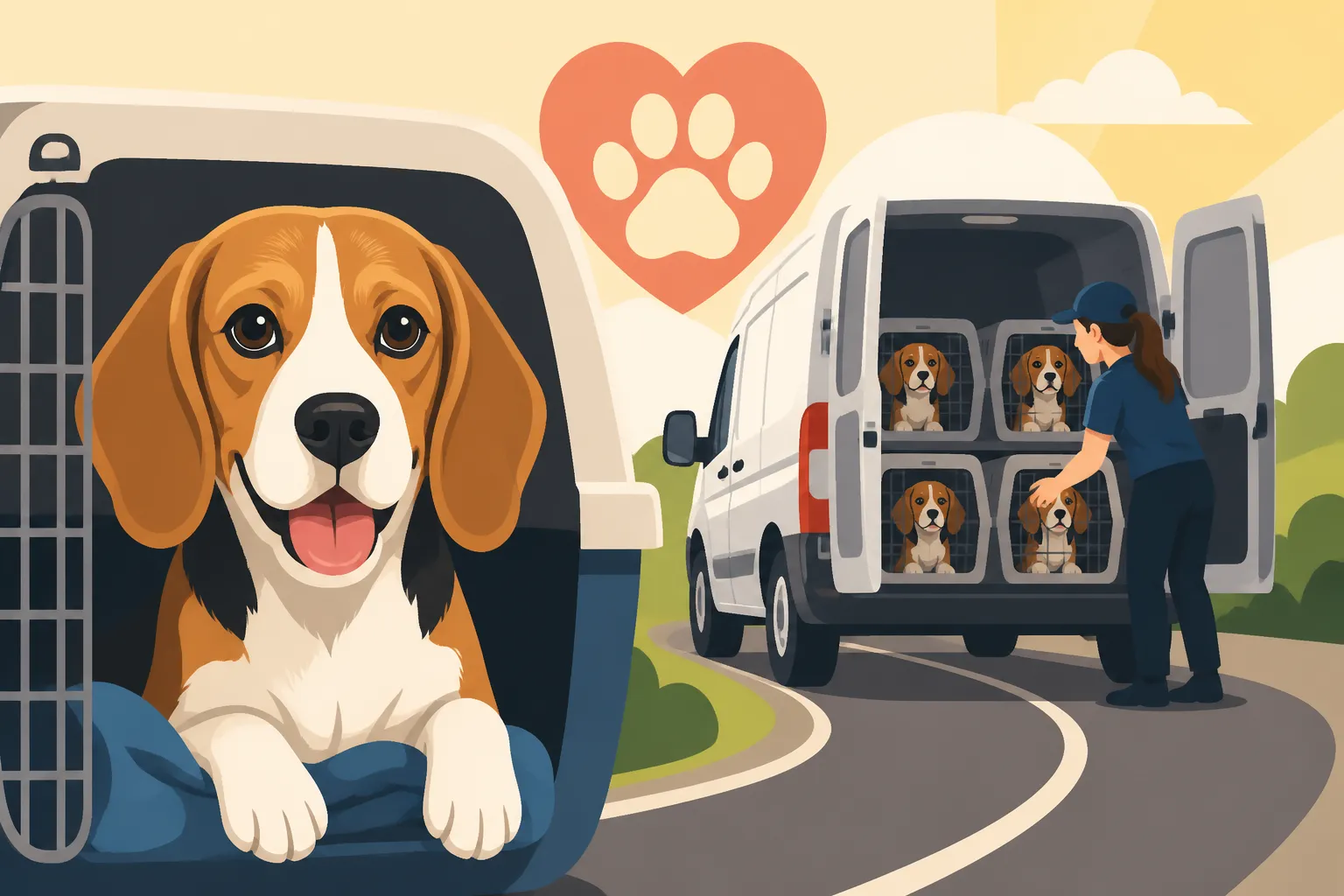
The Transport Runs That Move Rescue Beagles
It's a heartbreaking reality that so many Beagles find themselves in situations where they need a fresh start, often far from where their ideal forever home might be. Whether they're surrendered, abandoned, or rescued from larger, often dire circumstances, the journey from their current location to a new beginning is rarely a short one. This guide is dedicated to pulling back the curtain on the incredible, often unsung, logistical challenge of getting these lovable hounds where they need to go, focusing on the intricate world of rescue transport runs.
The Initial Journey: From Shelter to Safety Net
When a Beagle enters the rescue system, it's often a race against time, resources, and space. Many shelters, particularly in areas with high intake rates, simply don't have the capacity to house every animal that comes through their doors indefinitely. This is where the concept of rescue transport becomes a lifesaver, quite literally moving Beagles from overcrowded facilities to areas where demand for adoption is higher, or to dedicated breed-specific rescues with more resources.
Why Transport is Crucial for Overwhelmed Shelters
Imagine a small, rural animal shelter in the southern United States, overflowing with Beagles rescued from a large-scale breeding operation or abandoned after hunting season. These shelters often have limited staff, even more limited funding, and a community that, while supportive, simply cannot adopt every dog. The prognosis for these Beagles, without intervention, can be grim. Transporting them to partner rescues or foster homes in regions like the Northeast or Pacific Northwest, where Beagle adoptions are in high demand and resources might be more plentiful, offers a genuine lifeline. It alleviates the strain on the initial shelter, freeing up kennel space and staff time for other animals, and simultaneously provides these Beagles with a real chance at a loving home. It’s a symbiotic relationship that benefits everyone involved, most importantly the dogs.
This movement isn't just about space; it's also about opportunity. A Beagle with a specific health issue, perhaps needing specialized care for something like Beagle Hip Dysplasia and Everyday Joint Wear or even a suspected case of Beagle Pain Syndrome and the Meningitis Behind It, might languish in a small-town shelter that lacks the veterinary resources. Transport can get them to a rescue equipped to handle such conditions, providing them with the medical attention they desperately need before they can even consider adoption. It's a testament to the dedication within the rescue community that these complex logistics are undertaken daily.
The Immediate Needs of a Rescued Beagle
Before a Beagle can even embark on a transport run, their immediate needs must be assessed and met. This often begins with a thorough veterinary check-up. Many Beagles coming into the rescue system, especially those from neglectful situations, may arrive with a host of issues. They might be underweight, riddled with parasites, have untreated injuries, or suffer from chronic conditions like Beagle Ear Infection Symptoms to Catch Early that have been ignored. Basic vaccinations, deworming, and flea/tick prevention are standard protocols. For those with more pressing health concerns, initial treatment might be administered or plans made for specialized care upon arrival at their destination.
Beyond the physical, there are significant emotional and behavioral needs. A Beagle who has spent its life in a kennel or research facility, like many of the Envigo Beagles and Where the 4,000 Went, might have never experienced grass, a gentle human touch, or the comfort of a soft bed. These dogs require immense patience and understanding. Rescues often use the initial intake period to begin basic socialization and provide a calming environment. A nutritious meal, like those offered by brands such as Ollie, can be a crucial first step in their physical recovery, along with a warm, safe spot to rest. It’s about building a foundation of trust and comfort before they ever hit the road.
The Logistics of Long-Distance Beagle Transport
Moving an animal, especially one with specific needs like a Beagle, across state lines or even across the country, is far more complex than simply putting them in a car. These "transport runs" are intricate networks of volunteers, detailed schedules, and meticulous planning, all orchestrated to ensure the safety and well-being of the Beagles every step of the way.
Coordinating a Cross-Country Relay
Imagine trying to get a Beagle from a shelter in Louisiana to a waiting foster home in New Hampshire. It's not a single drive. Instead, it's a meticulously planned relay, often involving dozens of volunteers. The route is broken down into manageable "legs," usually 1-3 hours long, to minimize stress on the dogs and fatigue for the drivers. A central coordinator, often a dedicated volunteer, maps out the entire route, assigns drivers to each leg, and provides detailed instructions on timing, meeting points, and emergency contacts. This coordinator tracks the progress of the Beagle (or Beagles, as often multiple dogs are transported simultaneously) throughout the journey, adjusting for any unforeseen delays.
Each leg requires a hand-off from one volunteer driver to the next. This means precise timing, clear communication, and often meeting in easily accessible public locations like gas stations or parking lots. Think of it like a canine Olympic torch relay, where the torch is a precious cargo of hopeful Beagles. The goal is to move the dogs efficiently while ensuring they have opportunities for potty breaks, fresh water, and a quick stretch, especially for breeds that might be prone to joint issues later in life, like those susceptible to Beagle Hip Dysplasia and Everyday Joint Wear. This complex coordination prevents any single volunteer from driving excessive distances, making the process sustainable and safer for everyone involved.
Volunteer Drivers and Their Vital Role
The backbone of nearly every rescue transport operation is the volunteer driver. These are individuals who generously donate their time, vehicle, and gas money to drive a leg or two of a transport run. They are dog lovers, pure and simple, willing to dedicate a Saturday morning or an afternoon off to help a Beagle reach its new life. Before hitting the road, drivers receive detailed instructions about the specific Beagle they'll be transporting – their name, any quirks, medical notes, and special considerations. They'll also be given a travel crate, sometimes provided by the rescue or purchased by volunteers through sites like Chewy, water, and perhaps a small supply of food or treats.
The commitment of these drivers is truly inspiring. They brave traffic, navigate unfamiliar routes, and handle nervous dogs, all out of love and compassion. They understand that for many of these Beagles, especially those coming from trauma, this might be one of their first positive interactions with a human outside of a kennel environment. A kind word, a gentle stroke, and a patient demeanor can make all the difference in making the journey less stressful. Sometimes, a driver might even notice Beagle Emergency Signs That Cannot Wait Until Morning, acting quickly to get the dog medical attention if a sudden issue arises during transit, highlighting the critical role they play beyond just driving.
Ensuring Safety and Comfort During the Ride
Safety is paramount during any transport. All Beagles travel securely in crates, never loose in the vehicle. The crates are properly sized – generally ensuring the dog can stand up, turn around, and lie down comfortably, avoiding conditions that might exacerbate something like Beagle Crate Size and Crying Through the Night. Depending on the weather, considerations are made for climate control in the vehicle, ensuring the Beagles are neither too hot nor too cold. Blankets or soft bedding are often provided for comfort, particularly for dogs who may be experiencing Beagle Puppy Car Rides and Motion Sickness for the very first time.
Regular stops are scheduled for potty breaks and hydration. Drivers are instructed on how to safely leash and handle the Beagles during these breaks, especially if the dog is fearful or a known "flight risk" – a common trait for Beagles with their powerful noses and wanderlust. Some Beagles, particularly those from research or puppy mill backgrounds, may not even know how to walk on a leash or relieve themselves in an open area, requiring extra patience and understanding. Volunteers often carry extra water bowls, waste bags, and sanitizing wipes to maintain hygiene and ensure a clean environment for each leg of the journey.
The Role of Rescue Organizations and Foster Networks
Behind every successful transport run is a dedicated network of rescue organizations and foster families. These groups are the architects and the safety nets, making sure that Beagles find not just a temporary ride, but a true chance at a better life.
How Rescue Groups Facilitate Transport
Rescue organizations are the linchpins of these transport operations. They connect the dots between shelters needing to rehome Beagles and potential adopters or foster homes. They handle the initial intake vetting, ensuring the Beagle receives necessary medical care before transport. This includes things like spaying or neutering, microchipping, and completing all required health certificates for interstate travel. These organizations often maintain relationships with various transport coordinators and volunteer driver networks, leveraging those connections to arrange complex, multi-leg journeys.
They also play a crucial role in fundraising, as transport costs, while minimized by volunteers, still exist. Fuel, tolls, health certificates, and emergency veterinary care along the way can add up. Many rescue groups actively seek donations or grants to cover these expenses, ensuring that no Beagle is left behind due to financial constraints. Organizations like the National Beagle Club Health Recommendations often provide guidelines that breed-specific rescues adhere to, helping ensure the Beagles are not just moved, but moved safely and ethically, leading to a much smoother transition once they arrive at their destination. This comprehensive approach is what allows for the safe passage of countless Beagles each year.
The Final Destination: Foster Homes and Adopters
For many transported Beagles, the journey doesn't end when they reach their destination city. Often, they go directly into a foster home – a temporary haven where they can decompress, learn what it means to be a beloved pet, and receive individualized attention. Foster families are crucial volunteers who open their homes and hearts, providing a stable environment, house-training, and basic obedience. They help Beagles adjust to life in a home, introduce them to new experiences, and address any behavioral quirks that might have arisen from their past. This might include helping an overweight Beagle with a special diet plan to combat Beagle Obesity Treated as a Health Problem, or working on basic socialization with a shy dog.
The foster period is also vital for the rescue to get a better understanding of the Beagle's personality, which helps in finding the perfect forever family. Foster parents provide invaluable feedback on a Beagle's temperament around children, other pets, and general household routines. This information is then used to match the Beagle with compatible adopters. Once a suitable adopter is found through a rigorous application and interview process, the Beagle moves from the foster home to its permanent family. This model gives the Beagle the best possible chance at a successful transition, ensuring the long journey was worth every mile. If you're considering a pup, learning about Adopting a Beagle Through a Breed Rescue can open up possibilities for these wonderful dogs.
Supporting Beagle Transport Efforts
The incredible work of transporting rescue Beagles relies heavily on the generosity and dedication of countless individuals. If you're passionate about Beagles and want to make a difference, there are many ways to contribute to these vital transport efforts.
Financial Contributions and Supplies
One of the most direct ways to help is through financial donations. While much of the labor is volunteered, there are unavoidable costs associated with transport. These include fuel stipends for drivers, crate purchases, leashes, collars, ID tags, veterinary checks, health certificates, and sometimes even emergency vet funds for unexpected incidents on the road. Many rescue organizations, especially breed-specific ones, are non-profits that depend entirely on donations. A monetary contribution, no matter how small, directly supports these logistical operations.
Beyond direct cash, donations of supplies are also incredibly valuable. Rescues constantly need new or gently used crates, blankets, towels, leashes, collars, and even dog food. Retailers like Chewy often have "wish lists" for local rescues, making it easy to purchase and donate much-needed items. Think about the impact of providing a comfortable, safe crate for a Beagle's long journey, or ensuring they have a warm blanket to snuggle into at the end of a long leg. These tangible donations help ease the financial burden on rescues and ensure the Beagles have everything they need for a comfortable trip. You might even consider contributing to a fund specifically set aside for potential medical emergencies, as understanding The Beagle Costs Owners Underestimate Most includes being prepared for the unexpected.
Becoming a Transport Volunteer
If you have spare time and a love for driving, becoming a transport volunteer is an incredibly rewarding way to help. Most rescue organizations have a volunteer application process that includes background checks and a review of your driving record. Once approved, you can sign up for specific legs of transport runs that fit your schedule and geographic location. The commitment can be as little as a one or two-hour drive, but the impact you make on a Beagle's life is immeasurable. You'll be provided with all necessary instructions, support, and often the crate and supplies for the dog you're transporting.
Beyond driving, there are other volunteer roles within transport. Coordinators are always needed to manage schedules, communicate with drivers, and troubleshoot issues. Some volunteers assist with loading and unloading Beagles at designated transfer points. Others might offer temporary overnight stays for Beagles during a particularly long transport, providing a much-needed break from the road. If you're considering Fostering a Beagle Before You Commit, participating in transport can give you a glimpse into the rewarding world of animal rescue and help you meet some amazing Beagles in need. Every single person who lends a hand, whether for an hour or a full day, contributes to the happy ending of a rescue Beagle.
Disclaimer
Please note that the information provided in this article is for general informational purposes only and does not constitute professional veterinary advice. Always consult with a qualified veterinarian or animal health professional for any concerns regarding your Beagle's health, treatment, or specific care needs.