Shipping a Beagle Puppy Across State Lines
Bringing a new Beagle puppy home is an incredibly exciting time, filled with dreams of wagging tails and floppy-eared snuggles. But for many, the perfect puppy might be a few states away, leading to a whole host of questions and anxieties about how to get them safely and humanely to their forever home. The logistics of shipping a living, breathing, tiny creature can feel overwhelming, from navigating airline regulations to understanding health certifications and ensuring their comfort. This guide is here to walk you through every step of shipping a Beagle puppy across state lines, ensuring you're prepared for a smooth, safe, and stress-free journey for your new family member.
Understanding the Logistics of Interstate Puppy Transport
When you've found that perfect little Beagle face, and they happen to be in another state, the first hurdle is figuring out how to bridge that distance. It's not as simple as mailing a package, and for good reason! We're talking about a precious, vulnerable puppy, and their well-being during transit is paramount. Understanding your options and the intricate rules involved is the crucial first step.
Different Methods of Shipping and Their Implications
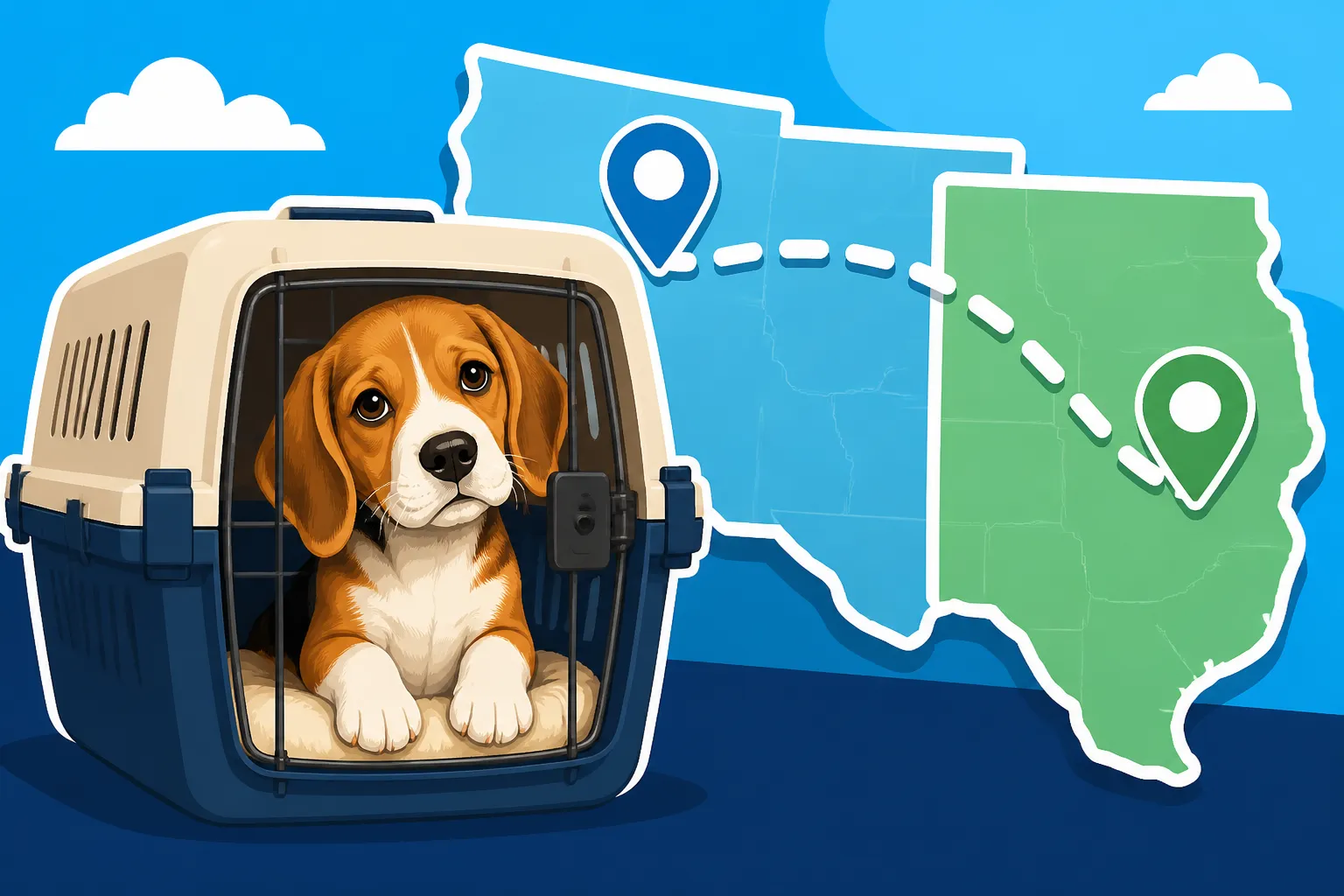
There are generally a few ways to get a puppy from one state to another, each with its own set of pros, cons, and logistical considerations. You've got air travel, ground transport, and the always-tempting option of picking them up yourself. Each method impacts the puppy differently and comes with its own price tag and level of convenience.
Air travel, for instance, can be divided into two main categories: cargo and in-cabin. Shipping a puppy via cargo is often the most common method offered by breeders, especially for longer distances. The puppy travels in a specially pressurized, temperature-controlled compartment below the main cabin. While it can be quicker, it's also generally considered more stressful for the puppy due to separation from human contact, loud noises, and unfamiliar surroundings. Rules around cargo shipping are stringent, often including temperature restrictions (some airlines won't ship if ground temperatures are too hot or cold at either end), crate requirements, and specific check-in/pickup times. On the other hand, flying your puppy in-cabin is a fantastic option if your Beagle is small enough to fit under the seat in an airline-approved carrier. This allows for direct supervision and comfort, greatly reducing stress. However, Beagle puppies can grow quickly, so this window might be small, and airlines have strict weight and size limits for in-cabin pets.
Ground transport offers a different approach. You could hire a professional pet transport service, which can range from large companies with dedicated pet-hauling vehicles to smaller, independent transporters. These services often provide a more personalized, less stressful experience than cargo flight, with drivers making regular stops for potty breaks, food, and water. Many even offer updates and photos along the way, which can be a huge relief for anxious new owners. The downside is that ground transport is typically slower than flying, adding days to the journey, and the cost can vary widely depending on distance and service level. Finally, the "do it yourself" method, where you travel to pick up your puppy and drive them home, is often the least stressful for the puppy. You control the environment, make stops as needed, and can begin bonding immediately. The main drawbacks are the time commitment and the travel costs for you, which can quickly add up with gas, hotels, and food. You might also want to consult our guide on Beagle Puppy Car Rides and Motion Sickness to prepare for the journey.
Key Regulations and Health Requirements
This is where things can get a bit complex, and it's absolutely vital to do your homework. Interstate animal transport is governed by both federal regulations and state-specific laws, all designed to prevent the spread of disease and ensure animal welfare. The most significant requirement across the board will be a health certificate issued by a licensed veterinarian.
This certificate typically needs to be issued within a specific timeframe – often no more than 10 days – before travel, certifying that the puppy is healthy, free of infectious diseases, and fit for travel. It also confirms that the puppy is current on all necessary vaccinations. For a young Beagle puppy, this usually means their first round of core vaccines. Additionally, some states have specific age requirements for puppies entering their borders, typically requiring them to be at least 8 weeks old. Different states might also have particular requirements for certain parasites or additional tests. For example, some states require proof of a specific parasite treatment or a negative fecal test. You should always check with the state veterinary office of your destination state and the state of origin to understand all necessary paperwork. Your breeder, if reputable, should be well-versed in these requirements, but it's always good to double-check. Don't forget that a general guide like Beagle Health Testing Under CHIC can give you insight into broader health considerations that breeders should be addressing.
Choosing a Reputable Breeder or Transporter
The people responsible for your puppy's journey are just as important as the method of transport itself. Whether it's the breeder arranging shipment or a dedicated transport service, you want assurance that your puppy will be handled with care and competence. Unfortunately, the pet world isn't immune to scams or neglectful practices, so due diligence is key.
When working with a breeder, ask them about their standard shipping practices. Do they routinely ship puppies? What airlines or ground transporters do they use? Ask for references from other puppy buyers who have had puppies shipped. A good breeder will be transparent and happy to share this information. They should also provide you with all necessary health documentation and clear instructions for pickup. If you're arranging transport yourself, whether by air or ground, research the companies thoroughly. Look for reviews, check their licensing (if applicable for ground transporters), and verify their insurance. Ask about their protocols for emergencies, feeding, hydration, and comfort during the journey. You want a transporter who prioritizes the animal's welfare above all else, not just the fastest or cheapest route. Remember that the initial cost of a puppy, as detailed in articles like What a Beagle Puppy Costs From a Breeder, is just one part of the overall investment; safe transport is another.
Preparing Your Beagle Puppy for the Journey
Once you've settled on the logistics, it's time to focus on preparing your specific Beagle puppy for the journey ahead. This isn't just about paperwork; it's about making the experience as comfortable and low-stress as possible for your new little companion. A well-prepared puppy is a happier traveler.
Health Checks and Necessary Documentation
Before any journey, your puppy absolutely needs a thorough health check-up from a licensed veterinarian. This is non-negotiable and often a legal requirement. The vet will ensure your puppy is healthy enough to travel, free from any obvious signs of illness, and up to date on their initial vaccinations. This visit is where the official health certificate will be issued, which is a critical document for both air and ground transport across state lines.
The health certificate will typically detail the puppy's breed, age, microchip number (if applicable), vaccination history, and a statement that they appear healthy and fit to travel. Beyond the health certificate, ensure you have copies of the puppy's vaccination record, deworming schedule, and any other pertinent health information from the breeder. It's a good idea to keep these documents easily accessible, perhaps in a waterproof pouch, both with the puppy's carrier and with you if you're traveling. This is also a good time to discuss the puppy's specific needs with the vet, especially if they are particularly small or have any known sensitivities. For general information on puppy care, guides such as Bringing a Beagle Puppy Home From a Kennel Litter can be very helpful.
Acclimating Your Puppy to Travel Conditions
The journey, especially for a young puppy, can be a significant new experience, so any preparation to make it familiar can help. If your puppy will be traveling in a crate, ask the breeder to introduce the crate to the puppy a few days or even a week before travel. Let the puppy spend time in it, eat in it, and even sleep in it. This helps them associate the crate with a safe, comfortable space rather than a scary, confining one.
Placing a familiar blanket or a toy with the scent of their littermates or mother inside the crate can provide immense comfort. This familiar scent can be a powerful tool for reducing anxiety during transit. Ensure the puppy is accustomed to drinking from a water bottle (often required for air cargo) or a no-spill dish. Avoid feeding a large meal right before travel, as this can lead to an upset stomach. A small, easily digestible meal a few hours prior is usually best. Many breeders start Beagle Puppy Teething and Hard Mouthing early on, so ensuring the puppy has appropriate chew toys can also help relieve stress during the trip.
Essential Supplies for Safe Transport
Having the right gear is just as important as the right paperwork. For any method of transport, a sturdy, airline-approved travel crate is essential. It should be large enough for the puppy to stand up, turn around, and lie down comfortably, but not so large that they can be jostled excessively. Look for crates with good ventilation and a leak-proof bottom. If your puppy is still small, you might consider a carrier like those found on Chewy's website, which are often sized perfectly for in-cabin travel or as a temporary solution for smaller puppies in ground transport.
Beyond the crate, pack a small bag with essentials:
- Water: A no-spill water dish or a hanging water bottle.
- Food: A small portion of their regular food for immediately after arrival, or in case of unexpected delays.
- Collar and Leash: Essential for potty breaks during ground transport and for when they arrive at their new home. Remember, Beagles have a strong nose, so Leash Training a Beagle From Eight Weeks is important from day one.
- Familiar Blanket/Toy: For comfort and scent.
- Waste Bags: For obvious reasons, especially with ground transport.
- Emergency Contact Info: Your phone number, the breeder's number, and the number of your new vet.
- Copies of all Documents: Health certificate, vaccination records, adoption contract.
A pro tip for water during air travel: freeze a small bowl of water in the crate. It will slowly melt, providing hydration without spilling, and also help keep the puppy cool.
The Journey Itself: What to Expect and How to Manage
The day of travel is a mix of anticipation and nerves for everyone involved. Knowing what to expect during the actual journey, whether by air or ground, can help you prepare mentally and ensure you’ve done everything possible for your puppy’s comfort and safety.
During Air Travel: Cargo vs. In-Cabin
If your Beagle puppy is flying as cargo, it’s crucial to understand the airline's specific pet policy. Most airlines, such as United Cargo or American Airlines Cargo, have dedicated animal travel programs. They will have specific requirements for the crate, including "LIVE ANIMAL" stickers, arrows indicating "THIS END UP," and often food and water dishes secured to the inside of the door. As mentioned, temperature restrictions are key; airlines often have "heat embargoes" or "cold embargoes" preventing shipment when temperatures are too high or too low at origin, destination, or connecting cities. This means travel plans can change last minute. Ensure the breeder coordinates pickup times with the airline and that you are ready to pick up your puppy immediately upon arrival to minimize their time alone in a strange environment. The sounds and environment of the cargo hold are vastly different from the cabin, and while pressurized and temperature-controlled, it can still be a noisy and disorienting experience for a young pup.
For in-cabin travel, the experience is generally much calmer for the puppy, as they are with you. You’ll need an airline-approved soft-sided carrier that fits under the seat in front of you. Confirm the maximum dimensions with your specific airline, as these vary. The puppy must remain in the carrier for the duration of the flight, though you can often reach in to offer comfort. Make sure your puppy has had a chance to relieve themselves right before boarding. Bringing a small, favorite toy and a blanket that smells like home can help them feel secure. While flying in-cabin is generally safer and less stressful, it often means booking your own flight and personally accompanying the puppy, which adds to your travel time and costs.
Ground Transport: Private vs. Professional Services
Ground transport, especially with a professional service, often feels like a more personal option. Professional ground transporters typically operate in climate-controlled vehicles and make frequent stops for the puppies to stretch their legs, eat, and have potty breaks. They usually carry all necessary supplies, though confirming this beforehand is a good idea. They often provide updates via text or phone, including photos, which is a huge comfort for new owners. When researching services, look for those specializing in pet transport, as they understand the unique needs of traveling animals. Ask about their vehicle setup, how many animals they transport at once, and their emergency protocols. Pricing for these services can range from a few hundred dollars to over a thousand, depending on distance and the level of personalized care.
If you opt for private transport – meaning you or a trusted friend drives the puppy – you have complete control over the journey. This allows you to set your own pace, stop whenever your puppy needs, and introduce them to new sights and sounds gradually. This is often the least stressful option for the puppy, as they are immediately bonding with their new owner or a familiar face. Make sure your vehicle is pet-safe, with a secure crate or carrier, and bring all the necessary supplies for the trip, including plenty of water, food, and cleaning supplies for accidents. Consider if your Beagle will do better with short stops or longer stretches; puppies, like human babies, need frequent breaks. This is a great opportunity to start Beagle Puppy Socialization in a Pack Breed slowly and gently, getting them used to car rides and brief stops.
Upon Arrival: Settling Your New Beagle Puppy
The moment your Beagle puppy finally arrives home is pure magic, but it’s also a critical time for their well-being. Their world has just been turned upside down, and they'll likely be tired, confused, and a bit overwhelmed. Your first priority is to make them feel safe and comfortable.
Have a designated quiet space ready for them, perhaps a crate or a puppy-proofed area with soft bedding and fresh water. Offer a small, familiar meal if they seem interested, but don’t force it. The first few hours should be calm and low-key. Allow them to explore their immediate surroundings at their own pace. A scheduled vet visit within the first 48-72 hours is highly recommended to ensure they’re healthy after their journey and to establish care with your local veterinarian. This is also a good time to enroll your puppy in pet insurance. Companies like Healthy Paws can provide peace of mind by helping cover unexpected veterinary costs, which can arise when a puppy is adjusting to a new environment. For more tips on setting up your home, check out our guide on What Should Come Home With a Beagle Puppy.
Remember that house training will be a priority, and they might have accidents due to stress or being unfamiliar with their new potty spot. Be patient and consistent. Establishing a routine for feeding, potty breaks, and Beagle Puppy Sleep and Waking at Three will help them adjust quickly. For feeding, consider high-quality options like Ollie fresh dog food, which can be gentle on a puppy's stomach during this transitional period.
Mitigating Risks and Unexpected Challenges
No matter how much planning goes into it, shipping a living animal always carries some inherent risks. Understanding what could go wrong and having a plan in place can make a world of difference, not only for your peace of mind but, more importantly, for your puppy's safety.
Health Concerns and Emergency Preparedness
One of the biggest concerns with puppy transport is the potential for stress-induced illness or exacerbation of underlying conditions. A change in environment, temperature fluctuations, and separation from their familiar litter can all weaken a puppy's immune system, making them susceptible to respiratory infections (like kennel cough) or gastrointestinal upset. Symptoms to watch for during and immediately after travel include lethargy, loss of appetite, vomiting, diarrhea, coughing, or nasal discharge. If your puppy exhibits any concerning signs, contact a veterinarian immediately.
Before your puppy leaves, ensure you have the contact information for both the breeder’s vet and your own local vet. Carry this information with you. If traveling by air, ask about the airline's emergency protocols for animals. For ground transport, inquire about how the transporter handles veterinary emergencies on the road. Having a financial contingency, such as an emergency fund or pet insurance from a provider like Healthy Paws, is also wise, as unexpected vet visits can be costly. For detailed information on specific health conditions, you might want to read about Beagle Ear Infections Under Those Long Ears or Beagle Hypothyroidism and the Weight It Puts On, although these are more common in adult Beagles, it's good to be aware of breed-specific health concerns.
Understanding Costs Beyond the Puppy Price
The sticker price of your Beagle puppy is often just the beginning. Shipping costs can add a significant amount to the overall expense, and it's vital to budget for these. Here's a breakdown of potential costs:
| Item | Estimated Cost Range | Notes |
|---|---|---|
| Health Certificate | $50 – $150 | Vet exam and required paperwork. |
| Airline Cargo Fee | $250 – $500+ | Varies by airline, distance, and crate size. |
| In-Cabin Pet Fee | $100 – $175 (per flight) | If you fly with the puppy. |
| Professional Ground Transport | $300 – $1,000+ | Varies by distance, service level, and company. |
| Travel Crate/Carrier | $50 – $150 | Airline-approved specific sizes. Brands like Chewy offer many options. |
| Your Travel Costs | Variable | Gas, hotels, food if you pick up the puppy yourself. |
| Initial Vet Check-up | $70 – $150 | Recommended within 48-72 hours of arrival. |
| Pet Insurance (first month) | $38 – $73 | As detailed in Beagle Insurance Between $38 and $73 a Month. |
| Miscellaneous Supplies | $50 – $100+ | Food, bowls, toys, cleaning supplies. |
As you can see, the transport can easily add several hundred dollars, or even over a thousand, to the initial purchase price of your puppy. This is part of The First Month Cost of a Beagle Puppy, and it’s important to factor it into your budget from the start.
The Emotional Toll on You and Your Puppy
While we focus on the practicalities, it’s crucial not to overlook the emotional aspect of shipping a puppy. For the puppy, it’s a big, scary, confusing experience. They are removed from their mother and littermates, placed in an unfamiliar environment, and exposed to new sights, sounds, and smells. It's a significant stressor at a very young age. This can manifest as shyness, anxiety, or even temporary regression in potty training.
For you, the new owner, the anticipation mixed with worry can be intense. You've invested emotionally and financially, and you just want your new family member to arrive safely and happily. It’s completely normal to feel anxious! Be prepared for a puppy that might be a bit subdued or clingy for the first few days. Offer gentle reassurance, a quiet space, and consistent routines. Your calm demeanor will help your puppy settle in. Remember that a Beagle is a pack animal, and forming a bond early will be very important for their emotional well-being. Even small things like providing fresh, high-quality food, such as that offered by Ollie, can make them feel cared for and secure. Your patience and love during these initial days will lay the foundation for a trusting and happy relationship for years to come.
Disclaimer
This guide offers general information and recommendations for shipping a Beagle puppy across state lines. Regulations and best practices can change, and individual circumstances vary. Always consult with your breeder, your veterinarian, and the specific airline or transport service you plan to use for the most current and accurate information pertaining to your specific situation.