Traveling With a Beagle by Air and by Road
Oh, the sheer thought of traveling with a Beagle can send shivers down an owner's spine! Between their legendary nose leading them astray and their infamous bay demanding attention, it’s easy to feel overwhelmed by the prospect of a road trip or, heaven forbid, a flight. But don't despair; this comprehensive guide is here to walk you through every twist and turn, helping you prepare for a smoother journey with your beloved scent hound, whether you’re heading across state lines or across the country.
Understanding Your Beagle's Travel Personality
Before you even think about packing a suitcase, it's crucial to acknowledge the unique traits that make Beagles both wonderful companions and, let's be honest, sometimes challenging travel partners. Their genetics predispose them to certain behaviors that, while endearing at home, can become magnified stressors when introduced to unfamiliar environments and routines.
The Scent Trail Dilemma on the Road
Your Beagle lives through their nose. It's not just a cute quirk; it's a fundamental part of their being, hardwired into their DNA from centuries of hunting. When you're on the road, every new gas station, every rest stop, every sniff of wind from an open window is an intoxicating symphony of smells that can easily override any training you’ve diligently instilled. Imagine being a Beagle: the world outside your car window is a constantly updating, fascinating olfactory newspaper, brimming with tales of squirrels, other dogs, leftover snacks, and mysterious deer tracks. It’s an irresistible call to adventure, and it makes them incredibly prone to pulling on the leash during quick potty breaks or trying to bolt if given the slightest chance.
This intense drive means that simply letting your Beagle "stretch their legs" at a random pull-off might turn into a frantic chase if they catch a particularly enticing whiff. Their focus narrows to that scent, and your voice, your commands, even the high-value treats you're offering, can become mere background noise. Understanding this isn't about excusing bad behavior; it's about predicting it and proactively managing the environment to keep your Beagle safe and your stress levels low. Remember, they're not being stubborn; they're simply being a Beagle, utterly absorbed in the world of scent. This is also why understanding Beagle recall and why your voice stops registering is so vital.
The Vocal Nature of Travel Anxiety
Beagles are vocal. It's part of their charm for many, but it can be a significant hurdle when traveling, especially in close quarters like a hotel room or an airplane cabin. Their baying, howling, and barking are deeply ingrained communication methods, used historically to alert hunters to a found scent. In a travel scenario, these vocalizations can stem from excitement, boredom, frustration, or, most commonly, anxiety about new sounds, sights, and separation. A Beagle, being a pack animal, thrives on companionship. Being isolated in a crate in an unfamiliar hotel room, or even just being confined in a moving vehicle, can trigger feelings of loneliness or abandonment, prompting them to vocalize.
You might experience a relentless baying chorus when you step out for dinner, or persistent whining if they can't see you. This isn't just annoying; it can lead to complaints from neighbors in hotels or even prevent you from flying if your Beagle becomes too disruptive in the cabin. The key is realistic expectations: you can't "train the bay out" of a Beagle, but you can manage the triggers and provide comfort. This might involve extensive crate training beforehand, ensuring their crate is a safe den rather than a punishment zone, and providing plenty of mental and physical exercise to tire them out before periods of confinement. Don't forget, distinguishing a Beagle bark from a bay from a howl can help you understand the root cause of their vocalizations.
Road Tripping with Your Beagle
Hitting the open road with your Beagle can be an incredible adventure, creating lasting memories. However, it requires thoughtful planning and preparation to ensure everyone – human and canine – enjoys the journey.
Safety and Containment in the Car
Your Beagle’s safety in the car should be paramount. Just like humans, unrestrained dogs can become projectiles in an accident, injuring themselves and other passengers. Moreover, a loose Beagle can be a dangerous distraction, eager to stick its head out the window or explore the front seats.
There are two primary methods for securing your Beagle in the car:
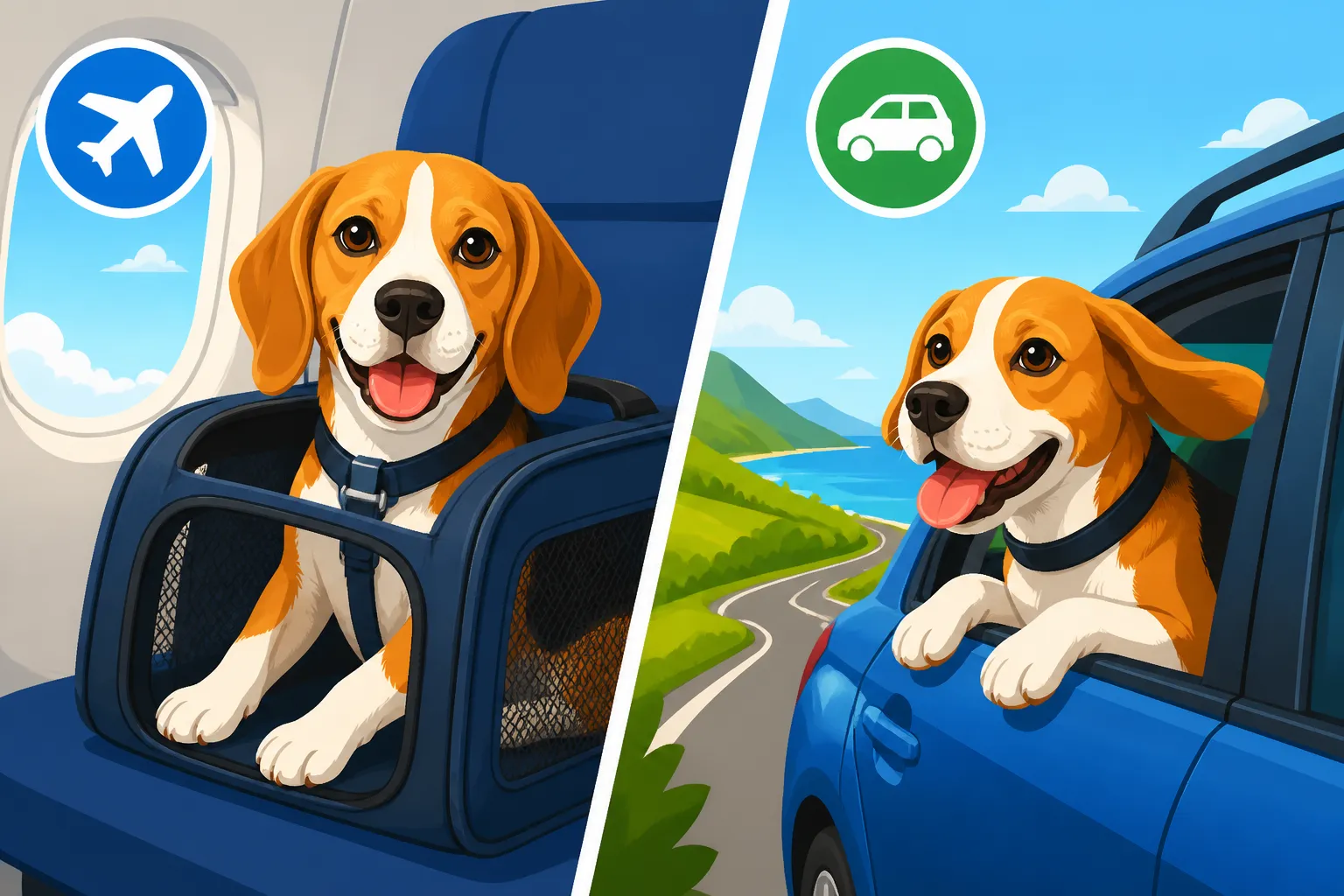
- Travel Crates: A sturdy, well-ventilated travel crate is often the safest option, especially for longer trips. It provides a familiar den for your Beagle, minimizing anxiety, and keeps them contained, preventing distractions. Choose a crate that is crash-tested if possible. Brands like Ruffland Kennels or Gunner Kennels are highly regarded for their safety and durability. Ensure the crate is secured in the vehicle, either by a seatbelt or cargo straps, so it doesn't slide around. This is particularly important for those lively Beagles who might shift and jostle the crate with their enthusiasm. For a wide selection of durable crates and accessories suitable for car travel, you might check out options on Chewy.
- Car Safety Harnesses/Seatbelts: For Beagles who aren't comfortable in a crate or for shorter trips, a crash-tested car safety harness that attaches to the vehicle's seatbelt system can be an alternative. These harnesses are designed to distribute force across the dog’s chest in the event of a sudden stop or collision, rather than concentrating it on their neck. Brands like Kurgo or Sleepypod offer highly-rated options. Always connect the harness to the regular seatbelt, not just let it hang loosely. These systems are great for keeping your dog in a designated spot, preventing them from roaming the car.
Beyond containment, consider these points:
- Window Safety: While many Beagles love to have their head out the window, it's actually quite dangerous. Debris, insects, or even another vehicle can cause severe eye injuries. Keep windows rolled up enough so your Beagle can't get their head out, but can still enjoy the fresh air.
- Preventing Escapes at Stops: This is critical for Beagles. Their instinct to follow a scent is incredibly powerful. Always have them on a leash before opening the car door, even if it’s just for a quick potty break. Use a sturdy harness (rather than just a collar) and a reliable leash. A long line can be useful for giving them a bit more freedom to sniff in a safe, open area, while still maintaining control.
Packing Essentials for a Beagle Road Trip
A well-packed bag for your Beagle is just as important as your own. You want to be prepared for every eventuality to keep your dog comfortable and healthy.
Here’s a detailed checklist:
- Food and Water: Pack enough of their regular food for the entire trip, plus a little extra. Sudden diet changes can cause stomach upset, which is the last thing you want on the road. Bring plenty of fresh water and their usual bowls. Collapsible travel bowls are incredibly handy. If you’re a fan of fresh dog food, services like Ollie can provide pre-portioned meals that are easy to pack in a cooler for shorter trips, ensuring your Beagle maintains their regular diet.
- Medication and First-Aid: If your Beagle is on any regular medication (e.g., for Beagle Hypothyroidism and the Weight It Puts On or Anti-Seizure Medication for an Epileptic Beagle), pack ample supply. Include a basic canine first-aid kit with essentials like gauze, antiseptic wipes, vet wrap, tweezers (for splinters/ticks), and any specific remedies your vet might recommend for car sickness or anxiety.
- Comfort Items: Their favorite bed or blanket, a familiar toy, or a worn t-shirt with your scent can provide immense comfort and reduce anxiety in new surroundings.
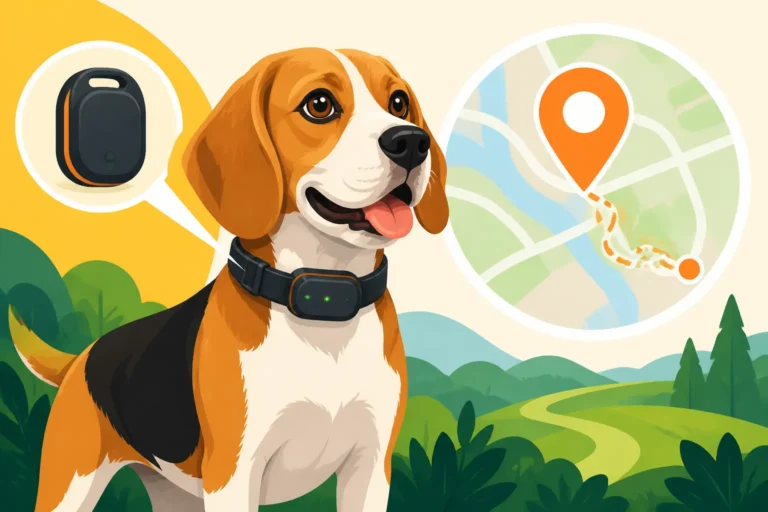
- Identification and Records: Ensure your Beagle wears a collar with up-to-date ID tags, including your cell phone number. It's also wise to have a copy of their vaccination records and a recent photo on your phone, especially if you're crossing state lines or plan to use pet-friendly facilities that require proof of rabies vaccination. Make sure their microchip information is current, too, as this is your best bet if your Beagle goes missing. Beagle Microchips and Getting a Lost Dog Back is a must-read for any traveling Beagle owner.
- Waste Bags: Pack more than you think you’ll need. Be a responsible pet owner and clean up after your Beagle, no matter where you stop.
- Leash and Harness: A sturdy leash and a well-fitting harness are indispensable. Consider a hands-free leash for rest stops if you need to juggle coffee and dog.
- Enrichment Toys: Puzzle toys or long-lasting chews can keep your Beagle occupied during downtime in the car or hotel.
Finding Pet-Friendly Accommodations
This is where planning truly pays off. Not all "pet-friendly" places are created equal, and some have specific breed or size restrictions that might exclude your Beagle.
- Research Thoroughly: Start by searching for major hotel chains known for being pet-friendly, such as La Quinta by Wyndham, Kimpton Hotels, or Motel 6. Always double-check their specific pet policies on their website or by calling the individual location directly. Policies can vary even within the same brand.
- Understand Pet Fees: Most pet-friendly hotels charge a fee, which can be a nightly rate or a one-time cleaning fee. These can range from $10 to $100 or more. Factor these into your travel budget.
- Ask About Restrictions: Inquire about weight limits, breed restrictions (though Beagles are usually fine, it's good to check), and the number of pets allowed.
- Booking in Advance: Especially during peak travel seasons, pet-friendly rooms can book up quickly. Secure your reservations well in advance.
- Hotel Etiquette:
- Never leave your Beagle unattended in the room unless you are absolutely certain they won't vocalize and disturb other guests. This is particularly true for a breed known for its baying. If you must leave them, ensure they are crated, leave a "Do Not Disturb" sign on the door, and provide a white noise machine or TV to mask outside sounds.
- Clean Up: Always clean up after your Beagle, inside and out. Use the designated pet relief areas if provided.
- Damage Control: Prevent damage to furniture or carpets. Bring extra blankets to cover surfaces if your Beagle likes to jump on beds.
- Reporting Accidents: If an accident happens, inform the front desk immediately. It’s better to be upfront and resolve it than to leave them to discover it later.
Many vacation rentals (e.g., through Airbnb or VRBO) also offer pet-friendly options, often with more space and fewer restrictions than hotels, but again, read the fine print carefully.
Flying with Your Beagle: In-Cabin vs. Cargo
Flying with a Beagle can be considerably more complicated and stressful than road travel. It's a decision that requires careful consideration of your dog's temperament, size, and the airline's rules.
Airline Pet Policies and Regulations
Every airline has its own set of rules regarding pet travel, and these are subject to change. It is your responsibility to understand and comply with them well in advance of your trip.
- In-Cabin Travel:
- Size and Weight Limits: Most airlines allow small dogs to travel in the cabin if they can fit comfortably in a carrier under the seat in front of you. For Beagles, this is a tight squeeze. A "13-inch" Beagle might just make the cut, but a "15-inch" Beagle will almost certainly be too large. Even if your Beagle fits, they must be able to stand up, turn around, and lie down naturally in the carrier.
- Carrier Requirements: Carriers must meet specific dimensions (soft-sided are usually more forgiving) and be leak-proof with adequate ventilation. They count as your carry-on item.
- Health Certificates: Many airlines require a health certificate issued by a licensed veterinarian within a specific timeframe (usually 10 days) of your flight. This certifies your dog is healthy enough to fly and up-to-date on vaccinations.
- Reservations and Fees: You must book your Beagle's spot in the cabin in advance, as airlines limit the number of pets per flight. There will be a fee, which can be significant.
- No Sedation: Most airlines advise against sedating pets for in-cabin travel due to potential respiratory and cardiovascular problems at altitude.
- Cargo Travel:
- The Last Resort: For many Beagle owners, cargo travel is a last resort due to the inherent risks and stress involved. Beagles, known for their sensitive noses and sometimes anxious nature, can find the cargo hold a terrifying experience. Temperatures can fluctuate, and the noise and isolation can be immense.
- Breed Restrictions: Some airlines have "snub-nosed breed" restrictions for cargo travel due to breathing difficulties, but Beagles typically do not fall into this category.
- Health Certificates and Vet Checks: A detailed health certificate and thorough vet check are mandatory, often requiring specific endorsements from a USDA-accredited vet.
- Approved Kennels: You'll need an airline-approved cargo kennel (usually hard-sided) that meets specific ventilation, labeling, and size requirements. Your Beagle must have ample space to stand, turn, and lie down.
- Temperature Restrictions: Airlines often have temperature restrictions, refusing to fly pets in cargo if ground temperatures are too hot or too cold at any point during the journey (departure, layover, arrival). This can significantly limit travel dates and times.
- Direct Flights Only: If you must use cargo, opt for direct flights whenever possible to minimize handling and stress.
- Pet Relief: There are no pet relief options in cargo, so plan accordingly with feeding and potty breaks before and after.
For any air travel, a vet visit is essential. Your vet can advise on the best course of action for your individual Beagle and ensure all health requirements are met. It’s also wise to consider pet insurance from providers like Healthy Paws, especially if you foresee potential health issues or accidents related to travel stress.
Health and Wellness on the Go
Traveling, no matter the mode, can put a strain on your Beagle’s physical and mental health. Being prepared for potential issues can make all the difference.
Managing Motion Sickness and Anxiety
Many dogs, Beagles included, can suffer from motion sickness or anxiety during travel.
- Motion Sickness:
- Symptoms: Licking lips excessively, drooling, yawning, lethargy, vomiting, whining.
- Solutions:
- Gradual Acclimation: Start with short car rides, gradually increasing duration. Make these experiences positive with treats and praise.
- Limited Food Before Travel: Avoid feeding a large meal 3-4 hours before travel. Small, bland snacks are usually fine.
- Fresh Air: Keep the car well-ventilated.
- Positioning: Some dogs do better looking forward. Crates or harnesses that keep them stable can help.
- Veterinary Medication: Your vet can prescribe anti-nausea medications like Cerenia, which is highly effective and non-drowsy.
- Travel Anxiety:
- Symptoms: Pacing, panting, whining, drooling, trembling, excessive vocalization (howling/baying), destructive behavior.
- Solutions:
- Familiarity and Comfort: Bring their bed, toys, and an item with your scent.
- Calming Aids: Pheromone sprays (like Adaptil), calming chews, or ThunderShirts can help some dogs.
- Desensitization: Gradually expose your Beagle to travel-related sights and sounds in a positive way.
- Veterinary Intervention: For severe anxiety, your vet might prescribe anti-anxiety medications like Trazodone or Gabapentin, especially for flights or long road trips. Always test these medications at home before travel to see how your Beagle reacts.
Emergency Preparedness Away From Home
Even with the best planning, accidents and emergencies can happen. Being prepared can save precious time and potentially your Beagle’s life.
- Locate Emergency Vets: Before you leave, identify 24-hour veterinary emergency clinics along your route and at your destination. Save their phone numbers and addresses in your phone. Websites like the Veterinary Emergency and Critical Care Society (VECCS) can help you find accredited facilities.
- Canine First-Aid Kit: Beyond the basics, consider adding items specific to your Beagle’s needs or common travel mishaps:
- Paw balm for sore pads after hiking.
- A strong flashlight for nighttime potty breaks.
- Emergency contact list (your vet, pet insurance, family members).
- A muzzle, for safety, in case your injured Beagle becomes agitated.
- Medical Records: Keep digital copies of your Beagle’s full medical history, vaccination records, and any current prescriptions on your phone or in the cloud, readily accessible to any new vet.
- Microchip Information: Ensure your Beagle’s microchip is registered with up-to-date contact information. If they get lost, this is often the fastest way to reunite.
- Recognizing Emergency Signs: Be aware of Beagle Emergency Signs That Cannot Wait Until Morning, such as persistent vomiting, severe lethargy, collapse, or difficulty breathing, and seek immediate veterinary attention.
Tips for a Smoother Journey
Making travel a positive experience for your Beagle requires patience, positive reinforcement, and consistent effort.
Practice Runs and Acclimation
You wouldn't run a marathon without training, and your Beagle shouldn't embark on a major trip without some preparation either.
- Car Rides: Start with very short, positive car rides to fun destinations, like a local park or a pet store. Avoid making the car ride only about vet visits. Gradually increase the duration of these trips.
- Crate Training: If you plan to use a crate for travel, introduce it well in advance. Make it a comfortable, safe space at home. Feed meals in it, toss treats inside, and never use it for punishment. This helps with Beagle crate size and crying through the night challenges.
- Carrier Acclimation (for Flights): For in-cabin flight, get the airline-approved carrier early. Leave it open in your living room, encouraging your Beagle to go in and out voluntarily. Feed treats inside, making it a positive experience.
- Hotel Stays (Practice): If possible, do a one-night stay at a local pet-friendly hotel before a long trip to see how your Beagle adapts to a new environment and sounds.
Enrichment and Engagement During Travel
A bored Beagle is often a mischievous or vocal Beagle. Keeping them mentally and physically stimulated is key to a calm traveler.
- Frequent Potty and Sniff Breaks: Plan regular stops, at least every 2-3 hours for road trips. Let your Beagle have ample time to sniff and explore (on leash!) at safe rest stops. Remember, a Why a Scent Walk Tires a Beagle Faster Than Running.
- Puzzle Toys: In the car or hotel room, provide puzzle toys stuffed with kibble or healthy treats. This engages their powerful nose and mind, keeping them focused and tired. Brands like Kong or West Paw offer great options.
- Chew Treats: Long-lasting, safe chew treats can be a lifesaver, providing an appropriate outlet for their chewing instinct and helping to reduce anxiety.
- Familiar Routines: Try to maintain as much of your Beagle’s routine as possible for feeding and exercise times. Predictability helps reduce stress.
By understanding your Beagle's innate traits, meticulously planning for their needs, and prioritizing their comfort and safety, you can transform the daunting task of traveling into an enjoyable adventure for both of you.
In-Cabin vs. Cargo Travel for Beagles
| Feature | In-Cabin Travel | Cargo Travel (Checked Baggage) |
|---|---|---|
| Beagle Size | Smallest Beagles (13-inch variety) might fit if carrier dimensions allow. Must fit under seat. | All Beagles, as long as carrier meets space requirements for standing/turning. |
| Carrier Type | Soft-sided, airline-approved, leak-proof, ventilated. Must fit under seat. | Hard-sided, airline-approved, proper ventilation, labeled. Specific dimensions based on dog size. |
| Stress Level | Generally lower; dog is with owner, familiar scents/sounds. | Generally higher; dog is alone in unfamiliar, noisy, temperature-variable environment. |
| Health Risks | Minimal, mainly mild anxiety. | Higher; temperature extremes, poor ventilation, rough handling, stress-induced issues. |
| Veterinarian | Health certificate often required (within 10 days). | Health certificate, potentially specific endorsements, and full vet check mandatory. |
| Sedation | Generally not recommended by airlines. | Generally not recommended by airlines due to altitude effects. |
| Cost | Typically a flat fee, often less than cargo. | Can be significantly higher, varies by weight/size. |
| Availability | Limited spots per flight, book well in advance. | Dependent on airline, aircraft type, and temperature restrictions. |
| Access | Owner can check on dog, provide reassurance. | No access to dog during flight. |
Disclaimer
This guide provides general information and recommendations for traveling with a Beagle. Every dog is an individual, and their reactions to travel can vary. Always consult with your veterinarian before making travel plans, especially concerning your Beagle's health, medications, and any anxiety issues. Airline policies change frequently, so it is crucial to verify all regulations directly with your chosen airline. The author and publisher are not responsible for any incidents or issues that may arise during your travels.