The MLS Result a Beagle Breeder Must Show You
Bringing a new Beagle into your home is an incredibly exciting time, full of dreams of happy walks, playful antics, and plenty of cuddles. But amidst all that joy, there’s a real and often heartbreaking worry: what if your sweet new puppy isn't as healthy as you hoped? One of the most important steps you can take to prevent future heartbreak is understanding genetic health testing, particularly for conditions like Musladin-Lueke Syndrome (MLS). This guide is all about why a reputable Beagle breeder must be transparent about MLS test results and what those results actually mean for you and your potential furry family member.
What is Musladin-Lueke Syndrome and Why It Matters for Beagles?
Musladin-Lueke Syndrome, often simply called MLS, is a genetic disorder that, while rare, is heartbreakingly specific to Beagles. If you're looking for a Beagle puppy, hearing about genetic diseases can be overwhelming, but understanding MLS is crucial because it significantly impacts a dog's health and quality of life. Unlike some conditions that might manifest subtly, MLS can present with very noticeable physical characteristics and health challenges from a young age. It’s a stark reminder that even the most "merry" and robust-looking puppies can harbor hidden genetic predispositions.
The Unique Symptoms of MLS in Beagles
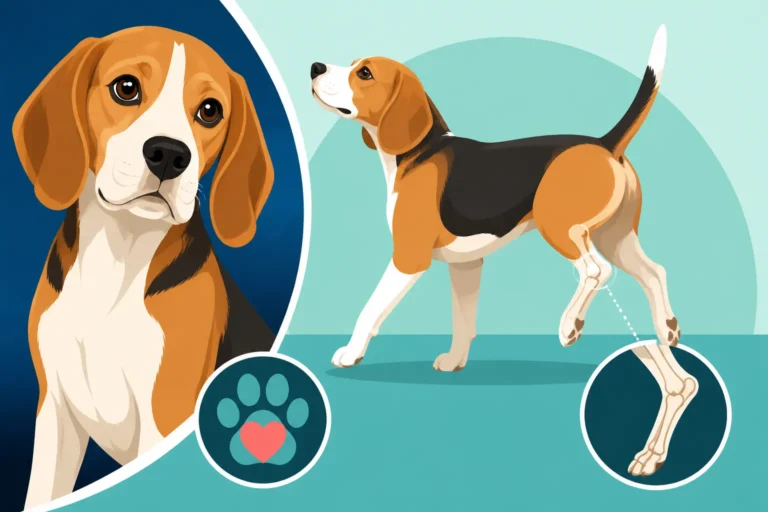
Imagine bringing home a vibrant, playful Beagle puppy, only to notice something isn't quite right. With MLS, symptoms can become apparent surprisingly early, sometimes even in puppies as young as a few weeks old. One of the most hallmark signs is a distinctive "tip-toe" gait, almost as if the puppy is walking on stilts or like a little deer. This isn't just a cute quirk; it's due to shortened tendons and changes in their skeletal structure. You might also notice that their skin appears unusually thick and taut, making them look a bit "stuck" in their own skin, particularly around the face and joints. This can lead to a rather stern, somewhat worried facial expression, often accompanied by slanted eyes.
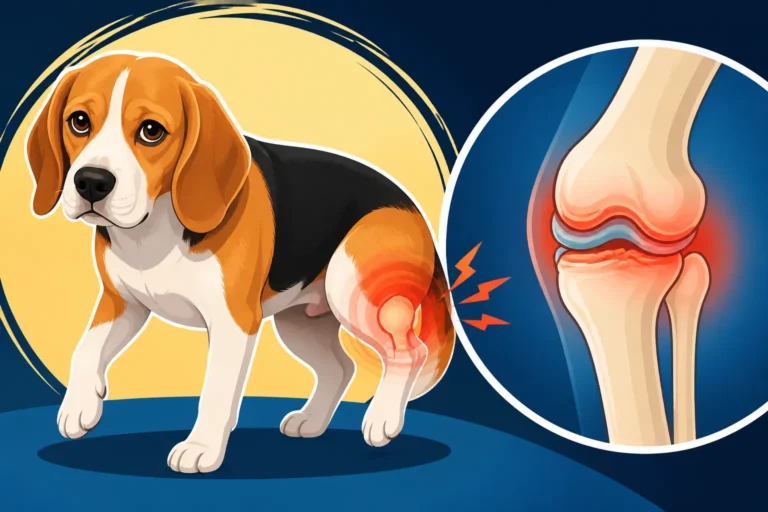
Beyond these visible signs, MLS can cause a range of other issues. Affected Beagles might have fused cervical vertebrae, which can lead to neck stiffness and discomfort. There can be joint problems, and internal organs might be affected, too. These physical deformities aren't just cosmetic; they can lead to pain, mobility issues, and a significantly reduced quality of life. For instance, a Beagle with severe joint involvement might struggle to run, jump, or even walk comfortably, activities that are central to a Beagle’s joyful nature. If you want to learn more about recognizing the earliest signs, you can read about Musladin-Lueke Syndrome Signs in a Beagle Puppy. And for a deeper dive into one specific symptom, understanding The Thick Taut Skin of a Beagle With MLS can be quite revealing.
How MLS is Inherited
The reason MLS is so prevalent in Beagles is due to its inheritance pattern: it’s an autosomal recessive genetic disorder. This might sound like a mouthful, but it's really important to grasp. In simple terms, for a Beagle to actually have MLS (meaning it's "affected"), it needs to inherit two copies of the faulty gene – one from its mother and one from its father.
Here’s where it gets tricky: a Beagle can carry one copy of the faulty gene without showing any symptoms at all. These dogs are called "carriers." They are perfectly healthy themselves, living full, normal lives, but they can pass that single faulty gene copy on to their offspring. This is why testing is so vital. If you breed two carriers together, there's a 25% chance with each puppy that it will inherit two faulty copies and be affected by MLS. There's also a 50% chance it will be a carrier, and a 25% chance it will be completely clear. This genetic lottery means that even seemingly healthy parents can produce an affected puppy if they both unknowingly carry the gene. Understanding How Musladin-Lueke Syndrome Passes Through Beagle Lines is fundamental to responsible breeding.
Understanding the MLS DNA Test and Its Results
Thankfully, we live in an era where genetic testing can shine a light on these hidden predispositions. For MLS, a specific DNA test is available that can accurately identify whether a Beagle is clear, a carrier, or affected. This test is a game-changer for ethical breeders and a crucial tool for anyone looking to bring a healthy Beagle puppy into their home. It takes away the guesswork and replaces it with scientific certainty, which is incredibly empowering.
Decoding "Clear," "Carrier," and "Affected" Results
When a Beagle undergoes an MLS DNA test, the results will fall into one of three categories. Each category has significant implications for both breeding and for the future health of any potential offspring. Let’s break them down:
- Clear: A "clear" Beagle has two normal copies of the gene and zero copies of the MLS mutation. This is the ideal result for any breeding dog. A clear dog cannot develop MLS, nor can it pass the faulty gene on to any of its puppies. This means if you breed a clear dog, all of its puppies will inherit at least one normal gene copy, ensuring none of them will be affected by MLS, regardless of the other parent's status.
- Carrier: A "carrier" Beagle has one normal copy of the gene and one copy of the MLS mutation. As mentioned, carriers are typically perfectly healthy themselves and show no signs of the condition. However, they can pass that single faulty gene copy to their puppies. The key to responsible breeding with a carrier is to only breed them with a Beagle that has tested "clear." If a carrier is bred to a clear dog, 50% of the puppies will likely be clear, and 50% will be carriers. None of the puppies will be affected, which is the primary goal. To delve deeper into this, check out What an MLS Carrier Result Means for a Beagle.
- Affected: An "affected" Beagle has two copies of the MLS mutation. These are the dogs that will develop the symptoms of Musladin-Lueke Syndrome. Ethical breeders will never knowingly breed an affected dog, and any puppy identified as affected should not be used for breeding.
Here’s a simple table summarizing these results:
| MLS Test Result | Genetic Makeup | Physical Health | Breeding Implications (with a Clear mate) |
|---|---|---|---|
| Clear | 2 Normal Genes | Healthy | All puppies will be Clear or Carrier (never Affected) |
| Carrier | 1 Normal, 1 Mutated | Healthy | 50% puppies Clear, 50% Carrier (never Affected) |
| Affected | 2 Mutated Genes | Develops MLS symptoms | Should never be bred |
The Importance of Certified Labs
When discussing genetic testing, it’s not just about getting any test; it’s about getting a reliable test from a reputable, certified laboratory. There are several excellent canine genetic testing labs globally that offer the MLS DNA test. These labs use validated scientific methods to ensure accurate results. A good breeder will be able to tell you which lab they used and provide you with official documentation from that lab. Relying on backyard breeders who claim their dogs are "fine" or "look healthy" without providing certified test results is a huge gamble, and it's simply not worth the potential heartache.
For those interested in the broader scope of health evaluations, understanding Beagle Health Testing Under CHIC is invaluable, as MLS testing is often a component of these comprehensive health registries. And if you're ever faced with a DNA panel, knowing how to interpret Reading a Beagle DNA Panel Result Line by Line can be very helpful.
Why a Breeder Must Show You MLS Test Results
This is perhaps the most critical point for prospective puppy owners: transparency regarding MLS test results is not optional; it's a non-negotiable expectation for any truly responsible and ethical Beagle breeder. If a breeder is unwilling or unable to provide these results, it should be a major red flag that prompts you to walk away, no matter how cute the puppies are. They are selling you a future family member, and that comes with a responsibility to ensure that family member has the best possible start in life.
Ethical Breeding Practices and Transparency
Reputable Beagle breeders prioritize the health and well-being of their dogs above all else. This means they are actively working to minimize the risk of genetic diseases in their lines. For Beagles, given the existence of a reliable DNA test for MLS, this means testing all their breeding dogs. They understand the science behind recessive genes and how to make informed breeding decisions that avoid producing affected puppies.
When you engage with an ethical breeder, they won't hesitate to show you documentation of their breeding dogs' health tests, including MLS. This isn't just a piece of paper; it's proof of their dedication to the breed and their commitment to you. They'll likely be proud to discuss their health screening protocols, their reasons for specific breeding pairings, and their long-term goals for improving the health of their Beagles. They'll explain that even if a dog is a carrier, responsible breeding practices (mating only with clear dogs) prevent affected puppies. This level of transparency is a hallmark of someone you can trust. It also speaks to the overall cost of a puppy; a higher price often reflects the investment a breeder makes in health testing, quality care, and proper socialization, as outlined in guides like What a Beagle Puppy Costs From a Breeder.
Red Flags When Choosing a Breeder
Unfortunately, not all breeders operate with the same high standards. Some may be blissfully ignorant of MLS, while others may intentionally obscure information to make a sale. Here are some undeniable red flags when it comes to MLS testing:
- "My dogs are healthy, they don't need tests." This is perhaps the most dangerous statement. As we've discussed, carriers are perfectly healthy and show no symptoms. Without testing, a breeder has no way of knowing if their "healthy" dog is actually a carrier, putting all their litters at risk.
- Evasion or Excuses: If a breeder changes the subject, gives vague answers, or claims the tests are too expensive/unnecessary when you ask about MLS results, take it as a warning.
- No Documentation: Even if they say their dogs are tested, if they can't produce official, verifiable paperwork from a reputable lab, it means nothing. A photo of a dog or a verbal assurance is not sufficient. You need to see the actual results for both parents of the litter you're interested in.
- "We don't breed for health, we breed for looks/temperament." While temperament and conformation are important, health should never take a back seat. A truly responsible breeder considers all aspects.
- High Volume, Low Care: Breeders churning out many litters with little regard for individual dog health or parent testing are often puppy mills or irresponsible backyard operations.
Don't be afraid to be assertive and ask direct questions. This is your future companion, and you have every right to ensure they come from a responsible source. For more questions to arm yourself with, definitely consult What to Ask a Beagle Breeder About Genetics.
Protecting Your Future Puppy
Ultimately, the power to choose a healthy puppy rests largely with you. By insisting on seeing verified MLS test results for both parents, you become an active participant in promoting ethical breeding practices. This simple act helps reduce the incidence of MLS and ensures that the Beagle you bring home has the best chance at a long, healthy, and happy life.
Think about it this way: if a breeder is cutting corners on something as fundamental as genetic health testing, what other corners are they cutting? Are the puppies properly socialized? Are they receiving adequate veterinary care? Are they being raised in a clean environment? A breeder who is transparent about health testing is usually transparent about all aspects of their breeding program.
While comprehensive pet insurance from providers like Healthy Paws can certainly help manage the financial burden of unexpected health issues, preventing genetic diseases through responsible breeding is always the first and best line of defense. Knowing your puppy's genetic background, particularly concerning MLS, offers immense peace of mind. It allows you to anticipate potential health needs, and critically, it supports the continued health and integrity of the Beagle breed as a whole.
Living with an MLS-Affected Beagle
While the focus here is on prevention, it's important to briefly touch upon the reality for those who might end up with an MLS-affected Beagle, perhaps through unfortunate circumstances or a rescue situation. Living with a dog affected by MLS can be challenging, requiring a dedicated commitment to their ongoing care. These dogs often need regular veterinary attention, physical therapy, and sometimes even surgical interventions to improve their quality of life. The "tip-toe" gait, the stiff skin, and the skeletal deformities can lead to chronic pain and mobility limitations.
Managing their comfort and mobility becomes a daily priority. This might involve pain medication, joint supplements, or even orthopedic supports. Environmental adjustments, such as ramps instead of stairs or soft bedding, can make a significant difference. It’s a journey that requires patience, financial resources, and a deep well of love. While organizations like Healthy Paws can assist with vet bills, the emotional toll and daily care are substantial. This is why preventing MLS through proper breeding and rigorous testing is so incredibly important—it spares both the dog and their human companions from this difficult path.
Ultimately, your commitment to thoroughly vet your breeder and insist on seeing those critical MLS test results is one of the most loving and responsible things you can do for your future Beagle puppy.
Disclaimer
As a veteran lifestyle blogger focused on Beagles, the information provided in this article is intended for general informational purposes only and does not constitute veterinary advice. Always consult with a qualified veterinarian for any health concerns or before making any decisions related to your pet's medical care or breeding practices. Genetic testing results should always be interpreted by a veterinary professional.