When a Beagle Needs Its First Dental Cleaning
It’s a common scenario for Beagle owners: you lean in for a snuggle, and that signature, sweet Beagle breath has mysteriously morphed into something… less than pleasant. You might start wondering if those pearly whites are as healthy as they seem, and a huge question often pops up – when on earth should your beloved Beagle actually have their first professional dental cleaning? This can feel like a big, confusing milestone, especially when there's so much conflicting advice out there, but this guide is here to walk you through exactly what to look for and when to act to keep your Beagle's mouth healthy for years to come.
The Sneaky Start of Dental Problems in Your Beagle
It's easy to overlook dental health in our Beagles, largely because they're so good at hiding discomfort. They’re stoic little hounds, and unless they’re in extreme pain, they’ll often continue to eat, play, and live life with a wagging tail, even if their mouth is a mess. But beneath that cheerful exterior, dental disease can be silently brewing, and it starts much earlier than most of us realize.
How Plaque and Tartar Accumulate
Think about your own teeth. If you skip brushing for even a day, you can feel that fuzzy film – that’s plaque, a sticky, colorless film of bacteria. The same thing happens with your Beagle. Every time they eat, tiny food particles combine with bacteria in their mouth to form plaque. Now, here’s where the trouble really begins: if that plaque isn't removed within about 24 to 48 hours, it starts to mineralize, hardening into something called tartar (or calculus). And once tartar forms, no amount of brushing at home will remove it. It’s like concrete on their teeth, creating a rough surface where even more plaque can latch on, accelerating the whole unfortunate process. This buildup often starts subtly, at the gum line, first on the back molars and canines, then slowly spreading. Over time, this constant irritation from plaque and tartar leads to gingivitis, which is inflammation of the gums. You might notice the gums becoming red, swollen, and sometimes even bleeding. If gingivitis isn't addressed, it progresses to full-blown periodontal disease, where the supporting structures of the teeth – the bone and ligaments – begin to deteriorate, eventually leading to painful infections, loose teeth, and even tooth loss.
Recognizing the Early Warning Signs at Home
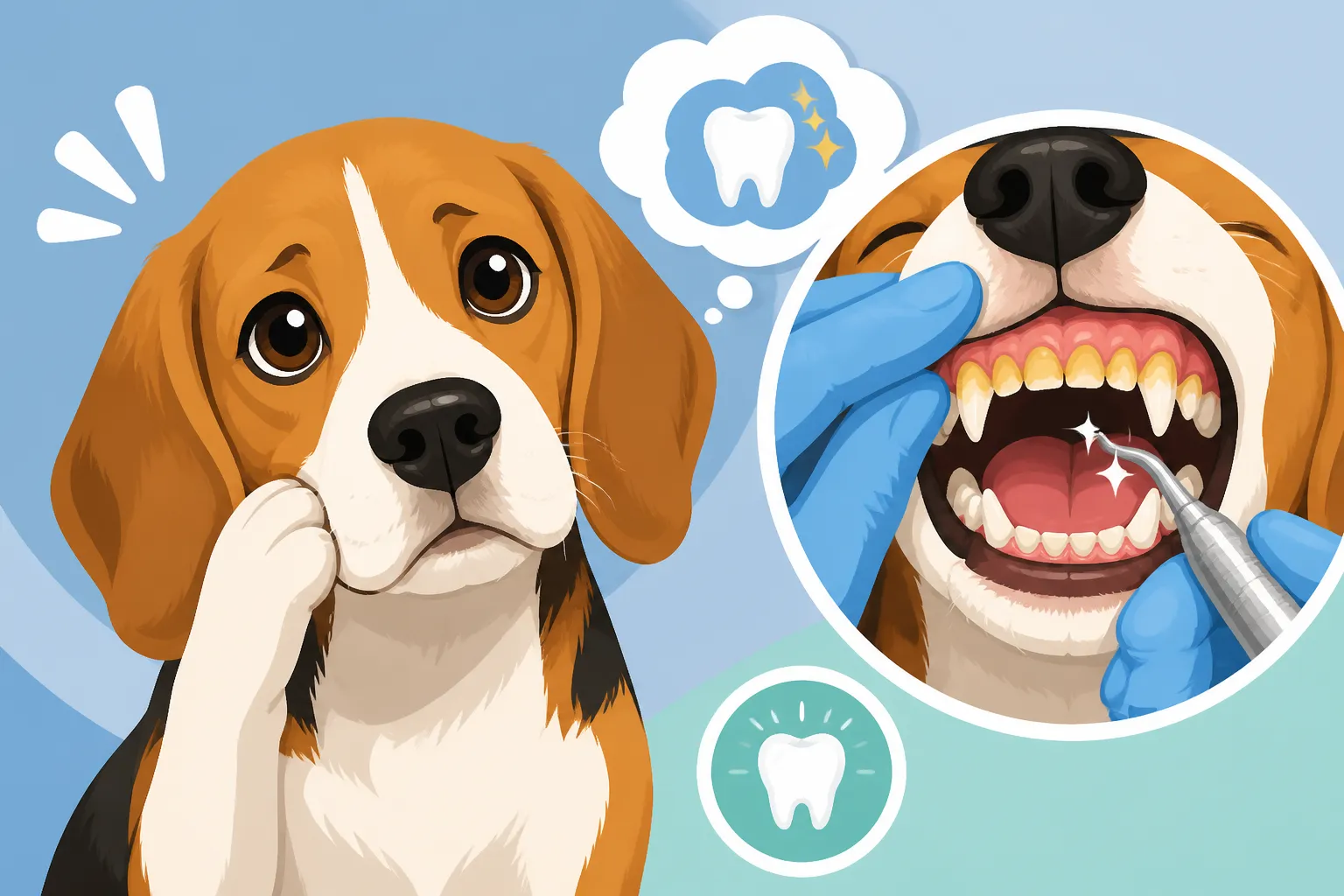
Catching dental issues early is absolutely key, but it requires a bit of detective work on your part. One of the most obvious, yet often dismissed, signs is bad breath. We sometimes joke that "dog breath" is just a fact of life, but truly foul, persistent bad breath is almost always a sign of underlying dental disease. It means there's a serious amount of bacteria thriving in your Beagle’s mouth. Beyond the smell, get into the habit of gently lifting your Beagle's lips and looking at their teeth and gums. You're looking for signs like a yellowish-brown crust (tartar) building up, especially on the outside surfaces of the back teeth. The gums themselves should be a healthy pink; if they look red, swollen, or bleed easily when touched, that’s a clear indication of gingivitis. Sometimes, you might notice your Beagle chewing differently, favoring one side of their mouth, dropping food, or showing less enthusiasm for hard kibble or chews they used to love. They might even become a bit more withdrawn or irritable, which can be a subtle sign of chronic pain. In more advanced stages, you could see drooling, pawing at the mouth, or even swelling on one side of the face, which can indicate a tooth root abscess. Don't wait until these severe signs appear. Regular visual checks, even just once a month, can make a huge difference in catching problems before they escalate. If you're unsure what you're seeing, a quick chat with your vet or a quick search for images of Beagle Dental Disease and Tartar Buildup can help you compare.
Decoding the "When": Pinpointing Your Beagle's First Professional Cleaning
So, you've spotted some tartar or noticed that notorious "Beagle bad breath coming from the tooth roots." Now what? The big question is: when is it really time for that first professional cleaning? It's not a one-size-fits-all answer, but there are solid guidelines and clear indicators that can help you and your veterinarian make the best decision for your furry friend.
General Age Guidelines and Individual Variation
For many Beagles, the first professional dental cleaning is often recommended between the ages of one and three years old. This is a general guideline, of course, because just like people, every Beagle is an individual. Some Beagles, especially those with crowded teeth or those who aren't keen on home dental care, might show significant tartar buildup by the time they're just two. Others might have naturally cleaner mouths or be incredibly cooperative with daily brushing and might not need their first cleaning until they're closer to four or five. Smaller dog breeds, generally, tend to develop dental disease earlier and more aggressively than larger breeds, and while Beagles aren't tiny, their compact jaw structure can sometimes predispose them to crowded teeth, which can make them more prone to plaque accumulation. Factors like diet, chewing habits, and even genetics can also play a huge role. For example, if your Beagle inherited a tendency for dental issues from their parents, you might see problems arise sooner. It's truly a conversation you should be having with your vet at every annual check-up, starting when your Beagle is still a young adult.
What Your Veterinarian Looks For During Exams
Your veterinarian is your primary partner in determining the right time for that first cleaning. During your Beagle’s routine physical exam, they won't just be listening to their heart and feeling their belly; they'll also be performing a preliminary oral examination. This involves a quick visual check of the gums and teeth, looking for any obvious signs of redness, inflammation, or tartar. They'll lift the lips, look inside, and feel for any abnormalities. Based on what they find, they’ll be able to tell you if they recommend a professional cleaning soon. They'll consider the amount of visible tartar, the health of the gums, and any changes in your Beagle's breath. If there's already moderate to severe tartar, or if the gums are inflamed and bleeding, a cleaning will likely be recommended sooner rather than later to prevent further progression of periodontal disease. They might grade your Beagle’s dental health on a scale, from Grade 0 (no dental disease) to Grade 4 (severe periodontal disease with significant tooth loss and infection). This grading helps prioritize the timing of the intervention. Remember, this initial exam is just a superficial assessment; the true extent of dental disease, especially below the gum line, can only be determined with a full oral exam under anesthesia, complete with dental X-rays.
The Role of Pet Insurance in Dental Care
Let's be real, professional dental cleanings under anesthesia aren't cheap. The costs can vary significantly depending on your location, your vet's fees, and whether extractions or other procedures are needed. This is where pet insurance can be a real lifesaver, and it's something worth considering for a breed like a Beagle that can be prone to dental issues. Many pet insurance providers, like Healthy Paws, offer policies that cover a portion of unexpected dental procedures, especially if they're medically necessary due to illness or injury. Some even offer wellness plans that can help offset the cost of routine cleanings. It's crucial to understand the specifics of your policy, as most standard plans won't cover preventative cleanings unless you add a specific wellness rider. Also, be aware that pre-existing conditions are usually excluded. This means if your Beagle already has documented dental disease before you enroll in a policy, that specific condition might not be covered. That's why it's so important to think about insurance early, ideally when your Beagle is a puppy, before any dental problems have had a chance to develop. It can turn what would be a hefty, unexpected bill into a manageable out-of-pocket expense, allowing you to prioritize your Beagle's oral health without financial stress. You can learn more about managing these costs by looking into Beagle Insurance Premiums Provider by Provider.
What to Expect: The Dental Cleaning Procedure Explained
Once you and your vet decide it’s time for a professional dental cleaning, it’s completely normal to feel a little anxious. The thought of your Beagle undergoing anesthesia can be daunting. However, understanding the meticulous steps involved and the safety protocols in place can provide a lot of peace of mind. Veterinary dental cleanings are far more than just a quick brush-up; they are comprehensive medical procedures designed to thoroughly assess and treat your Beagle’s oral health.
The Importance of Anesthesia and Pre-Operative Care
One of the most common questions from pet parents is, "Does my Beagle really need anesthesia?" The answer is a resounding yes. A proper dental cleaning involves scaling both above and, crucially, below the gum line, probing for pockets, and taking dental X-rays – none of which can be done effectively or safely on an awake animal. Imagine trying to get your Beagle to sit perfectly still, mouth open, while sharp instruments scrape their teeth and X-ray plates are maneuvered around sensitive gums. It's simply not possible without causing immense stress, pain, and potentially injury. Anesthesia allows for a thorough, pain-free, and safe procedure.
Before any anesthesia is administered, your Beagle will undergo pre-operative blood work. This is a vital step to assess their organ function, ensuring their liver and kidneys can properly process the anesthetic drugs and that they don’t have any hidden conditions that could increase anesthetic risk. Depending on your Beagle's age and overall health, additional diagnostics like urinalysis or an EKG might be recommended. Your vet team will also perform a thorough physical exam on the day of the procedure. They'll discuss any specific risks with you, explain the monitoring protocols, and address any concerns you might have. Modern veterinary anesthesia protocols are incredibly safe, with dedicated technicians monitoring your Beagle's heart rate, breathing, blood pressure, oxygen levels, and temperature throughout the entire procedure. They use advanced equipment, similar to what you'd see in human hospitals, to ensure your Beagle is as safe and comfortable as possible. Pet insurance plans like Healthy Paws often factor in these diagnostic costs when dental issues arise, underscoring the value of coverage for comprehensive care.
The Steps of a Thorough Professional Cleaning
Once your Beagle is safely under anesthesia, the real work begins. A thorough professional dental cleaning typically follows these key steps:
- Full Oral Examination: The vet performs a detailed examination of every tooth and the surrounding gum tissue. This is the first time they can truly assess the entire mouth without your Beagle wriggling.
- Dental X-rays: This is perhaps the most critical part that owners often overlook. Up to 60% of dental disease lies below the gum line, invisible to the naked eye. Dental X-rays allow the vet to see the tooth roots, bone structure, and identify issues like abscesses, bone loss, un-erupted teeth, or other hidden pathologies that would otherwise go undetected. This is invaluable information when it comes to preventing painful, lurking infections or planning extractions.
- Supra- and Subgingival Scaling: Using specialized ultrasonic and hand scalers, the veterinary team meticulously removes all plaque and tartar from above the gum line (supragingival) and, most importantly, below the gum line (subgingival). This deep cleaning is essential for removing the bacteria that cause periodontal disease.
- Polishing: After scaling, the teeth are polished to smooth out any microscopic etches left by the scaling tools. This creates a smooth surface that makes it harder for plaque to adhere in the future.
- Fluoride Treatment (Optional): Some clinics apply a fluoride treatment to strengthen enamel and decrease tooth sensitivity.
- Charting: Every tooth is carefully charted, noting any missing teeth, fractured teeth, pockets, or other abnormalities. This provides a comprehensive record of your Beagle's dental health and a baseline for future comparisons.
The whole process is incredibly detailed and takes time, often an hour or more, depending on the severity of your Beagle's dental issues.
Addressing Advanced Dental Disease
Sometimes, the oral exam and X-rays reveal more serious problems than just tartar buildup. This could include painful fractured teeth, deep periodontal pockets, advanced bone loss, or tooth root abscesses. In these cases, extractions might be necessary. While no one wants their Beagle to lose teeth, removing diseased teeth is crucial for alleviating pain and preventing systemic infections that can impact other organs. Your vet will always discuss any necessary extractions with you beforehand, explaining the rationale and the post-operative care involved. If extractions are performed, the tooth sockets are cleaned, and sometimes gum flaps are sutured over the site. Pain medication and antibiotics will be prescribed to ensure your Beagle's comfort and prevent infection during recovery. This comprehensive approach ensures that not only is the visible tartar gone, but any underlying pain or infection is also addressed, setting your Beagle up for much better oral health moving forward. For more about this, you can check out our guide on Beagle Tooth Extractions in Old Age.
Beyond the Clinic: Daily Habits for a Lifetime of Healthy Teeth
A professional dental cleaning is a fantastic reset button for your Beagle's oral health, but it's not a one-and-done solution. To truly prevent the rapid recurrence of plaque and tartar and minimize the need for frequent anesthetic procedures, a consistent home care routine is absolutely essential. Think of it like taking your car in for a detail – it looks great when it comes out, but if you never wash it again, it'll get dirty pretty fast.
Establishing an Effective Home Dental Routine
The gold standard for at-home dental care for Beagles, and really any dog, is daily tooth brushing. Yes, daily! It might sound like a chore, but even a few minutes each day can make a world of difference. You’ll need a soft-bristled toothbrush designed for dogs, or even a finger brush, and dog-specific toothpaste (never use human toothpaste, as it contains xylitol and other ingredients that are toxic to dogs).
Start slowly and make it a positive experience. Let your Beagle lick the toothpaste off your finger first to get used to the taste. Then, gently introduce the brush. Focus on the outside surfaces of the teeth, especially the molars and canines, as these are where tartar tends to build up most rapidly. Even if you can only manage to brush for 30 seconds at first, that’s better than nothing. Gradually increase the duration as your Beagle becomes more comfortable. Consistency is key here. If you can only manage every other day, still do it! Any amount of regular brushing will significantly reduce plaque buildup compared to doing nothing at all. Making it a part of your daily routine, perhaps right after their last meal or before bedtime, will help both you and your Beagle remember. For a deeper dive, read our article on Brushing a Beagle's Teeth Properly.
Beyond brushing, consider other helpful tools. Dental wipes can remove plaque from the tooth surface, though they are less effective than brushing. Oral rinses or water additives can also help reduce bacteria in the mouth. These are typically used in conjunction with brushing, not as a replacement, but they can be a good supplementary measure, especially for Beagles who are particularly resistant to brushing.
Dietary Choices and Dental Chews That Help (or Harm)
What your Beagle eats can also have a significant impact on their dental health. While kibble is often touted as being "better for teeth" than wet food, the reality is that most standard kibble offers minimal abrasive action to prevent plaque buildup. Some specially formulated dental diets, however, are designed with a unique kibble structure that physically scrubs the tooth surface as the dog chews, reducing plaque and tartar accumulation. Brands like Hill's Prescription Diet t/d or Royal Canin Dental are specifically formulated for this purpose and often carry the Veterinary Oral Health Council (VOHC) seal of acceptance, indicating they meet standards for plaque and/or tartar control. Talk to your vet about whether a prescription dental diet could be a good fit for your Beagle, especially if they are prone to rapid tartar buildup.
When it comes to dental chews, choose wisely. Not all chews are created equal, and some can even be detrimental. Avoid extremely hard chews like antlers, bones, or nylon chews, which can easily fracture your Beagle's teeth, leading to painful and costly extractions. Look for VOHC-accepted dental chews that are designed to be pliable enough to scrape the teeth without causing damage, such as certain varieties of Greenies, Purina DentaLife, or VeggieDent. These chews typically contain enzymes or ingredients that help break down plaque and tartar as your Beagle chews. Always supervise your Beagle with any chew to prevent choking hazards.
Lastly, be mindful of treats. Sugary or sticky treats can contribute to plaque formation. Opt for healthier, low-sugar options, or even use small pieces of their regular kibble as training rewards. Everything that goes into your Beagle's mouth has the potential to impact their oral health, so making informed choices about diet and chews is a powerful way to support those pearly whites between professional cleanings. Regular care can help reduce the amount of Beagle Tartar Between Professional Cleanings and keep their mouth healthier longer.
| Beagle Dental Care Aspect | Best Practices | Frequency | What to Look For |
|---|---|---|---|
| Professional Cleaning | Full oral exam, scaling, polishing, X-rays under anesthesia. | Every 1-3 years (varies by individual) | Tartar, red gums, bad breath, pain signs. |
| At-Home Brushing | Use dog-specific brush and toothpaste. Focus on outer surfaces. | Daily, or at least every other day | Reduced plaque, healthy pink gums. |
| Dental Chews/Treats | VOHC-accepted, pliable chews. Avoid hard bones/antlers. | Daily as part of calorie budget | Less plaque, fresh breath. |
| Diet | Consider VOHC-accepted dental diets. | Daily meals | Healthy weight, good oral hygiene. |
| Veterinary Check-ups | Oral exam part of annual physical. | Annually | Early detection of dental disease. |
Disclaimer
This guide is intended for informational purposes only and is not a substitute for professional veterinary advice. Always consult with your veterinarian regarding your Beagle's specific health concerns, dental care needs, and treatment options.