Ramps for a Beagle’s Bed and Car
It’s a familiar scene for so many Beagle parents: you’re settled on the couch or in bed, and your adorable hound is giving you those soulful eyes, trying to figure out the best way to get up without a helping hand. Or perhaps you're getting ready for an adventure, and your Beagle hesitates at the car door, unable to make the leap. These daily jumps, while seemingly harmless, can silently contribute to significant long-term health issues for our Beagles, especially as they age or if they’re predisposed to certain conditions. This comprehensive guide will explore why providing ramps for your Beagle's bed and car isn't just a luxury, but a vital part of their care, and how to choose and introduce the perfect ramp to protect their precious joints and spine.
The Hidden Risks of Jumping for Beagles
Beagles are robust little dogs, full of energy and famously driven by their noses. They love to be with their people, often seeking out soft, comfy spots like beds and couches right alongside us. They also adore adventures, whether it's a car ride to the park or a trip to a new sniffing ground. However, the repeated impact of jumping up and down from these heights can put an incredible strain on their bodies, leading to pain and exacerbating existing conditions over time. It’s a silent stressor that many owners don’t realize until a problem becomes apparent.
Understanding Beagle Anatomy and Vulnerabilities
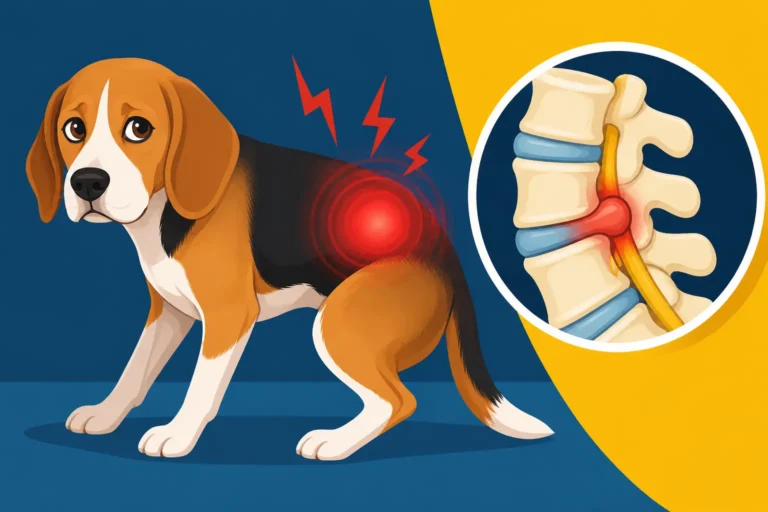
Our Beagles, with their slightly longer backs in proportion to their leg length, are particularly susceptible to certain orthopedic and neurological issues that can be worsened by frequent jumping. Think about the way their spine flexes and extends on impact – it’s not always a gentle motion. This breed can be prone to conditions like intervertebral disc disease (IVDD), where the discs between the vertebrae become damaged and can even rupture, causing pain, weakness, or even paralysis. Every hard landing or awkward twist from a jump can put undue pressure on these delicate discs. You might not see it immediately, but the cumulative effect is what we need to worry about. Protecting their spine is paramount, and you can learn more about how to do this in our article on Beagle Disc Disease and That Slightly Long Back.
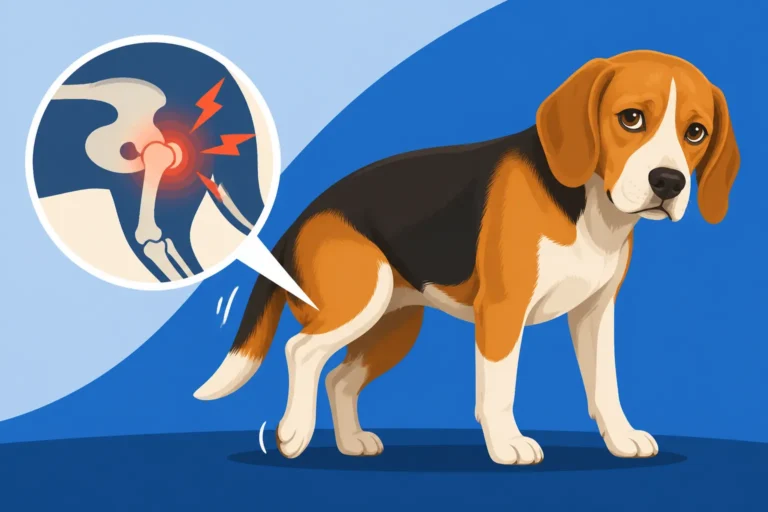
Beyond the spine, Beagles are also susceptible to issues affecting their joints. Conditions like Beagle Hip Dysplasia and Everyday Joint Wear and Beagle Arthritis Arriving in Middle Age can make jumping increasingly painful and dangerous. Even if your Beagle isn't showing signs yet, proactive measures can prevent or delay the onset of these problems. A healthy, active Beagle wants to keep moving, and minimizing impact helps them do just that for longer. Imagine the stress on a small set of knees and hips absorbing the entire weight of their body repeatedly throughout the day.
When Jumping Becomes a Clear Danger
While prevention is key, there are specific life stages and health conditions where jumping transforms from a potential long-term risk into an immediate danger. For instance, as our beloved companions transition into their golden years, Senior Beagle Care After the Age of Ten often involves managing arthritis or other degenerative joint diseases. What was once an easy hop onto the bed becomes a struggle, causing visible discomfort or even leading to injury from a misstep.
Furthermore, if your Beagle has already experienced a back injury, even a minor one, or has been diagnosed with a condition like IVDD, a single jump could trigger a severe setback. You might notice subtle changes, like Early Beagle Disc Signs Long Before Paralysis, which are often worsened by physical strain. Even seemingly minor injuries, like a muscle strain from an awkward landing, can lead to prolonged pain and recovery. Overweight Beagles face an even greater challenge, as How Extra Weight Raises Beagle Disc Pressure, making every jump a higher-impact event on already stressed joints and spines. Ramps offer a gentle, controlled alternative, allowing your Beagle to access their favorite spots without risking their well-being. Thinking ahead can save you from costly emergency vet visits and your Beagle from unnecessary pain, which can sometimes be covered by pet insurance providers like Healthy Paws.
Choosing the Perfect Ramp for Your Beagle's Bed
When it comes to allowing your Beagle safe access to your bed, a well-chosen ramp can be a game-changer. It’s not just about getting them up there; it’s about providing a stable, comfortable, and intuitive path that they’ll actually want to use. The market is full of options, and knowing what to look for can make all the difference.
Key Considerations for Bed Ramps
The ideal bed ramp for a Beagle needs to strike a balance between height, incline, stability, and surface. First, height is critical. Measure the distance from the floor to the top of your mattress. The ramp needs to reach this height comfortably, without creating too steep an incline. A good rule of thumb is to look for ramps that are at least 30-36 inches long for a standard bed height (around 24-28 inches), to ensure a gentle slope. For Beagles, a shallower incline is always better to reduce strain on their back and legs.
Stability cannot be overstated. A wobbly ramp will deter your Beagle and could even cause an injury. Look for ramps with a wide base and sturdy construction materials like solid wood or high-quality plastic. Rubberized feet on the bottom of the ramp can prevent slipping on hard floors. The ramp should also sit flush against the bed, without any gaps that a paw could slip through.
The surface of the ramp is also vital for traction. Beagles, like many dogs, can be hesitant on slick surfaces. Opt for ramps with carpeted treads, rubber grip, or a sandpaper-like texture to provide secure footing. Some ramps even feature grooves or raised edges to further enhance grip. A smooth, shiny plastic ramp, while easy to clean, might be too intimidating or unsafe for your Beagle. Finally, consider aesthetics – while functionality is paramount, you might want a ramp that blends in with your bedroom decor. There are many stylish options available now that don't look like an eyesore.
Types of Bed Ramps and Their Features
Bed ramps come in various designs, each with its own set of advantages.
- Adjustable Height Ramps: These are incredibly versatile, as they allow you to change the ramp's height to match different beds or even furniture around your home. This is particularly useful if you move your bed or if your Beagle often visits other elevated spots. They often feature a telescoping design or multiple locking positions.
- Folding Ramps: While less common for permanent bedside use, folding ramps can be convenient if you need to store the ramp away during the day or take it with you when traveling. They prioritize portability, but you should still ensure they are sturdy enough when unfolded.
- Ramps with Built-in Storage: Some innovative bed ramps incorporate storage compartments underneath, which can be a fantastic space-saving solution for toys, leashes, or grooming supplies. This can be especially appealing for smaller living spaces.
Here's a quick comparison of popular bed ramp materials:
| Feature | Wood Ramps | Plastic Ramps | Foam/Carpeted Ramps |
|---|---|---|---|
| Durability | Very durable, can last for years | Moderately durable, can crack over time | Less durable, can wear out |
| Stability | Excellent, often heavy and solid | Good, but can be lighter and less grounded | Good, but can compress over time |
| Traction | Often carpeted or grooved for grip | Varies, look for rubberized or textured surfaces | Excellent, usually fully carpeted |
| Aesthetics | Can be stylish, blends with furniture | Modern, but can look less "furniture-like" | More utilitarian, focuses on comfort |
| Weight Capacity | High | Varies, check specs carefully | Usually sufficient for Beagles |
| Cleaning | Wipe wood, vacuum/spot clean carpet | Easy to wipe clean | Vacuum, spot clean |
| Price Range | Higher | Moderate | Lower to moderate |
When considering a ramp, think about your Beagle's specific needs. A ramp that's too steep or too flimsy won't be used, defeating the purpose. Investing in a good quality ramp now can potentially save you on future vet bills for conditions like Beagle Back Problems and Intervertebral Disc Disease, making it a worthwhile investment in their long-term health. Some pet insurance plans, like those from Healthy Paws, may even cover physical therapy if an injury does occur, but prevention is always the best medicine!
Selecting the Right Car Ramp for Road Trips and Adventures
Taking your Beagle on car trips is one of life's simple joys, but getting them safely in and out of the vehicle can be a major challenge, particularly for those with SUVs, trucks, or minivans. Just like with bed ramps, a dedicated car ramp can significantly reduce strain and protect your Beagle's joints, especially important for preventing injuries that could lead to conditions like Beagle Hip Dysplasia and Everyday Joint Wear.
Essential Features for Car Ramps
The primary consideration for a car ramp is portability and storage. Unlike a bed ramp, a car ramp needs to be easily maneuverable, foldable, or collapsible to fit into your vehicle's trunk or backseat. Look for ramps that fold in half, telescope, or even fold into compact steps. However, portability should not come at the expense of stability and weight capacity. Even a small Beagle can put significant force on a ramp, so ensure it can support their weight without bending or swaying. Check the manufacturer's specified weight limit; always choose one that exceeds your Beagle's weight by a comfortable margin.
Surface grip is even more crucial for car ramps, as they're used outdoors and can be exposed to wet weather, dirt, and mud. A non-slip surface, such as high-traction carpet, rubberized treads, or a grit-like texture, is paramount. This prevents slips and falls, which can be terrifying for your Beagle and potentially cause serious injuries.
Finally, consider the ramp's overall dimensions when extended. It needs to be long enough to create a gentle slope from your car's entry point to the ground. A good length will ensure your Beagle can walk up or down without having to take giant, uncomfortable strides. Also, ensure the width is adequate for your Beagle to feel secure, typically at least 15-18 inches wide. Some ramps feature raised edges to act as guardrails, providing an extra sense of security, which can be helpful for nervous Beagles. For more ideas on how to safely transport your Beagle and protect their back, consider our article on Car Ramps for a Beagle That Should Not Jump.
Different Styles of Car Ramps
Car ramps are designed with travel and varied vehicle types in mind.
- Folding Ramps: These are the most common type. They fold in half or into multiple sections, making them compact for storage. They often feature a carrying handle for easy transport. When unfolded, they provide a long, stable ramp.
- Telescoping Ramps: These ramps slide in and out, similar to an old-fashioned telescope. They offer adjustable length, which is fantastic for different vehicles or entry heights. They can be very compact when fully retracted.
- Bi-fold/Tri-fold Ramps: These are variations of folding ramps that collapse into two or three sections. They generally offer a good balance of length when extended and compactness when folded.
- Ramp/Stair Combinations: While not strictly ramps, some products convert from a ramp to a set of short, wide steps. These can be useful for Beagles who prefer steps over a ramp, or who struggle with the feeling of a long incline.
When purchasing a car ramp, consider where it will hook onto your vehicle. Many have a lip or rubberized end that rests securely on the car bumper or door frame, preventing it from slipping during use. Always test the ramp's stability and how it connects to your car before encouraging your Beagle to use it. A reliable car ramp is a fantastic investment in your Beagle’s long-term health, helping them avoid potential injuries and subsequent veterinary expenses. Many comprehensive pet insurance policies, such as those offered by Healthy Paws, can provide peace of mind should an unexpected injury occur, but careful planning with ramps can help prevent them in the first place.
Training Your Beagle to Use a Ramp
Even the most well-designed ramp won't do much good if your Beagle is hesitant or outright refuses to use it. Beagles are smart and food-motivated, but they can also be cautious about new things. Patience, positive reinforcement, and a step-by-step approach are key to successfully introducing a ramp into their routine.
The Gentle Introduction: Building Positive Associations
Start by placing the ramp in a neutral area, like your living room floor, without attaching it to the bed or car. Let your Beagle sniff around it, investigate it at their own pace. Don't force them. Their powerful 220 Million Receptors Behind a Beagle's Nose will tell them everything they need to know. Offer high-value treats near the ramp, then on the first step or flat part of the ramp. The goal is to create a positive association, where "ramp equals delicious rewards." Don't even ask them to walk on it yet; just reward them for being near it. Repeat this several times over short, fun sessions.
Once they're comfortable with its presence, start luring them with treats across the flat ramp. You can even place a treat a little further up, so they have to take one or two steps to get it. Praise them enthusiastically for any interaction with the ramp. If they're particularly hesitant, you might want to start with the ramp laid completely flat on the ground or with a very minimal incline. This helps them get used to the texture and feel of walking on it without the added challenge of height. Consider using a clicker if you already use one for training; it can mark the exact moment they do something you like, making the learning process even clearer for your Beagle.
Gradually Increasing the Incline and Destination
When your Beagle is confidently walking across the flat ramp, it's time to introduce the incline. Start by raising one end of the ramp just a few inches. This could be by resting it against a low ottoman or a small step. Continue to use high-value treats to lure them up and down the slight incline. Keep training sessions short and positive, ending on a high note. Never scold or force your Beagle onto the ramp, as this will only create negative associations and make future training much harder. If your Beagle shows any signs of fear or hesitation, go back a step and reinforce the comfort level at a lower incline.
Once they're comfortable with a slight incline, you can gradually increase the height until the ramp reaches your bed or car. Always supervise the first few times they use the ramp at its full height. Continue to use treats and praise generously. For car ramps, you might start by setting it up against a curb or a low porch step before moving to the car itself. Place toys or their favorite blanket at the top of the ramp, where it meets the bed or car, to make the destination even more appealing. Remember that this process might take several days or even weeks, especially for older Beagles or those with existing mobility issues. Consistency and patience will pay off, helping your Beagle confidently and safely access their favorite spots, and you'll be protecting their delicate back from unnecessary strain, potentially reducing the need for costly physical therapy in the future.
Disclaimer
The information provided in this article is for general informational purposes only and is not intended as a substitute for professional veterinary advice. Always consult with a qualified veterinarian for any health concerns or before making any decisions about your Beagle's care, diet, or exercise regimen.