Beagle Diabetes and Blood Sugar Control
Finding out your beloved Beagle has diabetes can feel like a punch to the gut. Suddenly, the carefree days of sniffing every blade of grass and begging for treats are overshadowed by terms like insulin, blood sugar curves, and constant vigilance. It’s a huge, often overwhelming, adjustment for both you and your furry friend. This guide is here to walk you through everything you need to know about managing Beagle diabetes, from understanding the diagnosis to navigating daily care and ensuring your companion lives a long, happy life.
Understanding Beagle Diabetes Mellitus
When your vet first says "diabetes," it can be a really scary moment. It sounds so serious, and in many ways, it is, but it's also a condition that, with dedication and proper care, can be very well-managed. Understanding what diabetes actually is in your Beagle is the first step toward taking control.
What is Diabetes in Beagles?
At its heart, canine diabetes mellitus is a metabolic disorder where your Beagle's body either doesn't produce enough insulin or can't properly respond to the insulin it does produce. Insulin is a critical hormone, secreted by the pancreas, that acts like a key, unlocking cells to allow glucose (sugar) from food to enter and be used for energy. Without enough effective insulin, glucose builds up in the bloodstream, leading to high blood sugar (hyperglycemia).
There are primarily two types of diabetes seen in dogs, though the vast majority of cases in Beagles fall into what's often referred to as "Type I" or insulin-dependent diabetes. This means the pancreas's beta cells, which are responsible for producing insulin, are destroyed, often by the dog's own immune system. Consequently, the dog cannot produce sufficient insulin on its own and requires daily injections to survive. "Type II" diabetes, more common in humans, involves insulin resistance where the body produces insulin but doesn't use it effectively. While this can occur in dogs, particularly obese ones, it's far less common for it to be the sole cause; often, it progresses to an insulin-dependent state. Regardless of the underlying mechanism, the common outcome is persistently high blood sugar, which can damage organs over time.
Why Beagles Are Prone to Diabetes
It feels unfair sometimes, doesn't it, when our Beagles seem to be susceptible to so many health issues? While diabetes can affect any breed, Beagles do show a slightly higher predisposition compared to some others, though not as pronounced as, say, Australian Terriers or Samoyeds. This heightened risk often boils down to a few interconnected factors that are particularly relevant to the breed.
One major contributing factor is genetics. While a specific "diabetes gene" hasn't been definitively pinpointed for Beagles, there's anecdotal evidence and some research suggesting that certain lines may carry a higher risk. If a breeder has a history of diabetes in their lines, it's a definite red flag. The second, and perhaps more controllable, factor is obesity. Beagles, with their insatiable appetites and strong food drive, are famously prone to packing on the pounds. We've all seen a Beagle with a little extra cushion, haven't we? Unfortunately, obesity significantly increases the risk of insulin resistance, even if it doesn't always directly cause full-blown diabetes. It puts extra strain on the pancreas, making it work harder, and can accelerate the development of the disease. Furthermore, age is a factor; diabetes is more commonly diagnosed in middle-aged to senior Beagles, typically between 7 and 10 years old. Hormonal conditions, like Cushing's disease or even repeated courses of steroid medications, can also trigger or worsen diabetes by increasing insulin resistance. It's also worth noting that unspayed female dogs have a higher risk due to hormonal fluctuations, particularly during their heat cycles. This is often why vets strongly recommend spaying unless you have a specific, responsible breeding plan, as it significantly reduces certain health risks.
Recognizing the Early Warning Signs
One of the hardest parts about canine diabetes is that the early signs can sometimes be subtle, or easily mistaken for other age-related changes or just "being a Beagle." However, being observant and knowing what to look for can make a huge difference in catching it early and starting treatment before complications set in.
The most classic and frequently noticed signs revolve around thirst and urination. You might suddenly notice your Beagle drinking enormous amounts of water – far more than usual. This is called polydipsia (PD). Naturally, if they're drinking more, they'll also be urinating more (polyuria or PU). You might find yourself refilling the water bowl constantly, or your house-trained Beagle might start having accidents indoors, even waking you up in the middle of the night to go out. The reason for this is that the excess sugar in their blood spills over into their urine, drawing water with it, making them thirsty. Another common, and often alarming, sign is unexplained weight loss. Despite eating ravenously, even more than usual (polyphagia), your Beagle might start to look thinner. This is because their cells aren't getting the glucose they need for energy, so the body starts breaking down fat and muscle instead. If you notice your Beagle's appetite suddenly seems boundless, yet they're losing weight, it's a huge red flag. Other signs can include lethargy, a general decrease in energy, and a duller coat. As the disease progresses, some Beagles may develop cataracts quite rapidly, leading to cloudy eyes and impaired vision. If you notice any combination of these symptoms, especially increased thirst and urination coupled with weight loss, don't delay – get your Beagle to the vet immediately.
Getting a Diagnosis and Initial Steps
Once you suspect something is off, or your vet raises concerns, the next stage is diagnosis and getting started with treatment. This part can feel like a whirlwind of information, but remember, your vet is your best ally in navigating this new territory.
The Diagnostic Process at the Vet
When you bring your Beagle in with suspicious symptoms, your veterinarian will likely start with a thorough physical examination and then move on to some key diagnostic tests. The primary goal is to confirm high blood glucose and glucose in the urine. A simple dipstick test of a urine sample (preferably collected at home first thing in the morning) will often show the presence of glucose, and sometimes ketones, which can indicate a more serious state called diabetic ketoacidosis.
Blood tests are crucial. Your vet will draw blood to measure your Beagle's blood glucose level. A single high reading might not be definitive, as stress can elevate blood sugar, but consistently high readings are highly indicative. To get a clearer picture of long-term blood sugar control, a fructosamine test is often performed. This test measures the average blood glucose level over the previous one to three weeks, giving a more stable snapshot than a single glucose reading. It helps differentiate between stress-induced hyperglycemia and true diabetes. Your vet may also run a complete blood count (CBC) and a biochemistry panel to check for other issues, such as infections or organ function, which can be affected by or complicate diabetes. If diabetes is confirmed, the relief of knowing what you're dealing with can be immense, even if the road ahead seems daunting.
Starting Insulin Therapy
For most Beagles with diabetes, insulin therapy is not just recommended, it's absolutely essential for survival and a good quality of life. This is the part that often causes the most anxiety for owners – the idea of giving injections daily. But trust me, it becomes second nature faster than you'd think.
Your vet will prescribe a specific type of insulin, often a modified porcine insulin like Vetsulin (Caninsulin in some regions) or sometimes a human insulin like Novolin N or Humulin N. They'll also determine the starting dose. Insulin needs to be refrigerated and handled gently; never shake it vigorously. Your vet or a vet tech will patiently show you exactly how to draw the insulin into an appropriate syringe and administer the injection. The good news is that insulin injections for dogs are subcutaneous, meaning they go just under the skin, usually in a loose fold on the back or side of the neck. The needles are incredibly fine, and most Beagles barely react, especially if you distract them with a treat. Consistent timing is key; insulin is typically given twice a day, usually every 12 hours, right after a meal. This timing helps the insulin work effectively with the glucose entering the bloodstream from food. Remember, this isn't a cure, but a management tool. Your Beagle will likely need insulin injections for the rest of their life, much like someone managing their own diabetes. For ongoing prescription costs, looking into options like pet insurance can really help manage these long-term expenses, and providers like Healthy Paws often cover chronic conditions diagnosed after enrollment.
The Importance of Dietary Management
Insulin therapy alone won't get you far without a well-structured diet. In fact, diet is one of the pillars of successful diabetes management in Beagles. Their strong food drive can make this challenging, but consistency is paramount.
The general dietary recommendations for diabetic Beagles typically involve a diet that is high in fiber and moderate in carbohydrates. Fiber helps to slow down glucose absorption, preventing sharp spikes in blood sugar after meals. Many veterinarians will recommend prescription diabetic diets, such as Purina Pro Plan Veterinary Diets DM or Hill's Prescription Diet w/d, which are formulated with the right balance of nutrients specifically for diabetic dogs. However, if a prescription diet isn't feasible or suitable for your Beagle for some reason, your vet can help you formulate a plan using commercially available foods, or even a home-cooked diet, though the latter requires careful nutritional balancing. What's even more critical than the specific brand of food is the consistency of feeding. Your Beagle needs to eat the same amount of food at the same times every day. This creates a predictable pattern for their blood sugar, allowing the insulin to work most effectively. Two meals a day, spaced 12 hours apart, perfectly coinciding with insulin injections, is the standard. Avoid free-feeding entirely. If your Beagle is used to gobbling their food down in seconds, using a slow feeder or puzzle bowl can help. Treats need to be factored into their daily calorie intake and chosen carefully; lean protein sources like cooked chicken breast or certain low-calorie vegetables (e.g., green beans) are usually good options. Remember, consistency is the name of the game when it comes to Measuring Beagle Food by Weight Rather Than Cups.
| Feature | Home Glucose Meter (e.g., AlphaTrak 2) | Continuous Glucose Monitor (CGM) (e.g., FreeStyle Libre) | Vet Lab Blood Glucose |
|---|---|---|---|
| Method | Small blood sample (ear prick) | Sensor applied to skin, reads interstitial fluid | Venous blood draw |
| Frequency | Multiple times daily | Continuous readings (sensor lasts 10-14 days) | As needed (diagnosis, curve) |
| Results | Immediate | Real-time via phone app | Hours to days |
| Accuracy | Good, species-specific meters best | Generally good, can lag behind blood glucose | Gold standard |
| Ease of Use | Requires owner training, minor discomfort for dog | Easy application (vet usually does), passive monitoring | Requires vet visit |
| Cost | Initial meter cost, ongoing strip cost | Higher initial cost (sensor), no strips needed | Vet visit + lab fees |
| Best For | Daily spot checks, owner confidence | Comprehensive view, minimizes stress for dog/owner | Definitive diagnosis, periodic checks |
Daily Management and Blood Sugar Control at Home
Once you've got the diagnosis and the initial treatment plan, the real work begins: integrating diabetes management into your daily life. It's a routine, but one that quickly becomes second nature.
Establishing a Consistent Routine
Consistency is truly the bedrock of managing canine diabetes. Beagles thrive on routine, and a diabetic Beagle absolutely depends on it. This means establishing fixed times for feeding, insulin injections, and even exercise. Ideally, your Beagle should be fed the same amount of food at the same time, twice a day, usually 12 hours apart. For example, 7 AM and 7 PM. Their insulin injection should follow immediately after they've eaten their meal. This synchronicity is vital because the food introduces glucose into the bloodstream, and the insulin then acts to help the body process it.
Even exercise should be somewhat consistent. While a Beagle's desire to follow a scent trail knows no bounds, sudden, intense bursts of activity followed by long periods of inactivity can throw off blood sugar levels. Aim for regular, moderate exercise sessions. For more on ensuring your Beagle gets enough activity, you can check out Exercise That Actually Burns Beagle Calories. Predictability helps your vet fine-tune the insulin dose and minimizes the fluctuations that can lead to complications. It will likely mean some adjustments to your own schedule, especially if you travel or have an unpredictable work life, but the stability it provides your Beagle is invaluable.
Monitoring Blood Glucose Levels
This is perhaps the most crucial ongoing task for a diabetic Beagle owner. Monitoring blood glucose is essential to ensure the insulin dose is correct and to catch any dangerous highs or lows. While your vet will perform blood glucose curves periodically, home monitoring empowers you to make small, informed adjustments and provides peace of mind.
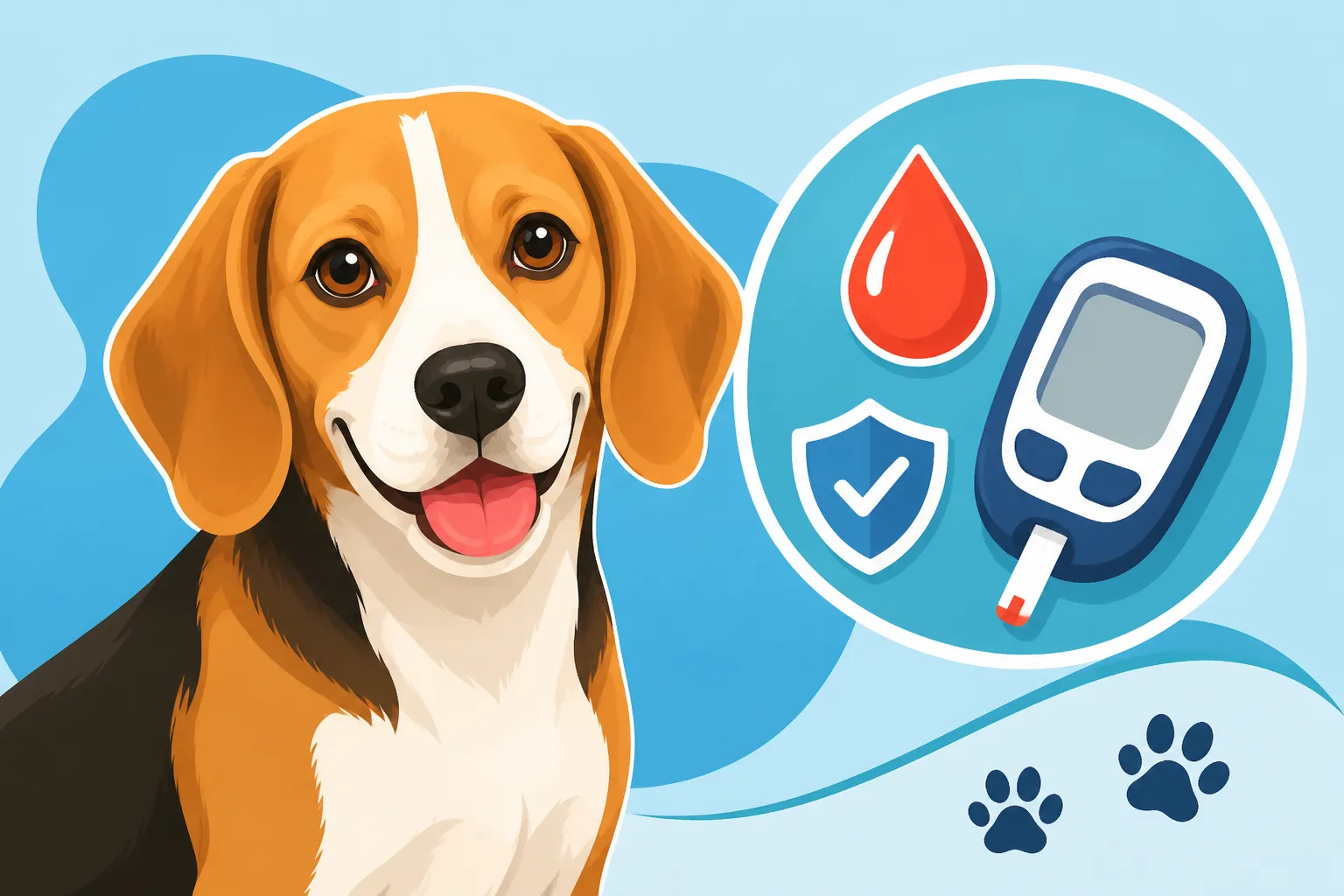
There are a few ways to monitor at home. The most common involves using a pet-specific blood glucose meter, like the AlphaTrak 2, which is calibrated for canine blood and provides more accurate readings than human meters. You'll need to obtain a tiny drop of blood, usually from your Beagle's ear flap, using a lancet pen. It might sound intimidating, but many owners quickly master the "ear prick" method. The key is often to warm the ear slightly beforehand (a warm washcloth works well) to increase blood flow, and to have a tasty treat ready immediately after. Regular spot checks, perhaps a couple of times a day initially, can help you understand how your Beagle's blood sugar responds to food and insulin. Another increasingly popular option is the Continuous Glucose Monitor (CGM), such as the FreeStyle Libre system. A small sensor is painlessly applied to your Beagle's skin (usually by your vet) and stays on for 10-14 days, providing continuous readings that you can scan with your phone. This gives a much more comprehensive picture of blood sugar trends throughout the day and night without repeated blood draws, which can be less stressful for both you and your Beagle. No matter the method, keeping a detailed log of food, insulin dose, glucose readings, and any observations about your Beagle's behavior is incredibly helpful for your vet. This allows for informed decisions regarding insulin adjustments, helping your Beagle maintain stable blood sugar.
Recognizing and Handling Hypoglycemia
While high blood sugar is the chronic problem in diabetes, dangerously low blood sugar, or hypoglycemia, is the acute emergency that every diabetic Beagle owner needs to be prepared for. It's less common with stable management but can happen due to an overdose of insulin, missed meals, or unusually strenuous exercise.
The signs of hypoglycemia can come on quickly and range from mild to severe. Early signs might include weakness, lethargy, confusion, unsteadiness, or a glazed look in their eyes. They might become restless, shiver, or even develop muscle tremors. In severe cases, they can have seizures, collapse, or lose consciousness. If you notice any of these signs, particularly if it's around the time their insulin is peaking, act immediately. The fastest way to raise their blood sugar is to offer something sugary that they can easily ingest. Options include corn syrup, maple syrup, or honey rubbed directly onto their gums. You can also give them a small, easily digestible meal if they're still able to swallow safely. Never force food or liquid if they are unconscious or seizing, as this can lead to aspiration. Even if they seem to recover quickly after the sugar, it's crucial to call your veterinarian right away. They'll need to assess the situation, perhaps check blood glucose, and likely advise on adjusting the insulin dose to prevent future episodes. Understanding and acting quickly on Beagle Emergency Signs That Cannot Wait Until Morning is critical for any pet owner, but especially one with a diabetic dog.
Long-Term Care and Potential Complications
Managing Beagle diabetes is a marathon, not a sprint. It requires ongoing vigilance and a proactive approach to prevent or address potential complications that can arise over time.
Managing Weight and Exercise
We've touched on this already, but it bears repeating: managing your Beagle's weight and ensuring appropriate exercise is absolutely paramount for diabetic control. For a breed like the Beagle, known for their love of food and boundless energy when pursuing a scent, this can be a delicate balance. Even a few extra pounds can significantly impact insulin effectiveness, making blood sugar harder to regulate. If your Beagle is overweight at diagnosis, safe and gradual weight loss, under veterinary guidance, will be a key part of their treatment plan. This typically involves precise portion control, a diabetic-friendly diet, and consistent exercise. To learn more about tackling weight issues, consider reading Beagle Obesity Treated as a Health Problem.
Exercise needs to be regular and predictable. While Beagles love a good run, especially if a rabbit trail is involved, extreme or irregular exercise can cause blood sugar fluctuations. Short, frequent walks at consistent times are better than one long, strenuous outing one day and none the next. A good 30-45 minute walk, twice a day, can be a great starting point for most adult Beagles, always on a leash, of course, to prevent them from bolting off on a scent. Puzzle toys and Sniffing Walks and Why They Tire a Beagle Out can provide mental stimulation and physical activity without extreme exertion. Always monitor your Beagle during and after exercise, especially initially, to see how it affects their blood sugar. Keep a sugary treat handy during walks in case of an unexpected dip in glucose.
Common Diabetic Complications
Unfortunately, chronic high blood sugar, even if managed, can lead to a host of other health issues over time. Being aware of these common complications allows you to look out for symptoms and seek early intervention.
One of the most frequent complications in diabetic dogs is the development of cataracts, which can lead to blindness. This happens because the excess glucose in the eye lens gets converted into sorbitol, which draws water into the lens, causing it to swell and become cloudy. While not painful, it can severely impact a Beagle's quality of life. There are surgical options to remove cataracts, but they are costly and not always an option for every dog. Another less common but serious complication is diabetic neuropathy, which can cause weakness, particularly in the hind legs. This often manifests as a "plantigrade stance," where the dog walks on its hocks (ankles) rather than just its toes. Diabetic dogs are also more prone to recurrent infections, especially urinary tract infections (UTIs) and skin infections, because high sugar levels create a favorable environment for bacteria and impair immune function. Regular urine checks are often recommended to catch UTIs early. Kidney disease can also be a long-term concern, as prolonged high blood sugar can damage the kidneys. It's why your vet will regularly check kidney function during routine bloodwork. For details on related health screenings, you might find Beagle Health Testing Under CHIC helpful.
Regular Vet Check-ups and Adjustments
Even with diligent home care, regular veterinary check-ups are non-negotiable for a diabetic Beagle. These appointments are crucial for monitoring their progress, adjusting insulin doses, and catching any potential complications early.
Initially, after diagnosis, your Beagle will likely need frequent vet visits to establish the correct insulin dose. This usually involves "glucose curves," where blood sugar is measured every 1-2 hours over a 12-hour period to see how the insulin is working throughout the day. It’s a bit of a process, but it provides invaluable data. Once stable, most diabetic Beagles need vet check-ups every three to six months, though your vet might recommend more frequent visits if there are any issues. These visits will include a physical exam, blood tests (including fructosamine to check long-term control), and urine tests. Your vet might also recommend specific tests to monitor for complications, such as eye exams for cataracts or blood pressure checks. Remember to bring your detailed home monitoring log to every appointment; it provides crucial insights your vet can use to fine-tune your Beagle's management plan. This ongoing partnership with your veterinary team is key to ensuring your Beagle receives the best possible care throughout their diabetic journey. For a broader understanding of care for aging Beagles, consider reading Senior Beagle Care After the Age of Ten.
The Financial and Emotional Impact of Beagle Diabetes
A diabetes diagnosis isn't just a medical event; it's a life-altering one that impacts every aspect of your life with your Beagle, including your wallet and your emotional well-being. It's okay to acknowledge these realities.
Understanding the Costs Involved
Let's be real: managing diabetes in a Beagle isn't cheap. It's a lifelong condition that requires ongoing supplies and veterinary care. The initial diagnosis phase can be quite costly, with multiple blood tests, urine tests, and potentially glucose curves to find the right insulin dose. This alone can run into several hundred dollars.
Then there are the ongoing monthly expenses. Insulin itself is a regular purchase, and the cost can vary depending on the type and brand prescribed, but it's typically $30-$100 or more per vial. You'll also need a steady supply of insulin syringes, which are relatively inexpensive but add up. If you choose to home monitor, you'll have the cost of the glucometer itself (often around $50-$100) and then the ongoing expense of test strips, which are not cheap – often $30-$50 for a pack of 50. If you opt for a Continuous Glucose Monitor (CGM), each sensor can cost around $70, and you'll need one every 10-14 days. Special diabetic prescription food also tends to be more expensive than standard kibble. On top of this, you have routine vet check-ups, which include exams and bloodwork (fructosamine, blood panels), costing $150-$300 per visit, several times a year. If complications arise, like cataracts requiring surgery or recurrent infections, these costs can skyrocket. It's a significant financial commitment, but one that ensures your Beagle's quality of life. For a general overview of pet expenses, you might want to look at The Lifetime Bill for a Beagle That Reaches Fifteen.
The Emotional Toll on Owners
Beyond the financial strain, a diabetes diagnosis can take a serious emotional toll. It's perfectly normal to feel overwhelmed, stressed, and even a little heartbroken when you learn your beloved companion has a chronic illness. The initial fear of giving injections, the worry about missing a dose, the constant concern over blood sugar levels – it's a heavy burden to carry.
Many owners experience guilt, wondering if they could have done something differently, perhaps managed their Beagle's weight better. Please know that diabetes in dogs is complex, and while obesity is a risk factor, it's often not the sole cause, and it's certainly not your fault. The commitment required for daily injections and careful monitoring can also feel isolating, especially if your social life or travel plans are impacted. It's okay to acknowledge these feelings. The good news is that with time, the routine becomes second nature, and the initial anxiety often gives way to confidence and a deep sense of accomplishment knowing you're providing your Beagle with the best possible care. Remember the joy your Beagle brings you, and focus on the positive impact your dedication has on their health and happiness.
Support Systems and Resources
You don't have to navigate this journey alone. There are numerous support systems and resources available to help you and your Beagle through the ups and downs of diabetes management.
Your veterinary team is your primary and most important resource. Don't hesitate to ask questions, no matter how small they seem. They're there to guide you through every step, from teaching you injection techniques to interpreting blood glucose readings. Beyond your vet, there are many online communities and forums dedicated to owners of diabetic dogs. These can be incredibly valuable for sharing experiences, asking practical questions, and finding emotional support from people who truly understand what you're going through. A quick search for "canine diabetes support group" on social media platforms will likely yield several active communities. Pet insurance can also be a huge help in mitigating the financial burden. Many reputable providers, such as Healthy Paws, offer plans that can cover a significant portion of the costs for chronic conditions like diabetes, especially if your Beagle was enrolled before the diagnosis. It’s definitely something to consider if you haven't already. Remember, a strong support network, both professional and personal, can make all the difference in successfully managing your Beagle's diabetes and ensuring a happy, healthy life together.
Disclaimer
The information provided in this guide is for general educational purposes only and should not be considered a substitute for professional veterinary advice. Always consult with a qualified veterinarian for any health concerns or before making any decisions related to your Beagle's medical care.