What a First Beagle Demands in Its First Year
Bringing home a new Beagle puppy is an incredibly exciting time, full of wagging tails and floppy ears. But let's be realistic: that first year can also feel like a whirlwind of new challenges, unexpected behaviors, and a steep learning curve for first-time owners. Many folks underestimate the specific demands of this merry little hound. This guide is here to walk you through exactly what your first Beagle will need from you, both emotionally and practically, during those critical first twelve months, helping you set the stage for a happy, well-adjusted life together.
Understanding the Beagle Temperament and Needs
When you welcome a Beagle into your life, you're not just getting a dog; you're inviting a piece of living history, a hound bred for centuries to follow a scent trail. This foundational purpose shapes so much of what makes a Beagle, well, a Beagle, and understanding these innate traits is the first step toward a successful first year. They aren't just cute; they come with a whole host of hardwired instincts.
The Unmistakable Scent Drive
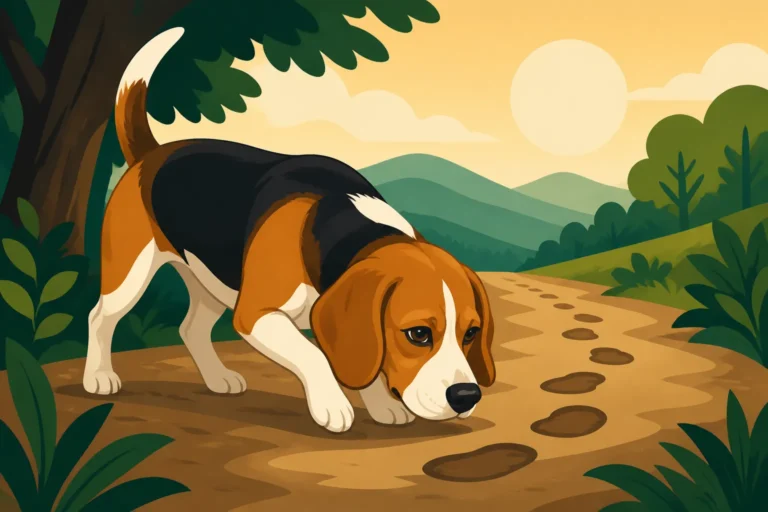
The most defining characteristic of a Beagle is undeniably its nose. These dogs were quite literally created to hunt by scent, pursuing rabbits and hare over long distances, ignoring everything else in their singular focus. For a first-time owner, this means recognizing that your Beagle will always, always prioritize a compelling scent over your voice, a squeaky toy, or even a piece of delicious chicken in your hand once that nose hits the ground. It's not defiance; it's simply what they were bred to do, and it's a powerful force.
Imagine you're walking your adorable Beagle puppy, and suddenly, its nose drops to the sidewalk, its tail starts flagging, and it's pulling with all its might towards a patch of grass. You might think it's being stubborn, but in its mind, it's just discovered the most fascinating novel in the world, written in smells. This instinct means every walk is an adventure for them, a constant exploration of their olfactory world. Allowing them to sniff and explore actually helps fulfill this innate need and can tire them out mentally, which is just as important as physical exercise.
This intense scent drive also means that their world can be full of irresistible temptations that you might not even notice. That leftover crumb under the couch, the faint trace of a squirrel in the backyard, or the scent of a dropped hot dog bun three blocks away – these are all prime targets. Understanding this will help you manage their environment, secure your trash cans, and keep a very close eye on them when outdoors. It’s part of their charm, but it's also their biggest "distraction." For a deeper dive, check out Training a Beagle Around 220 Million Scent Receptors.
Vocalizations and the Beagle Choir
Another hallmark of the Beagle breed is their distinctive vocalizations. They don't just bark; they bay and they howl, and these sounds are a fundamental part of how they communicate and express themselves, deeply rooted in their history as pack hounds. In a pack, these sounds helped hunters locate their dogs and signal the chase. For the modern pet owner, this can sometimes be a surprise, and even a challenge, especially if you live in close quarters or have sensitive neighbors.
A Beagle's bay is a loud, drawn-out, mournful sound, often described as a musical cry, distinct from a sharp bark. They might bay when excited, when they catch a strong scent, when they hear other dogs, or often, when they feel lonely or anxious. It's not uncommon for a young Beagle to develop a strong bay or howl during periods of separation, which can be heartbreaking to hear. They are, after all, pack animals who thrive on companionship.
Understanding that these vocalizations are deeply ingrained means that "training it out" entirely might be an unrealistic goal. Instead, the focus for a first-time Beagle owner should be on managing the triggers and teaching appropriate times for quiet. You'll need to learn the difference between a playful bark and an anxious howl. Tools and techniques that address the underlying cause of the vocalization, rather than just suppressing it, will be far more effective in the long run. If you're struggling with the noise, Beagle Howling, Baying and Barking Explained offers further insights.
Energy Levels and the Need for a Job
While Beagles might look like relatively small, cuddly dogs, don't let their size fool you. They are hounds with a surprising amount of stamina and require a significant amount of exercise and mental stimulation to be truly content. A bored Beagle is often a destructive Beagle, or one prone to excessive vocalizations and escape attempts. In their first year, their energy levels can seem boundless, and channelling this energy positively is crucial.
Simply letting a Beagle run around a backyard, even a large one, isn't enough. They need purposeful activity that engages their keen intellect and incredible nose. Think beyond just physical exertion; mental enrichment is just as vital. Daily walks that allow for ample sniffing opportunities, interactive puzzle toys, and engaging in scent work games are excellent ways to satisfy their primal instincts. Without an outlet, they will find their own "job," which might involve excavating your garden, counter surfing for snacks, or vocalizing endlessly.
Many first-time Beagle owners are surprised by how much exercise their puppy truly needs. They aren't content with a quick trot around the block. Often, they need at least an hour or two of active engagement daily, broken into sessions. This isn't just about preventing destructive behavior; it's about fostering their overall well-being and ensuring they are tired enough to relax peacefully at home. Remember, a tired Beagle is usually a good Beagle.
Training and Socialization Foundations
The first year is a critical window for training and socialization. For a Beagle, with its strong instincts and sometimes selective hearing, this phase requires consistency, patience, and a deep understanding of their unique motivations.
House Training and Crate Training
House training a Beagle can be a journey, often longer than with some other breeds, due to their easily distracted nature. They are so engrossed in their scent world that they can forget they need to "go" until it's an emergency. Establishing a strict routine from day one is paramount. Frequent trips outside – every hour or two for a young puppy, after waking, after eating, and before bed – are absolutely essential. Celebrate successes enthusiastically with high-value treats and praise.
Crate training goes hand-in-hand with house training and is often a lifesaver for Beagle owners. Beagles, being pack animals, often take well to a den-like space, seeing it as their safe haven. A crate provides a secure place for them when you can't supervise directly, preventing accidents and destructive chewing. Introduce the crate positively, making it a comfortable, inviting space with soft bedding and perhaps a special toy. Never use it as punishment. Many find that a comfortable dog bed from Chewy makes the crate an even more inviting spot.
The goal is to teach your Beagle that the crate is their personal room, not a jail. Gradually increase the time they spend in it, always associating it with positive experiences. This not only aids in house training by preventing them from soiling their den but also helps them learn to settle and be comfortable alone, which can be crucial in preventing separation anxiety later on. Consistency is key here; every slip-up is a step backward, so vigilant supervision and routine are non-negotiable.
Leash Manners and Recall Challenges
Given their powerful nose, leash training and recall are two of the biggest hurdles for first-time Beagle owners, and they require dedicated effort throughout the first year and beyond. A Beagle on a scent trail will pull, and pull hard. Starting early with loose-leash walking is vital. Use a comfortable, well-fitting harness – a front-clip harness can be especially effective for Beagles who are strong pullers, as it redirects their momentum.
Teaching a reliable recall is arguably the most important command for a Beagle's safety. Because their nose can lead them miles away, and they have little road sense when focused on a scent, an off-leash Beagle is a high-risk Beagle. Start recall training in a quiet, distraction-free environment, using high-value treats as a reward. Gradually introduce more distractions as they improve, but understand that achieving 100% reliable recall when a strong scent is present is exceedingly difficult, if not impossible, for many Beagles.
For this reason, many Beagle owners opt for long lines in securely fenced areas or specialized dog parks rather than allowing full off-leash freedom. It’s a realistic approach to a breed that has such an overpowering instinct. Patience is paramount, and celebrating small victories will keep you motivated. Never get discouraged if your Beagle seems to "forget" its training when a rabbit crosses its path – it's just being true to its heritage. You can find more targeted advice in Beagle Recall and Why Your Voice Stops Registering.
Early Socialization and Puppy Nipping
Socialization is incredibly important for any puppy, but for Beagles, who are inherently pack animals, it's about teaching them appropriate interactions with the wider world. During their first year, expose your Beagle puppy to a wide variety of sights, sounds, people, and other friendly, vaccinated dogs in a positive and controlled manner. Puppy classes are an excellent resource, providing structured socialization opportunities and teaching you how to communicate effectively with your new companion.
Puppy nipping and mouthing are normal behaviors for young Beagles, but they need to be redirected gently and consistently. They explore the world with their mouths, and as part of a litter, they learn bite inhibition through play with their siblings. When they come home, you become their teacher. Always have appropriate chew toys on hand and redirect their nipping towards these items. Yelp loudly if they nip too hard, then withdraw attention for a moment, mimicking how a littermate might react.
A well-socialized Beagle is generally friendly, curious, and confident, less likely to develop fear-based aggression or anxiety later in life. Remember that socialization isn't just about meeting other dogs; it's about positive exposure to car rides, different floor surfaces, loud noises, children, and people in hats or uniforms. The broader their positive experiences in that first year, the more resilient and adaptable they will become. What to Teach a Beagle Puppy Before It Finds Its Nose delves into crucial early lessons.
Essential Care and Routine Establishment
Establishing consistent care routines from day one is fundamental to your Beagle's health and happiness in its first year and beyond. These routines cover everything from what goes into their bowl to how often their floppy ears need attention.
Nutrition and Managing the Beagle Appetite
Beagles are notoriously food-motivated, and their appetite can seem endless. This trait, while incredibly useful for training, also means that managing their diet and weight is a lifelong commitment. In their first year, puppies grow rapidly and have specific nutritional needs. You'll need to feed a high-quality puppy food, specially formulated for growth, following the guidelines provided by the manufacturer or your veterinarian. Portion control is critical; free-feeding a Beagle is a recipe for an overweight dog.
As they transition from puppyhood to adolescence, their caloric needs will change, and you'll typically switch to an adult formula. Again, accurate measuring of food portions is crucial. Using a slow feeder or puzzle bowl, readily available from retailers like Chewy, can help prevent them from gobbling their food too quickly, which can reduce the risk of digestive upset and, in larger or deep-chested breeds, the serious condition of bloat.
It’s also important to be mindful of treats. While fantastic for training, treats contribute to daily caloric intake. Choose small, low-calorie options, and factor them into your Beagle's overall diet. Regular weight checks at home and during vet visits will help ensure your Beagle stays at a healthy body condition. An overweight Beagle faces higher risks for many health issues, including Beagle Hip Dysplasia and Everyday Joint Wear and Beagle Back Problems and Intervertebral Disc Disease. For more on early feeding, refer to Feeding a Beagle Puppy Before the Food Drive Sets In.
Here's a quick reference for typical feeding stages:
| Age of Beagle Puppy | Meals Per Day | Type of Food | Focus |
|---|---|---|---|
| 8-12 Weeks | 3-4 | High-quality puppy kibble | Consistent schedule, gentle transition |
| 3-6 Months | 3 | High-quality puppy kibble | Monitoring growth, portion control |
| 6-12 Months | 2-3 | High-quality puppy kibble | Gradually reducing meals, preparing for adult food |
| 12+ Months | 2 | High-quality adult kibble | Maintaining ideal weight, consistent portions |
Note: These are general guidelines; always consult your vet for specific recommendations based on your individual Beagle's needs and activity level.
Grooming and Health Maintenance
While Beagles have a relatively low-maintenance coat, their grooming routine is still essential in their first year. Their short, dense double coat does shed, especially seasonally, so regular brushing – a few times a week – helps to remove loose hair and keep their skin healthy. A rubber curry brush or a slicker brush works well for their coat type.
One area that demands particular attention for Beagles is their ears. Those long, floppy ears are adorable, but they also create a warm, moist environment that is perfect for yeast and bacterial infections. Weekly ear cleaning is not just recommended; it’s a non-negotiable part of Beagle care. Use a vet-approved ear cleaning solution and cotton balls, never cotton swabs, to gently clean the visible parts of the ear canal. Watch for redness, odor, or excessive scratching, which could signal an infection. For detailed instructions, see Beagle Ear Cleaning as a Weekly Job.
Beyond grooming, establishing a routine for health maintenance is vital. Your Beagle puppy will need a series of vaccinations in its first few months, followed by regular deworming and year-round parasite prevention for fleas, ticks, and heartworms. Regular vet check-ups are also crucial for monitoring growth, discussing nutrition, and addressing any emerging health concerns. Many responsible breeders provide initial health checks and appropriate vaccinations. Always ensure your vet checks for common breed-specific issues.
Creating a Safe and Stimulating Environment
Your home is your Beagle's world, and during its first year, you need to make it as safe and stimulating as possible. "Beagle-proofing" is a real thing. Their keen nose and unwavering persistence mean they will investigate anything and everything that smells interesting, and often try to eat it. This means securing trash cans, keeping medications and toxic household chemicals out of reach, and ensuring no small objects are left on low surfaces or the floor that could be swallowed. Many first-time owners are surprised by what a Beagle can reach or how quickly they can snatch something.
Beyond safety, a stimulating environment is key to a happy Beagle. Providing a variety of appropriate chew toys, puzzle feeders, and opportunities for scent games will keep their minds engaged. Rotate toys regularly to keep them novel and exciting. Remember, a bored Beagle will create its own entertainment, which often manifests in destructive chewing, digging, or counter surfing. Robust toys from Chewy can withstand a Beagle's determined chewing.
Finally, consider the outdoor environment. A securely fenced yard is almost non-negotiable for a Beagle. They are escape artists driven by scent, and even a small gap or a low fence can be an invitation to adventure. Their digging instincts also mean you might need to reinforce fence lines. If you don't have a fenced yard, commit to consistent, leashed walks and finding safe, enclosed spaces for them to run and explore. This thoughtful preparation will minimize risks and maximize their well-being. Beagle Escape Artistry and How to Contain It can offer more guidance here.
Budgeting and Preparing for the Unexpected
Owning a Beagle is a deeply rewarding experience, but it comes with financial responsibilities that extend far beyond the initial purchase price. For first-time owners, understanding these costs upfront, especially in the first critical year, is essential for responsible pet ownership.
Initial and Ongoing Financial Commitments
The initial cost of a Beagle puppy from a reputable breeder is just the tip of the iceberg. In the first year, you'll face a host of expenses. This includes the initial adoption or purchase fee, which can vary widely. Then there are the supplies: a crate, food and water bowls, a comfortable bed, collars, harnesses, leashes, and a generous assortment of durable toys. Retailers like Chewy can be a great resource for stocking up on these essentials.
Veterinary care is another major component of early costs. As mentioned, puppies require a series of vaccinations, deworming, and typically a spay or neuter surgery, all within that first year. These preventative care costs are significant but absolutely vital for your puppy's long-term health. Don't forget monthly flea, tick, and heartworm prevention, which are ongoing expenses. You'll also need to budget for high-quality puppy food, which will gradually transition to adult food, and training treats.
Beyond these basics, consider training classes. Puppy kindergarten and basic obedience classes are invaluable for a first-time owner, helping you build a strong foundation with your Beagle and navigate common challenges like leash pulling and recall. These classes typically involve a fee per session or course. Setting aside a contingency fund for unexpected costs, even in the first year, is a very smart move. For a detailed breakdown, see The First Month Cost of a Beagle Puppy.
Handling Health Concerns and Emergencies
Despite your best efforts, sometimes health issues arise, and preparing for these possibilities, especially for a first-time Beagle owner, can alleviate a lot of stress. Beagles, like all breeds, are prone to certain conditions. In their first year, these might include ear infections (due to those wonderful floppy ears), allergies that manifest as skin issues or itching, or even common puppy ailments like gastrointestinal upsets from eating something they shouldn't have.
One crucial consideration is pet insurance. Investing in a good pet insurance policy early in your Beagle's life, ideally before any pre-existing conditions are diagnosed, can be a financial lifeline if a major illness or accident occurs. While there's a monthly premium, it can significantly offset the cost of unexpected vet bills, especially if your Beagle needs emergency care or ongoing treatment. Research different providers and plans to find one that fits your budget and offers comprehensive coverage. Beagle Pet Insurance and What It Runs a Month explores this topic in more detail.
Being prepared also means knowing what constitutes a veterinary emergency for a Beagle. Swallowing foreign objects, persistent vomiting or diarrhea, lethargy, sudden lameness, or any signs of pain warrant immediate veterinary attention. Keep your vet's emergency number, as well as the number for a 24-hour emergency clinic, handy. Proactive care, like regular check-ups and maintaining a healthy weight, is the best defense, but having a plan for the unexpected provides peace of mind.
Disclaimer
This article is for general informational purposes only and does not constitute professional advice. Laws, prices and regulations vary by location and change over time. Consult a qualified professional for guidance on your specific situation.