The Beagle Temperament the Standard Requires
Many prospective Beagle owners are drawn to their adorable looks and compact size, but they often wonder what kind of personality they're truly bringing into their home. Understanding "the Beagle temperament the standard requires" can clear up a lot of misconceptions, helping you prepare for the lively, affectionate, and sometimes challenging companion a Beagle truly is. This guide will walk you through the official breed characteristics and how they translate to daily life, giving you a realistic picture of this beloved hound.
Understanding the Breed Standard's View of Temperament
The breed standard isn't just about looks; it's a blueprint for the ideal Beagle, including its character. For Beagles, temperament is absolutely critical, reflecting their long history as pack hounds. It describes a dog that is built for work, but also for companionship. When you look at what the standard outlines, you see a clear picture of a dog that is generally happy, stable, and eager to please – on its own terms, of course!
The Merry, Even-Tempered Hound
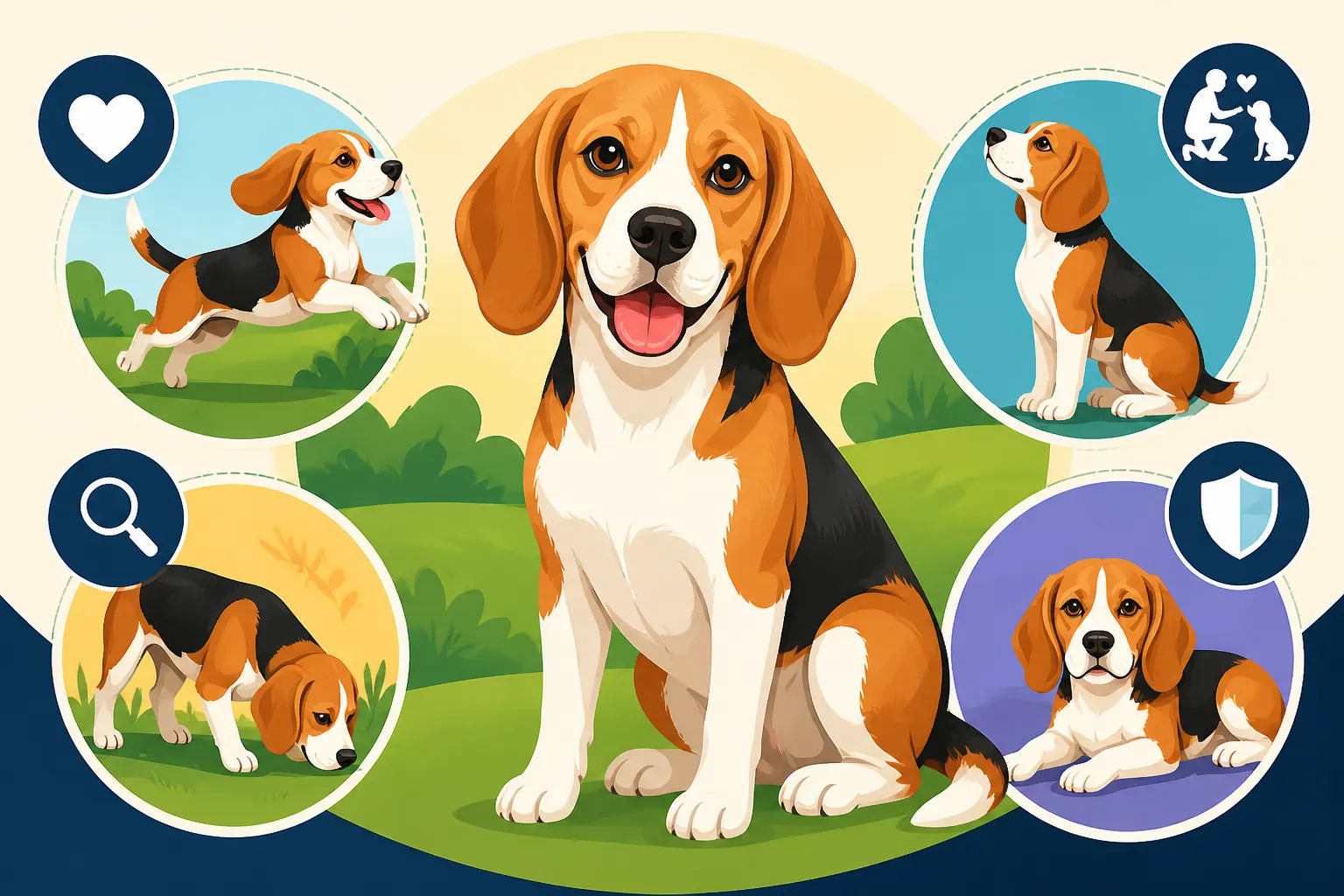
The most famous descriptor for the Beagle's temperament in the standard is "merry." This isn't just a quaint old-fashioned word; it really encapsulates their often joyful, boisterous, and upbeat disposition. A merry Beagle is one that approaches life with enthusiasm, a wagging tail, and an inquisitive nose. They're typically quite friendly and outgoing, both with their own families and with strangers. This isn't a reserved, standoffish dog; quite the opposite. They thrive on interaction and being part of the action.
Beyond merry, the standard emphasizes an "even temperament." This means they should be stable and predictable, not prone to sudden aggression or extreme shyness. While every dog has its quirks, a well-bred Beagle should generally cope well with new situations, people, and other dogs without undue stress or reactivity. This inherent calm, when not overridden by scent distractions, makes them wonderful family pets, capable of handling the hustle and bustle of a busy household. They are usually quite resilient and don't get easily flustered once they're accustomed to their environment and routine.
Courage and Lack of Belligerence
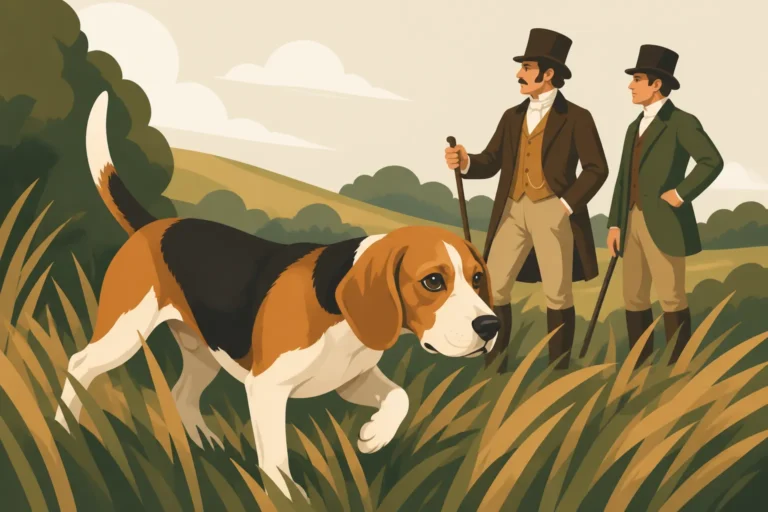
A Beagle's hunting heritage also dictates traits like courage and a distinct lack of belligerence. In a hunting pack, individual dogs needed to be brave enough to follow a scent through dense brush, over obstacles, and even into tight spaces without hesitation. This courage translates into a certain fearlessness in the modern pet Beagle. They're often bold explorers, eager to investigate new smells and environments, which can sometimes lead them into tricky situations if not properly supervised. This courage, however, is distinct from aggression.
The standard specifically calls for a "total absence of belligerence." This is crucial for a dog bred to work closely in a pack with other hounds, and it extends to their interactions with humans. Beagles are not typically fighters; they are generally good-natured and tolerant. While they will certainly stand up for themselves if truly threatened, their primary mode of interaction is usually social and friendly. This makes them less prone to dog-on-dog aggression than some other breeds, especially when properly socialized from a young age. This trait is a huge part of why the breed often suits families, as they tend to be forgiving and patient companions. Beagles With Children and With Other Dogs are often a delightful combination, provided both are taught how to interact respectfully.
How Temperament is Judged in the Ring
When a Beagle is presented in the show ring, judges are not just looking at its physical conformation; temperament is also under scrutiny. A judge wants to see a dog that is confident, alert, and cooperative. The Beagle should stand squarely and allow itself to be examined without undue fear or aggression. While a certain level of excitement or curiosity is expected, particularly in a young Beagle, overt shyness, cowering, snapping, or barking excessively would be serious faults.
The "merry" disposition should be evident in the dog's demeanor – a happy, tail-wagging approach to being handled by a stranger. This isn't just for aesthetics; it speaks to the underlying stability and soundness of the dog's character. A truly well-tempered Beagle will take the examination in stride, perhaps offering a lick or a curious sniff, before moving on. Any signs of nervousness or aggression indicate a deviation from the desired standard, as these traits would be detrimental to their historical role as a companion and hunting hound, and certainly not ideal for a family pet. It's a testament to the breed's foundational purpose that temperament is so clearly weighted in the judging process.
Translating Standard Temperament to Everyday Life
Knowing what the breed standard states is one thing, but understanding how those traits actually play out in your home is another. The Beagle's genetic makeup, honed over centuries for specific tasks, means they come with a set of inherent behaviors that owners need to appreciate and manage. It's about working with their natural instincts, not against them.
The Beagle's Drive and Determination
If there's one word that defines a Beagle's internal compass, it's "drive." Specifically, a scent drive. The breed standard implicitly praises the Beagle's keen nose and unwavering focus on a trail, and this trait is incredibly strong in every pet Beagle you'll meet. This means your Beagle will approach every walk, every backyard exploration, and every new environment with an intense desire to sniff and investigate. They are relentless once they pick up an interesting scent, sometimes seeming to "turn off" their hearing and visual awareness as they meticulously follow a trail. This isn't stubbornness in the human sense; it's their prime directive. Training a Beagle Around 220 Million Scent Receptors requires understanding this profound drive.
This determination, while charming in its single-mindedness, can also be a challenge. It's why "Beagle recall" is such a famously difficult command to master. When their nose is engaged, the world around them fades, including your voice. You'll often see them with their nose glued to the ground, pulling on the leash, utterly absorbed in the complex tapestry of smells. This inherent drive also applies to their food motivation – another aspect of their determination. They are incredibly food-focused, which can be a double-edged sword: great for training, but tough on your kitchen counters!
Social Nature with Humans and Other Dogs
The Beagle standard's emphasis on an "even temperament" and "lack of belligerence" shines brightly in their social interactions. Beagles are, at their core, pack animals. They thrive on companionship, whether it's with their human family or other dogs. This makes them excellent candidates for multi-dog households, and they generally adapt well to homes with children. They love being part of the family unit, often seeking out affection and playtime. They're rarely content to be left alone for long periods, as their pack instinct makes them crave company. This desire for connection means they can form strong bonds with their owners, becoming incredibly loyal and affectionate companions.
However, this strong social need also means they are prone to Beagle Separation Anxiety in a Pack Breed if not properly managed. A lonely Beagle is often an unhappy and destructive Beagle, resorting to howling, chewing, or other behaviors to cope with their distress. For many Beagle owners, providing ample social interaction, whether through daily walks, doggy daycare, or simply having family members home, is key to their well-being. This social drive also explains why they often greet strangers with a friendly wag rather than suspicion, making them less than ideal guard dogs, but wonderful greeters.
Adaptability and Resilience
The Beagle, as described by the standard, is a robust and hardy dog, built to withstand long days in the field. This physical resilience often translates into a mental adaptability. While they thrive on routine, Beagles can generally adjust to different living situations and changes in their environment, provided they have their core needs met – plenty of exercise, mental stimulation, and companionship. They can be happy in a variety of homes, from suburban houses with yards to apartments, as long as their owners commit to fulfilling their exercise and enrichment requirements. Beagles in Apartments Against Beagles in Houses is less about the space and more about the owner's commitment.
Their even temperament also contributes to their resilience. They tend to bounce back quickly from minor upsets or changes. If you have to change your routine, or if a new pet or person comes into the home, a well-adjusted Beagle will typically navigate these changes with relative ease, especially if given time and positive reinforcement. They aren't usually dogs that hold grudges or get stressed out by small deviations from the norm. This adaptability is one of their most endearing qualities, making them a consistent and cheerful presence in many households.
Common Misconceptions About Beagle Temperament
Despite the clear guidelines in the breed standard, Beagles are often misunderstood. Their unique blend of traits, so desirable in a hunting hound, can be perceived as flaws in a modern pet home. It's important to differentiate between genuine behavioral issues and behaviors that are simply characteristic of the breed's strong instincts.
The Scent-Driven Focus Versus Disobedience
One of the most common complaints about Beagles is that they are "stubborn" or "disobedient." Owners often feel ignored when their Beagle is hot on a scent trail, seemingly deaf to commands. However, this isn't usually a willful act of defiance. What looks like stubbornness is, in fact, an intense, genetically programmed focus on scent. When a Beagle's powerful olfactory bulb is engaged, the rest of the world truly fades into the background. Their brain is literally wired to follow that scent above all else. Why a Beagle Should Never Be Off Leash Unfenced is a lesson many owners learn the hard way because of this powerful drive.
This means that while a Beagle can absolutely be trained, and trained very well, you're always competing with millions of scent receptors. Training needs to be exceptionally engaging, consistent, and reward-based, often utilizing their incredible food drive. You can't simply expect a Beagle to override an ancient instinct on a whim. Understanding this distinction is key to successful training and a harmonious relationship. It’s not that they don't want to listen; it's that their natural wiring makes it incredibly difficult when a compelling scent presents itself. This is why tools like long lines and secure fencing are non-negotiable for Beagle owners.
Vocalizations as a Trait, Not a Flaw
Another common point of contention for Beagle owners, and often their neighbors, is their vocal nature. The breed standard doesn't explicitly mention "baying" as a temperament trait, but it's an inherent part of their hunting heritage. Beagles were bred to use their voices to alert hunters to the presence of game and to communicate their location while on a trail. This means Beagles have a distinctive range of vocalizations: barks, howls, and their signature "bay" – a long, drawn-out cry that carries far.
Many owners mistake this for excessive barking or a problem behavior, but it's simply how a Beagle expresses itself. While it can be managed and reduced through training and addressing triggers, you cannot train the bay out of a Beagle entirely. It's like trying to train a cat not to purr. Understanding Beagle Howling, Baying and Barking Explained is essential. They might bay when excited, lonely, hear sirens, or pick up an interesting scent. Expecting a silent Beagle is unrealistic. Instead, focus on understanding why they are vocalizing and providing appropriate outlets or redirection. Durable chew toys and puzzle feeders from reputable brands like Chewy can help occupy their minds and mouths.
Energy Levels and the Need for Engagement
The "merry" and active nature described in the standard means Beagles are dogs with considerable energy, particularly when young. They are not content to be couch potatoes without proper exercise and mental stimulation. Owners who underestimate their energy needs often find themselves with a destructive or restless Beagle. This isn't naughtiness; it's pent-up energy and an intelligent mind that needs a "job." Their historical role involved long hours of trailing, which translates to a need for consistent physical activity in a pet home.
Simply letting them out in the backyard isn't usually enough, as they'll likely just sniff around. They need engaging walks, opportunities for off-leash (in a securely fenced area) play, and mental enrichment activities like scent work games. A bored Beagle is almost guaranteed to find its own entertainment, which often involves chewing inappropriate items, counter-surfing, or digging. Providing daily structured exercise and mental challenges is crucial to channeling their energy productively and ensuring they are well-adjusted.
Cultivating a Well-Adjusted Beagle
Bringing a Beagle into your life is a commitment, but it's an incredibly rewarding one. By understanding and embracing their natural temperament, you can guide them to be the best companions they can be. It's all about proactive training, consistent boundaries, and plenty of opportunities for them to be themselves in a safe way.
Early Socialization and Exposure
Just like with any breed, early and positive socialization is paramount for a Beagle puppy. The standard calls for an even temperament, and proper socialization helps solidify this by building confidence and good manners. Expose your Beagle puppy to a wide variety of sights, sounds, people, and other friendly, vaccinated dogs from a young age. Puppy classes are fantastic for this, providing structured play and exposure in a safe environment.
Think about introducing them to different surfaces, car rides, people wearing hats, children of various ages, and the sounds of your daily life. The more positive experiences they have during their critical socialization window (roughly 3-16 weeks), the more resilient and adaptable they will be as adults. This helps ensure that their natural courage doesn't turn into fear or reactivity in new situations. Socializing a Beagle Puppy for Pack Life helps them understand how to interact appropriately and reinforces their inherent good nature.
Consistent Training with Positive Reinforcement
Training a Beagle requires patience, consistency, and a strong reliance on positive reinforcement. Given their high food drive, treats are often extremely effective motivators. Short, frequent training sessions are better than long, drawn-out ones, as Beagles can get bored quickly if not actively engaged. Focus on foundational commands like "sit," "stay," "come" (especially emergency recall), and "leave it," using high-value treats and praise.
Remember, their scent drive means you're often competing with powerful instincts. Never punish a Beagle for following its nose; instead, aim to make listening to you more rewarding than whatever scent they've found. Consider enrolling in obedience classes, and even specific scent work classes, which can be incredibly fulfilling for both you and your Beagle. Puzzle toys and interactive feeders can also extend meal times and provide mental stimulation. You can find a huge variety of these beneficial items on sites like Chewy.
Providing Outlets for Their Natural Instincts
The best way to manage a Beagle's strong temperament traits is to provide appropriate outlets for them. Their nose is their world, so make sniffing a part of their daily routine. Sniffing walks, where they are allowed to explore scents at their own pace (on a leash or long line in a safe area), are incredibly enriching and tiring for them. Consider Scent Work as the Job a Beagle Was Built For as a fantastic hobby, such as K9 Nose Work or tracking, which allows them to use their natural talents in a structured and fun way.
Their need for companionship means they shouldn't be left alone for excessively long periods. If you work long hours, consider a dog walker, doggy daycare, or even a second compatible canine companion to help mitigate loneliness. For their vocalizations, try to understand triggers. If they bark at the window, manage access or use opaque film. If they bay when bored, increase their exercise and mental stimulation. Providing plenty of durable chew toys, especially from brands known for quality like Chewy, can also satisfy their urge to chew and keep them occupied. Embracing their true nature, rather than fighting it, will lead to a happier, healthier Beagle and a more harmonious home.
Disclaimer
This article is for general informational purposes only and does not constitute professional advice. Laws, prices and regulations vary by location and change over time. Consult a qualified professional for guidance on your specific situation.