How Long Beagles Have Held a Top Ten Spot
It seems like everywhere you look, you spot a Beagle: those soulful eyes, that wagging tail, that unmistakable bay carried on the wind. If you've ever wondered why these charming hounds are so ubiquitous, it's not just a coincidence. Beagles have, for a remarkable stretch of time, consistently ranked among the most popular dog breeds in the United States, a testament to their enduring appeal. This guide will delve into the historical context of their popularity, explore the reasons behind their sustained presence in the top ranks, and explain what their consistent high standing means for both potential and current owners.
Understanding Breed Popularity Rankings
When we talk about a breed holding a "top ten spot," we're generally referring to rankings compiled by organizations like the American Kennel Club (AKC). These rankings are based on the number of individual dogs registered with the organization each year. It's a snapshot of what breeds people are actively acquiring and registering, offering a fascinating look at evolving tastes and preferences in canine companionship across the country.
What the AKC Registration Numbers Tell Us
The AKC has been tracking breed registrations for well over a century, providing a long-term historical database that few other organizations can match. When a breed consistently registers high numbers, it signifies several things. First, it means there’s a strong demand for that particular breed. People are actively seeking them out from breeders, whether for show, sport, or simply as beloved family pets. Second, it suggests that the breed possesses qualities that resonate widely with the public. It's not just a fleeting trend; it’s a sustained affection for what that breed offers. This steady demand also means a robust breeding community, which ideally translates into a greater availability of well-bred puppies, though vigilance is always required to ensure you're working with a responsible breeder.
For Beagles, their consistent high ranking speaks volumes. It tells us that year after year, new families are choosing this breed, and previous Beagle owners are often choosing them again. It’s a powerful endorsement from the public, reflecting satisfaction with the breed's temperament, size, and overall suitability for a variety of lifestyles. These numbers aren't just statistics; they represent countless homes filled with the joyful presence of a Beagle.
The Dynamics of Popularity Shifts
Breed popularity isn't static. It's a dynamic landscape influenced by everything from movies and television shows to lifestyle changes and even perceptions about health and temperament. A breed might surge in popularity after appearing in a hit film, or decline as people become more aware of specific health challenges or training needs. However, some breeds, like the Beagle, exhibit a remarkable stability within the top echelons.
While some breeds might experience meteoric rises and falls, the Beagle has often stayed within a relatively narrow range at the top, typically floating between the 5th and 10th positions for many decades. This indicates a deeply ingrained appeal that isn't easily swayed by passing fads. Their enduring presence highlights a fundamental compatibility with the American household, demonstrating that the qualities that made them beloved generations ago still hold true today. It means their appeal is rooted in something more substantial than momentary hype, often linked to their historical role and inherent characteristics.
The Beagle's Enduring Appeal: Why They Stay in the Top Ten
The Beagle isn't just popular; it's perennially popular. Their consistent presence among the top ten breeds for decades isn't accidental. It's a direct result of a combination of breed characteristics, historical roles, and their inherent ability to integrate into diverse family structures.
Temperament and Family Suitability
One of the most significant factors in the Beagle's sustained popularity is their delightful temperament. They are often described as "merry," and it's a fitting description. Beagles are typically good-natured, affectionate, and even-tempered, making them wonderful companions for families with children and other pets. They thrive on companionship and are happiest when they are part of the family's daily activities. This gregarious nature means they often adapt well to various household dynamics, from bustling homes with active kids to quieter ones with dedicated owners.
Their generally amiable disposition also makes them less prone to aggression than some other breeds, a huge plus for families seeking a safe and reliable pet. They tend to be forgiving and resilient, bouncing back from minor upsets with that characteristic tail wag. While they do have their hound-y quirks—like following their nose wherever it leads—their core personality is one of loving devotion and an eagerness to be involved. This makes them less intimidating for first-time owners who are looking for a loyal, manageable companion. You can learn more about their personality in Beagle Temperament and Why the Breed Suits Families.
Adaptable Size and Management
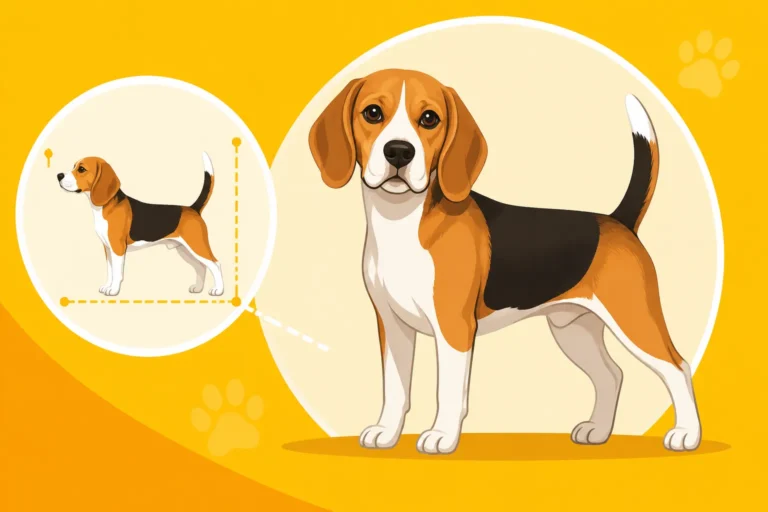
Beagles typically come in two size varieties: the 13-inch and the 15-inch, referring to their height at the shoulder. Both sizes are generally considered compact enough to fit comfortably into many homes, including apartments, provided they receive adequate exercise and mental stimulation. This manageable size, paired with their sturdy build, means they aren't overly delicate, which can be a relief for families with energetic kids. They're big enough to be a robust playmate but not so large as to be overwhelming in smaller living spaces.
Their relatively low grooming needs (beyond regular ear cleaning for those long, floppy ears) also contribute to their appeal. Their short, dense coat is easy to care for, only requiring a good brush a couple of times a week to manage shedding and keep it healthy. This practical aspect makes them a less time-intensive commitment in terms of daily care compared to long-haired or high-maintenance breeds. This combination of manageable size and straightforward care makes them a practical choice for many households, particularly those where time for extensive grooming might be limited. For those looking for grooming tools, many excellent options can be found on sites like Chewy.
Historical Role and Public Perception
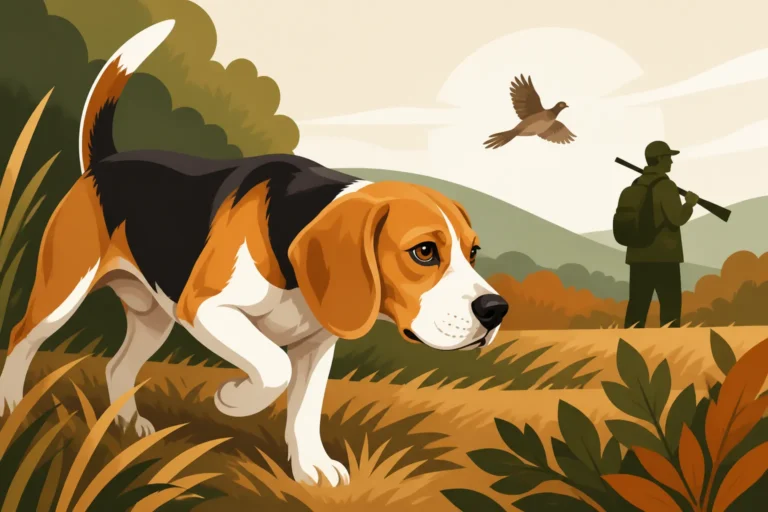
The Beagle's history as a scent hound, bred for hunting rabbits and hare in packs, has profoundly shaped its public image and inherent traits. This background as a working dog developed their intelligence, stamina, and that incredible nose, but it also cemented their reputation as hardy, eager-to-please, and friendly animals. They weren't bred to be aloof or aggressive but to work cooperatively in a group, traits that translate beautifully into family life.
Their portrayal in popular culture, most famously as Snoopy from the Peanuts comic strip, has also solidified their image as an intelligent, independent, and lovable character. This widespread cultural recognition creates a positive association with the breed, often making them a familiar and comforting choice for prospective owners. The Beagle Brigade, the agricultural inspection dogs at airports, further enhances this image, showcasing their intelligence and working ability in a friendly, approachable package. All these factors combine to create a deeply ingrained and positive perception of the Beagle in the public consciousness, ensuring their continued popularity. Dive deeper into their origins with The Beagle From English Rabbit Packs to American Homes.
Historical Trends and Notable Moments in Beagle Popularity
The Beagle's journey to becoming a consistent top ten breed is a story spanning over a century, marked by steady growth and enduring affection. While specific rankings fluctuate year by year, their consistent presence in the upper echelons is truly remarkable.
The Early Days of AKC Registration
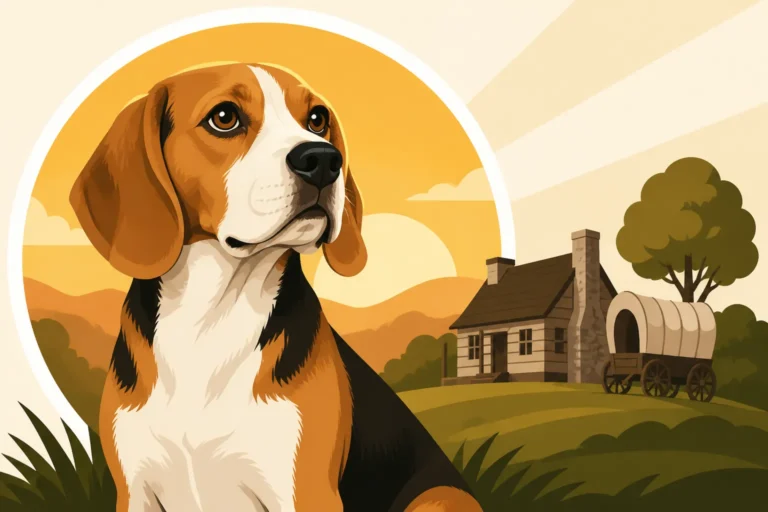
Beagles were officially recognized by the AKC in 1884, and their popularity quickly began to climb. In the early 20th century, as dog ownership transitioned from primarily working roles to more companion-focused relationships, breeds that offered versatility and good temperament started to gain traction. The Beagle, with its charming personality and manageable size, was perfectly positioned to appeal to this emerging demographic of pet owners.
By the 1930s and 40s, the Beagle had already established a strong foothold. Their robust nature and cheerful disposition made them ideal companions in a rapidly changing world, offering a sense of stability and joy. This foundational popularity, built on genuine connection and utility, set the stage for their sustained presence in the top rankings for decades to come. Unlike some breeds that burst onto the scene with a sudden, but short-lived, surge, the Beagle's rise was more organic and built on solid ground.
Decades in the Top Ten: A Consistent Presence
The Beagle has, for an impressive stretch, consistently ranked within the top 10 most popular breeds. They’ve often found themselves nestled comfortably between spots 5 and 10, a testament to their unwavering appeal. In fact, many long-time enthusiasts can recall the breed being a staple in these top spots for much of their lives. This isn’t a recent phenomenon but rather a historical pattern, demonstrating that for generations, Americans have found an undeniable connection with the Beagle.
Consider this: for almost 50 years, from the 1950s through the 1990s, Beagles were rarely outside the top five. They were the dog for a significant period. While other breeds have moved in and out of the top rankings with more volatility, the Beagle has been a steadfast presence, a familiar and beloved face among the most cherished breeds. This long-term stability is arguably more impressive than a brief stint at number one, as it speaks to a deep, widespread, and enduring love for the breed. If you're looking for supplements or specific foods that cater to a Beagle's needs throughout its long life, Chewy is a reliable place to start.
| Decade | Typical Beagle Popularity Range (AKC) | Notable Influences |
|---|---|---|
| 1910s-1920s | Top 20 – Top 15 | Post-war growth in pet ownership; recognized hunting dog versatility |
| 1930s-1940s | Top 10 – Top 5 | Depression-era comfort; adaptable family pet; hardy nature |
| 1950s-1960s | Top 5 – Top 1 | Post-war boom; rise of suburbia; "Snoopy" debuts; family-friendly image |
| 1970s-1980s | Top 5 – Top 10 | Continued family appeal; increased awareness of scent drive; steady demand |
| 1990s-2000s | Top 10 – Top 5 | Consistent demand for mid-sized, good-natured companions; The USDA Beagle Brigade at the Airport gains recognition |
| 2010s-Present | Top 10 – Top 5 | Enduring family appeal; social media presence; strong breeder base; continued work in scent detection |
Note: Specific rankings can vary slightly year by year within these general ranges.
Cultural Impact and Visibility
Beyond registration numbers, the Beagle's cultural impact has undoubtedly played a role in maintaining its top ten status. As mentioned, Snoopy, the iconic Peanuts character, catapulted the Beagle into the hearts and homes of millions worldwide. This portrayal as a loyal, imaginative, and endlessly endearing canine friend created a powerful, positive image that has resonated across generations. Many people's first exposure to a Beagle, or their conception of what a dog should be, was shaped by Snoopy. For an in-depth look at this phenomenon, check out Snoopy and the Beagle in American Culture.
Additionally, the role of Beagles in working capacities, such as the famous "Beagle Brigade" detector dogs used by the USDA at airports to sniff out prohibited agricultural products, further enhances their public image. These Beagles demonstrate intelligence, trainability, and a keen sense of smell, all in a non-threatening, friendly package. Seeing these dogs perform vital public service jobs reinforces the idea that Beagles are smart, capable, and good-natured. This continuous visibility, both in heartwarming fiction and vital real-world service, keeps the breed firmly in the public eye and reinforces their status as a beloved and respected canine.
What a "Top Ten" Ranking Means for You as a Beagle Owner
Understanding the Beagle's long-standing popularity isn't just an interesting historical fact; it has tangible implications for both prospective and current Beagle owners. It affects everything from the availability of puppies to the perception of the breed and the resources available to you.
Availability and Reputable Breeders
One of the most immediate benefits of a breed's high popularity is generally better availability of puppies. When a breed is in high demand, there tend to be more breeders. However, this also means you must be extra diligent to ensure you're working with a reputable breeder who prioritizes health, temperament, and ethical practices. A popular breed can attract "backyard breeders" or puppy mills looking to profit from demand without investing in proper care or genetic testing.
A responsible breeder will be transparent about their breeding practices, health testing (like for conditions discussed in Beagle Health Testing Under CHIC or Musladin-Lueke Syndrome and the Beagle DNA Test), and the lineage of their puppies. They'll also be a valuable resource for advice and support throughout your Beagle's life. While the sheer number of Beagles makes them easier to find, taking the time to seek out a responsible breeder is paramount to ensuring you bring home a healthy, well-socialized puppy. Don't rush into a purchase; good breeders often have waiting lists, which is a sign of their commitment and the quality of their dogs.
Breed Standard and Consistent Traits
When a breed maintains a high level of popularity over many years, it often indicates a strong adherence to the breed standard. Reputable breeders strive to produce dogs that conform to the established traits of the Beagle, both in appearance and temperament. This means that, for the most part, you can expect a Beagle to exhibit the core characteristics that have made them so beloved: their compact size, distinctive look, and that quintessential merry, inquisitive, and friendly personality.
Of course, individual personalities vary, and early socialization and training are crucial. But the consistency in breeding practices, driven by a stable and well-understood breed standard, provides a level of predictability. You're less likely to encounter extreme variations in temperament or physical characteristics that might appear in breeds undergoing rapid, uncontrolled surges in popularity. This means that a lot of the general advice and resources available for Beagles will generally apply to your own dog.
Resources and Community Support
The enduring popularity of the Beagle means there's a vast and active community of owners, enthusiasts, and breed-specific organizations dedicated to their well-being. This translates into a wealth of resources readily available to you. Need advice on training that distinctive Beagle nose? There are countless books, websites, and trainers specializing in hounds. Looking for breed-specific products, like slow feeders to manage that intense food drive, or durable toys for their energetic play? Retailers like Chewy often have entire sections dedicated to popular breeds, ensuring a wide array of options tailored for Beagles.
Furthermore, local and national Beagle clubs offer opportunities for training, showing, and simply connecting with other owners. This network can be invaluable for support, sharing experiences, and finding solutions to common Beagle challenges, such as their tendency to bay or their incredible scent drive. Whether you're a first-time owner learning the ropes or a seasoned Beagle enthusiast, this robust support system is a significant advantage of owning a consistently popular breed. It makes the journey of Beagle ownership a little less daunting and a lot more enriching.
Disclaimer
This article is for general informational purposes only and does not constitute professional advice. Laws, prices and regulations vary by location and change over time. Consult a qualified professional for guidance on your specific situation.