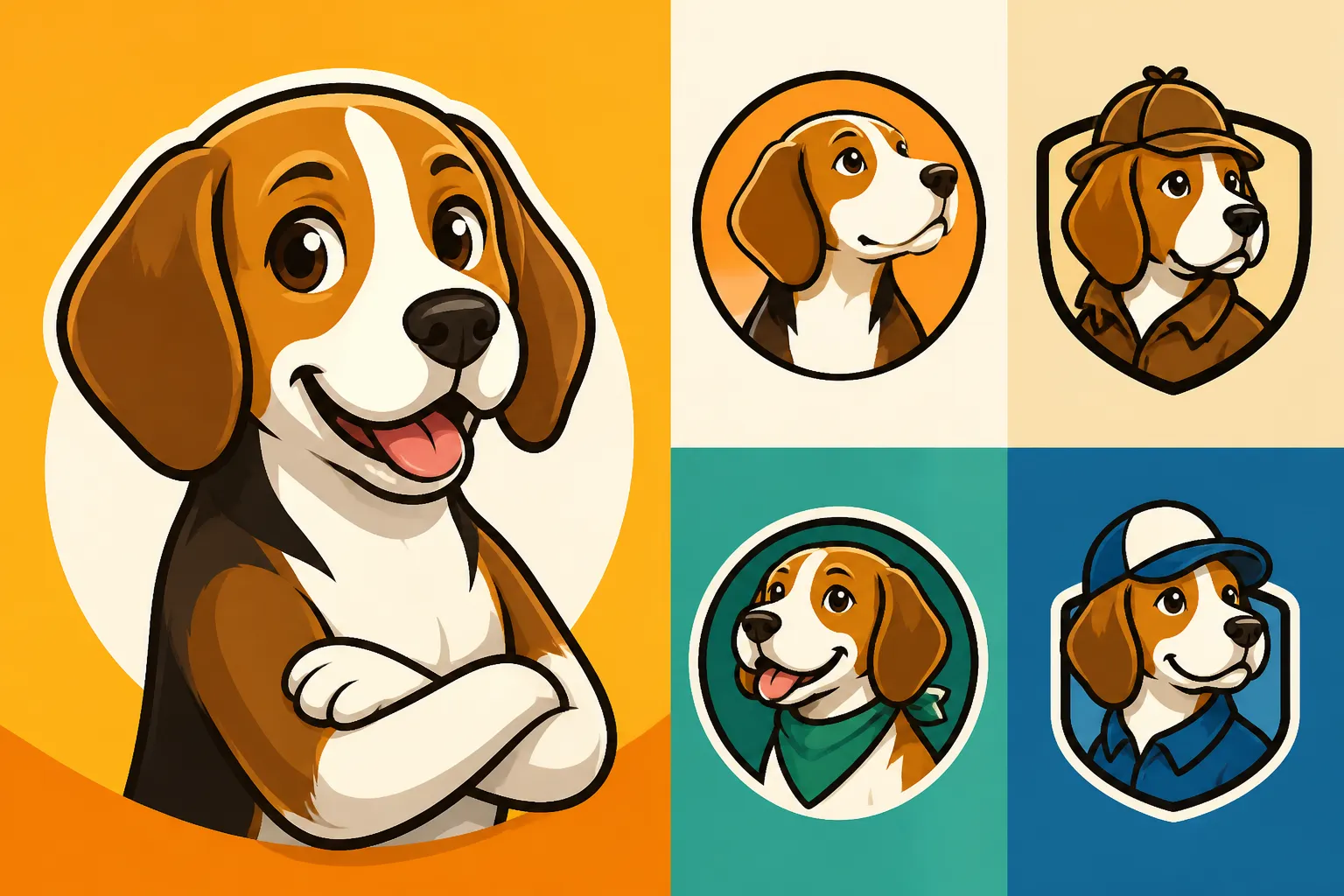
Beagle Logos and Brand Mascots
It’s a curious thing, isn't it? You're scrolling through social media or flipping through a magazine, and suddenly, there’s that unmistakable face – floppy ears, pleading eyes, and often a wagging tail. Beagles have a way of popping up everywhere, not just in our homes and hearts, but as the friendly faces of countless brands and companies. It makes you wonder what it is about this particular hound that makes them such a marketing darling. This guide dives deep into why Beagles have become such iconic figures in the world of branding, from their inherent charm to their widespread cultural impact.
Why Beagles Become Beloved Brand Mascots
There's a reason certain breeds transcend being just pets and become cultural touchstones, and Beagles certainly fit that bill. Their presence in advertising and branding isn't accidental; it's a carefully cultivated choice based on their inherent characteristics.
Their Universally Appealing Look
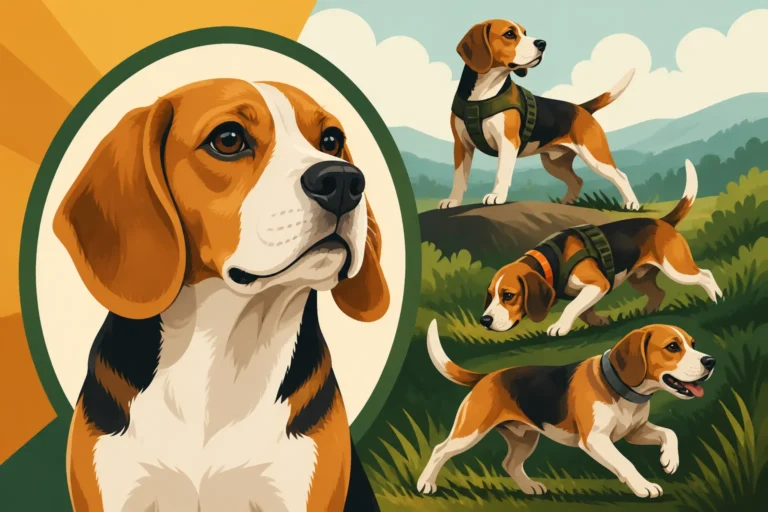
Let's be honest, Beagles are just inherently adorable. Those long, velvety ears that frame their expressive faces, their soulful brown eyes that seem to communicate directly with your heart, and that perpetually curious nose – it all adds up to a dog that's incredibly hard to resist. This aesthetic appeal is a goldmine for marketers. When a brand wants to convey warmth, friendliness, and approachability, a Beagle's face does half the work for them.
Think about it: their appearance isn't intimidating or overly specialized. They don't have the fierce look of some guard breeds or the delicate, high-maintenance aura of others. A Beagle looks like an "everydog" in the best possible way – familiar, trustworthy, and ready for an adventure. Their classic tricolor, lemon, or even blue tick markings are distinctive without being overly flashy, making them instantly recognizable. This universal cuteness factor means they appeal to a broad demographic, from children to seniors, making them a safe and effective choice for a wide array of products and services.
The Image of Loyalty and Family
Beyond just their looks, Beagles embody traits that humans instinctively connect with positive values: loyalty, companionship, and a strong sense of family. Historically, Beagles were bred to hunt in packs, fostering a natural inclination towards being part of a group. This pack mentality translates into a deep bond with their human families, making them excellent companions. When a brand features a Beagle, it subtly taps into these deeply ingrained perceptions.
A Beagle mascot often suggests that the brand itself is loyal, reliable, and family-friendly. It implies that the company stands by its customers, just as a Beagle stands by its people. This is especially potent for products aimed at families or those that emphasize long-term relationships. The playful yet devoted nature of a Beagle reflects a brand that is both fun and dependable, creating an emotional connection that goes beyond mere product features. This image is powerful, helping consumers feel a sense of trust and warmth toward the brand, much like they would towards their own beloved pet. Many people consider Beagles ideal family dogs, as highlighted in Beagle Temperament and Why the Breed Suits Families.
A Touch of Nostalgia and Whimsy
There's a certain timeless quality to Beagles. They evoke a sense of wholesome Americana, simpler times, and the unadulterated joy of childhood. This isn't just about cuteness; it's about the emotional resonance they carry. For many, a Beagle brings back memories of classic cartoons, beloved storybooks, or even a childhood pet. This nostalgic connection is incredibly valuable in marketing, allowing brands to tap into positive, comforting emotions.
Their often comical antics – the dramatic baying, the stubborn nose-to-the-ground focus, the way they bounce when excited – lend themselves perfectly to whimsical portrayals. A Beagle on a logo or in an advertisement can suggest a brand that doesn't take itself too seriously, embraces fun, and offers a delightful, perhaps even playful, experience. This sense of lightheartedness and enduring appeal helps a brand feel less corporate and more human, fostering a deeper, more affectionate bond with its audience. It’s a trick that has worked for decades, keeping Beagles relevant and charming across generations.
Famous Beagle Mascots Through the Years
When we talk about Beagles as mascots, one name undeniably springs to mind, but they've also made their mark in various other forms of branding and public recognition.
Snoopy: The Undisputed King
You simply cannot discuss Beagle mascots without giving due reverence to Snoopy. Born from Charles M. Schulz's "Peanuts" comic strip, Snoopy isn't just a dog; he's a global icon. He transcends the typical pet image, living in a fantastical world where he’s a writer, a WWI flying ace, a secret agent, and a connoisseur of root beer. His cool, imaginative, and often philosophical persona has cemented him as perhaps the most famous Beagle – and arguably one of the most famous cartoon characters – of all time.
Snoopy's enduring appeal lies in his relatability and his boundless imagination. He embodies aspiration, creativity, and resilience, all wrapped up in a charming, silent package. His image has adorned everything from t-shirts and stationery to postage stamps and hot air balloons, making him a perpetual brand ambassador for joy, friendship, and dreaming big. He’s a testament to how a well-crafted character, particularly one based on such an endearing breed, can achieve everlasting cultural significance. His influence is so vast that he often shapes public perception of the entire breed. Discover more about his cultural impact in Snoopy and the Beagle in American Culture.
Other Notable Beagle Figures in Advertising
While Snoopy might wear the crown, plenty of other Beagles, both real and animated, have graced advertising campaigns. These range from national campaigns to local business logos, all leveraging the Beagle's inherent appeal.
For example, many pet food companies have naturally chosen Beagles for their packaging or commercials. Their enthusiastic eating habits and generally healthy appearance make them ideal spokesdogs for nutritious meals. Imagine seeing a happy, energetic Beagle eagerly devouring a bowl of kibble – it’s a powerful visual message that the food is both delicious and beneficial. Similarly, pet accessory brands often feature Beagles modeling collars, harnesses, or cozy beds. A reputable online retailer like Chewy might feature a happy Beagle in a festive sweater during the holiday season, making you feel a warm connection to the brand and its products.
Beyond the pet industry, Beagles have popped up in a variety of surprising places. They’ve been used by real estate agents to convey a sense of home and family, by banks to suggest trustworthiness, and even by automotive brands to evoke a sense of adventure and loyalty on the open road. Sometimes they're cartoonish, sometimes realistic, but always with that unmistakable Beagle charm that cuts through the noise of other advertisements.
The Beagle Brigade as a Brand
Perhaps one of the most compelling examples of real-world Beagles becoming a recognized "brand" is the USDA's Animal and Plant Health Inspection Service (APHIS) Beagle Brigade. These are actual working dogs trained to sniff out prohibited agricultural products in traveler's luggage at airports and other ports of entry.
What started as a practical, effective program has evolved into a beloved and highly effective public relations tool. The sight of a cute Beagle, with its powerful nose hard at work, is far less intimidating than a larger, more traditional police dog. Travelers are generally more receptive and less stressed when approached by a Beagle. This has made the Beagle Brigade incredibly popular, transforming the image of customs enforcement into something approachable and even endearing. Their "brand" is one of gentle efficiency, important national security, and canine intelligence. They've become so iconic that they even have their own merchandise and educational materials, further solidifying their status as a successful "brand" built entirely on the unique abilities and appealing nature of the Beagle. The story of their recruitment and impact is fascinating, and you can learn more about Why the USDA Picked Beagles for Airport Work.
Crafting a Brand Identity with a Beagle
Marketers don't just pick Beagles at random; there's a strategic thought process behind why these hounds are such excellent choices for building and reinforcing a brand's identity.
Characteristics That Marketers Leverage
The specific traits of Beagles are a goldmine for creative advertising. Their famously keen sense of smell, for instance, can be cleverly used to imply a brand's ability to "sniff out" the best deals, the highest quality ingredients, or the perfect solution to a problem. Their unwavering focus when on a scent trail can be translated into a brand's dedication to its mission or its customers.
Their merry, good-natured disposition makes them perfect for conveying happiness, comfort, and a stress-free experience. When you see a Beagle, you rarely think of aggression or aloofness; instead, you think of a wagging tail and a friendly nudge. This automatically imbues a brand with a positive, accessible personality. Even their occasional stubbornness, when portrayed humorously, can make a brand seem relatable and down-to-earth. The distinct Beagle Colors, Markings and the Tricolor Standard also offer visual variety for different brand aesthetics, making them versatile.
| Characteristic | Brand Value Conveyed | Example Application |
|---|---|---|
| Friendly Demeanor | Approachability, Warmth, Trust | Family-focused products, customer service |
| Expressive Eyes | Empathy, Sincerity, Connection | Non-profit campaigns, community services |
| Curious Nose | Discovery, Quality, Detail-oriented | Food products, innovative tech, travel agencies |
| Energetic & Playful | Fun, Youthfulness, Adventure, Vitality | Sporting goods, children's products, health & wellness |
| Pack Animal Mentality | Loyalty, Companionship, Family, Community | Financial services, insurance, pet-friendly services |
| Distinctive Bay/Howl | Unique Identity, Charm (often used humorously) | Local businesses with quirky branding |
The Connection to Pet-Related Businesses
This is the most obvious and natural fit. Pet food, treats, toys, insurance, veterinary services – a Beagle on the packaging or in the advertisements immediately resonates with the target audience. They represent the archetypal beloved family dog, making consumers feel that the brand understands their pet's needs and their own aspirations for their furry family members.
Imagine browsing for dog supplies on a site like Chewy; seeing a vibrant Beagle with a new toy or looking healthy and content often triggers a positive emotional response. It helps shoppers visualize their own dog enjoying that product. Brands like Chewy understand that featuring a happy, healthy Beagle encourages a sense of trust and shared understanding. They're not just selling products; they're selling the promise of a joyful life with your pet, and a Beagle, with its inherent joy and zest for life, is the perfect embodiment of that promise. This is why you'll often see them in promotional materials or even as models for items like harnesses and beds on large pet supply platforms.
Unexpected Brand Partnerships
While the pet industry is a natural home for Beagle mascots, their universal appeal allows them to cross over into unexpected territories. Take for instance, a local bakery using a cartoon Beagle for its logo, implying homemade goodness and a friendly neighborhood feel. Or a travel agency depicting a Beagle in a tiny hat, suggesting adventurous yet reliable travel experiences.
They can soften the image of industries that might otherwise feel cold or impersonal, like banking or legal services, by adding a touch of warmth and approachability. A Beagle can effectively convey that even serious matters are handled with care and understanding. Their widespread popularity, even holding a consistent spot like the Beagle Popularity and That Number Seven Spot among dog breeds, means they carry a built-in recognition factor that can be highly beneficial for brands trying to establish a presence or refresh an older image. It's this chameleon-like ability to fit into diverse narratives while maintaining their core identity that makes them such versatile and sought-after mascots.
The Impact of Beagle Mascots on Breed Perception
The widespread use of Beagles in branding isn't just about selling products; it profoundly impacts how the public views the Beagle breed itself.
Reinforcing Positive Stereotypes
Beagle mascots predominantly highlight the most desirable traits of the breed: friendly, curious, playful, and loyal. They are often depicted as cheerful companions, eager adventurers, or sleepy, endearing cartoon characters. This consistent positive portrayal reinforces a generally favorable public image of Beagles. People tend to associate the breed with happiness, family life, and an active, joyful disposition.
This can be a wonderful thing for the breed, encouraging responsible adoption and ownership by showcasing their best qualities. When people consider getting a dog, the positive associations garnered from seeing Beagles in media can place them high on the list. The perception of them as "merry hounds" is strengthened, leading more people to seek out this charming breed for their own homes. This positive feedback loop contributes to their enduring popularity and visibility.
Potential Pitfalls: Misunderstanding the Breed
However, the idealized portrayal of Beagles in advertising can sometimes lead to unrealistic expectations for potential owners. A cartoon Beagle that flies planes or a calm Beagle sitting perfectly still for a photo shoot doesn't always reflect the reality of living with a live, energetic hound. Beagles are known for their incredible scent drive, which means they can be single-minded and challenging to recall when off-leash – a reality often overlooked when they're pictured as perfectly obedient. The famous Beagle Recall and Why Your Voice Stops Registering can be a major challenge for new owners.
Their vocal nature, often expressed through characteristic baying and howling, might come as a surprise to someone who only imagined a quiet, cuddly companion. And their intelligence, combined with that strong food drive, often leads to creative counter-surfing and escape artistry. These realities can cause frustration for unprepared owners, sometimes leading to Beagles being surrendered to shelters. It’s a classic case where the idealized brand image can clash with the practicalities of dog ownership, highlighting the importance of understanding the breed beyond its public persona.
Inspiring Interest in the Breed
Despite the potential for misunderstanding, the sheer visibility of Beagles as mascots undeniably inspires broad interest in the breed. Seeing a Beagle in a popular commercial or as the face of a well-loved product can pique curiosity, prompting people to learn more about them. This increased awareness can lead to more people researching the breed, connecting with breeders or rescues, and ultimately providing loving homes for Beagles.
This widespread exposure means that even those who have never owned a dog might develop an affection for Beagles simply because they've seen them so frequently and in such positive contexts. It helps keep the breed in the public consciousness, ensuring that Beagles remain a cherished part of our lives, both as real-life companions and as charming symbols in the world of brands.
Disclaimer
This article is for general informational purposes only and does not constitute professional advice. Laws, prices and regulations vary by location and change over time. Consult a qualified professional for guidance on your specific situation.