The Thirteen Inch Beagle and Its Weight Limit
One of the most common questions I get from folks looking to welcome a Beagle into their lives is about size. Many are surprised to learn there are officially two varieties, and understanding the "thirteen-inch Beagle" isn't just about height; it's about grasping the breed standard, managing their weight, and providing the right care to ensure a long, healthy, and happy life for these charming hounds. This guide will walk you through everything you need to know about the smaller of the two accepted Beagle sizes, shedding light on their unique needs and how to best care for them.
Decoding the Beagle Standard: The 13-inch Variety
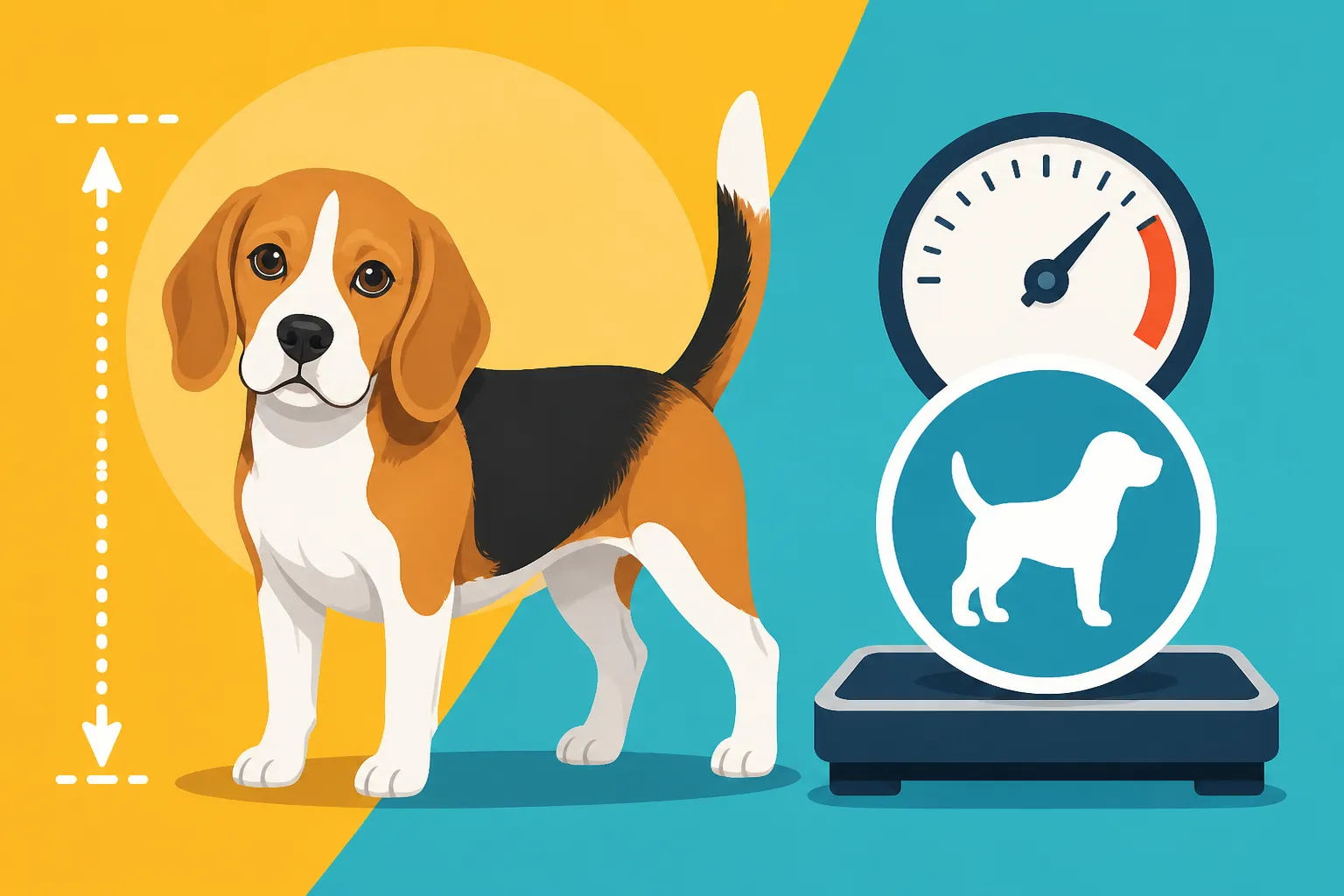
When you picture a Beagle, you might not realize that there's a specific standard set for their size, particularly regarding their height. The American Kennel Club (AKC), which defines breed standards in the United States, officially recognizes two varieties based on height: those "not exceeding 13 inches" and those "over 13 inches but not exceeding 15 inches." For many prospective owners, this distinction can be a bit confusing, especially when they encounter terms like "Pocket Beagles" that aren't part of the official standard at all.
Historical Context of Beagle Sizes
To truly appreciate the 13-inch Beagle, it helps to glance back at their history. Beagles have been around for centuries, primarily as scent hounds used for hunting small game like rabbits and hares. In medieval times, smaller hounds were often preferred, with some being small enough to fit into a hunter's glove or saddlebag – leading to the historical use of terms like "Pocket Beagle." These dogs were highly prized for their stamina and exceptional noses, not just their diminutive stature.
As the breed developed and gained formal recognition, particularly in the 19th century in England and later in the United States, a more standardized approach to their physical characteristics emerged. The National Beagle Club Founded in 1887 played a significant role in establishing the breed standard that we largely adhere to today. The idea was to define a Beagle that was both functional in the field and uniform in appearance, leading to the establishment of the two height varieties to encompass the existing range of working Beagles. It wasn't about creating separate breeds, but rather categorizing the same breed by a practical height difference that often correlated with the type of hunting terrain or prey.
Official Measurements and Disqualifications
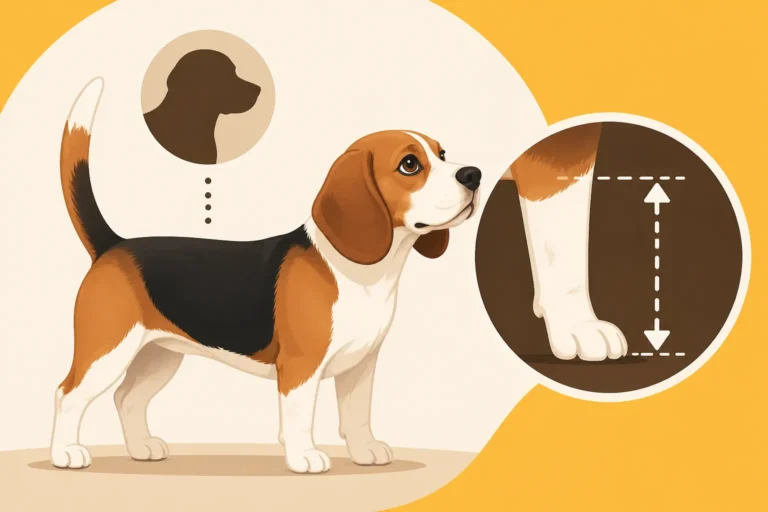
So, how exactly is a 13-inch Beagle measured? The official measurement is taken from the highest point of the shoulder blades (the withers) straight down to the ground. This measurement is crucial, particularly for Beagles participating in conformation shows. A Beagle that measures 13 inches or less at the withers falls into the 13-inch variety. If your Beagle is just a hair over 13 inches, say 13.5 inches, they automatically fall into the "over 13 inches but not exceeding 15 inches" category. It's a precise cutoff, and there's no wiggle room in the show ring.
The reason for this strict measurement is to maintain the integrity of the breed standard. A Beagle that exceeds 15 inches in height, regardless of their other qualities, is considered a disqualification in the show ring. This isn't to say they aren't wonderful family pets, but they wouldn't be able to compete under the official breed standard. The distinction helps ensure that breeders are striving for a consistent type within each variety, preserving the characteristics that make a Beagle a Beagle. Understanding this official limit is key to selecting a puppy from a reputable breeder who prioritizes health and adherence to the standard.
Weight Expectations for a 13-inch Beagle
While the breed standard defines height precisely, it doesn't specify a weight range for either the 13-inch or 15-inch varieties. This might seem odd, but it's actually quite common in many breeds. Instead of a hard number, the focus is on a dog's overall condition and proportion to its frame. For a 13-inch Beagle, this means maintaining a healthy, lean body that allows them to move freely and carry out their natural activities without undue strain.
The "Ideal" Weight Range
So, if there's no official weight, what's a good target? Generally speaking, a healthy 13-inch Beagle typically weighs somewhere between 18 and 25 pounds. However, this is a guideline, not a strict rule. The "ideal" weight for your Beagle depends on their individual bone structure, muscle mass, and activity level. A heavily muscled, active Beagle might weigh at the higher end of that range and still be perfectly healthy, while a daintier, less active Beagle might be perfectly fit at the lower end.
The best way to assess your Beagle's weight is through a body condition score. You should be able to easily feel your Beagle's ribs without seeing them protruding. When viewed from above, your Beagle should have a noticeable waistline that tucks up slightly behind their ribs. If you can't feel their ribs easily, or if they lack a discernible waist, they're likely carrying too much weight. Conversely, if their ribs, hip bones, or spine are visibly prominent, they might be underweight. Regular vet check-ups are essential for monitoring this, and your veterinarian can help you determine the appropriate weight for your specific dog.
Why Weight Management is Crucial
For Beagles, maintaining an ideal weight is paramount, regardless of their height variety. These active, food-motivated hounds are notoriously prone to obesity. Every extra pound your Beagle carries puts unnecessary stress on their joints, spine, and internal organs. Overweight Beagles are at a higher risk for a whole host of health issues, including Beagle Arthritis Arriving in Middle Age, Beagle Hip Dysplasia and Everyday Joint Wear, diabetes, heart disease, and even certain types of cancer.
Perhaps one of the most critical concerns for Beagles is their susceptibility to Beagle Back Problems and Intervertebral Disc Disease. While not solely caused by weight, being overweight significantly exacerbates the pressure on their spine, increasing the risk of disc herniation. A 13-inch Beagle might be smaller, but their hound structure still benefits immensely from a lean physique. It allows them to enjoy their lives to the fullest, sniffing out every interesting scent and bounding through the park with agility. Starting healthy habits early, even from puppyhood, can set the stage for a long and vibrant life. You can read more about Beagle Weight Management Across the Two Size Varieties to get a broader perspective on this vital topic.
Living with a 13-inch Beagle: Practical Considerations
Bringing any dog into your home requires some thought, and while 13-inch Beagles are often seen as "smaller," they still come with all the typical Beagle personality traits and needs. Their size influences some aspects of daily life, but their drive and instincts remain very much intact.
Exercise Needs for a Smaller Beagle
Don't let their size fool you; a 13-inch Beagle still has a considerable amount of energy and a deeply ingrained need for exercise and mental stimulation. Just because they're smaller doesn't mean they're content with a quick trot around the block. They are scent hounds, bred for endurance, and their brains are wired to follow a trail for miles.
Daily, vigorous exercise is crucial. This could mean a long, meandering walk where they're allowed to sniff to their heart's content – what I call a "sniffari" – or a good run in a secure, fenced area. Remember, Why a Beagle Should Never Be Off Leash Unfenced is a universal rule for Beagles, regardless of size, due to their powerful scent drive. A long line can be an excellent tool for giving them more freedom to explore safely. Beyond physical activity, mental exercise is just as important. Puzzle toys, scent work games, and training sessions can tire them out mentally, which is often just as effective as physical exertion. A tired Beagle is a happy Beagle, and a well-exercised one is far less likely to develop destructive behaviors out of boredom. For a deeper dive into their needs, check out Beagle Exercise Needs at Every Age.
Feeding a 13-inch Beagle
The Beagle's legendary appetite is perhaps their most defining trait, right up there with their incredible nose. A 13-inch Beagle may be smaller, but their enthusiasm for food is just as immense as their 15-inch cousins. This means diligent portion control is essential to prevent them from becoming overweight, a problem that, as we discussed, can lead to numerous health complications.
I always recommend measuring your Beagle's food precisely. Forget about free-feeding; a Beagle will eat until there's nothing left, and then look for more! Work with your vet to determine the appropriate daily calorie intake for your specific dog, taking into account their age, activity level, and body condition. High-quality dog food, whether kibble, wet food, or a combination, should be the foundation of their diet. Many excellent brands offer formulas tailored to small or medium breeds, which can be a good starting point. Consider using slow feeder bowls or puzzle feeders to make mealtime last longer and provide some mental engagement. When it comes to treats for training or rewards, factor them into the daily calorie budget, opting for small, low-calorie options. Companies like Chewy offer a fantastic array of slow feeders, measuring cups, and portion-controlled treats designed to help manage your Beagle's diet effectively. It's truly a battle of wills sometimes when you have Feeding a Beagle That Would Happily Eat All Day, but consistency is key.
Housing and Space Requirements
A 13-inch Beagle's smaller stature often makes them seem like ideal candidates for apartment living or homes with less sprawling yard space. And while it's true they take up less physical room than a larger breed, their activity level and vocal nature are still major considerations.
They can thrive in an apartment, but only if their exercise and mental stimulation needs are consistently met through regular walks, park visits, and indoor play. If left alone for long periods without adequate outlets, a Beagle, regardless of size, can become bored, destructive, or vocal – leading to potential issues with neighbors due to their signature Beagle Howling, Baying and Barking Explained. While their smaller size means a smaller crate or dog bed, their personality requires a significant commitment of time and energy from their owners. A secure, fenced yard is always a bonus, allowing them to burn off steam and follow interesting scents, but it's not a substitute for engaging with their human family. The most important "space" a Beagle needs is in your heart and your daily schedule.
Common Misconceptions and Health Notes
It's easy to fall prey to marketing trends or misunderstandings when looking for a specific type of dog. The 13-inch Beagle is a recognized variety, but it's crucial to distinguish it from other, sometimes problematic, claims.
"Pocket Beagles" and Marketing Ploys
The term "Pocket Beagle" pops up frequently online and in advertisements, often promising an even smaller, more miniature version of the beloved Beagle. While historically there were very small Beagles, today, the term "Pocket Beagle" is not an officially recognized variety by major kennel clubs like the AKC. When you encounter this term, it's essential to approach with caution.
Often, dogs marketed as "Pocket Beagles" are either:
- True 13-inch Beagles: Reputable breeders will clearly state they are breeding Beagles within the 13-inch variety of the standard. There's no need for a "pocket" label here.
- Runts or Dogs with Dwarfism: Some breeders might market unusually small Beagles as "pocket" varieties. These dogs might be smaller due to being runts of a litter or having conditions like dwarfism, which can come with significant health issues.
- Crossbreeds: Sometimes, a "Pocket Beagle" is actually a mix of a Beagle with a smaller breed to achieve a miniature size, but without the predictability of a purebred.
- Unethically Bred Dogs: Sadly, some individuals specifically breed for extremely small size, often at the expense of health and temperament, pushing them below even the 13-inch standard. These dogs may suffer from a host of genetic problems, compromised immune systems, or structural issues.
Always seek out a reputable breeder who adheres to the official breed standard and conducts all recommended health screenings. They will prioritize health and temperament over novelty size.
Health Concerns Linked to Size
While the 13-inch Beagle variety isn't inherently predisposed to unique health problems because of its size, it's important to be aware of general Beagle health concerns that apply to both varieties. Responsible breeders will perform genetic health tests to screen for conditions that can affect the breed.
Common health issues to be aware of include:
- Ear Infections: Those adorable long, floppy ears are perfect for trapping moisture and debris, making Beagle Ear Infections Under Those Long Ears a frequent concern. Regular cleaning is vital.
- Eye Conditions: Beagles can be prone to various eye issues, including glaucoma and cherry eye. Beagle Eye Conditions and the Board-Certified Exam is a good resource for understanding these.
- Hypothyroidism: An underactive thyroid can lead to weight gain, lethargy, and skin issues. Beagle Hypothyroidism and the Weight It Puts On can offer more information.
- Epilepsy: Idiopathic epilepsy is a concern in Beagles, and owners should be aware of the signs and management. Beagle Epilepsy and Seizures From Six Months On provides extensive details.
- Musladin-Lueke Syndrome (MLS): This is a genetic connective tissue disorder specific to Beagles. Reputable breeders test for this. You can learn more about Musladin-Lueke Syndrome and the Beagle DNA Test.
Regardless of whether your Beagle is 13 inches or 15 inches, proactive care, regular veterinary check-ups, and a balanced diet are your best tools for preventing and managing health issues. Your vet is your best partner in ensuring your Beagle lives a full, happy, and healthy life.
| Feature | 13-inch Beagle (Variety) | 15-inch Beagle (Variety) |
|---|---|---|
| Height (at withers) | Not exceeding 13 inches | Over 13 inches, not exceeding 15 inches |
| Typical Weight Range | 18-25 pounds (approx.) | 20-30 pounds (approx.) |
| General Build | Compact, sturdy, well-muscled | Slightly larger frame, sturdy |
| Energy Level | High, requires significant exercise | High, requires significant exercise |
| Scent Drive | Extremely strong | Extremely strong |
| Suitability | Can be good for active apartments/homes with adequate exercise | Can be good for active homes with adequate exercise |
| Show Ring Status | Competes in its own height class | Competes in its own height class |
Disclaimer
This article is for general informational purposes only and does not constitute professional advice. Laws, prices and regulations vary by location and change over time. Consult a qualified professional for guidance on your specific situation.