Idiopathic Epilepsy in Beagles From Six Months to Six Years
Discovering that your beloved Beagle is having seizures can be one of the most terrifying experiences a pet parent faces. That sudden loss of control, the shaking, the disorientation afterward – it’s a moment that leaves you feeling helpless and heartbroken, especially when it happens unexpectedly in a young dog. This comprehensive guide is here to shed light on idiopathic epilepsy in Beagles, focusing on those critical years between six months and six years of age when this genetic condition most commonly presents itself, helping you understand, manage, and navigate this challenging health journey.
Understanding Idiopathic Epilepsy in Beagles
When your Beagle experiences a seizure, it’s a sign of abnormal electrical activity in their brain. While many things can cause seizures, for Beagles, particularly during their prime young adult years, a common culprit is something called idiopathic epilepsy. It’s a heavy term, but understanding it is the first step toward managing it.
What Exactly is Idiopathic Epilepsy?
The word "idiopathic" might sound intimidating, but it simply means that there's no identifiable underlying cause for the seizures. It’s not due to a brain tumor, a head injury, a liver shunt, or any other detectable disease. Instead, it's believed to be a genetic predisposition, a glitch in the brain’s electrical system that causes it to misfire periodically. For us humans, it can be incredibly frustrating not to have a clear reason, a neat little box to check, but with idiopathic epilepsy, the cause is intrinsic to the dog's own biology. This means you haven't done anything wrong as an owner; it's simply how your Beagle's brain is wired. It’s a condition that demands patience, careful observation, and a partnership with your veterinarian.
The Typical Age of Onset for Beagles
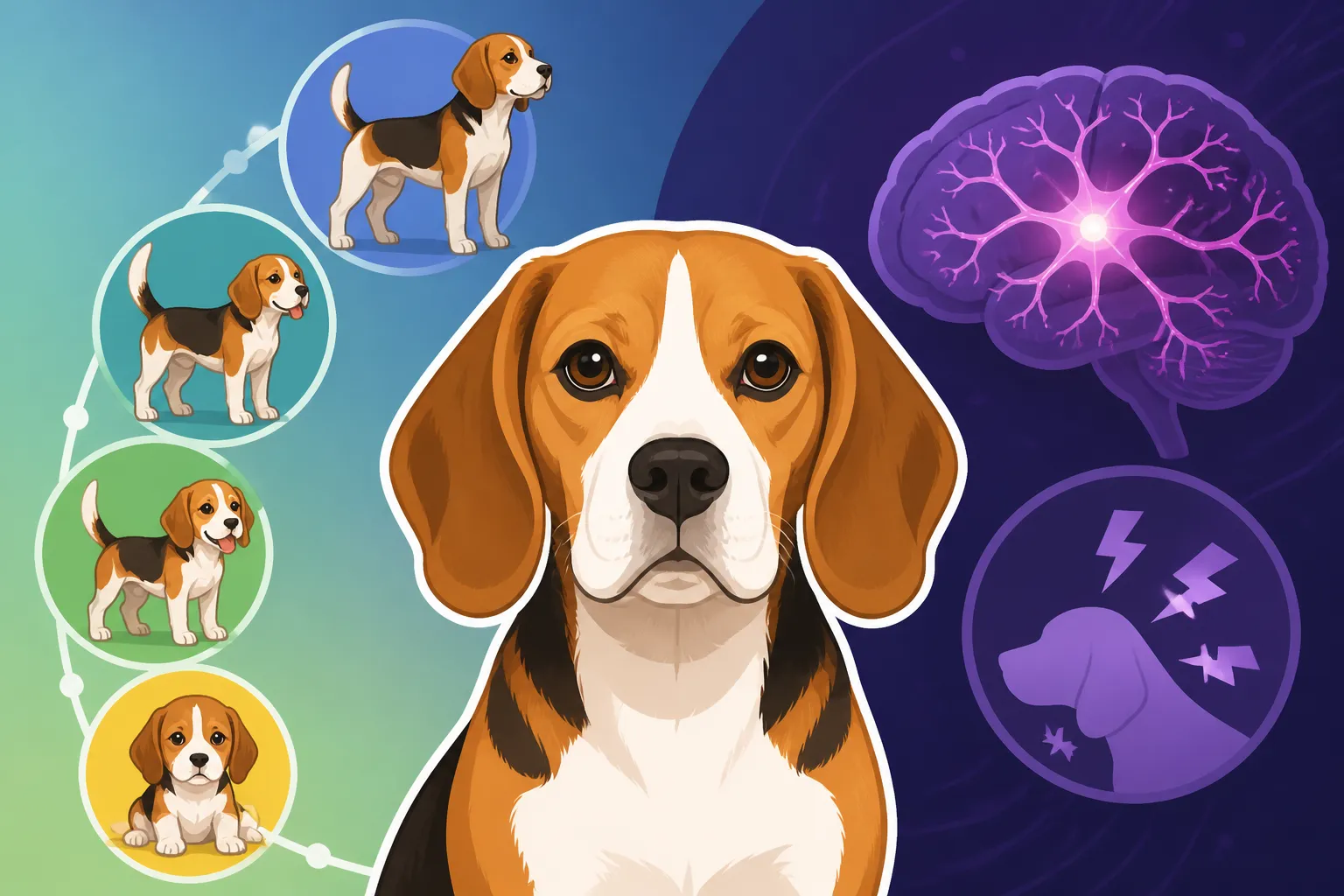
One of the most defining characteristics of idiopathic epilepsy in Beagles is its age of onset. While a seizure can technically happen at any point in a dog's life, for idiopathic cases, we typically see the first seizure surface when a Beagle is between six months and six years old. It's often during adolescence or early adulthood, a time when your Beagle is full of energy and seemingly robust health. This timing can be particularly jarring, as you might have just gotten past the puppy antics and settled into a routine, only to be confronted with such a serious medical event. If your Beagle has its first seizure outside this window, say as a tiny puppy or a senior dog, it doesn't automatically rule out epilepsy, but it does prompt your vet to look even more closely for other potential causes. The pattern of these early seizures helps the vet narrow down possibilities. If you're wondering The Age a Beagle Usually Has Its First Seizure, remember this critical timeframe.
Why Beagles Are Prone to This Condition
Beagles, unfortunately, are one of those breeds with a known genetic predisposition to idiopathic epilepsy. It’s not fair, but it’s a reality we, as Beagle lovers, must acknowledge. This genetic link suggests that certain genes influence how their brains function, making them more susceptible to these electrical storms. It’s similar to how certain human families have a higher incidence of specific conditions. While responsible breeders work diligently to breed away from known epileptic lines, the genetics can be complex, and carriers might not always be obvious. This genetic component is why it's so important for breeders to be transparent about the health history of their breeding stock, and why you should always research a breeder thoroughly. The more we understand the breed's vulnerabilities, the better equipped we are to provide appropriate care and support to our beloved companions.
Recognizing the Signs of a Beagle Seizure
Witnessing your Beagle in the throes of a seizure is a deeply distressing experience. It's crucial to understand that seizures aren't just one type of event; they manifest in different ways, and sometimes, the subtle signs leading up to or following a seizure can be just as important to recognize as the seizure itself. Knowing what to look for can help you prepare and act appropriately.
Pre-Seizure (Prodromal) and Aura Phases
Before a full-blown seizure, some Beagles exhibit subtle changes in behavior that signal an impending event. This is known as the prodromal phase, and it can last for hours or even days. Your Beagle might seem unusually restless, anxious, clingy, or withdrawn. They might seek extra attention or, conversely, hide away. Some dogs might pace, pant excessively, or appear disoriented. This isn't always obvious, but if you live with your Beagle day in and day out, you might notice these deviations from their normal personality.
Closer to the seizure, a shorter phase called the "aura" can occur, lasting from a few seconds to a few minutes. During this time, the abnormal electrical activity really starts to build. Your Beagle might look confused, dazed, or apprehensive. They might vocalize, drool, tremble slightly, or seem to be trying to focus on something you can't see. For some Beagles, the aura is a distinct period where they know something is wrong and might try to get to their owner for comfort or safety. Being attuned to these subtle shifts can give you a precious few moments to get your dog to a safe, quiet space and prepare for what's coming.
The Ictal Phase: What a Seizure Looks Like
The "ictal" phase is the seizure itself, and it's what most people picture when they think of a seizure. The most common type is a generalized, or "grand mal," seizure. Your Beagle might suddenly collapse, lose consciousness, and become rigid, then begin to convulse rhythmically. You'll likely see paddling motions with their legs, chomping of the jaw, excessive drooling, and possibly uncontrolled urination or defecation. Their eyes might dart erratically or be fixed and dilated. This phase can last anywhere from a few seconds to several minutes, and while it feels like an eternity, remember to stay calm and focus on safety.
However, not all seizures are grand mal. Some Beagles experience focal (or partial) seizures, which involve abnormal activity in only one part of the brain. These can be much subtler and often harder to recognize. They might involve twitching of one limb or one side of the face, snapping at imaginary flies, lip-smacking, tail chasing, or sudden bursts of seemingly unprovoked aggression or fear. Your Beagle might remain conscious or have only a reduced awareness during a focal seizure. It's important to know What a Beagle Seizure Actually Looks Like in its various forms, so you can provide your vet with an accurate description, which is crucial for diagnosis.
Post-Seizure (Post-Ictal) Behavior
Once the active convulsions stop, your Beagle enters the post-ictal phase. This period is often marked by confusion, disorientation, and sometimes temporary blindness or deafness. Your dog might pace aimlessly, bump into furniture, stare blankly, or exhibit extreme hunger or thirst. They might also seem unusually tired, anxious, or agitated. It’s heartbreaking to see your usually vibrant Beagle so bewildered. This phase can last from a few minutes to several hours, or even a full day.
It's vital during this time to provide a calm, safe environment. Keep them away from stairs, sharp objects, or anything they might stumble into. Offer water, and if they're hungry, a small meal. Avoid loud noises or sudden movements that could startle them. Remember, your Beagle is likely just as confused and scared as you are. They need quiet reassurance and space to recover. Documenting what happens in this phase is just as important as documenting the seizure itself. For specific actions during a seizure, be sure to read What to Do While a Beagle Is Seizing.
Diagnosing Idiopathic Epilepsy in Your Beagle
Receiving a seizure diagnosis for your Beagle is a daunting prospect, but getting to that diagnosis is a meticulous process. Since idiopathic epilepsy is a diagnosis of exclusion, your veterinarian needs to systematically rule out every other possible cause for your Beagle’s seizures before settling on idiopathic epilepsy. This can take time, tests, and a whole lot of patience from you.
The Importance of a Detailed Veterinary Workup
When your Beagle has its first seizure, your vet’s primary goal is to determine why it happened. This means a thorough workup to exclude other conditions that can cause seizures, such as metabolic disorders (like low blood sugar or liver disease), exposure to toxins (ingesting something poisonous from your yard or home), infections (like distemper or certain fungal infections), inflammatory brain diseases, or structural brain abnormalities (like tumors or fluid on the brain). It’s not just about treating the symptom; it’s about finding the root cause. This initial workup is critical because treating an underlying condition will often stop the seizures, which is a very different approach from managing idiopathic epilepsy. It can feel like a lot of tests, but each one serves an important purpose in narrowing down the possibilities.
Neurological Exams and Blood Tests
The diagnostic journey usually begins with a comprehensive neurological examination. Your vet will assess your Beagle’s reflexes, coordination, gait, vision, and mental alertness to pinpoint any neurological deficits. This helps them determine if the problem is indeed originating in the brain or if it might be a peripheral issue.
Following the physical and neurological exams, a battery of blood tests is typically ordered. These include:
- Complete Blood Count (CBC): To check for infection, inflammation, or anemia.
- Chemistry Panel: To evaluate organ function (liver, kidneys), blood sugar levels, and electrolyte balance. Many metabolic imbalances can trigger seizures.
- Thyroid Panel: To rule out thyroid issues, which, while less common as a direct cause, can sometimes complicate other health issues.
- Bile Acids Test: A specialized test to check for liver shunts or other severe liver dysfunction, which can lead to toxins building up in the bloodstream and affecting the brain.
These tests are designed to catch systemic issues that could be manifesting as seizures. If all these tests come back normal, it's a good step towards considering idiopathic epilepsy, but it's still not the full picture.
When Advanced Imaging is Necessary
If the initial blood work and neurological exam don't reveal a cause, and especially if your Beagle’s seizures are frequent, severe, or atypical for idiopathic epilepsy (e.g., focal seizures without a clear generalized phase, or seizures starting outside the 6 months to 6 years window), your vet might recommend advanced imaging. This usually means a referral to a veterinary neurologist.
- Magnetic Resonance Imaging (MRI): An MRI of the brain is the gold standard for ruling out structural abnormalities like tumors, cysts, strokes, inflammation, or fluid accumulation (hydrocephalus). This is a non-invasive procedure, but it does require general anesthesia, which carries its own considerations.
- Cerebrospinal Fluid (CSF) Analysis: Sometimes, if an inflammatory or infectious brain disease is suspected, a sample of cerebrospinal fluid (the fluid bathing the brain and spinal cord) might be collected. This procedure, also done under anesthesia, can help identify specific types of inflammation or infection not detectable by other means.
When all these tests – blood work, neurological exam, and advanced imaging – come back normal, and the seizures fit the typical profile (onset between 6 months and 6 years, generalized seizures, no other neurological deficits), then a diagnosis of idiopathic epilepsy is made. It’s often a relief to have an answer, even if it’s one that means long-term management.
Managing Idiopathic Epilepsy: Treatment Options
Once your Beagle receives an idiopathic epilepsy diagnosis, the focus shifts from finding a cause to effective management. The goal isn't necessarily to eliminate seizures entirely, which can be difficult, but to reduce their frequency, severity, and duration, allowing your Beagle to live a good quality of life. This usually involves a combination of medication, careful monitoring, and sometimes dietary adjustments.
When to Start Medication
Deciding when to begin anticonvulsant medication is a discussion you'll have with your vet, taking into account several factors. It's not always an immediate decision after the first seizure, especially if it was a one-off event. However, medication is generally recommended if:
- Seizures are frequent: Typically, if your Beagle experiences more than one seizure every 6-8 weeks.
- Seizures are severe or prolonged: If your Beagle's seizures last a long time, are very intense, or involve Cluster Seizures in a Beagle and What They Mean, where multiple seizures occur within a 24-hour period, or if they progress to status epilepticus (a seizure lasting over 5 minutes or multiple seizures without full recovery in between). These situations are medical emergencies and can be life-threatening.
- Post-ictal period is severe: If your Beagle's recovery time is prolonged or particularly distressing.
- The first seizure is a cluster or status epilepticus: These severe initial presentations often warrant immediate medication.
The decision is a balancing act, weighing the risks and side effects of daily medication against the negative impact of uncontrolled seizures on your Beagle's brain and overall health.
Common Anticonvulsant Medications
There are several effective medications available to help manage idiopathic epilepsy in Beagles. Your vet will choose the best one based on your dog's specific needs, seizure frequency, and potential side effects. Often, a single drug is started, and if seizures aren't adequately controlled, the dosage may be adjusted, or a second medication added.
| Medication | Common Uses | Key Considerations | Potential Side Effects |
|---|---|---|---|
| Phenobarbital | First-line, widely effective | Effective, but requires regular Liver Monitoring for a Beagle on Seizure Medication | Sedation, increased thirst/hunger, liver damage (long-term), hyperactivity (initial) |
| Potassium Bromide | Often used with Phenobarbital or as mono-therapy | Long half-life, takes weeks to reach therapeutic levels, salt intake affects levels | Sedation, increased thirst/hunger, gastric irritation, weakness |
| Levetiracetam (Keppra) | Often used as an add-on or for emergency | Generally safe, rapid action, less liver impact, can be given via IV in emergencies | Sedation, ataxia (wobbliness), vomiting |
| Zonisamide | Often used as an add-on | Good for dogs with liver issues, can be given once or twice daily | Sedation, ataxia, decreased appetite, vomiting, sulfa allergies (rare) |
| Gabapentin | Primarily for nerve pain, adjunctive seizure control | Mild anticonvulsant, often used for partial seizures or pain post-seizure | Sedation, ataxia |
Phenobarbital for a Beagle With Epilepsy and Potassium Bromide as a Beagle Seizure Drug are two of the most commonly prescribed medications. It's important to understand that finding the right medication and dosage can take time and adjustments. It’s a marathon, not a sprint.
The Role of Diet and Supplements
Beyond medication, diet and certain supplements can play a supportive role in managing your Beagle's epilepsy. While they are not a substitute for anticonvulsants, they can sometimes help reduce seizure activity or improve overall neurological health.
- Medium-Chain Triglyceride (MCT) Oil: Some studies suggest that diets supplemented with MCT oil can provide an alternative energy source for the brain and may help reduce seizure frequency in some dogs. Specific prescription diets formulated for brain health sometimes incorporate MCTs.
- Omega-3 Fatty Acids: Supplements like fish oil (rich in EPA and DHA) have anti-inflammatory properties that can support brain health. While not a direct seizure treatment, they contribute to overall well-being.
- Antioxidants: Vitamins E and C, along with other antioxidants, can help protect brain cells from oxidative stress, which can be a factor in seizure activity.
- Consult Your Vet: Always discuss any dietary changes or supplements with your veterinarian before introducing them. Some supplements can interact with anticonvulsant medications or be harmful in large doses. Your vet can guide you to appropriate, safe, and potentially beneficial options.
Living Day-to-Day with an Epileptic Beagle
An epilepsy diagnosis doesn't mean the end of a happy, full life for your Beagle. It simply means a new normal, one that requires vigilance, routine, and a lot of love. Living with an epileptic Beagle demands a proactive approach and a strong partnership with your veterinary team.
Keeping a Seizure Diary
This might sound like a minor detail, but it is, without exaggeration, one of the most critical tools in managing your Beagle’s epilepsy. A detailed Keeping a Seizure Diary for Your Beagle allows you and your vet to track patterns, assess the effectiveness of medication, and identify potential triggers. Here’s what to include:
- Date and Time of Seizure: Pinpointing the exact timing can reveal patterns.
- Duration: How long did the actual ictal (convulsive) phase last?
- Type of Seizure: Generalized (grand mal), focal, or cluster?
- Description: What did your Beagle do before, during, and after the seizure? (e.g., "pacing before," "paddling, drooling, urinating during," "disoriented, hungry after").
- Possible Triggers: Did anything unusual happen before the seizure? (e.g., "loud noise," "stressful event," "missed medication dose," "change in weather"). The Seizure Triggers Beagle Owners Report Most can vary widely.
- Medication Given: What medications were given, at what dose, and at what time?
- Recovery Time: How long did it take for your Beagle to return to normal?
This diary becomes invaluable data for your vet, helping them make informed decisions about medication adjustments and overall treatment plans. There are even apps available now that can help you track this information easily on your phone.
Creating a Safe Environment
During a seizure, your Beagle is completely unaware of their surroundings and highly vulnerable to injury. Proactive measures to create a safe home environment are essential for Living Day to Day With an Epileptic Beagle.
- Padding and Clear Spaces: Identify areas where your Beagle often rests or plays and ensure they are free of sharp edges or hard surfaces. Consider soft rugs or blankets. If a seizure begins, try to gently guide them away from furniture or stairs.
- Stair Gates: If your home has stairs, especially if your Beagle tends to wander post-ictally, consider using baby gates to block access. A fall during or after a seizure could lead to serious injury.
- Water Safety: If your Beagle has access to a pool or pond, ensure they are supervised, especially around the typical seizure times, or block access entirely if seizures are unpredictable.
- Securing Valuables/Dangerous Items: Post-ictal disorientation can lead a Beagle to bump into things or even ingest inappropriate items. Keep medications, cleaning supplies, and fragile objects out of reach.
- Emergency Kit: Have a small kit ready with your vet’s contact information, emergency vet numbers, and any emergency medications (like rectal Valium for prolonged seizures, if prescribed).
Your goal is to minimize risks during these unpredictable events, offering peace of mind for you and protection for your furry friend.
Supporting Your Beagle's Quality of Life
An epilepsy diagnosis can feel overwhelming, but it's important to remember that most epileptic Beagles can still lead full, joyful lives with proper management. Focus on consistency and routine, as sudden changes or stress can sometimes be seizure triggers.
- Routine: Stick to a consistent schedule for meals, walks, and medication administration.
- Low-Stress Environment: Beagles thrive on routine and calm. Minimize unnecessary stressors in their environment. While some stress is unavoidable, identifying and mitigating known triggers can be beneficial.
- Regular Vet Check-ups: These are crucial, not just for monitoring seizure activity but also for checking medication levels in the blood and assessing potential side effects on organs like the liver, especially if your Beagle is on medications like Phenobarbital.
- Love and Reassurance: Your Beagle will look to you for comfort and security. During recovery from a seizure, your calm presence is paramount. Show them extra love and patience.
Remember that When a Beagle Seizure Becomes an Emergency is usually when it lasts too long or when multiple seizures occur in a short period. Knowing these signs and being prepared to act can make all the difference.
Financial Considerations and Support
Let's be real: managing a chronic condition like epilepsy in your Beagle comes with a significant financial commitment. This isn't just about the initial diagnosis; it's about the ongoing medication, regular vet visits, and potentially emergency care. It's a huge burden for many families, but understanding the costs and available resources can help you plan and cope.
The Ongoing Costs of Epilepsy Management
The expenses associated with treating an epileptic Beagle can add up quickly. It's a reality that can hit hard, and it's essential to be prepared.
- Initial Diagnostic Workup: This is often the most expensive phase, especially if advanced imaging like an MRI is required. MRIs alone can cost several thousands of dollars, without even factoring in the blood work and neurological consultations.
- Medication: This is a lifelong expense. The cost of anticonvulsant medications like Phenobarbital, Potassium Bromide, or Levetiracetam can range from tens to hundreds of dollars per month, depending on the drug, dosage, and your Beagle's weight. These costs can fluctuate, and some newer medications tend to be more expensive.
- Monitoring Blood Tests: Dogs on certain seizure medications (like Phenobarbital) need regular blood tests to ensure the drug levels are therapeutic (neither too low to be effective nor too high to be toxic) and to monitor organ function, especially the liver. These tests might be required every 3-6 months, adding to the yearly bill.
- Emergency Vet Visits: Despite medication, breakthrough seizures can occur, and severe events like cluster seizures or status epilepticus require immediate emergency veterinary care, which can be very costly.
It's a lot to consider, and it's completely understandable to feel overwhelmed by these figures. Planning ahead can make a big difference.
Pet Insurance for Chronic Conditions
This is where pet insurance can truly shine, but there’s a critical caveat: timing. If you already have pet insurance for your Beagle, check your policy carefully. If your Beagle was enrolled before any signs of epilepsy appeared, then their idiopathic epilepsy might be covered as a chronic condition. Many pet insurance providers, including those like Healthy Paws, offer coverage for chronic conditions, but they almost universally exclude "pre-existing conditions." This means if your Beagle has already had a seizure or received a diagnosis of epilepsy before you enroll them, it will likely not be covered.
- Early Enrollment is Key: This is why many advocates recommend enrolling pets in insurance as early as possible, ideally when they are puppies, before any health issues arise. Read more about Insuring a Beagle Before an Epilepsy Diagnosis.
- Policy Details: Look for policies that cover chronic conditions, prescription medications, and specialist visits (like to a neurologist). Check deductibles, reimbursement percentages, and annual limits.
- Peace of Mind: While not a magic bullet, having pet insurance can significantly alleviate the financial stress of managing a lifelong condition, allowing you to focus on getting your Beagle the best possible care without worrying as much about the immediate cost.
Finding Support: Online Communities and Resources
You are not alone in this journey. Thousands of Beagle owners are navigating similar challenges, and connecting with them can provide invaluable emotional support, practical advice, and a sense of community.
- Breed-Specific Forums and Social Media Groups: Search for "Beagle Epilepsy Support Group" on platforms like Facebook or dedicated breed forums. These groups are often filled with experienced owners who can share their insights, medication experiences, and coping strategies.
- Veterinary Resources: Organizations like the Canine Epilepsy Network or the American College of Veterinary Internal Medicine (ACVIM) often have resources, fact sheets, and links to specialists.
- Your Veterinary Team: Never underestimate the support your own veterinarian and their staff can provide. They are your primary partners in your Beagle’s care and can offer guidance, referrals, and reassurance.
Sharing your experiences and learning from others can make the journey feel less isolating and empower you with knowledge to advocate for your Beagle’s health.
Disclaimer
The information provided in this article is for educational and informational purposes only, and does not constitute veterinary advice. Always consult with a qualified veterinarian for any health concerns or before making any decisions related to your Beagle's medical care or treatment plan.