Diet Support for a Beagle Back That Has Aged
Watching your beloved Beagle start to slow down, perhaps struggling a bit more with those once-effortless jumps onto the couch or seeming a little stiff after a nap, can be heartbreaking. As our Beagles age, their bodies, especially their spines, undergo changes that can lead to discomfort and reduced mobility. This guide is here to walk you through how targeted dietary choices and smart feeding strategies can become a powerful ally in supporting your senior Beagle's back health, helping them maintain comfort and activity for as long as possible.
Understanding the Aging Beagle Back and Its Nutritional Needs
It’s a tough truth that as our Beagles get older, their bodies don't quite move with the same carefree abandon they once did. Their youthful bounce gives way to a more deliberate gait, and that once-flexible spine can become a source of aches and stiffness. Many owners notice these subtle shifts and immediately worry about their dog's quality of life. The good news is that understanding these changes helps us support them better.
The Natural Degeneration of an Aging Beagle's Spine
Just like us, Beagles experience wear and tear on their joints and spinal discs over time. Think of it like a car's suspension system – after years of bumps and turns, the shock absorbers aren't as effective. In a Beagle's spine, the intervertebral discs, which act as cushions between the vertebrae, can start to dehydrate and lose their elasticity. This natural degeneration can lead to conditions like Beagle Disc Disease and That Slightly Long Back, where the discs become less effective at absorbing shock and more prone to bulging or rupturing.
This process is insidious; it doesn't happen overnight. You might first notice your Beagle hesitating before jumping, perhaps taking a wider turn on stairs, or being less enthusiastic about playing fetch. The cartilage that lines the joints, including those in the spine, also begins to thin. This can result in bone-on-bone friction, leading to pain and inflammation. It's not just about acute injury; it's a cumulative effect of years of playful antics, enthusiastic scent tracking, and even just everyday movement. Understanding this slow, progressive change is the first step in offering meaningful support through diet.
How Inflammation Worsens Back Pain in Senior Beagles
Inflammation is the body's natural response to injury or irritation, but when it becomes chronic, it can be a major contributor to pain and stiffness in an aging Beagle's back. Imagine a rusty hinge – the rust (inflammation) prevents smooth movement and makes every action painful. In the spine, ongoing inflammation can exacerbate disc disease, accelerate cartilage breakdown, and irritate surrounding nerves, leading to persistent discomfort. This can manifest as a reluctance to move, sensitivity to touch along the back, or even changes in posture where your Beagle might hold their head lower or arch their back uncomfortably.
This chronic inflammation can be fueled by various factors, including an unbalanced diet, excessive weight, and even environmental stressors. It creates a vicious cycle: pain leads to less movement, less movement leads to muscle atrophy, and weak muscles provide less support for the spine, intensifying the pain and inflammation. It's a frustrating situation for both dog and owner. That's why a diet rich in anti-inflammatory ingredients isn't just a luxury; it's a crucial component of managing the discomfort associated with an aging Beagle's back. We want to arm their bodies with the tools to fight this inflammation naturally, giving them a better chance at comfort.
Key Nutrients and Ingredients for Spinal Health
When you’re looking to support your senior Beagle's back, it’s not just about reducing harmful ingredients; it’s about actively seeking out those beneficial ones. The right nutrients can act like internal repair crews, strengthening joints, reducing inflammation, and protecting cells from damage. Think of their food as medicine, meticulously chosen to target specific needs.
Omega-3 Fatty Acids: Nature's Anti-Inflammatory
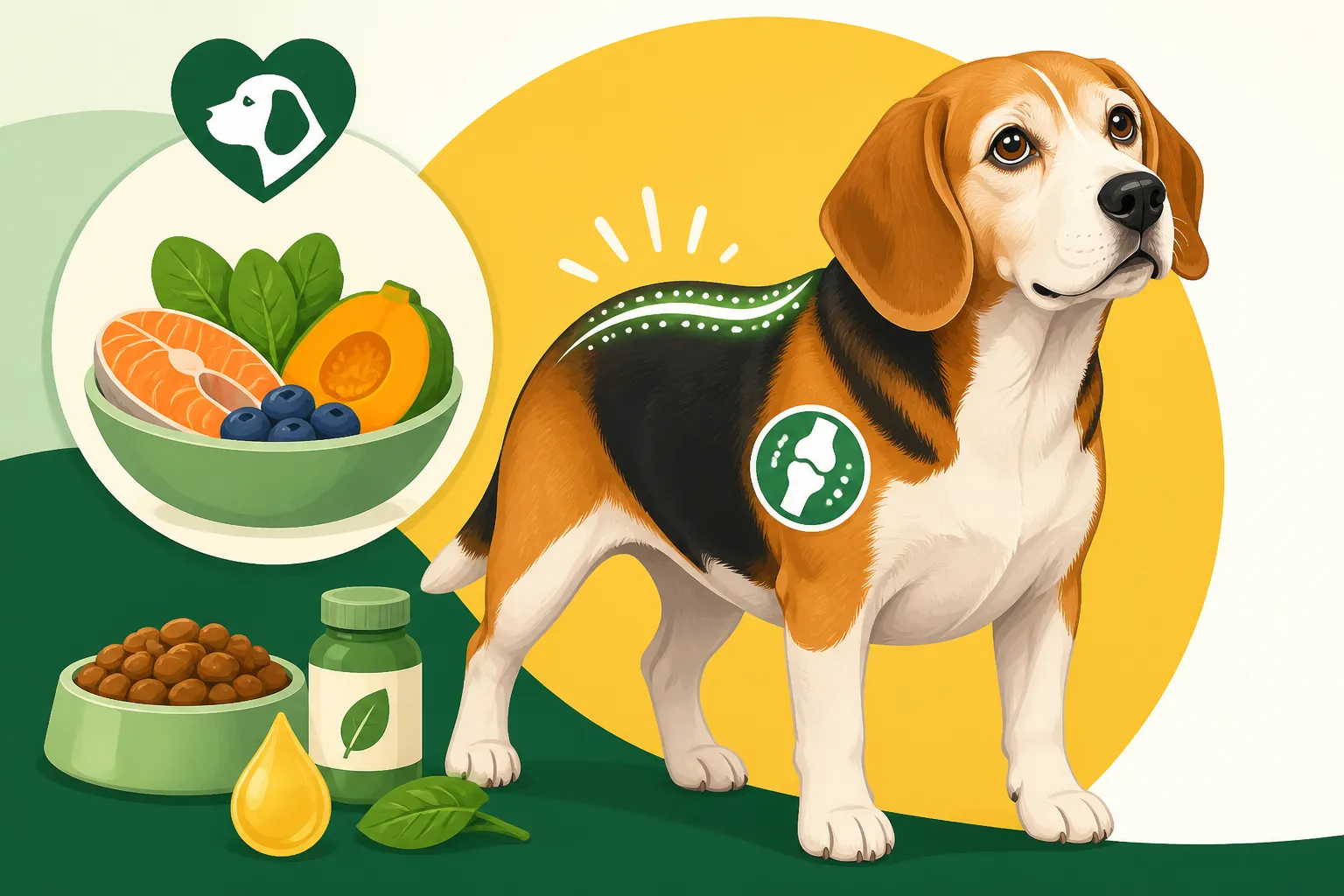
If there’s one superstar ingredient for an aging Beagle’s back, it's omega-3 fatty acids, particularly EPA and DHA. These incredible nutrients are potent natural anti-inflammatories. They work by altering the body's inflammatory pathways, essentially calming down the immune response that can cause pain and damage in joints and spinal tissues. For a Beagle dealing with Beagle Arthritis Arriving in Middle Age or general spinal degeneration, reducing this chronic inflammation is paramount to improving comfort and mobility.
You can find omega-3s primarily in fish oils from cold-water fish like salmon, mackerel, and sardines. Many senior dog foods now include these, but often not in therapeutic amounts. This means you might need to add a supplement. When choosing a fish oil, look for one that specifies the EPA and DHA content and is third-party tested for purity to ensure it's free from heavy metals. Some pet food brands, including those you might find on Chewy or Amazon, offer specific joint support formulas that boost omega-3 levels, making it easier to provide consistent intake. Just remember to introduce any new supplement gradually. For more on this, you might find Omega-3 Oils for a Beagle's Coat helpful, as a healthy coat often goes hand-in-hand with internal health.
Glucosamine and Chondroitin: Building Blocks for Cartilage
Glucosamine and chondroitin sulfates are often called the "building blocks" of healthy cartilage, and for good reason. They are naturally occurring compounds in the body that help maintain the structure and integrity of cartilage, the protective tissue that cushions joints and spinal discs. As a Beagle ages, their body's ability to produce these compounds diminishes, leading to thinner, less resilient cartilage. Supplementing with glucosamine and chondroitin can help replenish these stores, potentially slowing the progression of cartilage degradation and supporting joint fluid production.
While these aren't a cure-all, many owners report noticeable improvements in their senior Beagles' comfort and mobility after consistent use. You'll find them in a variety of forms, from chewable tablets to liquid supplements. Again, many reputable pet food brands incorporate these into their senior or joint-specific diets. Look for ingredients like "glucosamine hydrochloride" and "chondroitin sulfate" on the label. When adding these, consistency is key; it takes time for the body to utilize them, so don't expect overnight miracles. Supplements Aimed at a Beagle Back and Joints delves deeper into choosing the right products.
Antioxidants for Cellular Protection
Beyond specific joint-supporting compounds, a powerful arsenal of antioxidants is vital for overall cellular health, especially in an aging body under inflammatory stress. Antioxidants like vitamins E and C, selenium, and compounds found in fruits and vegetables (like blueberries, spinach, and carrots) work by neutralizing free radicals. Free radicals are unstable molecules that can cause oxidative damage to cells, including those in the spinal discs and surrounding tissues, contributing to inflammation and accelerating the aging process.
By providing a rich supply of antioxidants, you help your Beagle's body fight off this cellular damage, potentially reducing inflammation and supporting the healing process. Many high-quality senior dog foods are fortified with a range of antioxidants. You can also boost their intake through natural sources or specific supplements. For example, some fresh food delivery services like Ollie incorporate nutrient-dense vegetables and fruits into their recipes, which naturally provide a good source of these protective compounds. Think of antioxidants as the clean-up crew, sweeping away the cellular debris that can contribute to your Beagle's discomfort.
Dietary Adjustments and Practical Feeding Strategies
Knowing which nutrients are beneficial is one thing; putting it into practice in your Beagle’s daily diet is another. This section is all about making those practical adjustments to ensure your aging Beagle gets the best possible support for their back.
Choosing the Right Senior Dog Food Formula
The market is brimming with dog food options, and finding the right one for a senior Beagle with back concerns can feel overwhelming. However, many reputable brands offer formulas specifically designed for senior dogs or those with joint issues. These often come with a few key differences from standard adult food:
- Lower Calorie Count: Senior Beagles typically have lower energy needs. A lower-calorie food helps prevent weight gain, which is crucial for reducing strain on the back.
- Enhanced Joint Support: Look for foods that explicitly state they include higher levels of glucosamine, chondroitin, and omega-3 fatty acids. These are your primary targets.
- Digestibility: Senior dogs can sometimes have more sensitive digestive systems. Formulas with easily digestible ingredients and prebiotics/probiotics can be beneficial.
- Antioxidant Rich: As discussed, a higher concentration of antioxidants supports cellular health and combats inflammation.
When browsing options on platforms like Chewy or Amazon, take the time to compare ingredient lists and nutritional analyses. Don't just look at the front of the bag; check the guaranteed analysis for protein, fat, and fiber, and look for stated levels of joint-supporting nutrients. A conversation with your vet can also help narrow down the best choices for your specific Beagle's needs and any other health considerations they might have.
Weight Management: Less Weight, Less Strain
This point cannot be stressed enough: maintaining a healthy weight is perhaps the single most impactful thing you can do for your senior Beagle’s back. Every extra pound your Beagle carries puts additional stress on their joints and spinal discs, exacerbating pain and accelerating degeneration. Imagine carrying a backpack filled with bricks all day – that’s what extra weight feels like to their spine. For more on this, check out How Extra Weight Raises Beagle Disc Pressure.
It's common for Beagles, with their legendary food drive, to become overweight as they age and their activity levels naturally decrease. Owners often underestimate their Beagle's actual weight. Instead of eyeballing it, regularly weigh your Beagle and consult a body condition score chart. You should be able to easily feel, but not necessarily see, their ribs. Their waist should be evident when viewed from above.
Here’s how to manage their weight effectively:
- Accurate Portions: Measure their food precisely. Don't free-feed. Use a kitchen scale for accuracy if possible, as cup measurements can vary wildly. The Daily Calorie Target for a Twenty Pound Beagle can give you a starting point.
- Calorie-Controlled Treats: Treats are a big part of a Beagle’s life, but they can quickly add calories. Opt for low-calorie training treats, small pieces of steamed vegetables (like green beans or carrots), or use a portion of their daily kibble as treats.
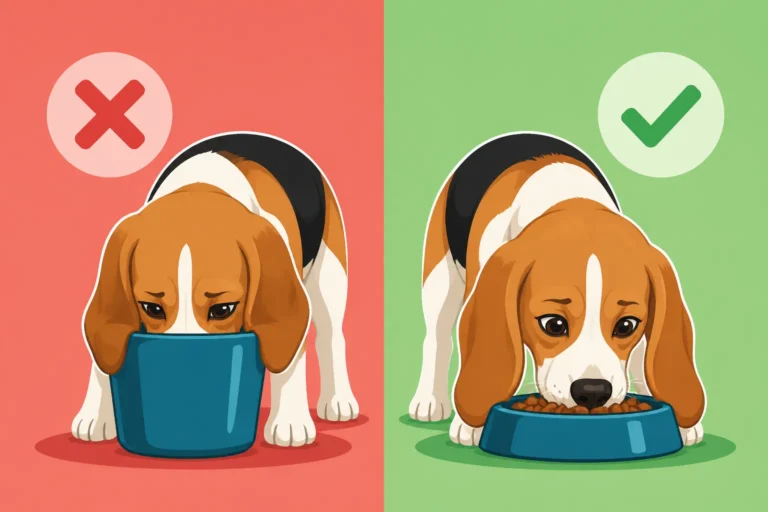
- Slow Feeders: Beagles are notorious for eating too fast. Slow feeder bowls or puzzle feeders can help them feel more satisfied by making mealtime last longer, preventing them from gobbling their food and immediately looking for more.
- Regular, Appropriate Exercise: While their activity may decrease, regular, gentle exercise is still vital. Short, controlled walks, especially sniff walks, are excellent. Exercise That Actually Burns Beagle Calories can offer more ideas for activities.
Making a commitment to weight management can dramatically improve your Beagle's comfort and mobility, buying them more pain-free years.
Incorporating Supplements and Healthy Treats
Even with a high-quality senior dog food, sometimes extra support is needed. This is where targeted supplements and smart treat choices come in.
Supplements:
- Joint Supplements: As mentioned, glucosamine, chondroitin, and MSM are popular choices. Some vets also recommend supplements containing hyaluronic acid or green-lipped mussel for comprehensive joint support. Always discuss any new supplement with your veterinarian, especially if your Beagle is on other medications.
- Fish Oil: Even if their food contains omega-3s, additional fish oil can often provide therapeutic levels. Liquid forms are easy to add to food. Again, ensure quality and purity.
- Turmeric: This spice contains curcumin, a powerful natural anti-inflammatory. It can be given as a supplement, often combined with piperine (black pepper extract) to enhance absorption.
Healthy Treats:
- Low-Calorie Options: Instead of processed dog biscuits, consider small pieces of cooked lean meat (chicken, turkey), plain sweet potato, or green beans. These offer nutrition without excessive calories.
- Joint-Supporting Chews: There are many dog chews on the market that are fortified with joint support ingredients. Be mindful of the calorie count and choose ones appropriate for your Beagle's chewing style to avoid choking hazards. When browsing on Amazon, you'll find a wide variety of these.
- Puzzle Toys: Instead of just giving treats, use puzzle toys or snuffle mats with a portion of their kibble or healthy treats. This provides mental enrichment and slows down consumption, which is particularly good for Beagles who are always thinking about food.
It’s about being intentional with every bite. Every treat, every supplement, should contribute positively to their health and comfort. Feeding a Senior Beagle Past the Age of Ten provides more context on overall senior nutrition.
Common Pitfalls and What to Avoid
While we focus on what to include, it's just as important to be aware of what to avoid. Sometimes, our best intentions can inadvertently cause harm, especially when it comes to an aging Beagle's delicate system.
The Dangers of "Human Food" and Table Scraps
It's incredibly tempting to share a bite of your dinner with those soulful Beagle eyes staring up at you. We've all been there! However, feeding "human food" and table scraps can be one of the biggest sabotages to an aging Beagle's back health and overall well-being.
Here’s why it’s problematic:
- Hidden Calories: Our food, even seemingly healthy options, can be packed with calories, fats, and sugars that are far too rich for a dog's diet. A few bites here and there quickly add up, contributing to weight gain and the extra strain on their spine. Beagle Obesity Treated as a Health Problem is a critical read on this topic.
- Digestive Upset: Many human foods contain ingredients that are difficult for dogs to digest, leading to an upset stomach, diarrhea, or pancreatitis, which can be particularly dangerous for senior dogs.
- Harmful Ingredients: Some common human foods are downright toxic to dogs. Onions, garlic, grapes, raisins, chocolate, and artificial sweeteners like xylitol can cause severe illness or even death. For a comprehensive list, consult The Foods That Are Toxic to a Beagle.
- Nutritional Imbalance: A diet composed of table scraps is inherently unbalanced, lacking the specific nutrients and ratios an aging Beagle needs for spinal health and other bodily functions. It's difficult to ensure they're getting enough glucosamine, chondroitin, or omega-3s when their primary intake is random bits from your plate.
It’s hard to resist, but drawing a firm line on table scraps is one of the kindest things you can do for your senior Beagle. Their health, and especially their back, will thank you for it.
Over-Supplementation and Unproven Remedies
In our earnest desire to alleviate our Beagle's pain, it's easy to fall into the trap of thinking "more is better" when it comes to supplements, or to be swayed by unproven remedies. This can be not only ineffective but potentially harmful.
- Toxic Levels: While certain vitamins and minerals are essential, some can become toxic at high doses. Fat-soluble vitamins, for example, can accumulate in the body. An excess of certain minerals can also lead to imbalances or organ damage. Always adhere to recommended dosages based on your dog's weight and veterinarian's advice.
- Interactions with Medications: If your senior Beagle is already on prescription medications for pain, thyroid issues, or other conditions, certain supplements can interact negatively, either reducing the efficacy of the medication or causing adverse side effects. This is why a vet consultation is paramount.
- Waste of Money: Some supplements or "miracle cures" advertised online or through social media lack scientific backing and may simply be expensive placebos. Your hard-earned money is better spent on high-quality food and vet-approved treatments.
- Masking Underlying Issues: Relying solely on unproven remedies might mask a more serious underlying health condition that requires specific veterinary intervention. Delays in diagnosis can lead to worse outcomes.
When considering any supplement or dietary change for your aging Beagle, always consult your veterinarian first. They can provide guidance based on your dog's specific health profile, existing conditions, and current medications, ensuring that any new addition to their diet is safe, beneficial, and truly supportive of their back health.
Disclaimer
This article is for general informational purposes only and does not constitute professional advice. Laws, prices and regulations vary by location and change over time. Consult a qualified professional for guidance on your specific situation.