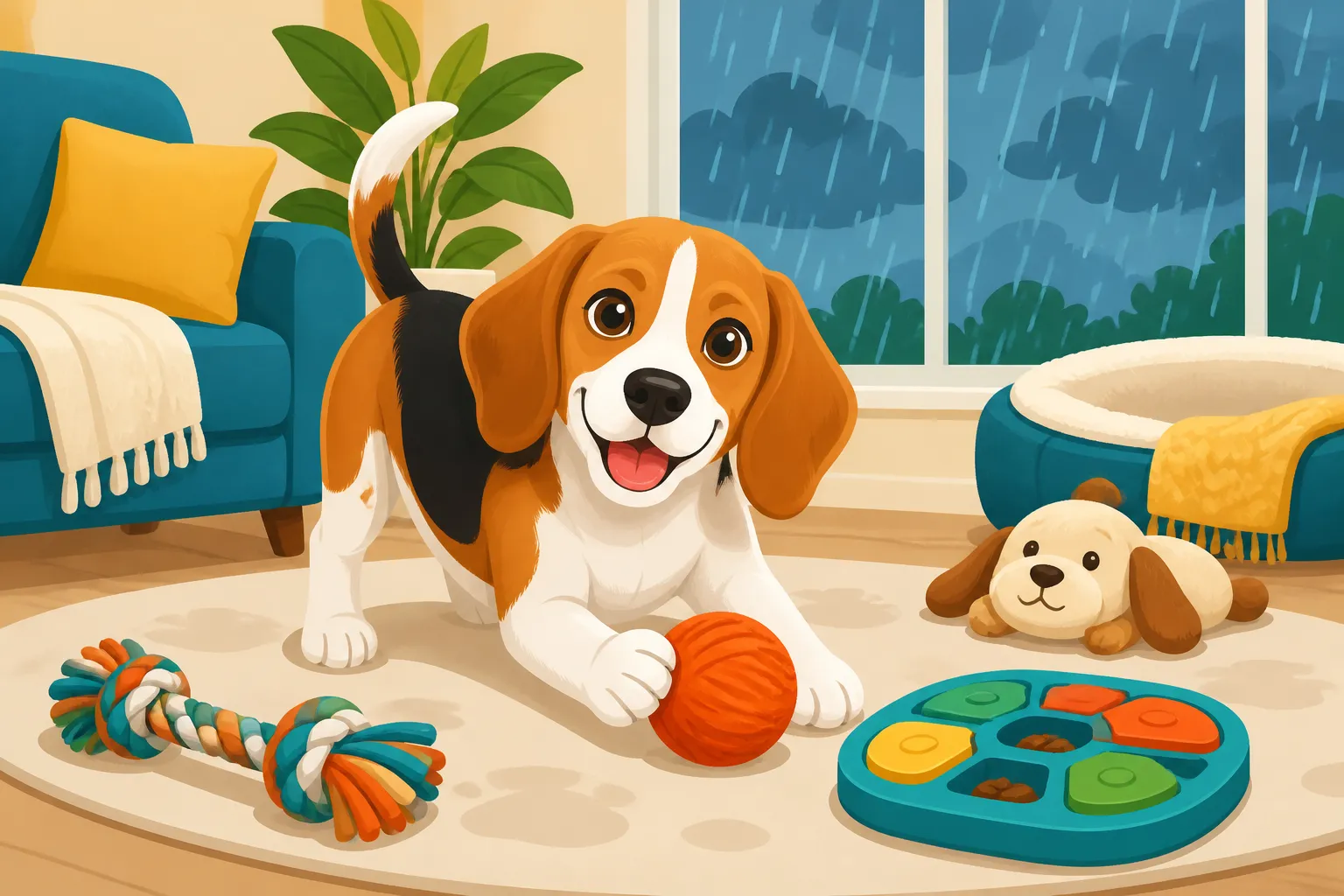
Indoor Games for a Beagle on a Rainy Day
Oh, the dread of a rainy day when you have a Beagle! You've got this energetic, nose-driven hound who thrives on outdoor adventures, tracking scents, and exploring every muddy puddle, and suddenly, the skies open up, trapping you both indoors. That pent-up energy, that restless pacing, the mournful baying at the window – it's a familiar frustration for so many Beagle owners. But fear not, because a wet forecast doesn't mean a bored Beagle or a destroyed house. This guide is all about transforming those dreary, rain-soaked hours into exciting, brain-stimulating fun for your beloved hound, keeping their unique instincts in mind.
The Challenge of a Rain-Bound Beagle's Energy
Let's be honest, a Beagle isn't just any dog. They're a breed built for endurance, for following a scent trail for miles, and for baying their heart out. When Mother Nature decides to pour, and you're stuck inside, that natural drive doesn't magically disappear. In fact, it often intensifies, leading to behaviors that can test even the most patient owner. Understanding why your Beagle gets so antsy indoors is the first step to truly helping them.
Why Traditional Indoor Play Falls Short
Many people think a quick game of fetch with a soft toy across the living room or a tug-of-war session will exhaust a Beagle. And while those activities are certainly fun and build a bond, they often fall short of satisfying a Beagle's deep-seated needs. Your Beagle has around 220 million scent receptors, compared to our mere 5 million. Their world is primarily smell, and physical activity that doesn't engage that powerful nose just isn't the same. They can run laps around your house for twenty minutes, then collapse for ten, only to spring back up with more energy than before. It's not that they don't enjoy physical play; it's that it doesn't tap into the core of their being. They need to think, to problem-solve, to hunt, even if it's just for a hidden treat in your hallway.
The frustration you feel when your Beagle is still bouncing off the walls after what feels like a good play session is completely valid. You've tried, you really have! But a Beagle's boredom often manifests in ways that are less than ideal: chewing furniture, counter surfing, endless baying, or even pacing holes in the carpet. It’s not malice; it’s an unmet need. They're telling you, in their own way, that their magnificent nose and keen mind require more than just a quick toss of a squeaky toy. Their brains are wired for complex tasks, for deciphering intricate scent puzzles, and simple physical exertion indoors often leaves that critical part of their brain completely underutilized. This is why we need to get creative.
The Importance of Mental Stimulation on a Rainy Day
If physical exercise alone won't do the trick, then mental stimulation is your secret weapon. For a Beagle, using their nose is the equivalent of a full-body workout for another breed. It engages their brain, taps into their natural instincts, and truly tires them out in a way that running a mile simply cannot. Imagine trying to solve a complex puzzle while simultaneously running a marathon; that's closer to what a good scent game does for a Beagle. When they are intently focused on deciphering a scent, their brain is working overtime. This cognitive effort releases endorphins, reduces stress, and satisfies that deep, ancestral drive to hunt and forage.
Think about it: in the wild, a hound spends a huge portion of its day actively hunting for food, relying on its nose. Even though our pet Beagles get their food in a bowl, that instinct remains incredibly strong. Providing structured, scent-based activities indoors mimics this natural behavior, giving them a "job" to do. This kind of mental enrichment can prevent destructive behaviors, alleviate anxiety, and create a much calmer, happier dog. It allows them to feel fulfilled, even when the rain is relentlessly drumming on the roof and a real outdoor Sniffing Walks and Why They Tire a Beagle Out isn't an option.
Engaging Your Beagle's Nose Indoors
When you're stuck inside with a Beagle, the absolute best thing you can do is engage that incredible nose. Scent games aren't just fun; they are profoundly satisfying for a breed hardwired to follow a trail. It's like sending them on a thrilling expedition right in your living room, complete with puzzles and rewards.
The Magic of Scent Games and Snuffle Mats
Snuffle mats are an absolute game-changer for Beagles. If you haven't discovered them yet, prepare to have your mind blown. A snuffle mat is essentially a mat made of many fabric strips, creating dozens of little pockets and hiding spots. Your job is to scatter kibble or small treats deep within these fabric folds, and your Beagle's job is to sniff them out. It sounds simple, but it's incredibly engaging. The act of pushing their nose into the fabric, carefully working through the layers, and using their powerful olfactory senses to locate every last morsel provides immense mental and sensory satisfaction.
To introduce a snuffle mat, start easy. Scatter a few pieces of their regular kibble or small, low-calorie treats directly on top of the mat so they can see and smell them easily. As they get the hang of it, begin pushing the food deeper into the fabric strips. Eventually, you can hide treats so well that they have to really work for it, burying their whole muzzle into the mat. You can easily find a wide variety of snuffle mats on sites like Chewy or Amazon, ranging from basic designs to more complex ones with multiple textures and hiding mechanisms. Some creative owners even make their own from fleece remnants. Remember, this isn't about speed; it's about the process of discovery, providing a valuable outlet for their inherent Beagle Scent Work as the Job a Beagle Was Built For.
"Find It" Games Around the House
Beyond snuffle mats, the "Find It" game is a cornerstone of indoor scent work. This game is fantastic because it requires no special equipment, just treats and your imagination. Start by having your Beagle in a "sit" or "stay" (or have a family member hold them) in one room. Show them a tasty, high-value treat – something they absolutely adore. Let them sniff it, then, with them watching, place it in a very obvious spot, like on the floor right next to a chair. Say "Find it!" enthusiastically and release them. Praise them lavishly when they find it.
Once they understand the concept, you can gradually increase the difficulty. Hide the treat slightly out of sight, under a bowl, behind a pillow, or tucked into the corner of a rug. As they become more proficient, start hiding treats in different rooms, leading them on a little treasure hunt. Always ensure the hiding spots are safe and accessible, avoiding anything that could be dangerous to chew or swallow. You can use a portion of their daily meal, especially if you're feeding a fresh food diet like Ollie, to ensure you're not overfeeding them with extra treats. This game can be adapted for any skill level, from a puppy's first introduction to an experienced Beagle tracking down a complex scent trail. It's one of the best ways to activate that magnificent nose and burn off mental energy.
Puzzle Toys and Treat Dispensers
Puzzle toys and treat dispensers are another excellent way to keep a Beagle's mind active and their nose engaged indoors. These toys require your dog to manipulate them in some way – nudging, rolling, pushing, or figuring out a lever – to release treats or kibble. They come in a vast array of shapes, sizes, and difficulty levels. For a strong chewer like a Beagle, robust options like Kongs are fantastic. You can stuff a Kong with peanut butter (xylitol-free!), wet dog food, cream cheese, or a mix of their kibble softened with broth, then freeze it. A frozen Kong can keep a Beagle occupied for a surprisingly long time, working to lick out every last bit.
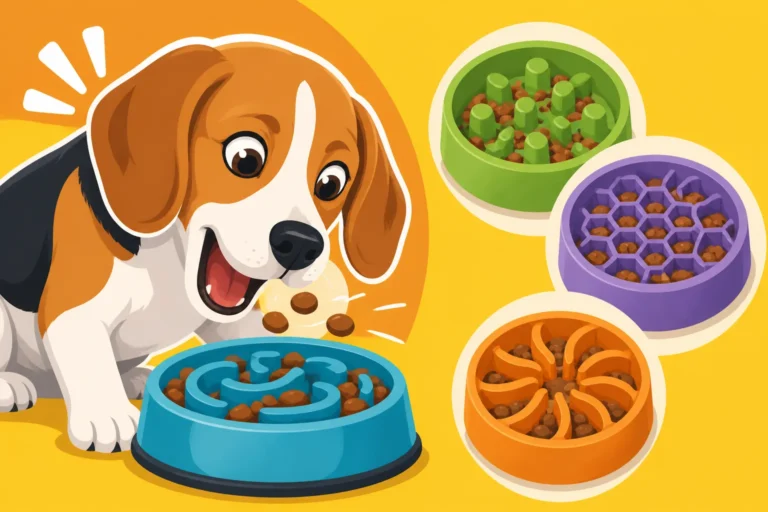
Beyond stuffable toys, there are interactive puzzle feeders that require your Beagle to slide panels, lift pieces, or rotate compartments to access food. Start with simpler puzzles, making it easy for them to succeed so they don't get frustrated. Once they've mastered the basics, you can move on to more complex designs. Look for durable, well-reviewed puzzle toys on sites like Amazon or Chewy, ensuring they are appropriate for your Beagle's size and chewing habits. These toys are brilliant for slow-feeding as well, which can be a huge benefit for a breed notorious for inhaling their food, as discussed in Puzzle Feeders That Genuinely Slow a Beagle. The constant mental engagement of working for their food can turn mealtime into a stimulating game, extending the activity and reducing boredom.
Brain Games Beyond the Nose
While scent work is paramount for Beagles, engaging their minds through other types of games and training is equally beneficial. A well-rounded indoor play routine will incorporate a variety of activities to prevent boredom and keep them sharp.
Learning New Tricks and Refining Old Ones
Training isn't just for puppies or for outdoor obedience; it's a fantastic indoor mental workout for any Beagle. Teaching new tricks, or even just practicing existing commands in novel ways, stimulates their brain, builds confidence, and strengthens your bond. Think beyond the basic "sit" and "stay." Consider tricks like "spin" (turning in a circle), "crawl," "bow" (front paws down, rear end up), or "weave" through your legs. Break down each trick into tiny, achievable steps, rewarding every little effort in the right direction. For example, to teach "spin," lure your Beagle with a treat to follow your hand in a circle, then add the verbal cue once they understand the movement.
Keep training sessions short – five to ten minutes at most – and positive. Beagles are smart and food-motivated, making them generally eager learners when the rewards are good. Use high-value treats to keep their attention, whether it's small pieces of cooked chicken, cheese, or their favorite commercial training treats. Just remember to factor these into their daily calorie intake to avoid unwelcome weight gain, a topic we cover in Training a Beagle Without Making It Fat. Even if they already know a trick, practicing it in a new environment (like a different room in the house) or with a new hand signal can add a fresh layer of mental challenge.
Indoor Agility or Obstacle Courses
You don't need a full agility course to give your Beagle a taste of this mentally and physically stimulating sport. You can create a fun, safe indoor obstacle course using everyday household items. Pillows, blankets, and towels can become tunnels or low hurdles. Use broomsticks laid across low stacks of books or sturdy boxes as mini-jumps (always keep them low to protect their back and joints, as discussed in Beagle Agility and the Impact on Joints). Weave poles can be improvised with chair legs or strategically placed water bottles.
Start by guiding your Beagle gently through each obstacle with a treat lure. Encourage them with cheerful praise and keep the mood light and fun. The goal isn't perfect form, but engagement and movement. Guide them under a blanket draped over two chairs, have them step over a cushion, or walk through a tunnel made of cardboard boxes. This activity not only provides physical movement but also requires focus, coordination, and problem-solving, which are excellent for mental enrichment. Always supervise closely and prioritize safety, ensuring no items can topple over or cause injury. It's a fantastic way to encourage a bit of athletic prowess and engage their bodies and minds simultaneously.
Interactive Play That Stimulates Their Minds
Beyond structured tricks and courses, simple interactive games can also provide significant mental stimulation. The "shell game" is a classic: place three opaque cups upside down on the floor. Show your Beagle a treat, let them sniff it, then hide it under one of the cups while they watch. Mix the cups around slowly, then encourage them to "find it!" When they nose or paw the correct cup, lift it to reveal the treat. Start with just two cups and no shuffling, then gradually increase the complexity.
Another idea is teaching object identification. Start with two distinct toys. Name one, "get the ball," and reward them when they pick up the ball. Then add the second toy, "get the rope," and so on. Over time, you can ask them to "bring me your toy" from a pile. This builds their vocabulary and requires them to think critically about what you're asking. Even a simple game of hide-and-seek with you can be mentally engaging. Have your Beagle "stay" in one room, then go hide in another room and call them. When they find you, it’s a big party with treats and praise. These types of games encourage problem-solving, listening skills, and reinforce the bond between you and your intelligent hound.
Keeping Calm and Carrying On: Managing Energy Levels
Even with the best indoor games, a Beagle’s energy can feel relentless on a long rainy day. Integrating these activities into a structured routine and understanding how to help them wind down is just as crucial as the games themselves. Remember, the goal is to not just burn energy, but to provide fulfillment.
The Importance of a Structured Routine
Beagles thrive on routine. While a rainy day might throw a wrench in your usual outdoor plans, maintaining some semblance of a schedule can help alleviate stress and uncertainty for your dog. Try to slot in your indoor scent games and training sessions around the times you would normally go for walks or have active playtime outside. For example, if your Beagle usually gets a long morning walk, replace that with a solid 30-minute "Find It" game or snuffle mat session. Follow it with some quiet chew time.
A predictable routine helps your Beagle understand what to expect, even if the activities are different. It minimizes anxiety that can arise from unexpected changes, and it helps them conserve energy for when it’s truly playtime. Consistency helps establish habits, and soon, your Beagle will associate the sound of rain with exciting indoor adventures rather than restless boredom. This structure provides a sense of security and can be incredibly valuable in managing a high-energy breed, especially one prone to Beagle Separation Anxiety in a Pack Breed if left without mental engagement.
Designated "Chill Out" Zones
After a stimulating session of brain games, your Beagle will need a place to decompress and relax. Having a designated "chill out" zone is invaluable. This could be their crate, a cozy bed in a quiet corner, or a special blanket on the couch. The key is to make this space a positive, inviting retreat where they can settle down. After a vigorous game of "Find It," guide them to their zone with a long-lasting chew or a stuffed Kong. The act of chewing is naturally calming for dogs and can help them transition from high energy to relaxation.
Consider providing calming chews or dental treats from brands you trust, which can keep them occupied and help them unwind. The goal is to teach your Beagle an "off switch" – that sometimes, after all the fun, it’s time to settle. Rewarding quiet behavior in their designated space helps reinforce this. Crate training, when done positively, makes a crate a true haven where your Beagle feels safe and secure, providing an essential tool for managing downtime. You can learn more about establishing a positive association in Beagle Crate Training From the First Day. By providing both high-energy mental stimulation and a clear opportunity for rest, you're helping your Beagle maintain a balanced, happy demeanor, even when the weather isn't cooperating.
| Indoor Game Type | Primary Benefit | Equipment Needed | Beagle Skill Level | Prep Time | Engagement Duration | Brand Mentions |
|---|---|---|---|---|---|---|
| Snuffle Mat | Scent Work, Foraging | Snuffle mat, kibble/small treats | Beginner to Advanced | Low | 15-45 minutes | Chewy, Amazon |
| "Find It" Game | Scent Work, Problem-Solving | Treats | Beginner to Advanced | Low | 10-30 minutes | Ollie |
| Puzzle Toys | Mental Challenge, Slow Eating | Interactive puzzle toy, treats/kibble | Intermediate to Advanced | Low | 20-60 minutes | Chewy, Amazon |
| Stuffed/Frozen Kong | Chewing, Prolonged Engagement | Kong, wet food/peanut butter, freezer | Beginner to Advanced | Medium | 30-90 minutes | |
| Trick Training | Mental Stimulation, Bond Building | Small, high-value treats | Beginner to Advanced | Low | 5-15 minutes | |
| Indoor Obstacle Course | Physical & Mental Agility | Household items (pillows, broomsticks) | Beginner to Intermediate | Medium | 15-30 minutes | |
| Shell Game | Problem-Solving | 3 opaque cups, treat | Beginner to Intermediate | Low | 5-10 minutes |
Disclaimer
This article is for general informational purposes only and does not constitute professional advice. Laws, prices and regulations vary by location and change over time. Consult a qualified professional for guidance on your specific situation.