Beagle Exercise Needs at Every Age
One of the biggest surprises for new Beagle owners is often just how much energy these little hounds truly possess. You might picture a calm, sleepy dog, but the reality is that an under-exercised Beagle can quickly become a destructive, vocal, and frustrated member of the household, pacing, barking, or finding creative ways to entertain themselves (usually at your furniture's expense). This comprehensive guide is here to walk you through the essential exercise needs of your Beagle at every stage of their life, from their bouncy puppy days to their golden senior years, ensuring you can keep them happy, healthy, and well-behaved.
Understanding the Beagle's Innate Drive for Activity
It's easy to look at a Beagle and think "small dog, small needs." But that couldn't be further from the truth. Beagles were not bred to be lap warmers; they were developed for a specific, demanding job that required immense stamina and an insatiable drive. Understanding this background is key to appreciating why they need so much daily activity.
The Hunting Heritage and Energy Levels
Imagine a pack of Beagles, noses to the ground, trailing a rabbit or hare for hours across fields and through woods. That's what they were bred for! These dogs are essentially finely tuned scent machines with powerful little legs and lungs built for endurance. Their history as scent hounds means they have an incredible amount of untapped energy and a deep-seated need to move, explore, and use their bodies. Ignoring this lineage is like trying to convince a fish not to swim. If you don't provide a constructive outlet for this energy, it will find its own way out, often in ways that are less than ideal for your home and sanity. They're not being "bad"; they're simply being Beagles.
The Scent-Driven World of a Beagle
For a Beagle, the world is a rich tapestry of smells, and their primary way of interacting with and understanding that world is through their nose. This isn't just about physical exercise; it's also about profound mental stimulation. A simple walk around the block might be a brief potty break for another dog, but for a Beagle, it's an immersive experience, a detective novel unfolding in real-time. Their brain is working overtime to process every sniff, every trace of scent left behind. This intense mental activity is just as tiring, if not more so, than physical exertion. Depriving them of this sensory enrichment is like locking a genius in a room with no books – they'll become bored and restless. Letting a Beagle Sniff on Every Single Walk is not just a kindness; it's a vital part of their daily exercise regimen.
Exercise for Beagle Puppies: Building a Strong Foundation
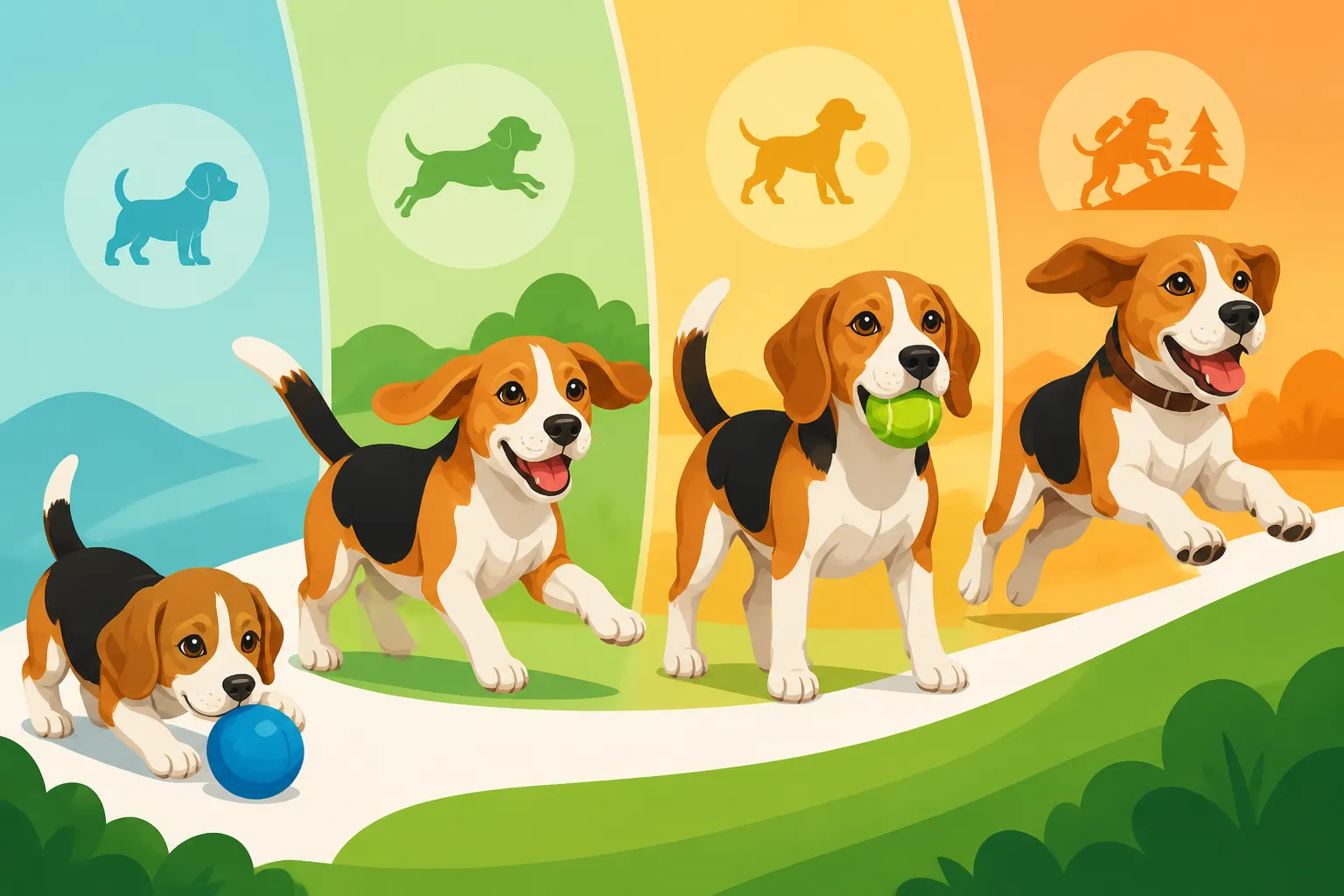
Bringing home a Beagle puppy is an exciting time, filled with adorable antics and endless cuddles. While their energy might seem boundless, it's crucial to remember that their little bodies are still growing and developing. Over-exercising a puppy can lead to joint damage and other health issues down the line, particularly in a breed prone to Beagle Hip Dysplasia and Everyday Joint Wear. The key here is controlled, age-appropriate activity.
Controlled Play and Socialization
Puppy play should be frequent but short, scattered throughout the day. Think of several 10-15 minute bursts of play rather than one long, strenuous session. This could involve gentle tug-of-war, chasing a soft toy, or supervised interactions with other vaccinated, friendly puppies. These early play sessions aren't just for physical development; they're vital for socialization. A well-socialized puppy learns appropriate play manners, bite inhibition, and how to interact respectfully with other dogs and people. Look for puppy classes that emphasize positive reinforcement and safe play environments. Using a soft ball or a rope toy from a range found on platforms like Chewy can keep them engaged without overdoing it. Remember, their bones and growth plates are still soft, so avoid excessive jumping, long-distance running, or anything that puts undue stress on their developing joints.
Short Sniffing Walks and Exploration
While long hikes are out, short walks on a leash are incredibly beneficial. These aren't about covering distance but about exploration and exposure. Let your Beagle puppy dictate the pace, allowing them plenty of time to stop, sniff, and investigate the world around them. These "sniffing walks" are fantastic for mental stimulation and help build their confidence in different environments. Keep these outings brief, perhaps 5-10 minutes a few times a day, especially in areas with minimal exposure to unknown dogs until their vaccination series is complete. The rule of thumb for puppy exercise is often cited as five minutes of exercise per month of age, twice a day. So, a four-month-old puppy would get around 20 minutes, twice a day. This ensures their physical activity scales with their growth. Leash Training a Beagle From Eight Weeks is a great time to introduce this, setting good habits early.
Adolescent and Adult Beagles: Peak Energy and Engagement
Once your Beagle moves past the puppy stage and into adolescence (roughly 6 months to 2 years) and adulthood, their exercise needs will intensify. This is when their true hound nature really emerges, and they'll require significant physical and mental outlets to thrive. Many owners find this to be the most challenging phase if they underestimate the Beagle's drive.
High-Intensity Activities and Mental Stimulation
An adult Beagle typically needs at least 60-90 minutes of vigorous exercise daily, often broken into two or more sessions. This isn't just a leisurely stroll; it needs to be engaging and allow them to burn off steam. Think brisk walks, jogging (if their joints are sound and they've been conditioned), fetch in a securely fenced yard, or dog park visits (again, only if they are well-socialized and the park is safe). Beyond the physical, mental stimulation is paramount. Puzzle toys filled with kibble or healthy treats, training sessions, and interactive games can help tire out their busy minds. Without this, you might find your Beagle inventing their own "puzzles," like figuring out how to Beagle Counter Surfing and Trash Raiding! Products from companies like Amazon, ranging from robust puzzle feeders to durable retrieve toys, can be invaluable here.
Harnessing the Nose for Productive Exercise
This is where understanding the Beagle's primary sense truly pays off. Instead of just trying to outrun their energy, channel it into activities that engage their powerful nose. Scent work, tracking, or nose work classes are absolute gold for Beagles. These activities provide intense mental and physical exercise, often tiring them out more effectively than pure physical exertion. Hide treats around the house or yard and encourage them to find them. Even on walks, dedicate time to letting them sniff to their heart's content. This isn't "wasting time"; it's how a Beagle processes the world and expends significant mental energy. Why a Scent Walk Tires a Beagle Faster Than Running is a concept every Beagle owner should embrace. Consider joining a local scent work club or even just trying out some at-home nose games found in online guides.
The Senior Beagle: Adapting Exercise for Comfort and Health
As your beloved Beagle transitions into their senior years (typically around 8-10 years old), their exercise needs will change again. While they may not have the boundless energy of their youth, exercise remains crucial for maintaining muscle mass, joint flexibility, and mental well-being. The goal shifts from high-intensity to gentle, consistent movement.
Gentle Movement and Joint Support
Senior Beagles still need daily exercise, but the type and duration should be adjusted to accommodate aging joints and reduced stamina. Multiple short, gentle walks throughout the day are often better than one long one. Instead of jogging, think leisurely sniff walks where they can explore without pressure. Swimming can be an excellent low-impact exercise for senior Beagles, as it supports their body weight while strengthening muscles. Pay close attention to how they are moving. Are they stiff after a walk? Do they seem reluctant to jump? These are signs it might be time to reduce intensity or length. Supplements can also play a role; many owners incorporate joint supplements to help support their senior Beagle's mobility, often sourced from pet supply retailers like Chewy. If your Beagle is showing signs of discomfort, discuss this with your vet; they might recommend specific therapies or medications. Beagle Arthritis Arriving in Middle Age is a common concern that needs proactive management.
Mental Engagement for Aging Minds
While their bodies might slow down, a senior Beagle's mind still needs stimulation to prevent cognitive decline. Continue with gentle nose games, puzzle toys (perhaps easier ones), and short, familiar training refreshers. Interactive toys can be a great way to keep them engaged from the comfort of their bed. Just like humans, mental activity keeps their brains sharp and helps maintain their quality of life. Keep their routine predictable and comforting, but don't stop offering opportunities for them to think and problem-solve. Even a few minutes of "find the treat" can make a big difference. Cognitive Decline in a Senior Beagle is a real issue, and mental exercise is a powerful tool to combat it.
Beyond Walks: Diverse Activities to Keep a Beagle Engaged
While daily walks are foundational, a well-exercised Beagle benefits immensely from a variety of activities that tap into their natural instincts and athletic capabilities. Monotony can lead to boredom, which in turn can lead to mischief.
Scent Work and Nose Games
This is perhaps the most natural and rewarding activity for any Beagle. Scent work capitalizes on their most powerful sense and provides unparalleled mental and physical stimulation. You can start with simple "find it" games at home, hiding treats under cups or around the room. As they progress, consider joining a formal nose work class or exploring canine scent detection sports. These activities allow Beagles to use their inherent talents, building confidence and tiring them out in a profoundly satisfying way. Imagine your Beagle intently following a trail, their tail wagging like a metronome – that's a happy Beagle at work. There are many starter kits for nose work available from places like Amazon to help you get started.
Agility and Obedience Training
Believe it or not, Beagles can excel in activities like agility or rally obedience. While they might not be the fastest or most precise, their intelligence and desire to please (especially for a tasty treat!) make them good candidates. Agility provides a fantastic full-body workout and mental challenge, requiring them to navigate obstacles. Obedience training isn't just about good manners; it's a form of mental exercise that strengthens your bond and provides structure. Regular training sessions, even short ones, can be incredibly beneficial. Incorporate high-value treats (perhaps fresh, healthy options from brands like Ollie) to keep their motivation sky-high. Beagle Agility and the Impact on Joints should always be considered, ensuring age-appropriateness and proper warm-ups.
Water Activities and Swimming
Some Beagles love the water, while others are more hesitant. If your Beagle enjoys swimming, it can be a fantastic low-impact exercise, especially beneficial for older dogs or those needing to lose a bit of weight without stressing their joints. Always introduce water safely and gradually, ensuring they have a secure exit point. A dog life vest is a must for water safety, even for strong swimmers. Supervised play in shallow kiddie pools or gentle retrieves in calm lakes can provide a refreshing and tiring workout on hot days. Not all Beagles are natural swimmers, but for those who are, it's a great way to mix up their routine.
Recognizing Signs of Too Much or Too Little Exercise
Finding the "just right" amount of exercise for your Beagle is a continuous learning process. It will vary based on their age, health, and individual personality. However, there are clear signs that can tell you if you're hitting the mark, or if adjustments are needed.
Identifying Under-Exercised Behaviors
An under-exercised Beagle is often a mischievous Beagle. They have all this pent-up energy and an active mind, and if you don't provide an outlet, they'll create their own. Common signs include:
- Destructive Chewing: Gnawing on furniture, shoes, or anything they can get their mouths on.
- Excessive Barking or Howling: This is a classic Beagle trait, but it often increases significantly when they're bored or frustrated. Beagle Howling, Baying and Barking Explained details this further.
- Restlessness and Pacing: Inability to settle down, constantly moving from room to room, seeking attention.
- Digging: Ripping up carpets, bedding, or even digging in the yard.
- Zoomies (sudden bursts of frantic energy): While normal in short spurts, prolonged or frequent zoomies can indicate an accumulation of unreleased energy.
- "Nose-Down" Disobedience: On walks, they might ignore your commands even more than usual because their scent drive has completely taken over.
If you're seeing a pattern of these behaviors, it's a strong indicator that your Beagle needs more physical activity, more mental stimulation, or a better combination of both.
Spotting Overtraining or Fatigue
While Beagles have incredible stamina, it's also possible to over-exercise them, especially puppies, senior dogs, or Beagles with underlying health conditions. Watch for these signs:
- Excessive Panting or Drooling: Beyond what's normal for their activity level and weather.
- Lameness or Stiffness: Limping, favoring a leg, or struggling to stand up after exercise. This is a crucial sign, especially for their back and hips.
- Reluctance to Exercise: Seeming uninterested in going for a walk or playing, which is unusual for a Beagle.
- Lethargy: Being unusually tired or sleeping more than normal after activity.
- Decreased Appetite or Thirst: Though sometimes an over-tired dog might drink more, watch for unusual changes.
- Behavioral Changes: Irritability, snapping, or general grumpiness, which can be a sign of discomfort or fatigue.
If you notice these signs, scale back the intensity or duration of their exercise and consult your veterinarian, particularly if lameness or severe lethargy is present. It's important to find that sweet spot where your Beagle is tired and content, but not exhausted or in pain. Remember, a well-exercised Beagle is a happy Beagle, but a properly exercised Beagle is a healthy one too.
| Beagle Age Group | Recommended Daily Exercise | Key Activity Types | Considerations |
|---|---|---|---|
| Puppy (8 wks – 6 mos) | 20-30 mins, 2-3 times/day | Short, controlled play; brief sniff walks; puppy classes | Avoid forced running, jumping; protect growing joints. |
| Adolescent (6 mos – 2 yrs) | 60-90+ mins, 2-3 times/day | Brisk walks, jogging (conditional); fetch; scent games; structured training | High energy, strong scent drive; mental stimulation crucial. |
| Adult (2 yrs – 8-10 yrs) | 60-90+ mins, 2-3 times/day | Brisk walks, jogging, hiking; scent work; agility; vigorous play | Continue challenging mind and body; maintain ideal weight. |
| Senior (8-10+ yrs) | 30-60 mins, 2-3 shorter sessions/day | Gentle sniff walks; swimming (if enjoyed); low-impact play; mental puzzles | Monitor for stiffness, fatigue; support joints; modify for health issues. |
Disclaimer
This article is for general informational purposes only and does not constitute professional advice. Laws, prices and regulations vary by location and change over time. Consult a qualified professional for guidance on your specific situation.