Beagle Cancer Risks That Rise With Age
Aging Beagles face higher cancer rates from cellular damage and weaker immune systems, threatening their twelve to fifteen year lives.
Know what to watch for.
Breed-specific conditions, screening and DNA tests, what surgery actually costs, and the daily habits that stretch a healthy lifespan.
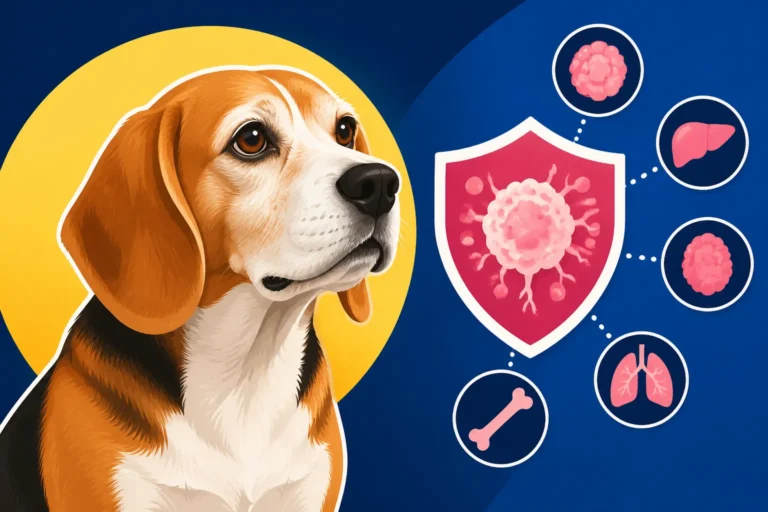
Aging Beagles face higher cancer rates from cellular damage and weaker immune systems, threatening their twelve to fifteen year lives.

Senior Beagle vision and hearing loss signs help owners adapt homes and routines to keep aging dogs safe and comfortable.
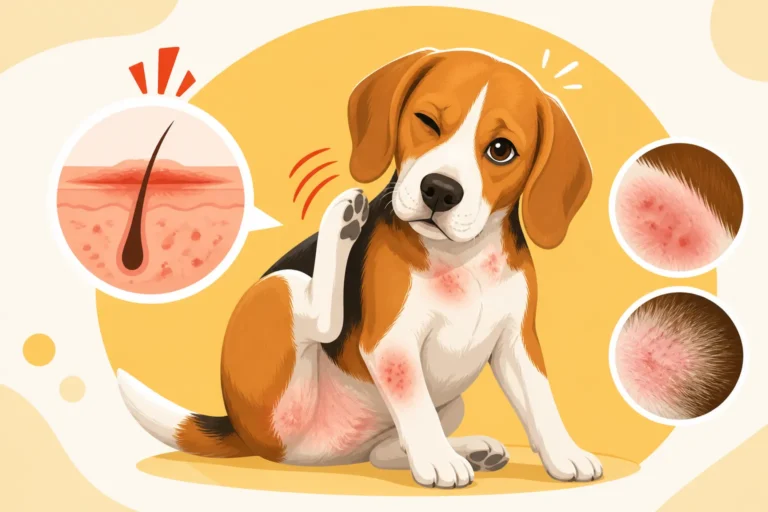
Beagle skin allergies and constant itching are explained, including environmental triggers, genetics, and floppy ear issues.

Beagle dental disease and tartar buildup explained through plaque formation, gingivitis progression, and periodontal inflammation processes.

Cerebellar degeneration in newborn Beagle puppies causes tremors, lack of balance, and poor coordination due to early genetic cell loss.
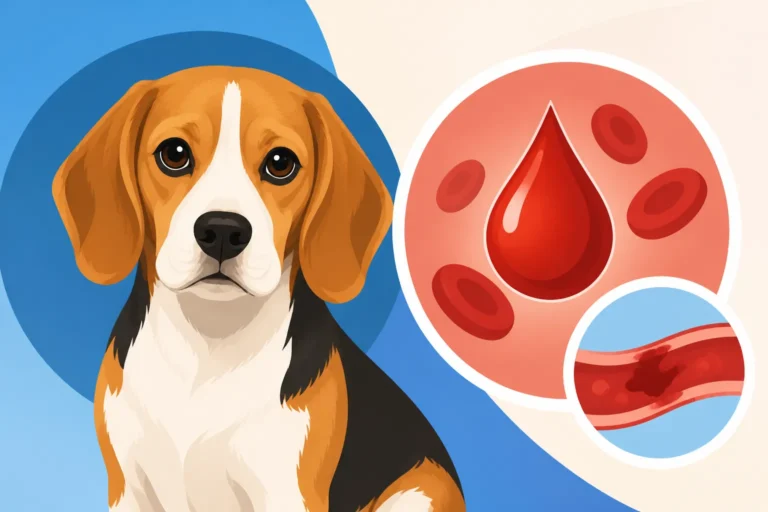
Factor VII Deficiency is an inherited genetic clotting disorder in Beagles that impairs blood plasma proteins and delays normal clotting.

Beagle heart disease and murmurs involve congenital defects like Patent Ductus Arteriosus, valve issues, and turbulent blood flow in the four-chambered muscle.

Beagle diabetes management requires daily insulin injections, blood sugar monitoring, and understanding genetic and obesity risks.
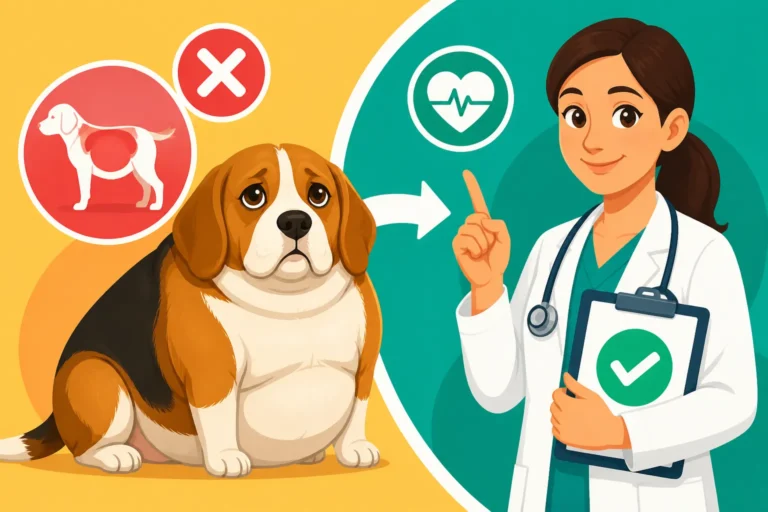
Beagle obesity is a metabolic disease causing joint strain and diabetes, threatening the lifespan and quality of life for hounds.
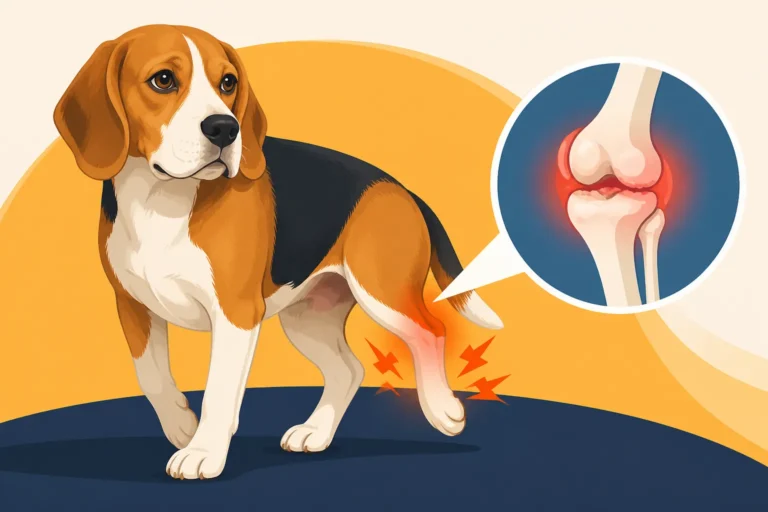
Middle-aged Beagle arthritis causes joint stiffness and pain as cartilage deteriorates, affecting hips, elbows, knees, and spines.