The Signs a Beagle Ear Needs a Vet
Subtle behavioral changes, head shaking, and inner ear redness help owners determine when Beagle ear issues require veterinary care.
The daily stuff, done right.
Feeding amounts by life stage, coat and skin routines, dental and nail care, exercise needs, and what changes as they age.
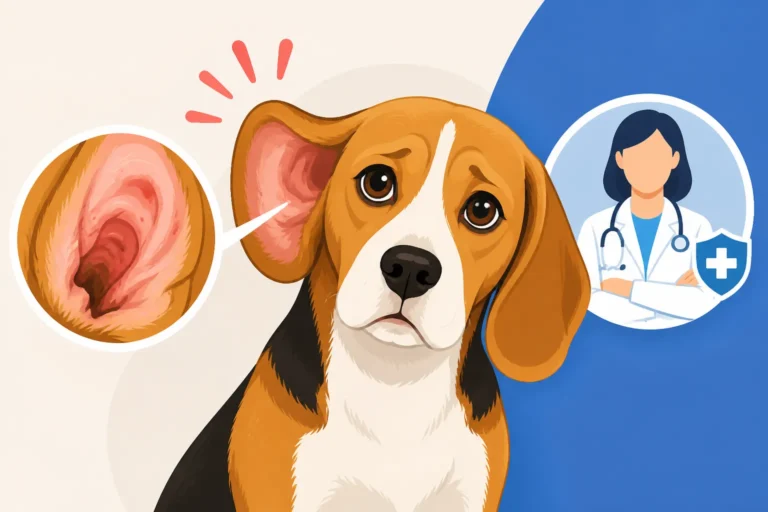
Subtle behavioral changes, head shaking, and inner ear redness help owners determine when Beagle ear issues require veterinary care.

Beagle ear hair trapping moisture and debris requires careful management to prevent painful chronic ear infections in dogs.

Proper post-swim drying steps prevent painful yeast and bacterial ear infections caused by trapped water inside long droopy ears.

Drying Beagle ears after baths prevents painful bacterial and yeast infections caused by trapped moisture under long, floppy flaps.
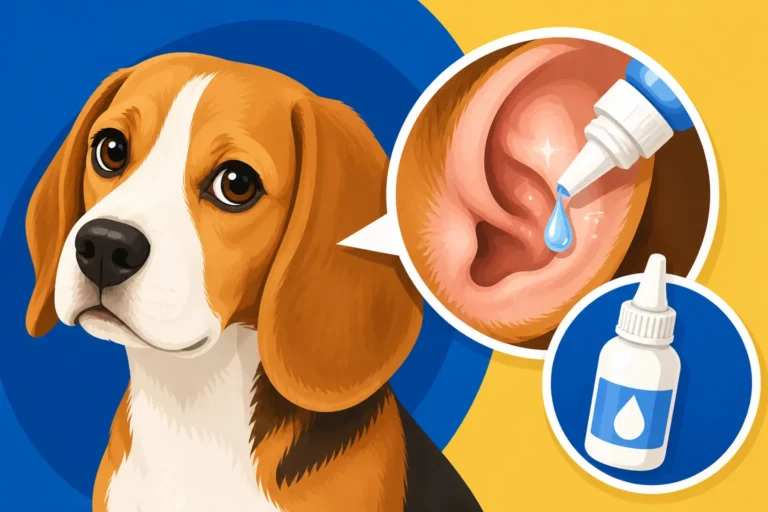
Gentle cleansers and saline solutions remove wax and moisture from floppy Beagle ears to prevent yeast and bacteria infections.

A five minute ear cleaning routine helps Beagle owners remove trapped dirt, prevent infections, and keep floppy ears healthy.
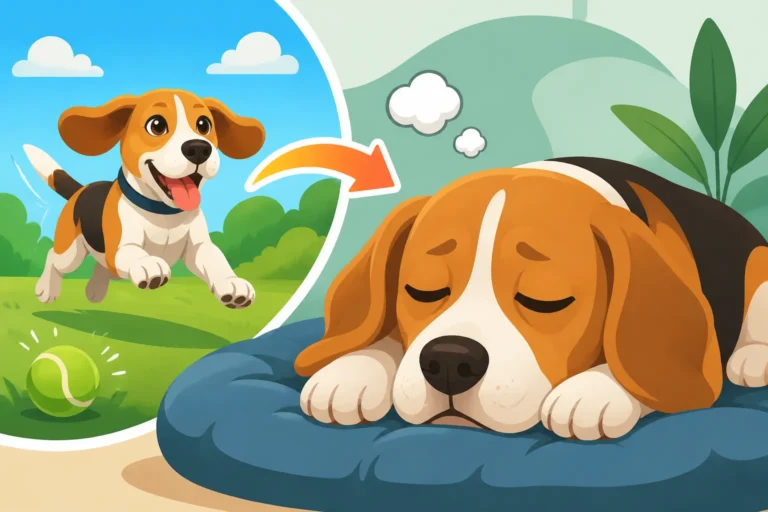
Beagle exercise signs explain how to recognize physical fatigue and when a hound has finished an optimal workout session.

Beagle agility training impacts joints and back health, requiring safe approaches to prevent injuries in canine athletes.
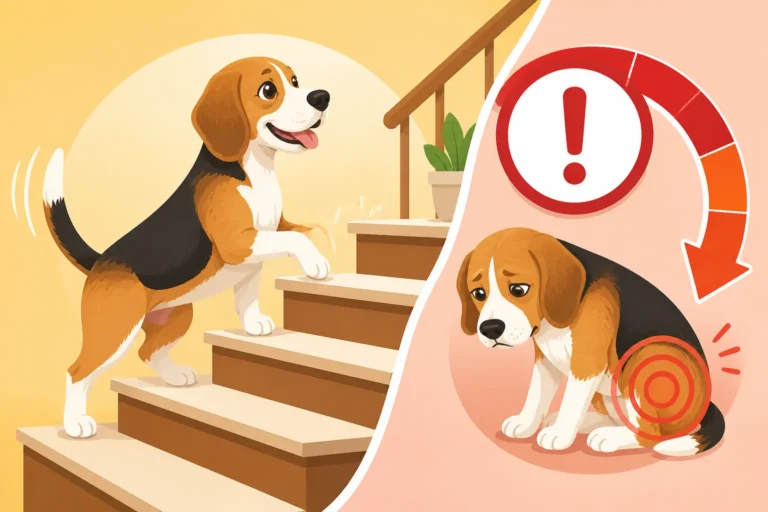
Frequent stair climbing increases intervertebral disc disease risks and spinal strain for Beagles due to their unique physical build.
Senior Beagle exercise routines adapted for dogs past ten years old to manage arthritis, joint wear, and declining stamina safely.