What the Beagle Standard Asked For a Century Ago
Early Beagle breed standards from a century ago defined the physical traits and working abilities valued by breeders.
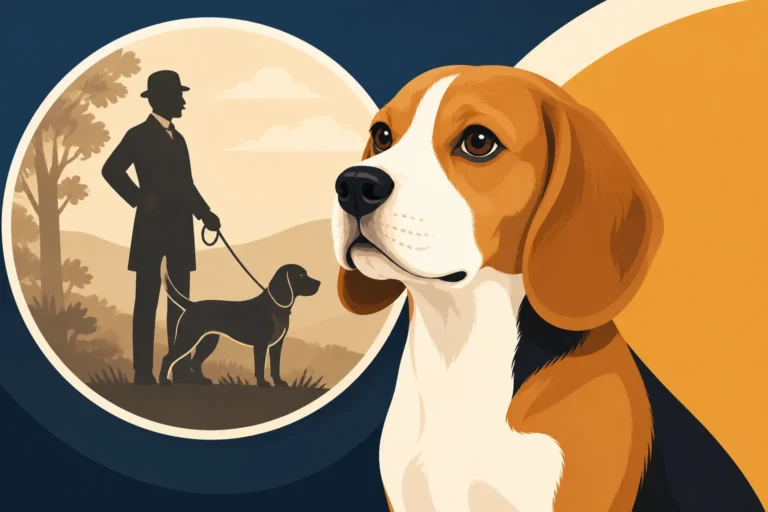
Early Beagle breed standards from a century ago defined the physical traits and working abilities valued by breeders.
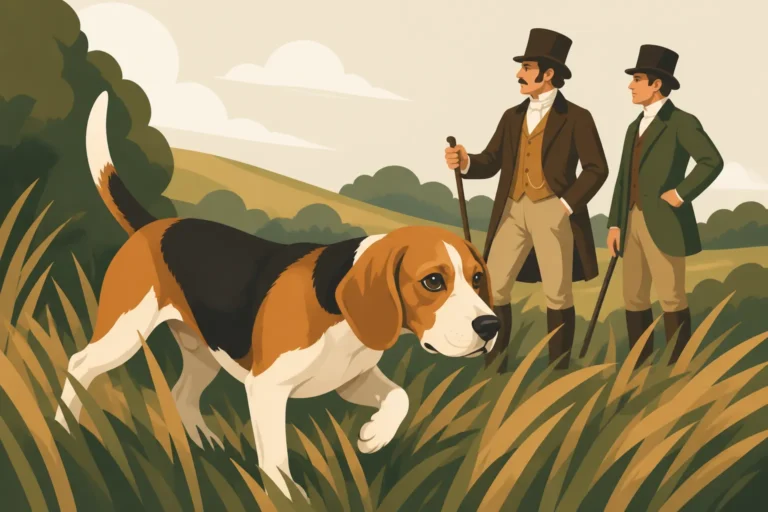
Nineteenth century Beagle field trials shaped the breed through organized hunting competitions that standardized scent tracking abilities.
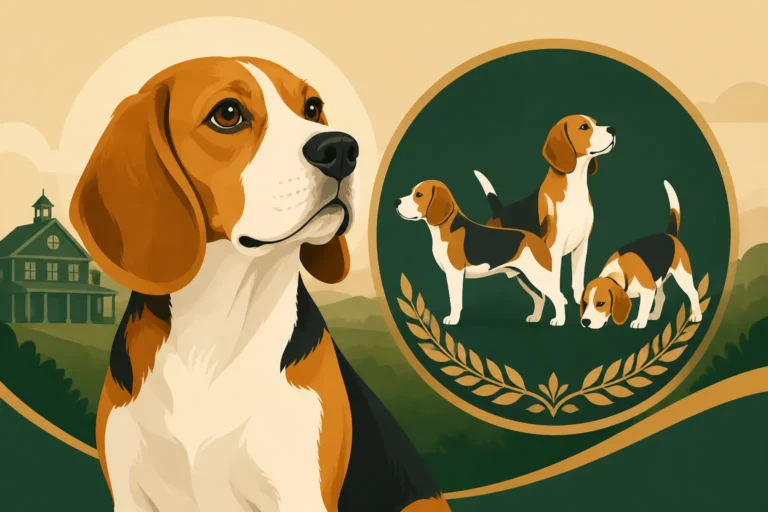
The National Beagle Club explains the 1887 founding of the club and how early hound breeding shaped the breed.
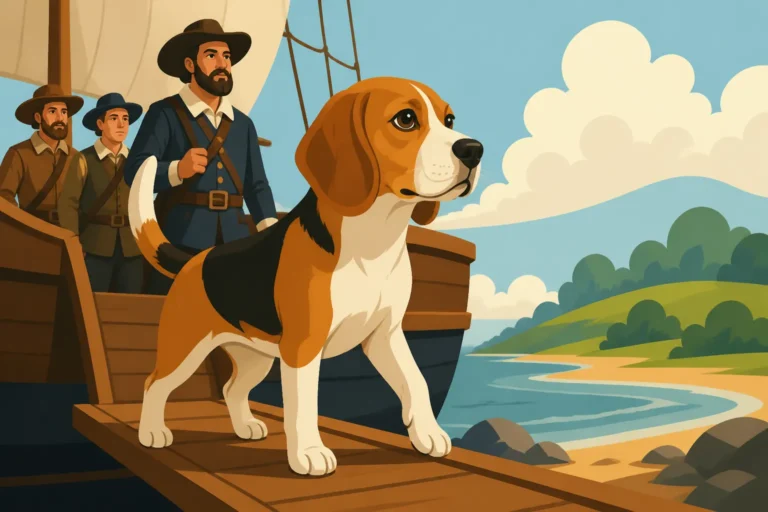
General Richard Rowett imported early Beagles from England to Maryland around sixteen forty-two for rabbit hunting.

Pocket Beagles and their history reveal whether small hunting hounds actually rode in medieval English saddlebags.
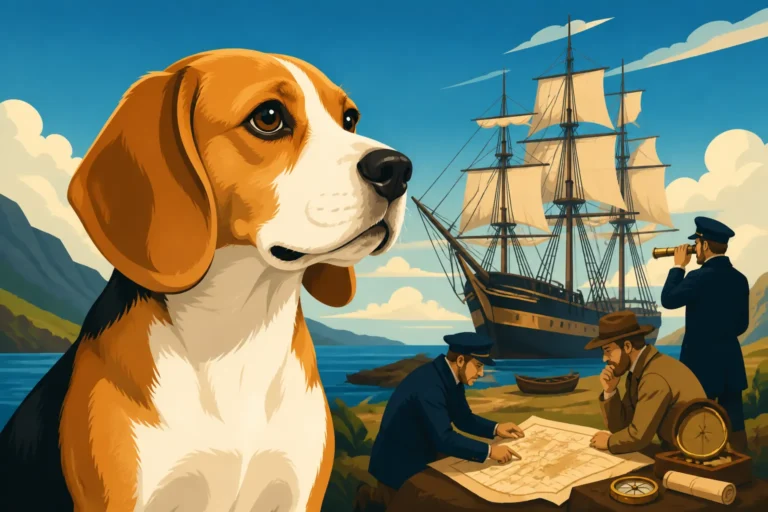
Beagle packs in the 1840s exhibited significant size and build variations, ranging from tiny pocket hounds to sturdier hunters.

Small Beagle hounds nearly vanished from history before dedicated breeders revived the rare regional varieties of Great Britain.
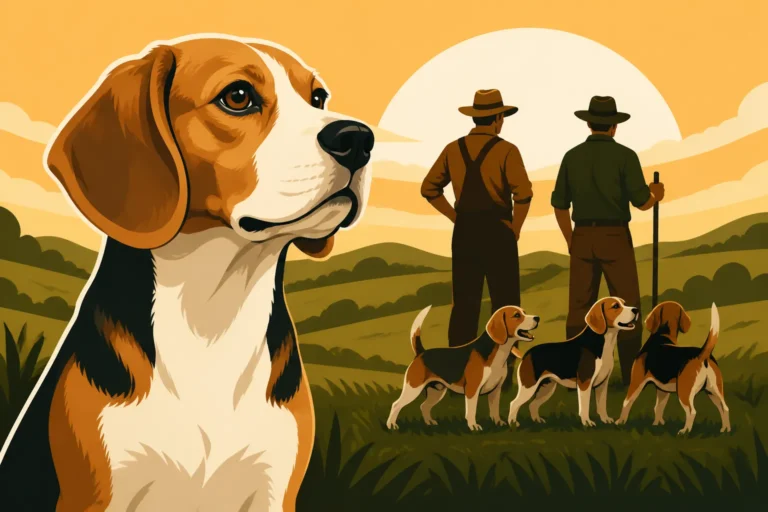
Southern farmers saved working rabbit beagles from decline by preserving their hunting utility and distinct heritage.

Thomas Johnson and early breeders transformed diverse working hounds into consistent Beagles with unified physical traits.
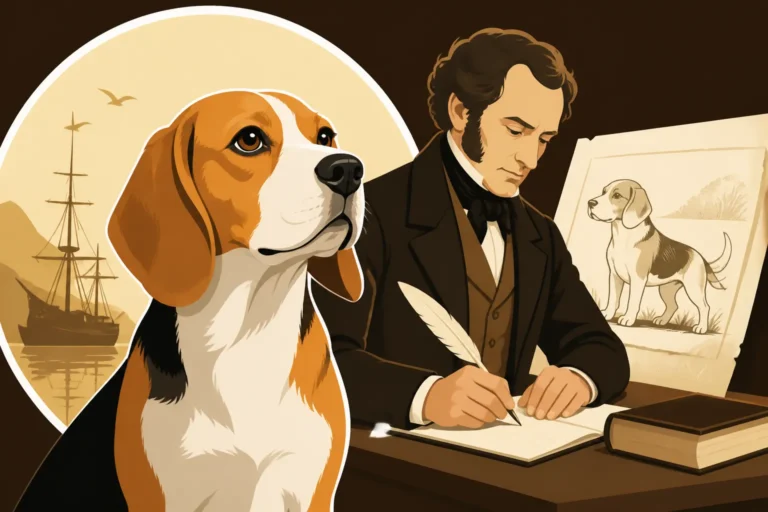
John Mills documented Beagle characteristics in 1845, showing their traits as working hounds hunting hare in Great Britain.