Beagle Tracking Titles and How to Earn Them
Few things are more frustrating than calling your Beagle's name and watching their tail disappear over the horizon, completely entranced by a scent. It's easy to feel like your beloved hound is just being stubborn, but really, they're just doing what they were born to do. Instead of fighting that incredible nose, imagine channeling it into a rewarding activity that strengthens your bond and earns them official recognition! This guide will walk you through the exciting world of Beagle tracking titles and how you can earn them, transforming that "stubborn" scent drive into a celebrated talent.
Understanding What Beagle Tracking Is All About
When you live with a Beagle, you quickly learn that their nose isn't just a part of their face; it's their entire world. They don't just sniff; they read the ground like we read a book, uncovering stories and histories with every inhale. Tracking is about giving that incredible instinct a purpose, a challenge, and a structured way to shine.
The Instinct That Drives Them: Beyond the Walk
For most dogs, a walk is about seeing the sights, stretching their legs, and maybe greeting a friendly face. For a Beagle, a walk is a symphony of smells, an intricate tapestry of scents unfolding beneath their eager nose. Their brain is wired to process this information in a way we can barely comprehend. They're not just smelling a squirrel; they're smelling that specific squirrel that ran by twenty minutes ago, the direction it went, and probably what it had for breakfast.
This profound instinct, backed by The 220 Million Receptors Behind a Beagle's Nose, means that traditional "heel" walking can feel restrictive, even pointless, to them. When they pull on the leash, it's not defiance; it's an urgent desire to investigate a compelling scent trail. Tracking sports harness this drive, giving them a "job" that is mentally and physically exhausting in the best possible way. Instead of battling their nature, we learn to appreciate and guide it. It’s an incredibly validating experience for both you and your hound when you see them utterly engrossed in following a track, using the very talent that sometimes makes walks a challenge.
The Difference Between Tracking and Nose Work
It's easy to conflate all scent sports, but tracking and nose work, while both relying on a dog's olfactory prowess, are distinct disciplines. Understanding the difference is key to choosing the right path for your Beagle.
Tracking involves following a specific human scent (usually that of a designated "track layer") over a pre-determined course. The dog is typically on a long line, with its nose to the ground, trying to decipher the subtle nuances of human footfall and disturbed vegetation. The goal is to follow the track exactly, indicating turns and finding articles (like a glove or wallet) dropped by the track layer. It's all about methodically working a ground disturbance scent trail, mimicking the original purpose of hounds in following game. This taps directly into a Beagle's ancestral drive to follow a specific scent path.
Nose Work, also known as K9 Detection or Scent Work, involves teaching a dog to identify and locate specific target odors (often essential oils like birch, anise, and clove) in various environments – interiors, exteriors, vehicles, and containers. The dog works off-leash in a search area, indicating the source of the odor. It's less about following a trail and more about pinpointing a hidden scent source. While Beagles excel at nose work too, tracking is a pure testament to their hound heritage, demanding sustained focus on a fading ground scent. Both are fantastic ways to engage your Beagle's nose, but tracking often feels like a deeper dive into their genetic programming. Beagle Tracking and Nose Work Titles can offer pathways to recognition in both sports.
Why Pursue Tracking Titles with Your Beagle
Beyond the ribbons and certificates, there are profoundly rewarding reasons to embark on the tracking journey with your Beagle. It's not just a sport; it's a partnership, a mental workout, and a confidence booster.
First, mental stimulation is unparalleled. Few activities demand as much sustained mental effort from a dog as tracking. They're constantly processing complex scent information, making decisions, and problem-solving. A Beagle that's mentally tired is a happy, well-behaved Beagle, far less likely to be destructive or anxious at home. If you've ever dealt with a Beagle that seems to have endless energy even after a long walk, you know the frustration. Tracking truly wears them out in a way that running around the yard simply can't.
Second, the physical exercise involved is significant, even though it appears slow and deliberate. Following a track for hundreds of yards, over varied terrain, with intense focus, is surprisingly demanding. Your Beagle will be using muscles they didn't even know they had, all while staying connected to their primary sense. This measured, intentional movement is also often safer than high-impact sports, especially as Beagles age and might become prone to Beagle Hip Dysplasia and Everyday Joint Wear or Beagle Back Problems and Intervertebral Disc Disease.
Third, tracking profoundly builds your partnership and your Beagle's confidence. You learn to trust your dog's nose completely, letting them lead and decipher the world. This builds immense trust and strengthens your bond in a unique way. For a dog that might otherwise struggle with traditional obedience or be labeled "stubborn," excelling at tracking can be incredibly empowering, boosting their self-assurance. They learn they have an important job, and they're good at it.
Finally, earning formal recognition through tracking titles provides a sense of accomplishment for both of you. It's a tangible way to celebrate your Beagle's natural abilities and your dedication as a handler. These titles, awarded by organizations like the American Kennel Club (AKC), demonstrate a high level of skill and teamwork, and they're something to be incredibly proud of. It’s a way to prove that your Beagle's nose isn’t just for mischief; it’s a finely tuned instrument of detection.
Getting Started: Laying the Groundwork for Tracking Success
Jumping straight into laying complex tracks without preparation is like trying to run a marathon without ever having jogged. Success in tracking, especially for a Beagle, relies on solid foundational skills, the right equipment, and experienced guidance.
Basic Obedience and Foundation Skills
While tracking is primarily about scent, good basic obedience is still incredibly important. Think of it as the framework that supports the intricate scent work. You'll need your Beagle to be generally controllable and responsive, even when their nose is absolutely captivated.
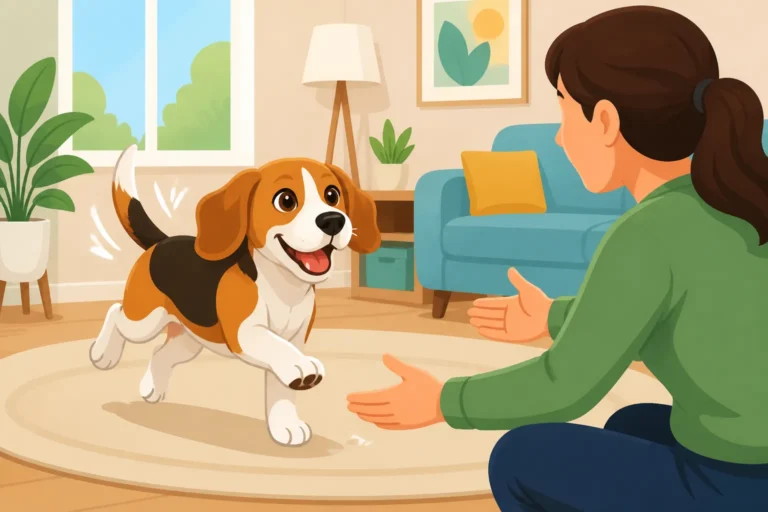
A reliable "stay" is invaluable. Imagine you're about to lay a track, and you need your Beagle to remain patiently in one spot while you walk away. A strong "stay" ensures they don't break prematurely and contaminate the track. Likewise, a solid "come" (or recall) is a lifesaver if they get distracted before starting a track or if you need to redirect them for any reason. Even though a Beagle's recall can be notoriously challenging when a good scent is involved, working on Beagle Recall That Works Before the Nose Wins in less distracting environments will pay dividends.
Focus is another key component. While a Beagle's focus on a scent is inherent, teaching them to focus on you in general situations will help manage their excitement and keep them connected during training. Short, positive training sessions, even just for five minutes a few times a day, can dramatically improve their responsiveness. Using high-value treats and a cheerful tone makes you more engaging than any distracting scent trail at first. Building Beagle Focus in a Distracting Place can start with simple indoor exercises before moving to the field.
Essential Gear for Tracking Training
You don't need a huge amount of specialized equipment to start tracking, but the right gear makes a world of difference for safety, comfort, and effective training.
-
Long Line: This is non-negotiable. A 20- to 30-foot long line (or even longer, up to 50 feet for advanced work) allows your Beagle to work far enough away from you to follow the track without you interfering, but still gives you control. Avoid retractable leashes, which can snap back and cause injury, or offer inconsistent tension. A sturdy, flat webbing or biothane line is ideal, as it's easy to grip and doesn't tangle as much as rope. You can find excellent quality long lines on platforms like Amazon.
-
Comfortable Harness: A well-fitting harness is crucial. It distributes pressure across your Beagle's chest and shoulders, rather than putting strain on their delicate neck and throat, especially when they're pulling intently on a scent. A Y-front or H-back harness is often recommended, ensuring it doesn't restrict shoulder movement. Avoid harnesses that pull under the armpits or restrict the natural gait. A tracking-specific harness can also signal "work mode" to your dog.
-
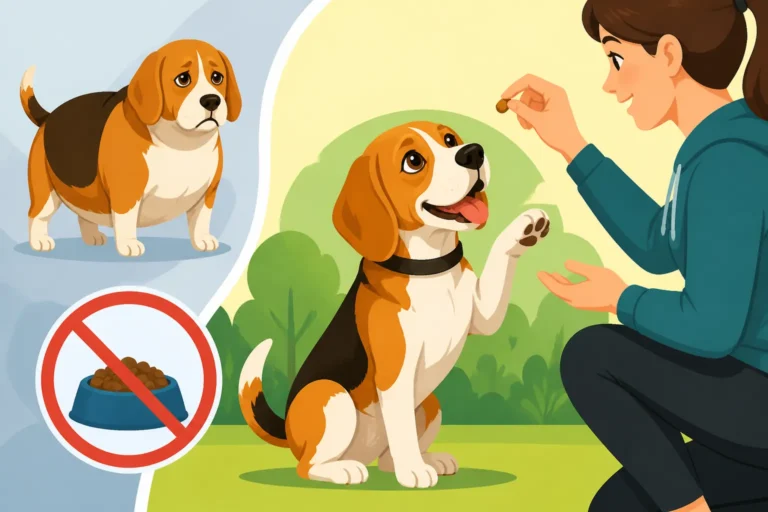
High-Value Treats: Beagles are famously food-motivated, and you'll leverage this heavily in tracking. You need treats that are irresistible, small, and soft. Think cooked chicken, hot dogs, cheese, or specialized training treats. The higher the value, the stronger the motivation to complete the track and find that reward. Having a generous supply of these is vital for positive reinforcement. Many excellent options are available on Amazon, often in bulk. Training a Beagle Without Making It Fat means using very small pieces!
-
Tracking Articles: These are the items the track layer drops along the track and at the end, which your Beagle needs to find and indicate. A simple leather glove or a wallet works perfectly. Ensure it's something distinct and easily picked up by your dog or clearly indicated.
-
Tracking Vest (Optional but Recommended): A brightly colored vest for your Beagle isn't just for looking official; it can help signal to your dog that it's "work time," differentiating tracking from a casual walk. It also makes them more visible in fields.
Finding a Mentor or Class
While there are plenty of online resources and books available, learning tracking effectively often requires hands-on guidance from an experienced instructor. Tracking is nuanced, and a good mentor can observe your Beagle's body language, analyze their progress, and offer tailored advice that online tutorials simply can't.
Look for local dog clubs that offer tracking classes. Many AKC-affiliated clubs have experienced members who regularly compete and are happy to teach newcomers. These classes provide a safe, structured environment to learn the ropes, practice with different track layers, and benefit from collective wisdom. You'll also meet other enthusiasts, which can be a huge source of support and motivation.
If in-person classes aren't immediately available, consider online platforms that offer foundational scent work courses. While they can't replace field experience, they can teach you the basic principles of scent theory, how to encourage your dog's natural sniffing, and prepare you for the next step. For example, BAXTER & Bella offers puppy training and general obedience courses that can instill the discipline needed, which can be a good stepping stone before specializing in tracking. However, for the intricate details of track laying and reading your dog's specific tracking style, a human mentor is truly invaluable. Getting a Beagle Started in Nose Work Classes often has instructors who also teach tracking or can point you in the right direction.
The Journey to Earning Beagle Tracking Titles
Earning a tracking title is a progressive journey, starting with simple exercises and gradually increasing in complexity. It requires patience, consistency, and a deep appreciation for your Beagle's innate abilities.
Starting with Short, Simple Tracks
The very first tracks you lay are all about building confidence and teaching your Beagle the "game." Keep them short, straight, and incredibly rewarding.
Here’s a typical starting point:
- Choose Your Location: Find a quiet area with minimal distractions, like a freshly mown grassy field. This reduces competing scents and makes the human track easier to isolate.
- The Track Layer: You'll need a track layer (which can be you or a friend) to walk the path. The track layer should walk at a normal pace, intentionally scuffing their feet a bit to disturb the ground and leave a strong scent impression.
- Laying the Track: Start with a short, straight line, maybe 15-20 steps. At the end, place a high-value article (like a glove you've worn for a while to imbue it with your scent) and place a generous pile of irresistible treats on top of it.
- The Start: Bring your Beagle to the beginning of the track. Put them on their tracking harness and long line. Encourage them with an enthusiastic "Find it!" or "Track!" cue. Let them put their nose down and explore.
- The Reward: The moment your Beagle reaches the article and eats the treats, celebrate big! Lots of praise, more treats, and excitement. This positive association is crucial.
- Repeat: Do a few of these short, easy tracks in a session, always ending on a high note. The goal is for your Beagle to understand that putting their nose down and following your scent leads to an amazing reward. Don't worry about perfection; focus on enthusiasm and success.
Initially, the track can be "fresh," meaning you lay it and immediately run your dog on it. This allows for the strongest scent picture.
Gradually Increasing Difficulty
Once your Beagle consistently and enthusiastically follows short, straight, fresh tracks, it's time to incrementally increase the challenge. This is where the true art of tracking comes into play.
- Adding Turns: Introduce gentle, 90-degree turns. Start with just one turn on a short track, ensuring your Beagle successfully navigates it before adding more. This teaches them to stay on the path even when the scent direction changes. You want to see them "work" the corner, swinging their head to find the continuation of the scent.
- Varying Surfaces: Beagles need to track over different terrains. Start moving from mown grass to taller grass, then perhaps a patch of dirt, and eventually gravel or even pavement (though pavement can be very challenging as it holds scent differently). Each surface presents a new puzzle for their nose.
- Increasing Track Length and Age: Gradually extend the length of the track from 50 yards to 100, then 200, and so on. Simultaneously, increase the "age" of the track. Instead of running it immediately, wait 15 minutes, then 30, an hour, and eventually several hours. An older track means the scent has dissipated more, requiring finer discrimination.
- Introducing Distractions: This is especially important for Beagles, who are masters of distraction! Begin by choosing locations that naturally have some distractions (e.g., another person walking in the distance, a bird flying by). Later, you can intentionally add "cross-tracks" – another person walking across your track – to teach your Beagle to stay focused on their track. This helps them learn to differentiate their target scent from ambient smells, addressing the very frustration you feel when Why a Beagle Ignores You Halfway Down a Trail.
Remember, every increase in difficulty should be followed by success. If your Beagle struggles, go back a step, simplify the track, and rebuild their confidence. This is a marathon, not a sprint, and patience is your most valuable tool.
Understanding the Tracking Title Levels
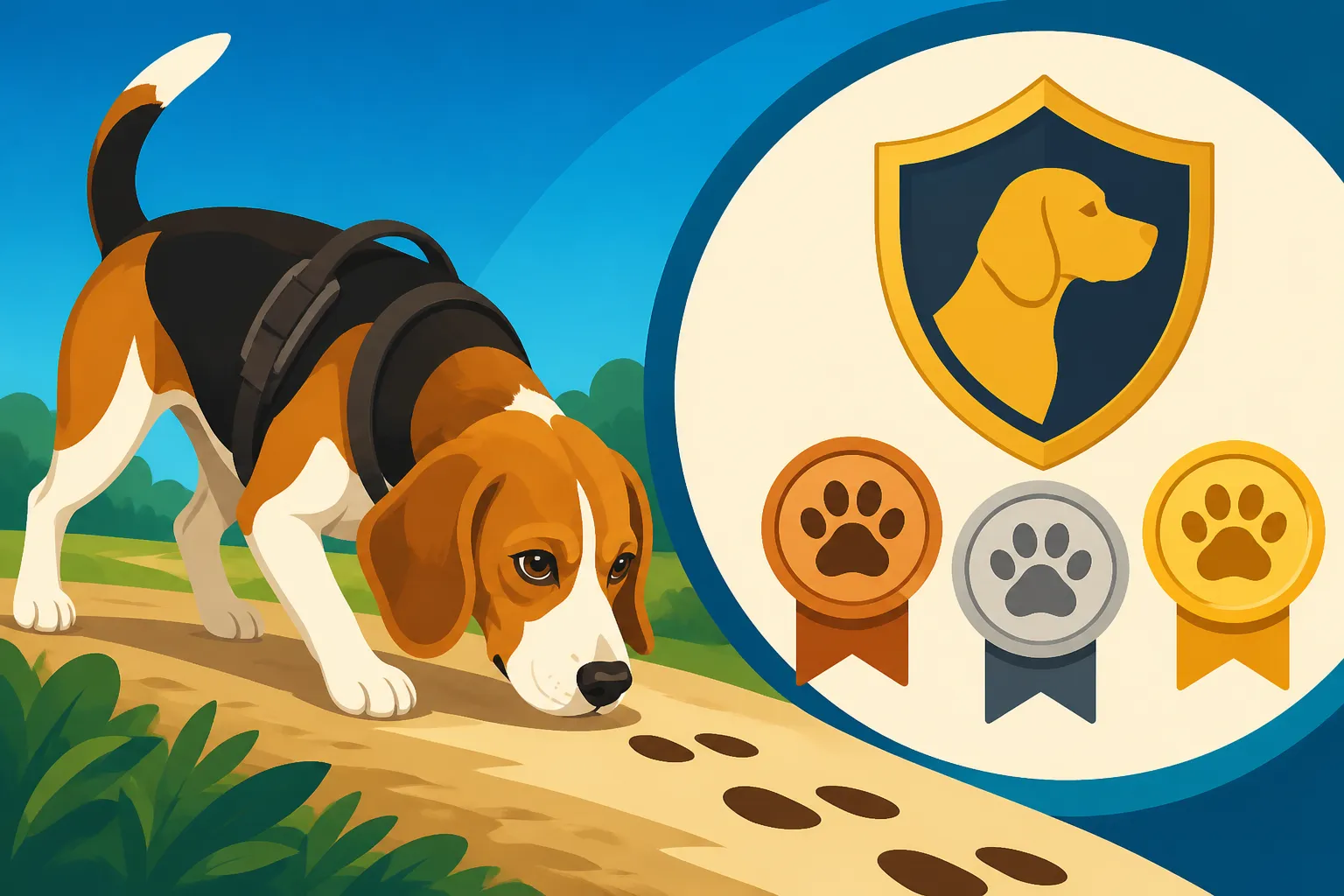
In the world of AKC tracking, there are several titles a Beagle can earn, each representing a higher level of skill and challenge. These are designed to progressively test the dog's ability to follow increasingly complex and older tracks.
Here's a breakdown of the common titles:
-
Tracking Dog (TD): This is the entry-level title. It involves a track that is 400-500 yards long, laid by a track layer, and aged between 30 minutes and 2 hours. The track will have 3-5 turns and will be in open field terrain (e.g., grass). The dog must find one article (usually a glove or wallet) at the end of the track. This title proves the dog can follow a basic ground scent.
-
Tracking Dog Excellent (TDX): This is a significant step up. The TDX track is 800-1000 yards long, aged between 3-5 hours, and includes 5-7 turns. Crucially, it introduces two "cross tracks" laid by different people to intentionally confuse the dog, requiring advanced scent discrimination. The terrain can also be more varied, and the dog must find two articles. This title demonstrates a refined ability to differentiate scents and maintain focus under pressure.
-
Variable Surface Tracking (VST): This is the most advanced tracking title, testing a dog's ability to track over a variety of surfaces. The track is 600-800 yards long, aged 3-5 hours, and features 4-8 turns. The key is that at least one-third of the track must be on non-vegetated surfaces like pavement, gravel, concrete, or mulched areas. The dog must find three articles. This title is a true testament to a Beagle's adaptability and advanced scenting prowess.
There's also the Champion Tracker (CT) title, which is awarded to dogs that have earned their TD, TDX, and VST titles. This is the ultimate recognition of a master tracker.
Here's a table summarizing the general requirements for these titles:
| Title Name | Track Length (approx.) | Track Age (approx.) | Number of Turns | Articles Found | Surface Variation | Distractions (e.g.) |
|---|---|---|---|---|---|---|
| Tracking Dog (TD) | 400-500 yards | 30 min – 2 hours | 3-5 | 1 | Open field (grass) | Minimal |
| Tracking Dog Excellent (TDX) | 800-1000 yards | 3-5 hours | 5-7 | 2 | Varied field, light cover | 2 cross-tracks |
| Variable Surface Tracking (VST) | 600-800 yards | 3-5 hours | 4-8 | 3 | Significant non-vegetated surfaces | Environmental (urban elements) |
| Champion Tracker (CT) | Earned by achieving TD, TDX, and VST titles. |
It's important to consult the official rules and regulations of the sanctioning body (e.g., AKC) for precise and up-to-date requirements, as they can sometimes vary slightly.
The Tracking Test Day Experience
Test day can be a mix of excitement and nerves! Knowing what to expect can help ease some of the tension for both you and your Beagle.
- Arrival and Check-in: You'll arrive at the designated test site, typically a large park or rural property. There will be a check-in area where you confirm your entry and receive your assigned track number.
- The Draw: Tracks are usually assigned randomly. You'll be told which track number you have and where to wait. Each track is meticulously laid by a certified track layer and then "judged" to ensure it meets the requirements for the title being tested.
- Waiting Your Turn: This can be the hardest part, especially for an eager Beagle. Keep your dog calm and comfortable. Many handlers bring a crate and blankets. Avoid excessive play or excitement that could burn out their energy before they even start.
- The Start: When your number is called, you'll be led to your track's start flag. You'll meet the two judges overseeing your test. They'll explain the procedure and confirm you're ready. You'll then present your Beagle at the start flag, allow them to sniff the scent (often a small piece of fabric from the track layer's pocket), and give your "track" command.
- The Track: Your Beagle will lead the way, nose to the ground, on the long line. Your job is to follow, staying far enough back not to interfere, but close enough to support and observe. The judges will walk behind you, quietly observing your dog's work. You're looking for that purposeful, driven pace, the slight hesitation at turns, the renewed vigor when they hit the scent again. It’s a beautiful dance of trust.
- Finding the Article: The moment your Beagle finds the article at the end of the track (or one of the articles on a TDX/VST track), they usually indicate it by picking it up, nudging it with their nose, or lying down next to it. You'll calmly pick up the article and present it to the judge. This signals the completion of the track.
- The Result: The judges will then confer and let you know if your Beagle passed or failed. Regardless of the outcome, always celebrate your Beagle's effort! They worked hard. If you pass, it's an exhilarating moment of shared success. If you don't, it's an opportunity to learn and try again. Unlike Beagle Field Trials and Running With a Pack where speed can be a factor, tracking is about accuracy and methodical work.
Common Challenges and How to Overcome Them
Tracking is rewarding, but it's not without its bumps in the road. Beagles, with their intense prey drive and independent spirit, present their own set of unique challenges that handlers must learn to navigate.
The Distracted Beagle: "Rabbit!"
Ah, the dreaded "squirrel moment," or more accurately for a Beagle, the "rabbit, deer, pheasant, neighborhood cat, or lingering fast-food wrapper" moment. Beagles have an incredibly strong prey drive, and any fresh animal scent can pull them off a human track in a heartbeat. This is perhaps the biggest frustration for Beagle tracking enthusiasts.
Overcoming this requires a multi-pronged approach:
- Location, Location, Location: Start training in areas with minimal wildlife. A mown agricultural field that's just been harvested, or an open park during off-peak hours, can be ideal. As you progress, slowly introduce environments with more ambient wildlife scent.
- High-Value Rewards: Ensure your rewards for staying on track are even more compelling than the distraction. That piece of boiled chicken or stinky cheese needs to out-compete the rabbit scent. This helps your Beagle make the cognitive leap that staying on your track leads to the best reward.
- Proofing: This is the process of gradually training your dog to perform consistently under increasing distractions. Start by having a helper walk a "cross-track" with a tempting treat or toy, but not a live animal, to teach your Beagle to ignore it. Work on Impulse Control Exercises That Suit a Beagle in everyday life to build their ability to resist temptation.
- Trusting the Line: When your Beagle's nose veers off-track towards a distracting scent, the long line is your gentle but firm reminder. Don't yank or punish. Instead, calmly apply slight tension, and gently guide them back to the last place they were working the track. Give a gentle verbal cue like "Find it!" or "Back to work!" The goal isn't to prevent them from noticing the distraction, but to teach them to prioritize the target scent.
- Understanding Their Signals: Sometimes a Beagle will quickly investigate a distraction and then return to the track. Learn to differentiate a momentary check from a full-blown "bolt." Often, what looks like distraction is just them processing all the information before returning to their main task. When Why a Beagle Ignores You Halfway Down a Trail, it's often because they've found something more interesting – your goal is to make your track the most interesting.
Handler Errors: The Human Factor
It's easy to blame the dog when things go wrong, but in tracking, often the biggest obstacle is the handler. Our human tendencies can inadvertently hinder our Beagle's natural ability.
Common handler errors include:
- Tight Leash: A tight leash or constantly pulling on the line can convey anxiety to your Beagle, or worse, physically pull them off the track. It also prevents them from dipping and weaving naturally to work the scent. The line should be mostly slack, guiding rather than dictating. Learn to release tension and allow your Beagle to lead.
- "Helicopter Handling": Hovering over your Beagle, constantly talking to them, pointing, or trying to "show" them the track. Your Beagle knows where the scent is; you don't. Trust their nose! Your role is to observe, support, and manage the line, not to micromanage their every sniff.
- Lack of Patience: Tracking is slow. It can feel painstakingly slow. You might be tempted to rush them, but a Beagle needs time to work a fading scent. Rushing can cause them to miss subtle scent changes or become frustrated.
- Not Reading Your Dog: Every Beagle has unique signals when they are on track, when they are casting for scent, or when they are genuinely lost. Learn your dog's specific body language – the tail carriage, the head movement, the changes in pace. This comes with experience, often gained by observing other handlers and listening to your mentor.
- Inconsistent Training: Sporadic training sessions without a clear progression lead to confusion. Consistency, even with short, focused sessions, builds understanding and skill.
The best way to overcome handler errors is self-awareness, patience, and good instruction. Video-recording your training sessions can be incredibly insightful, allowing you to review your technique and identify areas for improvement. A good tracking instructor will also provide direct feedback on your handling.
Weather Woes: Rain, Wind, and Heat
Weather plays a huge role in how scent behaves and how a dog tracks. What might be an easy track on a cool, calm morning can become an impossible challenge on a hot, windy afternoon.
- Rain/Humidity: Fresh rain can wash away or disperse ground scent, making tracking much harder. However, light humidity can sometimes help "hold" scent closer to the ground. You'll need to learn how your Beagle performs in various moisture levels.
- Wind: Wind is a major scent disruptor. It can carry scent away from the track, create false trails, or make it hard for your Beagle to keep their nose down. When it's windy, consider shorter, fresher tracks, or work in areas with some natural windbreaks.
- Heat: Beagles can easily overheat, especially with their dense double coat and low-to-the-ground work. Heat significantly impacts their ability to focus and perform. Avoid tracking in high temperatures. Early mornings or late evenings are best in warmer climates. Always carry plenty of water for both you and your dog. Exercising a Beagle Through Hot Summer Weather emphasizes starting and ending activities early to avoid the peak heat.
- Cold: While Beagles generally do well in cooler weather, extreme cold can still be a factor, especially for older dogs. Ensure they are comfortable and that their paws are protected from icy surfaces if necessary.
The key is to train in a variety of conditions, but always prioritize your Beagle's comfort and safety. Understand that some days, the weather simply isn't conducive to effective tracking, and it's better to reschedule than to create a frustrating or unsafe experience. Learning how scent behaves in different conditions is part of the tracking handler's education.
Beyond the Titles: The Joy of a Working Beagle
Earning tracking titles is a wonderful achievement, but the true, lasting joy of tracking lies in the journey itself – the strengthened bond, the mental and physical enrichment, and the vibrant community you become a part of.
Strengthening Your Bond Through Scent Work
Few activities foster such a profound level of trust and communication as tracking. When you're out in the field, your Beagle is the expert, and you are their supporter. You learn to rely entirely on their nose, observing their subtle shifts in body language that tell you they're on scent, they're searching, or they've found something. This requires relinquishing some control and truly listening to your dog.
For a breed like the Beagle, often perceived as independent or stubborn, this shared endeavor is incredibly powerful. They learn that their innate talent is valued and celebrated, and you learn to see them in a new light – not just as a pet, but as a skilled working partner. This deepens your understanding of each other, building a connection that transcends everyday commands and enhances every aspect of your relationship. It’s a quiet, intense partnership where both of you are fully present and engaged.
Continued Enrichment and Fun
Even after earning titles, tracking can remain a fantastic source of enrichment for your Beagle throughout their life. It provides ongoing mental and physical exercise, keeping their minds sharp and bodies fit. You can continue to lay increasingly complex tracks, explore new terrains, and enjoy the sheer pleasure of watching your Beagle do what they were born to do.
Beyond formal tracking, the world of scent work offers other avenues for fun and engagement. Barn Hunt and Scent Games in a Beagle's Backyard can be a fantastic way to keep their nose engaged closer to home. You can even dabble in other detection sports like Canine Good Citizen (CGC) Urban Scent challenges, or simply set up fun "hide-and-seek" games with treats around your house or yard. The possibilities for nose work are endless, and a Beagle will rarely turn down an opportunity to use their most prized asset. Remember, Why a Scent Walk Tires a Beagle Faster Than Running – engaging their brain is often more exhausting than just pure physical exertion.
The Community of Tracking Enthusiasts
One of the most unexpected delights of getting involved in dog sports like tracking is the community you find. Fellow tracking enthusiasts are often passionate, supportive, and incredibly knowledgeable. You'll meet people who share your love for working dogs and understand the unique quirks and challenges of Beagles.
This community provides a network for advice, shared training sessions, and camaraderie. You'll celebrate each other's successes, commiserate over challenges, and learn invaluable tips and tricks from those with years of experience. Whether it's finding new training grounds, sharing resources for high-value treats (like those found on Amazon), or simply having someone to cheer you on at a test, the tracking community can become a second family. This shared passion enriches the experience beyond measure, turning a solitary activity into a communal adventure.
Disclaimer
This article is for general informational purposes only and does not constitute professional advice. Laws, prices and regulations vary by location and change over time. Consult a qualified professional for guidance on your specific situation.