Beagle Puppy Car Rides and Motion Sickness
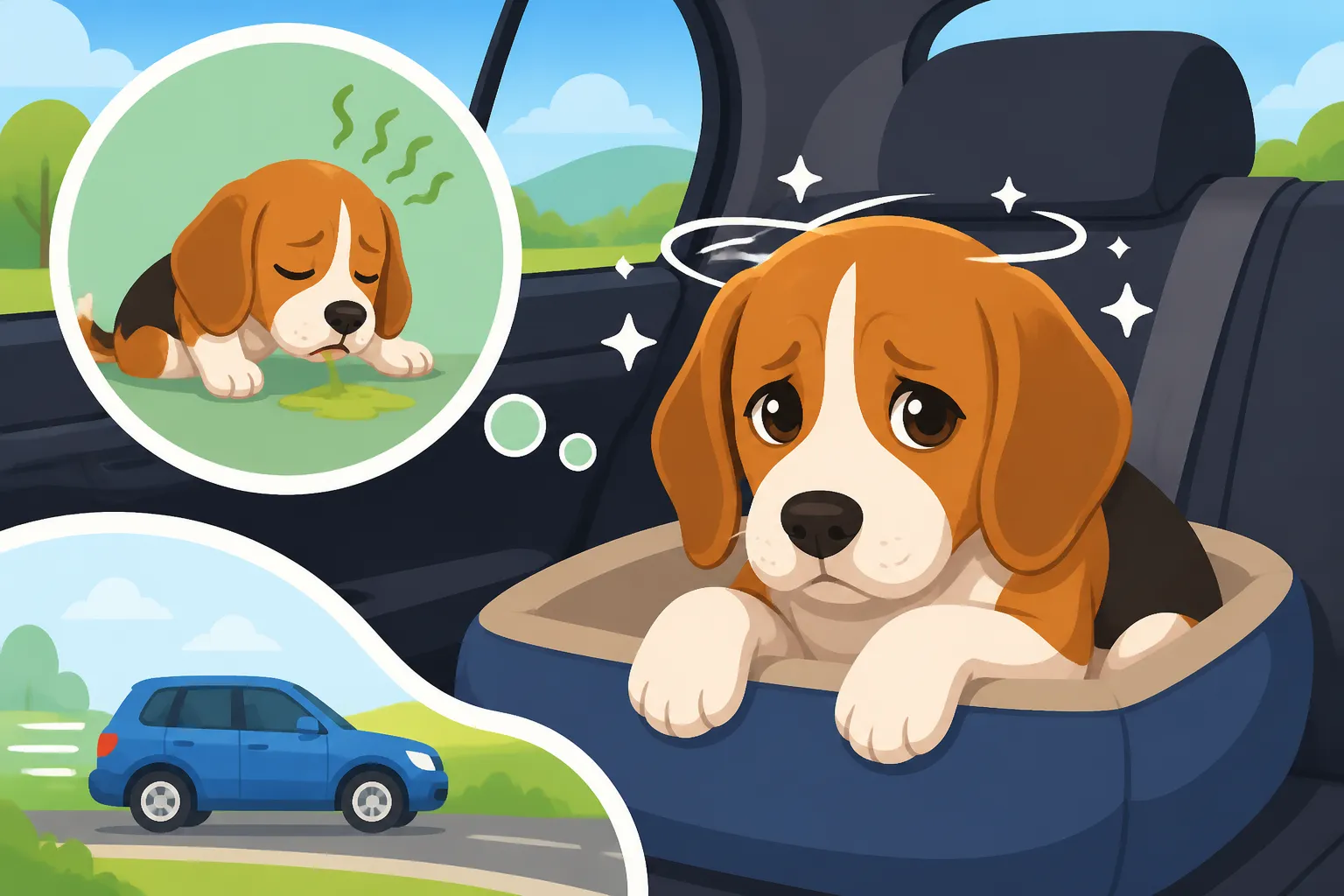
It's truly heartbreaking, isn't it, when you've just brought your adorable Beagle puppy home, picturing happy adventures together, only for car rides to become a dreaded experience? The excited anticipation turns to a pit in your stomach as you watch your little hound drool, whine, and eventually, maybe even get sick. You want to take your puppy everywhere, but this motion sickness makes every trip, even to the vet, feel like an ordeal. This guide is here to walk you through understanding why your Beagle puppy might be getting car sick and, more importantly, how to make car rides a positive, comfortable experience for both of you.
Why Your Beagle Puppy Might Get Motion Sickness
There are several reasons why car rides can be such a tough experience for young Beagle puppies. It’s not just a stubborn refusal to cooperate; often, there are genuine physical and emotional factors at play. Understanding these underlying causes is the first step toward finding effective solutions.
The Immature Vestibular System
One of the primary reasons puppies, including our beloved Beagles, are prone to car sickness is their still-developing vestibular system. This system, located in the inner ear, is responsible for balance and spatial orientation. Think of it like a tiny, sensitive gyroscope in their head.
When a car moves, especially with all its turns, accelerations, and stops, the inner ear sends signals to the brain that don't quite match what the eyes are seeing or what the body is feeling. For an adult dog, whose vestibular system is fully mature, these conflicting signals are usually processed without much fuss. But in a puppy, this system is still getting used to the world. It’s not quite as adept at sorting through those conflicting messages, leading to confusion, dizziness, and ultimately, nausea. It’s very similar to why young children are often more susceptible to motion sickness than adults – their systems are still learning to cope with such complex sensory input. It’s purely physiological, and your puppy isn't being difficult; they're genuinely feeling unwell.
Stress, Anxiety, and Negative Associations
Beyond the physical aspects, the emotional component of car travel can also trigger or exacerbate motion sickness in puppies. For many young Beagles, the only car rides they've experienced have been to the vet for shots or a check-up. These aren't exactly thrilling excursions, are they? If every car trip ends with a poke, prod, or something uncomfortable, it’s entirely natural for a puppy to develop a negative association with the vehicle itself.
This fear can manifest as anxiety, even before the car starts moving. A puppy might begin to whine, drool, or tremble the moment they realize they’re heading towards the car. This stress response can easily trigger nausea and vomiting, even if their inner ear isn't the primary culprit. They might also be overwhelmed by the unfamiliar noises, vibrations, and the feeling of confinement, especially if they aren't used to a crate or car harness. Imagine being a small creature in a big, noisy, moving box – it can be quite disorienting and frightening. Creating positive, calm experiences is crucial here.
Hunger, Overfeeding, and Hydration Issues
What and when your Beagle puppy eats before a car ride can also play a significant role in whether they experience motion sickness. Just like with humans, an overly full stomach, especially one packed with rich or heavy food, can make nausea much worse. The jostling motion of the car can easily lead to stomach upset and vomiting.
Conversely, a puppy that hasn't eaten in a very long time might also experience an empty stomach and low blood sugar, which can contribute to a queasy feeling. It’s a delicate balance. Dehydration can also make any feelings of sickness more pronounced, so while you don’t want a full belly of water right before a trip, ensuring your puppy is properly hydrated overall is important. This is one of those times where getting your Beagle Puppy Meal Frequency Month by Month just right can make a real difference in their comfort during travel.
Proactive Steps to Prevent Puppy Car Sickness
The good news is that car sickness in puppies is often something you can proactively work on, helping them develop a positive relationship with car travel. It takes patience, consistency, and a little bit of strategic planning, but it's absolutely worth the effort for future adventures.
Creating Positive Car Associations Early On
The key to preventing car sickness and anxiety is to make the car a happy, rewarding place from day one. Don't let the first few experiences be stressful vet trips! Start by simply introducing your puppy to the car while it’s parked and turned off. Let them explore the interior, sniff around, and discover that it’s not a scary monster.
Offer high-value treats and praise generously. You can even feed them a portion of their meal inside the parked car. Start with just a few minutes, gradually increasing the time they spend in there. The goal is for your puppy to associate the car with pleasant things: treats, toys, your calm presence. If you're working with a structured training program, companies like BAXTER & Bella offer excellent guidance on positive reinforcement and desensitization techniques that can be applied here. You want to build up positive feelings before the engine even turns on. This foundational work helps counteract any initial apprehension your puppy might feel.
The Art of Gradual Exposure
Once your puppy is comfortable in the stationary car, it's time to introduce motion – very, very gradually. Start with short, positive trips around the block. Don't immediately head for a long, winding journey. The first few moving trips should be to somewhere fun, like a nearby park for a sniff-walk, rather than directly to the vet. This reinforces the idea that car rides lead to good things.
Keep these initial trips brief, literally a few minutes, and always end on a high note. As your puppy becomes more relaxed, slowly increase the duration and distance of your drives. Pay close attention to their body language. If you see signs of discomfort, dial it back. The progress might feel slow, but rushing it can set you back further. Consistency is far more important than speed here. Remember, your goal is to make each car ride a pleasant, uneventful experience, building their confidence step by tiny step.
Optimal Feeding and Travel Preparations
What you feed your Beagle puppy and when you feed them can significantly impact their car comfort. As a general rule, it's best to avoid feeding a full meal right before a car trip, especially if they are prone to sickness. A good guideline is to feed them at least three hours before travel to allow for proper digestion.
If your puppy absolutely needs something in their stomach, or if the trip is very early in the morning, offer a small, bland snack, like a few plain rice cakes or a tiny bit of boiled chicken, an hour or so before departure. Make sure they have access to water right up until about 30 minutes before you leave, then offer another chance to relieve themselves. During the ride, good ventilation is crucial. Roll down a window slightly (just enough for fresh air, not enough for them to stick their head out entirely, which can cause ear issues or injury) or ensure the air conditioning is running. A comfortable temperature and fresh air can make a big difference in preventing nausea.
Secure and Comfortable Travel Setup
How your puppy travels in the car can also affect their propensity for motion sickness. A secure, comfortable setup can reduce both physical discomfort and anxiety. Many puppies feel more secure in a well-ventilated crate. The crate limits their field of vision, which can help reduce the conflicting signals to their vestibular system, and prevents them from moving around too much, which can exacerbate nausea. If you're looking for crates, you'll find plenty of options on Amazon that offer good ventilation and secure latches. Ensure the crate is secured so it doesn't slide around.
Alternatively, a car harness that tethers your puppy to a seatbelt can keep them safe and prevent them from becoming a projectile in a sudden stop. Some harnesses are designed to offer a sense of security without being overly restrictive. Whichever you choose, make sure it's comfortable and allows your puppy to either lie down or sit comfortably. Placing a familiar blanket or a worn t-shirt with your scent in their travel spot can also provide a sense of comfort and security, especially helpful if you’re also working on Crate Training a Beagle Bred to Sleep in a Pack.
Managing Acute Symptoms and When to Call the Vet
Despite all your best efforts, sometimes motion sickness still happens. It’s important to know how to recognize the signs, what you can do in the moment, and when it’s time to loop in your veterinarian for a more direct approach.
Recognizing the Signs of Motion Sickness
Even if your Beagle puppy hasn't thrown up, they might still be suffering from car sickness. Learning to recognize the more subtle signs can help you intervene before things get worse.
Common indicators include excessive drooling (often the first sign!), lip-licking, yawning repeatedly, restlessness, whining, or pacing. Your puppy might become unusually quiet, withdrawn, or appear anxious, sometimes trying to hide or huddle against you. If you notice these symptoms, it’s a clear signal that your puppy is uncomfortable and might be feeling nauseous. Pull over safely if you can, offer a brief break, and give them a chance to walk around if possible. For some Beagles, the anxiety itself can become a self-fulfilling prophecy, making them sick even without significant motion. Observing these early signs allows you to address the issue before it escalates to vomiting, making it easier to manage and helping prevent the formation of even stronger negative associations.
Over-the-Counter Remedies and Calming Aids
For mild cases of car sickness or anxiety, there are a few over-the-counter options you can discuss with your vet. Some owners report success with natural remedies like ginger, though it’s crucial to discuss appropriate dosages and forms with your vet before administering anything. You can also look into calming supplements that contain ingredients like L-theanine or chamomile, specifically formulated for dogs. Always read labels carefully and ensure they are safe for puppies.
Pheromone sprays or diffusers designed to mimic natural canine calming pheromones can also be helpful. You can spray these in the car or on a blanket placed in your puppy's crate about 15-20 minutes before departure. These aids aim to reduce anxiety, which in turn can lessen the likelihood of motion sickness. Products available on Amazon, for example, might include calming chews or sprays, but again, a quick chat with your vet about their suitability for your particular puppy is always the best first step. Never assume a product is safe without professional advice.
Prescription Medications for Severe Cases
If your Beagle puppy experiences severe or persistent motion sickness despite your training efforts and calming aids, it's definitely time to schedule a visit with your veterinarian. They can rule out any underlying medical conditions and discuss prescription medication options.
There are several effective anti-nausea medications specifically designed for dogs that can be prescribed. These often work by targeting the brain's vomiting center or by blocking the conflicting signals from the inner ear. In some cases, if anxiety is a significant component of the car sickness, your vet might also suggest a mild sedative or anti-anxiety medication for travel days. These are typically used for more infrequent, longer trips or during the initial stages of desensitization training. Your vet will consider your puppy's age, weight, and overall health to determine the safest and most effective treatment plan. Never attempt to give human medications to your puppy without explicit veterinary guidance, as many can be toxic.
Building Confidence for a Lifetime of Happy Car Rides
Transforming a car-sick puppy into a happy traveler is a marathon, not a sprint. It requires consistent effort, unwavering patience, and a commitment to making every interaction with the car as positive as possible.
Consistency and Patience as Key
When dealing with something as challenging as motion sickness or car anxiety, consistency is your most powerful tool. This means regularly working on positive associations, even if it’s just sitting in the parked car for five minutes with treats. It means sticking to your gradual exposure plan and not rushing the process, even if you have an urgent trip. If you push your Beagle puppy too fast, you risk reinforcing the negative feelings, making future progress even harder.
Patience is equally vital. There might be setbacks, a day where they seem worse than before, or a trip where they get sick unexpectedly. Don't get discouraged! Each small step forward is a victory. Remember that your calm demeanor will go a long way in reassuring your puppy. If you’re stressed about the car ride, your puppy will pick up on that energy. Keep your voice light, offer lots of praise, and make the car a consistently predictable and positive environment. This dedicated effort builds trust and helps your puppy understand that car rides are nothing to fear. It's a journey, and every positive experience chips away at past anxieties.
Continuing Training Beyond Puppyhood
The work doesn’t stop once your Beagle puppy seems to tolerate car rides. Continued training and positive reinforcement are essential to solidify their comfort and confidence as they grow into adults. Practice "settle" commands in the car, rewarding them for calmly lying down. Integrate short, fun trips into your routine, not just trips to necessary but potentially stressful places. Making the car a part of regular fun outings, like going to the dog park or a new hiking trail, will reinforce positive feelings.
Consider incorporating elements of their natural instincts into car travel. For example, if you're taking your Beagle to a new area for a Scent Work as the Job a Beagle Was Built For session, the car becomes the vehicle to a rewarding "job." This gives them a powerful, inherent motivation to associate the car with something they truly love. As your Beagle matures, their vestibular system will strengthen, and their coping mechanisms will improve, but consistent positive experiences will cement their love for car adventures.
Equipping Your Vehicle for Canine Travel
Finally, making your car genuinely dog-friendly can contribute significantly to your Beagle’s comfort and your peace of mind. Invest in non-slip surfaces for their travel area, whether it’s a car seat cover that grips the seat or a mat for their crate. This prevents them from sliding around during braking or turns, which can add to their discomfort and anxiety. Brands like Amazon offer a wide range of easy-to-clean seat covers and cargo liners, which are an absolute blessing when dealing with potential drool or accidents!
Ensure their travel crate or harness is always easily accessible and ready for use. Keep a small travel kit in the car with clean-up supplies (paper towels, plastic bags, enzymatic cleaner), a fresh water bowl, and perhaps a favorite chew toy. Creating a designated "Beagle zone" in your vehicle helps them recognize it as their safe and familiar space, reducing apprehension. A well-prepared car, combined with consistent positive training, helps pave the way for a lifetime of enjoyable journeys with your adventurous Beagle.
Disclaimer
This article is for general informational purposes only and does not constitute professional advice. Laws, prices and regulations vary by location and change over time. Consult a qualified professional for guidance on your specific situation.