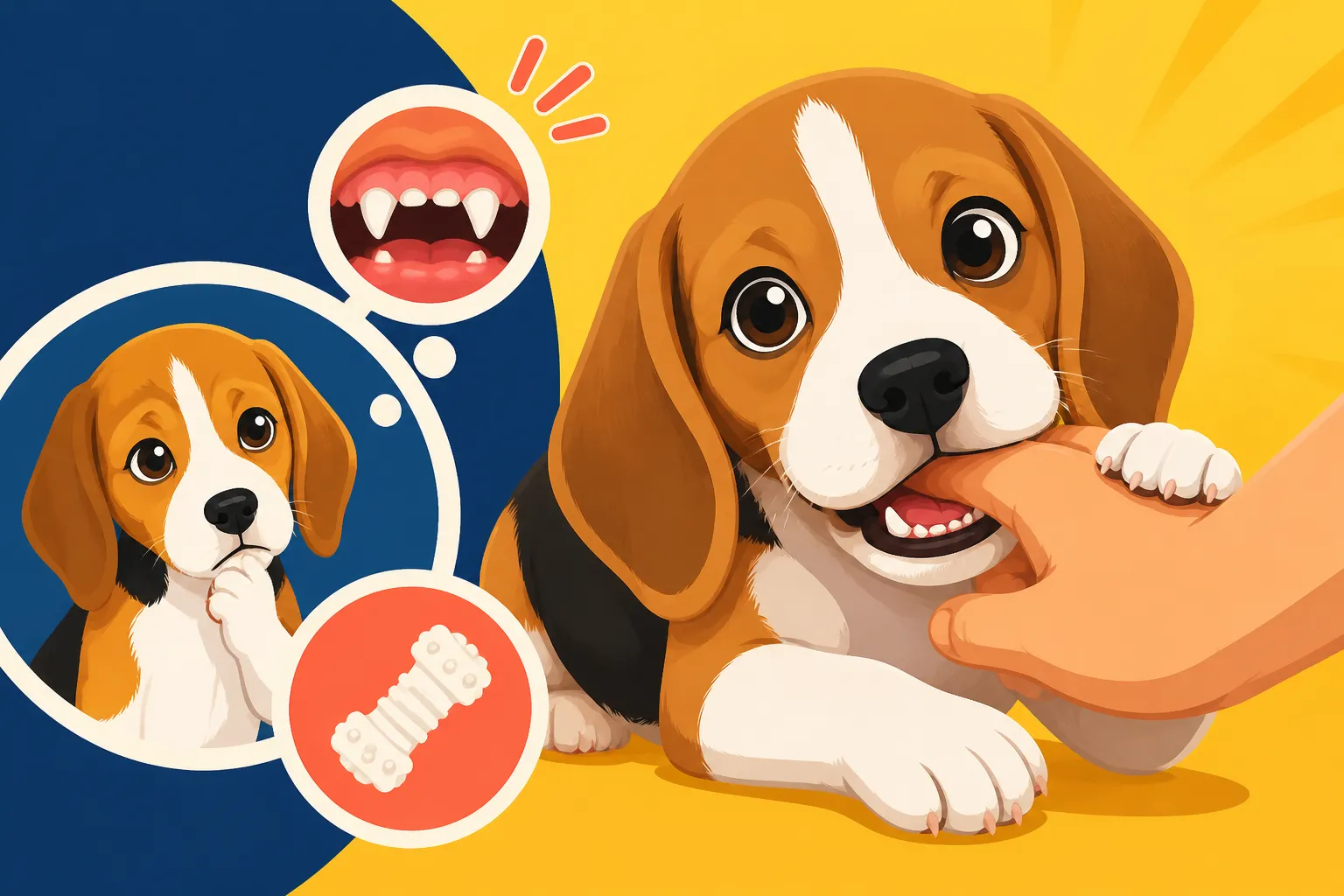
Beagle Puppy Teething and Hard Mouthing
Bringing home a Beagle puppy is an absolute joy, filled with boundless energy, wagging tails, and that adorable baying you’ve been dreaming of. But then, it happens: those needle-sharp puppy teeth start to make their presence known, turning cuddles into painful nips and leaving little puncture marks on hands, ankles, and just about anything else they can reach. This guide will walk you through the normal, albeit sometimes frustrating, stages of Beagle puppy teething and hard mouthing, offering practical advice to help you and your furry friend get through this phase gracefully.
Understanding the Teething Journey of Your Beagle Puppy
Teething is a completely natural, and often quite messy, process for all puppies, including our beloved Beagles. It’s when those tiny, razor-sharp baby teeth — officially called deciduous teeth — emerge, only to be replaced by stronger, more permanent adult teeth. For a Beagle owner, understanding this timeline can help you anticipate the behaviors and prepare with the right tools and patience.
The Stages of Puppy Teeth Development
From the moment they’re born, puppies are undergoing rapid development, and their mouths are no exception. Knowing what to expect at each stage can really help manage those nippy phases.
Initially, Beagle puppies are born without teeth, which makes sense since they're nursing. Around two to three weeks of age, those first incisors begin to poke through. These are followed quickly by canines and then premolars, usually by around six to eight weeks. By the time your little Beagle bundle comes home, typically between eight and ten weeks old, they will likely have a full set of 28 baby teeth. And let me tell you, those tiny teeth are surprisingly sharp! This is often when the "mouthing everything" phase really kicks into high gear, as they explore their new world with their mouths. For many owners, this is the point where they start wondering if they’ve adopted a tiny land shark.
The next big dental milestone is when those baby teeth start falling out to make way for the adult set. This usually begins around three to four months of age and can continue until they're about six or seven months old. Your Beagle will lose those 28 baby teeth and grow in 42 permanent adult teeth. During this period, your puppy will experience discomfort and a strong urge to chew to alleviate the pressure and soreness in their gums. This is why you'll see them chewing on everything from your furniture to your fingers – it's not personal, it's just their way of trying to feel better. You might even find tiny puppy teeth on the floor or in their bedding, though often they just swallow them, which is perfectly normal. This is a critical time for providing appropriate chew toys and redirection to save your belongings, and your skin!
Why Beagles Mouth So Much During Teething
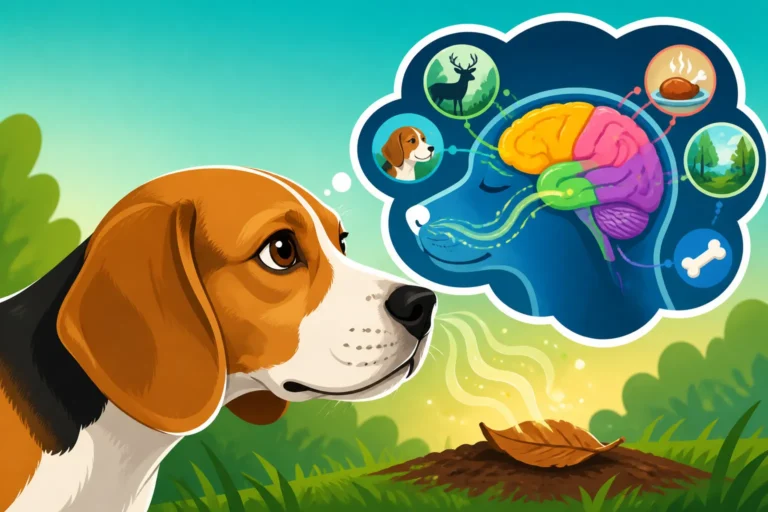
Beagles, with their incredible sense of smell and strong prey drive, are naturally very orally fixated. They use their mouths to explore, to communicate, and, yes, to manage discomfort. When they're teething, this natural inclination goes into overdrive. The pain and itching from their erupting adult teeth create an intense need to chew. Imagine having a persistent ache in your gums that only feels better when you apply pressure – that's what your Beagle puppy is going through.
Their ancestors used their mouths to hold and carry prey, and while your pet Beagle isn't out hunting rabbits, that instinct to use their mouth is still incredibly strong. They're not trying to be naughty; they're instinctively trying to soothe themselves. Without appropriate outlets, they'll turn to anything available – your hands, your clothes, your furniture. This is also why they need a lot of mental stimulation, not just physical exercise. A bored Beagle puppy is a destructive Beagle puppy, and a teething, bored Beagle puppy is even worse! Investing in things like puzzle toys and scent games can provide mental exercise that keeps their minds occupied and reduces the urge to chew inappropriately. You might find some excellent options for these on Amazon, ready to deliver to your door.
Managing Hard Mouthing and Nipping in Your Beagle Puppy
The frustration of a Beagle puppy that bites too hard is very real. It's not just annoying; it can be genuinely painful and, if not addressed, can lead to bigger behavior issues down the line. But remember, they're not doing it to be mean; they just haven't learned bite inhibition yet. Our job is to teach them that human skin is fragile and not a chew toy.
Teaching Bite Inhibition from Day One
Teaching bite inhibition is one of the most important lessons your Beagle puppy will learn. This means teaching them how hard they can bite. It might sound counter-intuitive, but puppies learn this best through feedback, often from their littermates. When a puppy bites another too hard, the bitten puppy will yelp and stop playing, teaching the aggressor about bite pressure. You can replicate this.
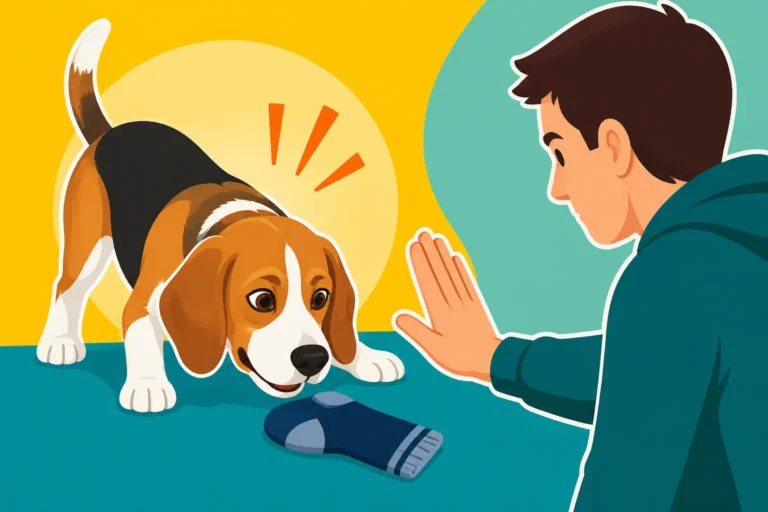
When your Beagle puppy bites your hand, even if it doesn't hurt much, give a sharp, high-pitched "YIP!" or "OW!" and immediately withdraw your hand and attention. Literally stop playing. Turn your back, or even leave the room for 10-20 seconds. This is often called a "time-out for you," not for the puppy. The key is consistency. Your puppy quickly learns that hard bites make the fun stop. When you return, offer a designated chew toy. If they mouth you gently, praise them softly. If they bite hard again, repeat the yelp and withdrawal. This method helps them understand that gentle mouthing is okay, but hard bites are not.
It’s crucial to avoid any physical punishment. Hitting or tapping their nose can actually make them more fearful or aggressive, leading to more problematic biting down the road. Instead, focus on positive reinforcement and clear communication. For guidance on consistent training methods, a resource like BAXTER & Bella's online puppy training program could be incredibly beneficial, offering structured lessons on bite inhibition and other foundational skills. They emphasize positive, reward-based training which aligns perfectly with how Beagles learn best.
Redirection is Your Best Friend
Beagles are intelligent and driven by their noses, but they can also be easily distracted. Use this to your advantage with redirection. The moment those sharp puppy teeth make contact with your skin, immediately say "No bite" or "Off" and offer a suitable chew toy. If they take the toy, praise them enthusiastically! The goal is to interrupt the unwanted behavior and immediately provide an acceptable alternative.
Always have a variety of safe, appropriate chew toys readily available. This includes rubber toys, rope toys, and even some edible chews designed for puppies. Make sure the toys are appealing – sometimes rotating them can keep your Beagle interested. If you’re playing tug-of-war, make sure you initiate and end the game, and that your puppy releases the toy on command. This helps establish boundaries and control. Remember, consistency is key; every time they try to chew on you or something inappropriate, redirect them to their toy. This helps solidify the lesson: this is okay to chew, that is not. Beagle Puppy Chewing Through Everything is a related read that goes into more detail on protecting your belongings.
Providing Safe Chewing Outlets and Environmental Management
Providing a safe and stimulating environment is paramount during the teething phase. A Beagle with plenty of appropriate things to chew on is less likely to turn their attention to your furniture, shoes, or hands. This isn't just about saving your belongings; it's about keeping your puppy safe from ingesting harmful items.
The Best Teething Toys for Beagles
Choosing the right teething toys is crucial. Beagles have strong jaws, even as puppies, and their desire to chew is intense. You'll want toys that are durable, safe, and engaging.
- Rubber Chews: These are often excellent. Look for brands that specialize in tough dog toys. Many rubber toys have nubs or textures that help massage sore gums. Freezing these toys can provide extra relief for sore gums.
- Frozen Treats: Kongs stuffed with peanut butter (xylitol-free!), yogurt, or wet food and then frozen solid are a lifesaver. These keep a puppy occupied for a long time and the cold numbs their gums. You can find many recipes and suitable stuffable toys on Amazon.
- Nylon Chews: For more serious chewers, nylon chews can be durable, but always supervise to ensure your puppy isn't breaking off large pieces.
- Rope Toys: Great for tugging and can help with dental hygiene, but be mindful of fraying. Remove them if threads start to come loose, as ingesting them can cause issues.
- Edible Chews: Always choose edible chews that are appropriately sized for your Beagle puppy and digestible. Avoid rawhide, as it can be a choking hazard or cause digestive upset. Look for dental chews specifically designed for puppies and monitor them while they chew.
Rotate your puppy's toys to keep things fresh and exciting. If they have too many options out all the time, they might get bored. Bringing out a "new" toy every few days can reignite their interest. For a Beagle that needs constant engagement, consider puzzle feeders, which can double as a way to feed meals and provide mental stimulation. The Treats a Beagle Will Work Hardest For can give you ideas for what to put in those puzzle toys!
Crate Training and Puppy-Proofing Your Home
Crate training is an invaluable tool for managing a Beagle puppy's chewing habits, especially during teething. A crate provides a safe, contained space where your puppy can't get into trouble when unsupervised. It becomes their den, a place where they feel secure and where you know they won't chew on electrical cords or valuable furniture. Crate Training a Beagle Bred to Sleep in a Pack offers fantastic advice on making the crate a positive experience.
Beyond the crate, extensive puppy-proofing is essential. Get down on your hands and knees and look at your home from a puppy's perspective.
- Electrical Cords: Secure or cover all electrical cords. Puppies love to chew on them, which is incredibly dangerous.
- Toxic Plants: Remove any houseplants that are toxic to dogs.
- Small Objects: Pick up anything small enough for your Beagle to swallow – coins, small toys, socks, paper clips – they will find it.
- Chemicals: Store all cleaning supplies, medications, and household chemicals in secure, inaccessible cabinets.
- Furniture Legs: Consider bitter apple sprays on furniture legs or other tempting items. While not a standalone solution, it can deter some puppies.
- Shoes and Clothing: Keep shoes, dirty laundry, and any personal items off the floor and out of reach. These are often prime targets for puppy chewing because they smell like you.
Environmental management is a proactive approach. It's much easier to prevent chewing on inappropriate items than to try and stop it after it's started. By creating a safe zone, you set your Beagle puppy up for success and reduce your stress significantly. What to Teach a Beagle Puppy Before It Finds Its Nose highlights how their powerful sense of smell will lead them to anything interesting, so hiding tempting items is key.
When to Consult a Vet for Teething Concerns
While teething is a natural process, there are times when it can lead to issues that require professional attention. It’s always better to be safe than sorry when it comes to your puppy’s health.
Recognizing Abnormal Teething Issues
Most puppies navigate teething without major complications, but it's important to know what signs might indicate a problem.
- Retained Deciduous Teeth: Sometimes, a baby tooth doesn't fall out when the adult tooth starts to erupt. This is called a retained deciduous tooth and is more common in smaller breeds, but can happen in Beagles. If you notice an adult tooth coming in alongside a baby tooth, particularly the canines, it's a good idea to have your vet check it out. Retained teeth can cause crowding, leading to dental disease, or force the adult tooth to grow in at an abnormal angle, causing pain or damage to the opposing gum or tooth.
- Excessive Bleeding or Swelling: A small amount of blood on toys or in your puppy's mouth during teething is normal. However, if you see significant bleeding, severe swelling, or signs of infection (like pus or foul odor), contact your vet immediately.
- Lack of Appetite or Lethargy: While some puppies might be a little less enthusiastic about hard kibble during intense teething, they should still be eating and drinking normally. A complete loss of appetite, persistent lethargy, or signs of significant pain (like whimpering, reluctance to play) could indicate a more serious issue beyond typical teething discomfort.
- Fractured Teeth: Puppies can sometimes fracture a baby tooth on a hard object. If you notice a broken tooth, especially if the pulp is exposed (a dark spot in the center of the tooth), it needs veterinary attention to prevent infection and pain.
If you have any concerns about your Beagle puppy's teething, never hesitate to call your veterinarian. They can examine your puppy, confirm everything is progressing normally, and offer solutions if there are any complications.
The Importance of Early Dental Care
Teething is the perfect time to start establishing good dental habits for your Beagle. While baby teeth aren't meant to last, getting your puppy accustomed to having their mouth handled and their teeth brushed sets them up for a lifetime of better oral hygiene.
Start slowly and make it a positive experience. Use a finger brush or a piece of gauze wrapped around your finger, along with a veterinary-approved enzymatic toothpaste (never human toothpaste). Gently rub their teeth and gums for a few seconds, praising and rewarding them afterward. Gradually increase the duration as they become more comfortable. This early exposure makes it much easier to brush their adult teeth later, which is crucial for preventing plaque and tartar buildup, and ultimately, dental disease. When a Beagle Needs Its First Dental Cleaning is a useful guide for understanding long-term dental health.
Regular home dental care, coupled with professional cleanings when recommended by your vet, will contribute significantly to your Beagle's overall health and well-being throughout their life. It's an investment that pays off in fewer dental problems and a happier, healthier hound.
| Teething Toy Type | Pros | Cons | Best For |
|---|---|---|---|
| Rubber Chews | Durable, can be frozen, textured for gum massage | Some can be destroyed by aggressive chewers, can be expensive | Moderate to heavy chewers, puppies needing gum relief |
| Frozen Kongs | Highly engaging, provides pain relief, lasts a long time | Requires preparation, can be messy as it thaws, needs supervision | All puppies, especially those with very sore gums, mental enrichment |
| Nylon Chews | Very durable, long-lasting for aggressive chewers | Can be too hard for young puppies, no "give" for gum relief | Older puppies with strong jaws, keeping them occupied for extended periods |
| Rope Toys | Good for tugging, helps clean teeth, engaging | Can fray and become choking hazard, ingesting strands can be risky | Interactive play, mild chewers, supervised play sessions |
| Edible Chews | Highly motivating, satisfies natural chewing instinct | Can be consumed quickly, some carry choking or digestive risks | Limited, supervised chewing, specific dental benefits (if applicable) |
This table should help you pick the right tools for the job!
Remember, the puppy phase, including teething and hard mouthing, is temporary. With patience, consistency, and the right approach, your Beagle puppy will grow out of this stage and into a well-behaved, loving companion. It's all part of the journey of raising a wonderful Beagle!
Disclaimer
This article is for general informational purposes only and does not constitute professional advice. Laws, prices and regulations vary by location and change over time. Consult a qualified professional for guidance on your specific situation.