Private Trainer Rates for a Beagle
It’s incredibly frustrating when you’re doing your best to train your beloved Beagle, but their legendary nose seems to have a mind of its own, dragging them off course, or their expressive baying leaves you wondering if you’re speaking a completely different language. Many of us reach a point where we realize that while group classes offer a good foundation, sometimes you need that personalized touch to really tackle those unique Beagle quirks. This guide will walk you through what to expect when looking into private trainer rates for your Beagle, helping you understand the value and investment involved in getting one-on-one professional help.
Why Private Training is Often the Key for a Beagle
Let's be honest, Beagles are absolutely delightful, but they come with a few "features" that can make traditional training a real head-scratcher. Their independent nature, combined with a scent drive that can only be described as world-class, means they often require a different approach than other breeds. This is where private training really shines, offering tailored strategies that speak directly to your Beagle's instincts and your specific household needs.
The Unstoppable Nose and Selective Hearing
You know the drill: you’re on a walk, your Beagle's nose hits a scent, and suddenly you cease to exist. That 220 million scent receptors working overtime are a powerful force, and it often feels like their ears just switch off. In a busy group class, it's hard for a trainer to focus solely on your Beagle's intense concentration on a rabbit trail when other dogs are barking or a ball is bouncing. Private sessions allow a trainer to craft specific exercises to build your Beagle Recall That Works Before the Nose Wins in real-world scenarios, slowly increasing distractions in a controlled environment. They can help you implement strategies that leverage your Beagle's incredible motivation for food, using high-value treats to make you more interesting than that fascinating squirrel scent.
Addressing Specific Behavioral Challenges at Home
Perhaps your Beagle is a champion counter surfer, or you’re dealing with the infamous Beagle Howling, Baying and Barking Explained that has your neighbors questioning your life choices. These are often highly contextual behaviors that happen in your home or specific environments. A private trainer comes to you, observing these behaviors firsthand in their natural setting. They can then develop a precise plan to address issues like Beagle Separation Anxiety in a Pack Breed by implementing routines and tools right where the problem occurs. This individualized attention means no wasted time on generic commands your Beagle already knows; instead, every minute is focused on solving your unique struggles.
Customizing Training to Your Lifestyle
Life with a Beagle isn't one-size-fits-all, and neither should their training be. Maybe you work long hours and need a trainer who can accommodate a specific schedule, or perhaps you live in an apartment and need specialized guidance on managing a vocal hound in close quarters. Private training is inherently flexible, fitting into your life rather than forcing you into a rigid class schedule. The trainer can teach you how to incorporate training into your daily walks, mealtimes, and even quiet evenings at home, making it a natural part of your routine. They can even help you identify the best training tools available, whether it's a specific type of harness from a wide selection on Chewy or puzzle feeders designed to slow down a food-driven Beagle.
Factors Influencing Private Dog Trainer Rates
When you start looking into private dog trainers, you'll quickly discover that the rates can vary quite a bit. It’s not just about what someone decides to charge; there are several key elements that contribute to the overall cost. Understanding these factors can help you set realistic expectations and make an informed decision about who to hire for your beloved Beagle.
Experience, Certifications, and Specializations
Just like in any profession, a trainer's experience and credentials play a huge role in their pricing. A highly experienced trainer with decades under their belt, especially one specializing in hound behavior or specific behavioral issues like aggression or severe anxiety, will typically command higher rates. Look for trainers with certifications from reputable organizations like the Certification Council for Professional Dog Trainers (CCPDT) or the Karen Pryor Academy. These certifications indicate a commitment to ethical, science-based training methods.
For instance, if your Beagle has a complex issue like reactivity towards other dogs, a trainer specializing in behavior modification might charge more per session than a general obedience trainer. Their expertise in understanding canine body language, learning theory, and implementing nuanced behavior protocols is a valuable investment in resolving a challenging problem. Think of it as seeking out a specialist doctor – you pay more for specialized knowledge and experience.
Geographic Location and Cost of Living
Where you live significantly impacts private trainer rates. Trainers in major metropolitan areas or regions with a higher cost of living will naturally charge more than those in rural areas or smaller towns. This is simply due to higher operating costs, including rent for facilities (if they have one), travel expenses, and general living expenses.
For example, a private session in New York City or Los Angeles could easily be double or triple the rate you might find in a smaller community in the Midwest. It's not necessarily that the quality of training is inherently better in a big city, but the economic realities of that location drive the pricing. When you're budgeting for The Lifetime Cost of a Beagle Living Fifteen Years, remember that local service costs will always be a big part of that.
Session Structure: Per Session vs. Packages
Trainers typically offer their services in a few different formats, which affects the overall rate you pay:
- Per-Session Rates: This is usually the most expensive option if you look at the cost per hour, but it offers flexibility. You pay for each session as you go, which can be useful if you only need help with a very specific, minor issue or want to "try out" a trainer before committing. However, for significant behavioral changes, a single session rarely makes a lasting impact.
- Training Packages: Most trainers offer discounted rates when you purchase a package of multiple sessions (e.g., 4, 6, or 8 sessions). This is often the most cost-effective way to engage in private training, as it encourages consistency and allows the trainer and you to work through a progressive curriculum. A trainer might structure a package to cover foundational obedience, or to specifically tackle issues like Beagle Counter Surfing and Trash Raiding. These packages usually come with a clear outline of what will be covered and what goals you can expect to achieve.
- Board-and-Train Programs: This is generally the most expensive option. Your Beagle lives with the trainer for a period (typically 2-4 weeks) and receives intensive training. While this can yield quick results, it’s crucial to understand that you still need to learn how to maintain that training once your Beagle comes home. Without proper handover sessions and owner education, the learned behaviors can quickly diminish. This option is often reserved for very specific, serious behavioral issues or for owners with limited time to commit to daily training.
| Training Format | Pros | Cons | General Cost Structure (Relative) |
|---|---|---|---|
| Group Classes | Affordable, good for socialization, basic obedience, social learning for owners | Less individualized attention, not suitable for complex issues, distractions for Beagles, fixed schedule | Low |
| Private Sessions | Highly customized, focused on specific issues, flexible scheduling, one-on-one attention | Higher cost per session, requires owner consistency and follow-through | Medium |
| Training Packages | Discounted per-session rate, structured curriculum, encourages consistency, addresses deeper issues | Upfront investment, still requires owner commitment for homework | Medium-High |
| Board-and-Train | Intensive training, quick initial results, good for complex issues (if done correctly) | Very expensive, critical importance of owner follow-up training, potential stress for the dog, less owner involvement in process | High |
Duration of Sessions and Travel Costs
Session duration can vary, but most private sessions run from 45 minutes to 90 minutes. Longer sessions may cost more, but they also allow for more in-depth work and practice. Some trainers might also factor in travel time and mileage, especially if you live far from their base of operation. Always ask about any additional fees for travel when inquiring about rates. It’s also important to remember that the true cost isn't just the session fee, but the time you commit to practice between sessions. Even the most expensive trainer won't make a lasting impact if you don't do your homework.
What to Expect from Private Beagle Training
Deciding to invest in private training for your Beagle is a big step, and it's natural to wonder what the process actually looks like. It's much more than just a trainer showing up with treats; it's a partnership aimed at equipping you with the skills and understanding to effectively communicate with your hound.
Initial Consultation and Goal Setting
The first step with most reputable private trainers will be an initial consultation, which might be a standalone paid session or sometimes included in a package. During this meeting, the trainer will want to learn all about your Beagle – their history, personality, specific behaviors you want to address, and what your ultimate goals are. This is their chance to assess your Beagle's temperament, observe their behavior in their home environment, and understand your family dynamics.
You’ll discuss everything from house manners to how you want to manage their powerful Why a Beagle Should Never Be Off Leash Unfenced nature on walks. They'll ask about your routine, what kind of food your Beagle responds best to (perhaps even specific high-value treats from a company like Ollie), and what you’ve tried so far. This thorough intake process is critical for the trainer to design a customized training plan that is realistic and effective for both you and your Beagle.
Customized Training Plan and Homework
Based on the consultation, the trainer will develop a tailored training plan. This isn't a generic "sit, stay, come" agenda, but a roadmap specifically addressing your Beagle's challenges and your goals. For a Beagle prone to ignoring you when a scent is present, the plan might involve a series of engagement exercises, proofing recall in increasingly distracting environments, and teaching you how to manage their environment more effectively.
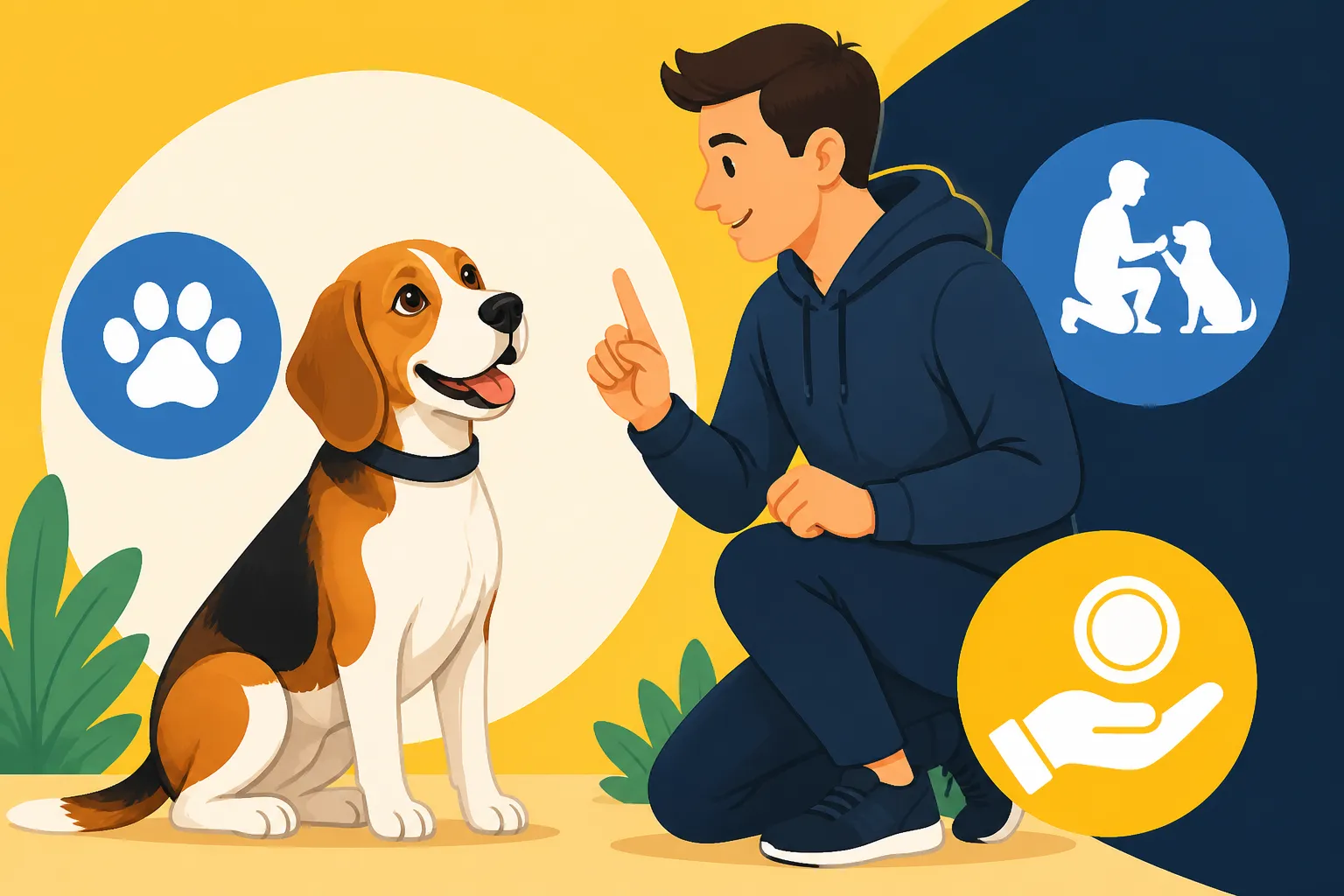
Each session will build upon the last, introducing new concepts or refining previously learned behaviors. A good private trainer will spend a significant portion of the session teaching you how to train your Beagle. They’ll demonstrate techniques, guide you through practice, and provide clear, concise homework assignments to work on between sessions. This homework is crucial; consistency is key to helping your Beagle generalize new behaviors and make them stick. They might even recommend specific training aids or gear, which you can often find readily available through online retailers like Chewy.
Ongoing Support and Communication
One of the great advantages of private training is the direct line of communication you establish with your trainer. Beyond the scheduled sessions, many trainers offer email or phone support for quick questions or troubleshooting between visits. This can be invaluable when you hit a snag with a homework exercise or have a sudden behavioral flare-up.
They act as your mentor, offering encouragement and adjusting the plan as needed. For example, if you're working on Beagle Puppy Nipping and Where It Comes From, and your puppy suddenly starts teething more intensely, the trainer can provide immediate advice on how to manage this new phase without derailing your progress. Remember, successful training is an ongoing journey, and having a knowledgeable guide by your side makes all the difference.
Making Private Training Affordable and Effective
The thought of private training costs can feel daunting, especially if you're already managing other pet expenses. However, viewing it as an investment in your Beagle's well-being and your peace of mind can shift your perspective. There are smart ways to approach private training to make it both accessible and highly effective.
Research and Compare Trainers Thoroughly
Don't just go with the first trainer you find. Take your time to research and compare. Look for trainers with experience specifically with hounds or strong-willed scent breeds. Read reviews, check their websites for testimonials, and don't hesitate to ask for references. A reputable trainer will be happy to provide them. Many trainers offer a brief phone consultation for free, which is a great opportunity to ask about their philosophy, methods, and pricing structure. This initial chat can help you gauge their personality and ensure it's a good fit for you and your Beagle.
Ask about their preferred training methods – positive reinforcement is generally recommended for Beagles, as harsh corrections can damage their sensitive nature and shut them down. Inquire about package deals versus single sessions, and if they offer any discounts for certain situations. Understanding Beagle Training Class Fees is a good starting point, but private rates will be different, so ensure you clarify all costs upfront.
Prioritize Key Issues and Set Realistic Goals
Before contacting a trainer, sit down and make a list of your top 2-3 most pressing behavioral issues. While you might want a perfectly behaved Beagle, focusing on a few core problems first can help you budget and see tangible progress sooner. For instance, if your Beagle's recall is nonexistent, making that the primary goal for a smaller package of sessions might be more manageable financially than trying to tackle every single behavioral nuance at once.
A good trainer will help you prioritize and break down larger goals into smaller, achievable steps. They'll also set realistic expectations about the timeline for seeing results. Remember, training is a process, not an instant fix. It takes time, consistency, and patience, especially with a breed like a Beagle, known for their independent streak.
Combine Private Sessions with Group Classes or Self-Study
Private training doesn't have to be an all-or-nothing endeavor. You can combine it with more budget-friendly options. For foundational obedience and socialization, a good quality Group Obedience Class Prices for a Beagle might be a great starting point. Then, if specific issues arise, you can supplement with a few private sessions to fine-tune those behaviors.
There are also many excellent online resources, books, and courses that can complement private training. While they don't replace the personalized feedback of a trainer, they can provide additional knowledge and exercises to work on. Think of it as a comprehensive approach to your Beagle's education. And don't forget the importance of proper nutrition; feeding a high-quality diet, perhaps from a brand like Ollie, can contribute to your Beagle's overall health and ability to focus during training. Planning for these kinds of expenses, much like considering pet insurance from a provider like Healthy Paws for unexpected medical costs, is part of being a responsible Beagle owner.
Maximizing Each Session and Doing Your Homework
To get the most value for your money, be fully prepared for each private session. Have your questions ready, and be honest with your trainer about what you've struggled with. Take notes during the session, and diligently practice the homework assignments given to you. The real progress happens between sessions when you apply what you've learned.
Think of the trainer as a coach, and you are the athlete. They can show you the moves, but you have to put in the practice. The more effort you put in, the faster your Beagle will learn, and the fewer sessions you might ultimately need. Consistent, short training bursts throughout the day are often more effective for Beagles than one long, tedious session. Remember, every treat you give during training is an investment in a better-behaved, happier Beagle.
Disclaimer
This article is for general informational purposes only and does not constitute professional advice. Laws, prices and regulations vary by location and change over time. Consult a qualified professional for guidance on your specific situation.