Beagle Rescue Applications and Home Visits
Bringing a rescue Beagle into your home is a truly heartwarming experience, but let's be honest, navigating the adoption process can feel like trying to solve a puzzle while a small, scent-driven hound bays happily in the background. Many potential adopters find themselves bewildered by the detailed applications and the thought of a home visit, wondering what rescues are really looking for. This comprehensive guide will walk you through every step of the Beagle rescue application and home visit process, helping you understand the "why" behind their thoroughness and empowering you to present your best self as a prospective Beagle parent.
Understanding the Beagle Rescue Application Process
The journey to adopting a rescue Beagle almost always begins with a detailed application form. This isn't just paperwork for paperwork's sake; it's the rescue organization's first impression of you, and their primary tool for ensuring their beloved Beagles go to the most suitable forever homes. It might seem daunting at first, asking about everything from your fencing to your daily routine, but remember, every question serves a purpose.
Why Rescue Organizations Are So Thorough
It's easy to feel like rescue organizations are putting you under a microscope, and in a way, they are. But it's not personal; it's purely out of love and protection for the Beagles in their care. Many of these dogs have already faced significant challenges – neglect, abandonment, or even a difficult past as a research animal. Rescues often see the worst of humanity and, consequently, they develop rigorous processes to prevent future heartache for their dogs. They invest immense time, effort, and often their own personal funds into rehabilitating these Beagles, providing everything from medical care for things like Beagle Ear Infections Under Those Long Ears to behavioral training for issues like Beagle Separation Anxiety in a Pack Breed. Their thoroughness is a testament to their commitment, aiming to make each adoption a permanent, successful match. They're not trying to reject you; they're trying to match you, and the more information you provide, the better they can do that.
Navigating the Initial Application Form
When you first sit down to fill out a Beagle rescue application, take a deep breath. These forms are designed to gather a holistic picture of your lifestyle, living situation, and previous pet experience. Expect questions about your home type (house, apartment), ownership status (rent or own, and if renting, landlord contact for pet policy verification), yard size, and most importantly, your fence situation. For Beagles, a secure fence is non-negotiable, as their powerful noses and instinct to follow a scent make them notorious escape artists. You'll also be asked about your work schedule, how many hours the dog would be alone, family members (including children and their ages), and other pets. Be honest and detailed. If you work long hours, explain your plan for a dog walker or doggy daycare. If you have young children, describe how you'll ensure safe interactions. Transparency is your best asset here. Some applications might even ask specific questions about your experience with common Beagle traits, like their tendency to howl or their incredible food drive. Think of it as a chance to show you've done your homework.
Reference Checks and Veterinary History
A crucial part of the application process involves reference checks. This typically includes personal references and, perhaps most importantly, a veterinary reference if you've owned pets before. For your personal references, choose people who know you well and can speak to your character, responsibility, and love for animals. Let them know to expect a call or email from the rescue. For veterinary references, the rescue will contact your current or previous vet to verify that your past pets received routine care, vaccinations, and prompt treatment for illnesses or injuries. They want to see a history of responsible pet ownership. If this is your first pet, or you're new to the area, explain that on the application; many rescues understand and will adjust their requirements accordingly, perhaps asking for additional personal references. Providing accurate contact information and proactively informing your references that they might be contacted can help expedite this stage.
The Truth About Home Visits for Beagles
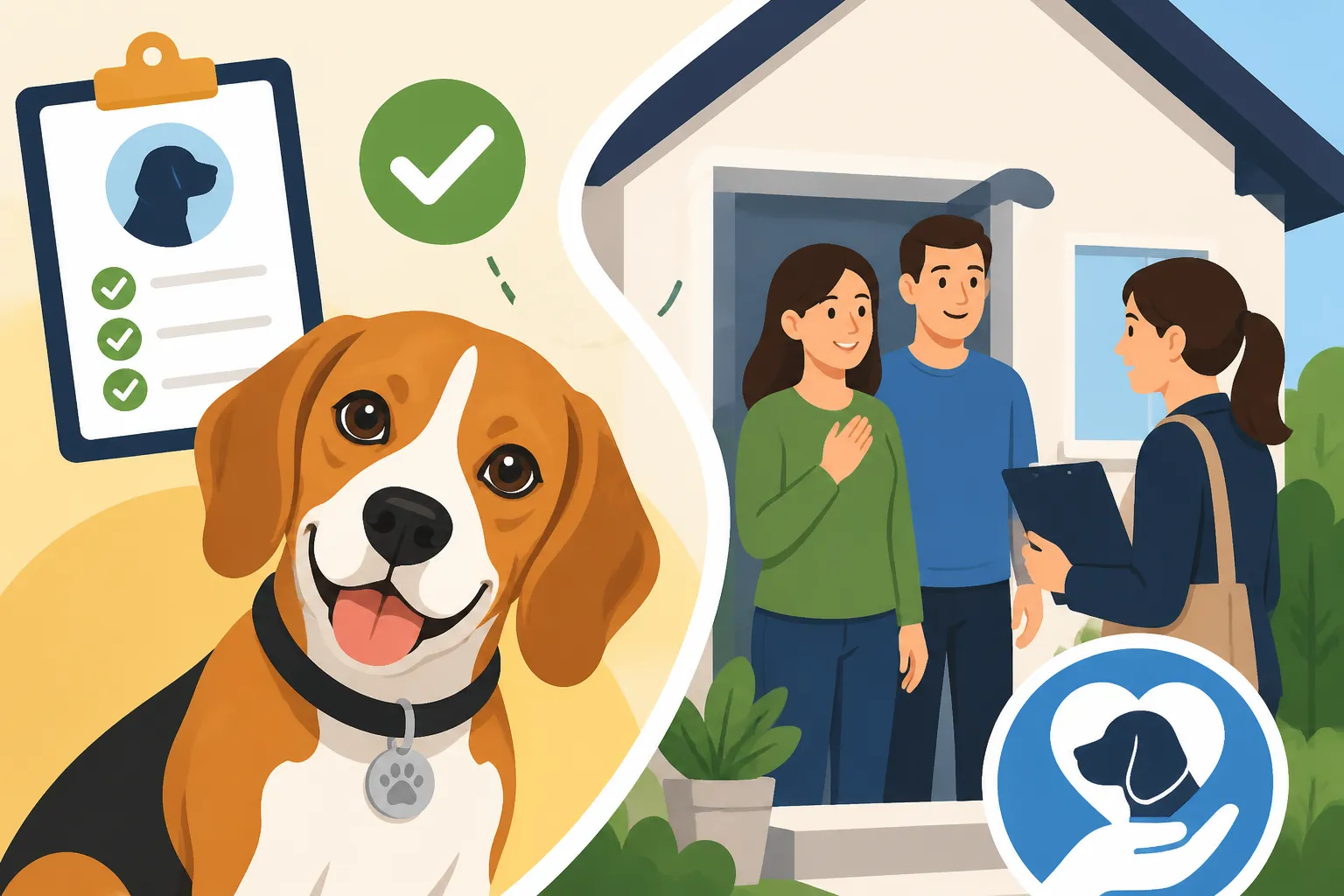
The home visit is often the most anxiety-inducing part of the adoption process for applicants, but it truly shouldn't be. Think of it less as an inspection and more as a friendly conversation in your natural environment. Rescue volunteers are generally lovely people who share your passion for Beagles; they’re simply trying to visualize the dog in your home and ensure it’s a safe, appropriate setting.
What Rescue Volunteers Are Looking For
During a home visit, rescue volunteers are primarily looking for safety and suitability for a Beagle. They’ll assess your yard to confirm the fence is secure and high enough to contain a determined scent hound – remember, The Fence Height That Actually Holds a Beagle is crucial. They'll look for any obvious hazards in your home, like exposed wires, toxic plants, or easily accessible cleaning supplies. They're also observing the general atmosphere: Is it calm? Is there enough space? Do you have a designated area for the dog, such as a crate or a comfortable bed? They want to see that you've thought about what life with a dog entails. Beyond the physical space, they're gauging your understanding of Beagle behavior and your willingness to commit to training and exercise. This isn't about having a spotless, designer home; it's about demonstrating a safe, loving, and prepared environment. If you're considering adopting a former research Beagle, they might also assess your understanding of the unique needs these dogs often have, as What a Former Research Beagle Needs First can be quite different from a typical pet.
Preparing Your Home for a Beagle
You don't need to deep clean your house from top to bottom, but a little preparation goes a long way. Think about it from a Beagle's perspective.
First, secure your yard. Check for loose boards, gaps under gates, or areas where a Beagle might dig out. For tips on prevention, consider reading about Digging Barriers Along a Beagle Fence Line. Inside, do a basic "Beagle-proofing" sweep. Remove anything potentially toxic or valuable that a curious Beagle might chew or ingest. This includes securing trash cans, storing chemicals, and ensuring breakables are out of tail-wagging range. Consider where a dog bed or crate might go. If you're planning to use a crate, having one set up shows forethought. You might even want to look at options on Chewy for durable crates and bedding ahead of time. Discuss with your family members how responsibilities will be shared and establish ground rules for the new dog. A visual aid, like a picture of a well-behaved Beagle, isn't necessary, but showing genuine thought for the dog's arrival is what truly matters.
Common Concerns and How to Address Them
It’s completely normal to have a few areas of concern during a home visit, and volunteers expect this. Don't try to hide issues; instead, be proactive in addressing them.
- Small yard: If your yard is modest, explain your commitment to daily walks, trips to dog parks (if appropriate), and engaging enrichment activities like scent work to tire out your Beagle mentally and physically.
- No fence: This is a big one for Beagles. If you don't have a fence, you'll need a very solid plan for how the Beagle will be safely exercised. This might involve extensive use of a long line, frequent leashed walks, or access to securely fenced areas elsewhere. Be honest about Why Invisible Fences Fail With a Beagle, as most rescues won't consider them adequate for the breed.
- Other pets: If you have other pets, discuss how you plan to introduce them slowly and supervise interactions. If you have cats, explain how you’ll ensure their safety and comfort.
- Living in an apartment: This isn't necessarily a deal-breaker for a Beagle, but you'll need to demonstrate an exceptionally strong commitment to exercise and mental stimulation. Emphasize your plan for multiple daily walks and indoor activities to manage their energy and vocal tendencies, which might be a concern in shared living spaces. For more on managing their noise, check out Living With a Beagle in an Apartment Building.
- Concerns about potential health issues: If you're considering Adopting a Beagle Already Diagnosed With Epilepsy or other conditions, show you've researched the specific needs, costs, and care involved. Organizations like Healthy Paws offer pet insurance that can help manage unexpected veterinary bills, and mentioning you've looked into this shows incredible foresight.
After the Home Visit: What Happens Next?
You’ve poured your heart into the application and hosted a friendly, informative home visit. Now comes the hard part for many: the waiting game. The post-visit period is another critical stage where the rescue makes its final decisions.
The Waiting Period and Follow-Up
Once the home visit is complete, the rescue organization's team will review all the information gathered – your application, references, and the home visit report. This can sometimes take a few days, or even a week or two, depending on the rescue's volunteer capacity and the number of applications they're processing. It's perfectly fine to send a polite follow-up email a few days after the visit if you haven't heard back, just to reiterate your interest and thank them again for their time. Avoid constant calls or emails, as this can inadvertently slow down their process. During this time, the rescue might be comparing your application with other potential homes for specific Beagles, trying to find the absolute best fit. Some rescues might even have you on a waiting list for a particular type or age of Beagle, especially if you're looking for a Senior Beagle Adoption at a Reduced Fee.
Meeting Your Potential New Beagle
If your application and home visit are approved, the exciting part begins: meeting the Beagle (or Beagles!) that the rescue thinks would be a good match for your home and lifestyle. This might happen at a foster home, a designated adoption event, or a shelter facility. When you meet the dog, observe their behavior, and don't be afraid to ask the foster parent or volunteer any questions you have. How is their leash manners? How do they interact with new people? Do they show signs of Beagle Separation Anxiety in a Pack Breed? This is your chance to see if your personalities mesh. Bring your whole family, including any existing dogs, if the rescue allows, for a supervised meet-and-greet to ensure everyone gets along. This initial meeting is incredibly important for both you and the dog; it's where that special connection can really form.
Finalizing the Adoption and Bringing Your Beagle Home
Once you’ve met "the one" and everyone agrees it's a good match, the rescue will walk you through the final adoption paperwork. This typically includes an adoption contract, which outlines your responsibilities as the adopter, and often details about the Beagle's medical history. Expect to pay an Beagle Adoption Fees From $100 to $300. This fee helps cover the costs of the rescue’s veterinary care, food, and other expenses for all the dogs in their program. Remember, What a Beagle Rescue Fee Already Covers often includes vaccinations, spay/neuter surgery, microchipping, and sometimes even initial flea/tick prevention. Before you take your new companion home, ensure you have all the necessary supplies: a quality food (perhaps you'll explore Ollie for fresh, personalized meal plans!), bowls, a leash and harness (a harness is usually preferred to protect a Beagle's neck), a bed, and toys. The transition period for a rescue Beagle can take time, so be prepared for a few days or weeks of adjustment as they settle into their new routine and learn to trust you.
Common Pitfalls and How to Avoid Them
Even with the best intentions, adopters can sometimes make mistakes that prolong the rescue process or even lead to a rejected application. Being aware of these common pitfalls can help you avoid them and smooth your path to adoption.
Transparency is Key
One of the biggest mistakes applicants make is not being fully transparent. This doesn’t mean you have to share every intimate detail of your life, but it means being honest about your living situation, your experience with dogs, your schedule, and any challenges you foresee. For example, if you rent, trying to hide that fact or omitting your landlord's contact information will only lead to delays or rejection. Rescues will verify this information. If you're a first-time dog owner, say so! They might offer resources or recommend a Beagle that's more suitable for a novice. If you have a specific lifestyle or a particular type of Beagle you're hoping for, like an Adopting a Retired Hunting Beagle, be upfront about it. Building trust from the beginning makes the entire process more efficient and positive for everyone involved. Rescues are looking for partners in caring for their dogs, and honesty is the foundation of that partnership.
Managing Expectations and Patience
Adopting a rescue Beagle, especially one who may have had a rough start, isn't always like picking a puppy from a litter. These dogs come with their own unique histories, personalities, and sometimes, challenges. It's crucial to manage your expectations. A rescue Beagle might not instantly bond with you, might have house-training setbacks, or may display behaviors like howling or separation anxiety due to past experiences. Be patient. Understand that the process itself can take time, especially if you're working with a smaller, volunteer-run rescue organization. Don't apply for a Beagle with the expectation that they'll be a "perfect" dog from day one. Instead, embrace the journey of helping them blossom into their best selves. If you're finding the wait frustrating, consider Fostering a Beagle Before You Commit – it's a wonderful way to help dogs in need and gain experience, and often leads to "foster fails" (where you end up adopting your foster!).
Demonstrating Your Commitment to a Beagle
Rescue organizations want to see that you are truly committed to providing a lifelong, loving home. This commitment goes beyond just filling out the form; it's reflected in your actions and your attitude. Do your research on the breed – understand Why Beagles Get Surrendered for Howling and Escaping and how you'd manage those traits. Show that you’ve thought about training, exercise, and long-term care, including potential health issues. If you're looking for a very specific type of Beagle, explain why that particular dog is a good fit for your home, rather than just saying "I want that one." Ask thoughtful questions during the home visit or follow-up calls. Be enthusiastic, but also realistic. Your commitment should convey that a Beagle isn't just a fleeting desire, but a cherished member of your family for the next twelve to fifteen years.
Disclaimer
This article is for general informational purposes only and does not constitute professional advice. Laws, prices and regulations vary by location and change over time. Consult a qualified professional for guidance on your specific situation.