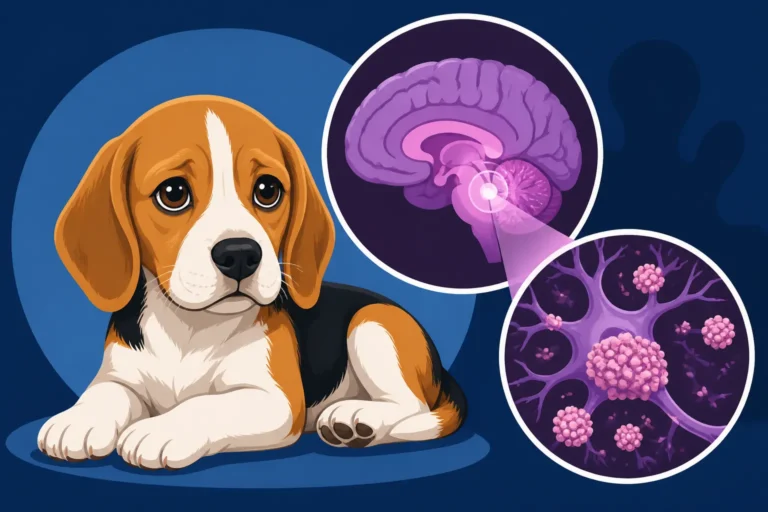
Congestive Heart Failure Signs in an Old Beagle
Watching our beloved Beagles age brings a mix of joy and heartache. We cherish every grey muzzle and slow wag of the tail, but we also worry constantly about their health, especially when they start to slow down. One of the most frightening diagnoses an older Beagle parent can face is congestive heart failure (CHF), a condition that can creep up slowly and profoundly impact their golden years. This guide is here to walk you through the subtle and more obvious signs of CHF in your senior Beagle, helping you understand what to look for and how to act swiftly to give them the best possible care and comfort.
Understanding Congestive Heart Failure in Senior Beagles
It’s truly a tough pill to swallow when our energetic, scent-driven Beagles start to show signs of age, and heart trouble can be one of the most insidious. Congestive heart failure isn't a single disease in itself, but rather a final stage of various heart conditions where the heart simply can't keep up with the demands of the body. For senior Beagles, this often means a slow, progressive decline, and understanding the "what" and "why" behind it can empower us as their caregivers.
What Exactly is Congestive Heart Failure?
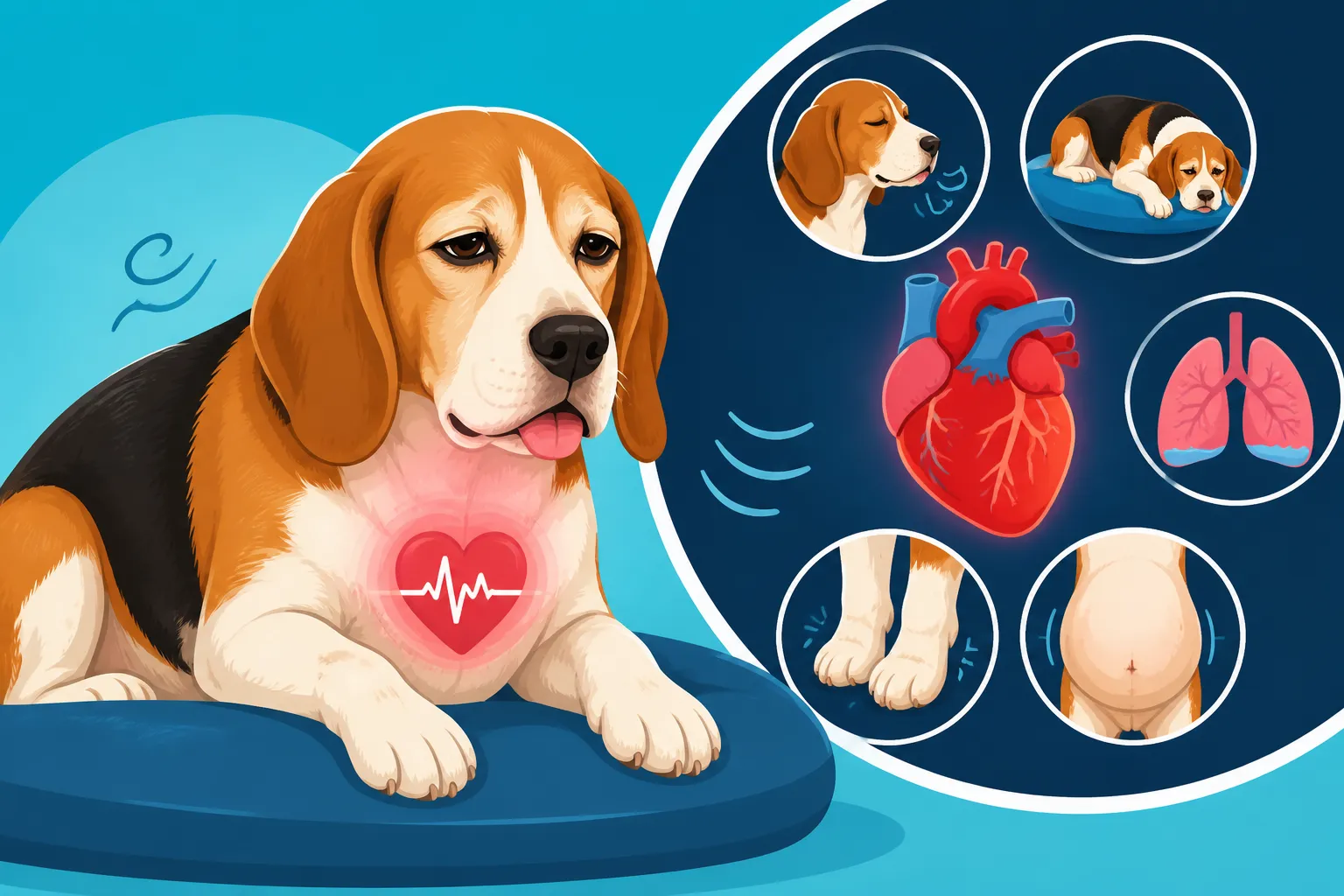
At its heart (pun intended!), congestive heart failure means your Beagle's heart isn't pumping blood as effectively as it should. Think of the heart as a two-sided pump. The left side sends oxygen-rich blood to the body, and the right side sends deoxygenated blood to the lungs. When either side starts to falter, blood can back up. If the left side isn't working well, fluid can accumulate in the lungs (pulmonary edema), leading to coughing and difficulty breathing. If the right side is failing, fluid can build up in the abdomen (ascites) or in the limbs, causing swelling.
This isn't an overnight phenomenon; it's typically a gradual process. Most commonly, in Beagles and many smaller breeds, the underlying cause is a condition called mitral valve disease (MVD). This is where the mitral valve, which separates the left atrium and left ventricle, starts to degenerate and leak. Over time, the heart has to work harder to compensate for this leak, eventually leading to enlargement and, sadly, failure. Other less common causes can include dilated cardiomyopathy or specific birth defects, but MVD is the one we hear about most often with our little hounds. It's a progressive disease, meaning it gets worse over time, which is why early detection and management are so crucial for extending your Beagle's comfort and quality of life.
Why Beagles Are Prone to Heart Conditions
While Beagles aren't typically considered one of the breeds most prone to specific genetic heart diseases like some giant breeds or Cavalier King Charles Spaniels, they are certainly not immune to age-related heart issues, especially mitral valve disease, which affects many smaller and medium-sized dogs as they get older. Just like us, as dogs age, their bodies experience wear and tear, and the heart is no exception. The cumulative effect of years of beating can lead to these valves weakening.
Beyond simple aging, there are factors that can certainly exacerbate the risk or severity of heart conditions in our Beagles. Obesity is a huge one, pun intended. An overweight Beagle's heart has to work significantly harder to pump blood throughout a larger body, placing immense strain on an already aging organ. If your Beagle is carrying extra pounds, it’s worth diving into how Beagle Obesity Treated as a Health Problem can impact their overall health, including their heart. Regular exercise, appropriate diet, and weight management become even more critical as they enter their senior years. While there might not be a specific "Beagle heart disease" that's unique to the breed, understanding the general risk factors and staying vigilant for any changes in their energy levels or breathing can make all the difference. Many of these issues can often lead to a Beagle Heart Disease and Murmurs diagnosis, which might be the first indication of trouble brewing.
Recognizing the Early and Late Signs of CHF
This is where being a vigilant Beagle parent really comes into play. Our Beagles are masters at hiding discomfort, often stoically enduring pain or weakness until things are quite advanced. That's why it's so important to know what to look for, from the subtle shifts in behavior to the more undeniable, distressing symptoms that signal an emergency. It’s never easy to see our vibrant hounds struggle, but recognizing these signs can lead to prompt veterinary care and a better outcome.
Subtle Early Warning Signs You Might Miss
Catching congestive heart failure early is absolutely vital for managing the disease and improving your Beagle's prognosis. These early signs are often so subtle that they can be easily dismissed as "just old age," but pay close attention – they could be telling you something critical.
One of the first things you might notice is a general reduction in stamina or a lack of enthusiasm for activities they once loved. Your Beagle might be a bit slower on walks, lagging behind instead of pulling on the leash, or perhaps they’re less eager to chase a squirrel in the yard. They might seem to tire out more quickly after playing, or just prefer to lie down rather than join in family activities. While a certain degree of slowing down is normal as part of Senior Beagle Care After the Age of Ten, a marked change in energy or a sudden disinterest in walks and play should raise a red flag. Perhaps they start sleeping more throughout the day, or their usual morning zoomies are replaced by a slow stretch and a nap.
Another early indicator can be a mild, soft cough. This cough might only happen at night when they're lying down, or first thing in the morning. You might think it's just a little irritation or a clearing of the throat, but it could be the earliest sign of fluid building up in their lungs. Keep a mental note of how often they cough, what it sounds like, and if it's accompanied by any gulping or swallowing. Subtle changes in breathing patterns can also occur; perhaps their breathing seems a little faster or shallower when they're resting or sleeping. If you lie next to them, you might just detect a slight difference. These small changes, when viewed together, can paint a picture that your vet needs to see.
More Obvious Symptoms as CHF Progresses
As CHF progresses and the heart's ability to pump effectively further deteriorates, the symptoms become much more pronounced and concerning. These are the signs that will likely send you rushing to the vet, and rightly so, as they indicate a serious and worsening condition that requires immediate medical attention.
A persistent, wet cough is a significant symptom. Unlike the occasional throat-clearing, this cough might be more frequent, sound wetter, and your Beagle might seem to be struggling to clear something. This is often a sign of pulmonary edema – fluid in the lungs – making it very difficult for your dog to breathe. You might also observe obvious difficulty breathing, which can manifest as rapid, shallow breaths, excessive panting even when at rest, or a noticeable effort to inhale and exhale. Their chest might heave, and they might stand with their elbows out, stretching their neck, trying to expand their airway. This labored breathing is incredibly distressing to witness and indicates an emergency.
Fluid accumulation can also become evident in other parts of the body. If the right side of the heart is failing, you might see ascites, which is a swelling or distension of the abdomen due to fluid buildup. Their belly might look bloated, feel tight, and continue to grow even if your Beagle is otherwise losing weight. Yes, despite fluid retention, dogs with CHF often lose muscle mass and body weight because their body isn't getting adequate oxygen and nutrients. You might also notice swelling in their legs or paws. Another critical sign is cyanosis, where their gums or tongue might appear pale, bluish, or grayish instead of a healthy pink. This indicates a severe lack of oxygen in their blood and is a definite emergency. Fainting spells or episodes of collapse, known as syncope, can occur if the heart isn't pumping enough blood to the brain. These brief losses of consciousness are incredibly alarming. Finally, extreme lethargy, weakness, and an unwillingness to move are common in advanced stages. Your Beagle might seem utterly exhausted, unable to get up or move around, and may appear generally miserable.
Here's a quick summary of what to watch for:
| Symptom Category | Early Warning Signs (Subtle) | Advanced Symptoms (Obvious/Emergency) |
|---|---|---|
| Energy/Activity | Reduced stamina, slower on walks, tires easily, increased sleeping, less interest in play. | Extreme lethargy, collapse, unwillingness to move. |
| Coughing | Mild, soft cough (especially at night/morning), occasional throat clearing. | Persistent, wet, hacking cough; gagging, struggling to clear throat. |
| Breathing | Slightly faster/shallower breathing at rest, subtle changes in pattern. | Labored breathing, heavy panting at rest, open-mouth breathing, heaving chest, blue-tinged gums/tongue. |
| Physical Changes | None obvious | Swollen abdomen (ascites), weight loss (muscle wasting), swollen limbs. |
| Behavior | Mild anxiety or restlessness, preference for lying down. | Restlessness, inability to get comfortable, disorientation, fainting spells. |
What to Do If You Suspect Congestive Heart Failure
Discovering these symptoms in your aging Beagle can be terrifying, and your immediate reaction is probably a mix of panic and a strong desire to fix it. It’s crucial to act promptly and rationally. Recognizing the signs is the first step; knowing what to do next is equally important for your dog’s well-being. This isn't a situation to wait out, hoping things improve on their own.
Immediate Steps to Take and What to Observe
If you notice any of the more obvious or advanced signs of congestive heart failure, or even a concerning combination of the subtle early ones, the absolute first step is to contact your veterinarian immediately. Do not wait for regular office hours if it's late at night or on a weekend. Many veterinary clinics have emergency services, or they can direct you to the nearest animal emergency hospital. Time is often of the essence, especially with breathing difficulties. When you call, be prepared to describe your Beagle's symptoms clearly and concisely.
Before you even get to the vet, or while you're waiting for an emergency appointment, try to observe and document as much as you can. Note down when the symptoms started, how frequently they occur, their severity, and if anything seems to trigger them (like excitement, exercise, or even just lying down). For instance, "My Beagle started coughing a wet cough every night for the past three days, usually when he settles in his bed, and today he's panting constantly even though he hasn't exercised." You might also want to try to count their resting respiratory rate. While your Beagle is calm and sleeping, count the number of breaths they take in 30 seconds and multiply by two. A normal resting rate is typically between 15-30 breaths per minute. A rate consistently higher than 30, especially if accompanied by effort, is a serious concern. This kind of detailed information is incredibly valuable for your vet. Try to keep your Beagle as calm and comfortable as possible. Avoid any activities that might stress them or make their breathing worse. If they are struggling to breathe, minimize handling and allow them to find a comfortable position. Remember, many pet insurance plans, like Healthy Paws, emphasize quick action and documentation, so having a good record can be helpful for any claims you might file later. Knowing What a Beagle Emergency Vet Visit Runs can also help you prepare mentally and financially for the visit.
The Veterinary Diagnostic Process and Treatment Options
Once you get your Beagle to the veterinarian, they will perform a thorough physical examination, which will almost certainly include listening to your Beagle's heart and lungs with a stethoscope. They'll be listening for heart murmurs, arrhythmias, and abnormal lung sounds (like crackles, indicating fluid). This might be how they first confirm Beagle Heart Disease and Murmurs if it hasn't been diagnosed previously.
To get a definitive diagnosis and understand the extent of the CHF, your vet will likely recommend several diagnostic tests:
- Chest X-rays: These are crucial for visualizing the size and shape of the heart and, most importantly, for detecting fluid buildup in and around the lungs (pulmonary edema or pleural effusion).
- Echocardiogram: This is an ultrasound of the heart and is considered the gold standard for diagnosing specific heart conditions and assessing heart function. It allows the vet to see the heart valves, muscle thickness, and chamber size, and measure blood flow.
- Blood Tests: While not directly diagnostic for CHF, blood tests can check for underlying conditions that might contribute to heart disease, assess organ function (especially kidney function, which is important for certain medications), and look for specific heart biomarkers like NT-proBNP, which can indicate cardiac stretch and stress.
Treatment for congestive heart failure is primarily focused on managing symptoms, slowing the progression of the disease, and improving your Beagle's quality of life. There's no cure for CHF, but medication can make a huge difference. Common medications include:
- Diuretics (e.g., Furosemide): These help remove excess fluid from the body, alleviating pulmonary edema and ascites.
- ACE Inhibitors (e.g., Enalapril, Benazepril): These medications help relax blood vessels, reducing the workload on the heart.
- Pimobendan (Vetmedin): This drug improves the heart's pumping ability and dilates blood vessels, making it easier for the heart to pump blood.
- Other Medications: Depending on the specific condition, other drugs might be used to control heart rate, improve contractility, or manage arrhythmias.
Supportive care, like a low-sodium diet, is also very important. Your vet will discuss the prognosis, which varies depending on the underlying cause and how advanced the CHF is. The goal is always to maintain the best possible quality of life for as long as possible. These treatments can be ongoing and expensive, but investing in a good pet insurance plan from providers like Healthy Paws early on can certainly help manage the financial burden of chronic conditions. You'll likely also have conversations around Judging Quality of Life in a Beagle's Last Year as you navigate this journey.
Living with an Old Beagle with CHF
When your senior Beagle receives a CHF diagnosis, it’s a lot to process. The good news is that with dedicated care and modern veterinary medicine, many Beagles can still enjoy a good quality of life for a significant period. It means adjusting routines, becoming more observant, and showering them with even more love and comfort. This stage is about partnership – you and your vet working together to give your precious hound the best possible golden years.
Managing Daily Life and Providing Comfort
Living with a Beagle managing CHF means making some thoughtful adjustments to their daily routine. Exercise, for instance, still remains important, but it needs to be modified. Gone are the days of long, strenuous hikes or intense games of fetch. Instead, focus on short, frequent, low-impact walks that allow your Beagle to sniff and enjoy the outdoors without overexertion. Think gentle strolls around the block, allowing them to dictate the pace. It's about mental enrichment and gentle movement, not cardio. For more insights on adjusting activity levels, you might find our guide on Exercising a Beagle Past Ten Years Old helpful.
Dietary changes are crucial. Your vet will almost certainly recommend a low-sodium diet to help prevent fluid retention. This often means switching to a prescription cardiac diet, or carefully preparing home-cooked meals under veterinary guidance. Avoid giving salty human foods or treats. Monitoring their appetite and water intake closely is also important, as changes can signal worsening disease or side effects from medication. Make sure fresh water is always available.
Creating a comfortable home environment is key. Ensure your Beagle has soft, supportive bedding in a quiet, easily accessible spot. Consider using Ramps for a Beagle's Bed and Car to help them get onto furniture or into the car without having to jump, which can put strain on their heart and other aging joints. Avoid stairs where possible, or carry them if they're small enough. Keeping the house at a comfortable temperature and minimizing sudden stressors or loud noises can also help keep them calm.
Perhaps the most important aspect of daily management is rigorous medication adherence. CHF medications often need to be given consistently, sometimes multiple times a day. Missing doses can have serious consequences. Keep a detailed log of medications and their timings, and don't hesitate to call your vet if you have any concerns about side effects or if you think a dose was missed. Regular monitoring at home, such as tracking their resting respiratory rate daily, can also provide valuable information to your vet during routine check-ups. Staying on top of medication costs is also where pet insurance, like Healthy Paws, can be invaluable for chronic conditions.
Emotional Support for You and Your Beagle
Let's be real: watching your beloved Beagle struggle with a chronic illness like CHF is incredibly tough, emotionally. It's okay to feel sad, frustrated, or even angry. You're their best advocate, and it's a heavy burden to carry. Allow yourself to acknowledge these feelings, but also remember that your Beagle needs your calm presence and reassurance more than ever.
Focus on the quality of life, not just the quantity. While we all wish our Beagles could live forever, the reality is that CHF is a progressive disease. Your goal shifts from preventing the inevitable to ensuring every day is as comfortable, happy, and pain-free as possible. This means cherishing the good days, making memories, and finding joy in the small things, like a gentle cuddle on the couch or a contented nap in a sunbeam.
This journey will also involve difficult conversations with your veterinarian about prognosis and, eventually, end-of-life care. Knowing when to make the compassionate decision to say goodbye is one of the hardest parts of pet ownership. Our guide on Saying Goodbye to a Beagle at Fourteen can offer some comfort and advice when that heartbreaking time comes. Until then, lean on your vet for honest assessments and advice. Regular check-ups become paramount, as discussed in Beagle Vet Visit Frequency After the Age of Ten, allowing your vet to monitor their condition, adjust medications, and ensure they're as comfortable as possible. Surround yourself with support, whether it's family, friends, or online communities of Beagle owners who understand what you're going through. You're not alone in this, and giving your old Beagle love and care through their final chapter is the greatest gift you can offer.
Disclaimer
The information provided in this article is for educational purposes only and is not a substitute for professional veterinary advice. Always consult with a qualified veterinarian for any health concerns or before making any decisions related to your Beagle's health and treatment.