Beagle Pain Syndrome Fever and Neck Stiffness
Finding your cheerful, tail-wagging Beagle suddenly quiet, running a fever, and yelping in pain when they move their head is one of the most frightening experiences a dog parent can face. It’s absolutely heartbreaking to see your usually boisterous companion so uncomfortable and clearly in distress. This guide is here to walk you through understanding Beagle Pain Syndrome, often referred to as Sterile Meningitis-Arteritis, so you can recognize the signs, understand the diagnostic journey, and learn about the crucial treatments and long-term care involved in helping your beloved hound get back to their happy, sniffy self.
Understanding Beagle Pain Syndrome: The Silent Inflammatory Battle
Beagle Pain Syndrome, or BPS, is a pretty scary name for a condition, but understanding what it actually means can help alleviate some of the initial panic. At its core, BPS is an inflammatory disease that primarily affects the central nervous system, specifically the meninges (the protective membranes surrounding the brain and spinal cord) and the arteries in those areas. The key word here is "sterile," meaning it's not caused by a bacterial, viral, or fungal infection, but rather by the body's own immune system mistakenly attacking these tissues. It's an autoimmune condition, similar in some ways to lupus or rheumatoid arthritis in humans, but uniquely manifested in our canine friends, and particularly prevalent in Beagles.
Imagine your dog's immune system, which is supposed to protect them from external threats, suddenly turning inward and causing chaos. That's essentially what happens with BPS. The inflammation leads to severe pain, especially around the neck and spine, and often comes with a significant fever, leaving your Beagle feeling utterly miserable. It's not just a stiff neck from sleeping funny; this is a deeply painful and serious condition that requires prompt veterinary attention. The thought of your dog suffering from something so severe, yet not being able to tell you exactly where it hurts, is truly agonizing for any devoted owner.
The Dreaded Symptoms You Might Observe
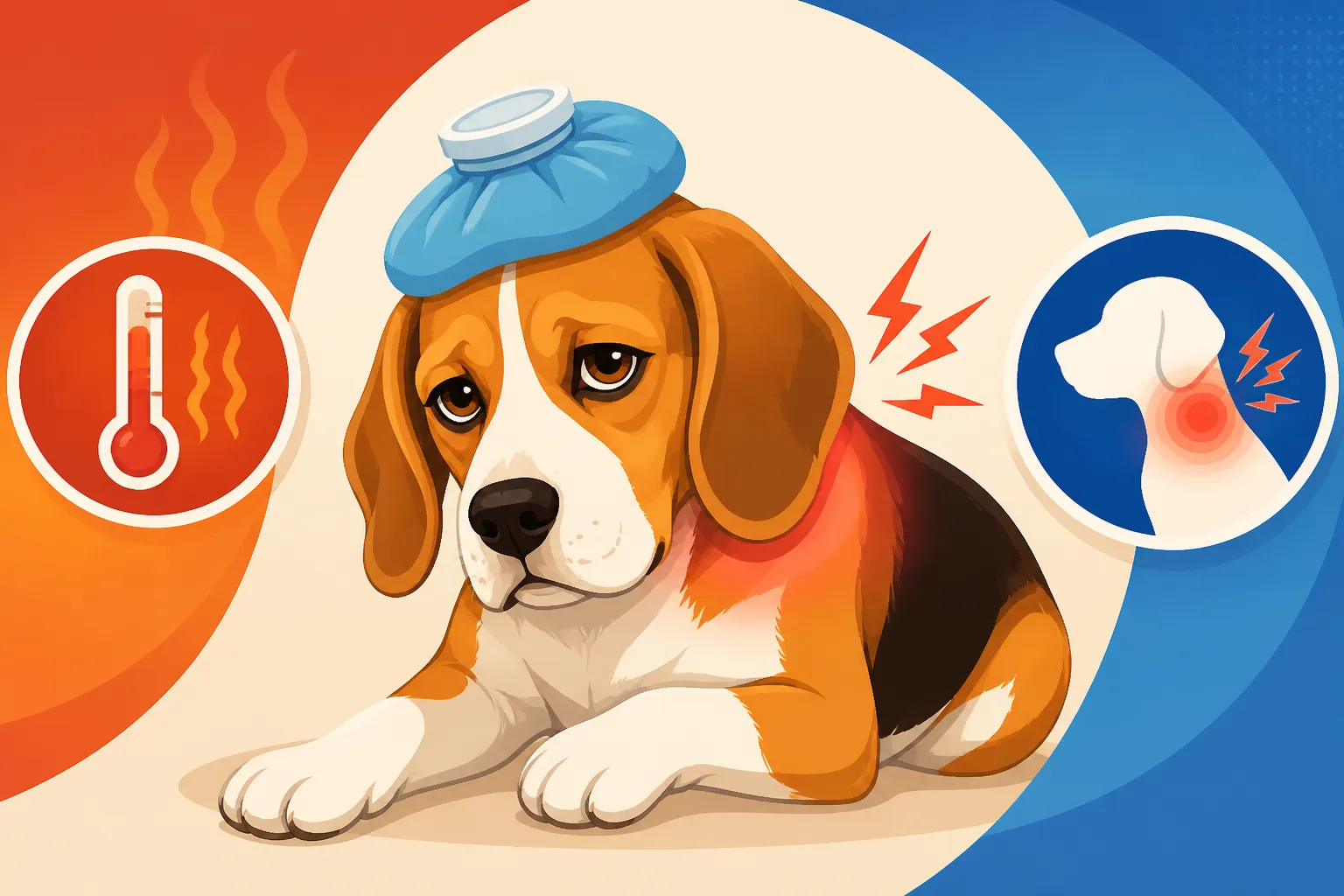
When BPS strikes, the symptoms can appear quite suddenly, often leaving owners scrambling to figure out what went wrong. The most hallmark signs are a high fever and pronounced neck stiffness, but they often come hand-in-hand with a general feeling of unwellness that's hard to miss. Your usually energetic Beagle might seem lethargic, withdrawn, and simply not themselves.
The fever can range from mild to quite high, sometimes fluctuating throughout the day. You might notice your Beagle feels warm to the touch, or they might be panting more than usual even when not exercising. They might also appear weak or tremble. But it’s the neck stiffness that often truly signals something serious is amiss. Your Beagle will likely be extremely reluctant to move their head in any direction – up, down, or sideways. They might cry out in pain if you try to gently manipulate their neck, or even if they just turn to look at you. Their head might be held in a low, rigid posture, almost like they're trying to protect it. It’s heartbreaking to witness, as their entire demeanor shifts from a happy-go-lucky hound to a dog clearly suffering. They might also show generalized body pain, sensitivity to touch, and a decreased appetite, refusing even their favorite treats because eating means moving their head. Some Beagles might even exhibit a hunched posture, trying to alleviate the spinal pain, which can sometimes make owners think of other issues like Beagle Back Pain Warning Signs.
Why Early Recognition is Absolutely Critical
When it comes to Beagle Pain Syndrome, time really is of the essence. While it’s certainly distressing to see your dog in pain, delaying a vet visit can have serious consequences. If left untreated, the inflammation can progress, potentially leading to permanent neurological damage. This isn't a condition that will just "get better on its own." Without proper medical intervention, the ongoing inflammation can cause changes to the spinal cord or brain, which could result in long-term weakness, coordination issues, or even paralysis in severe cases.
The tricky part is that early signs can sometimes mimic other, less serious ailments. A slight fever or a bit of stiffness could be dismissed as a minor muscle strain or a passing bug. However, with BPS, the symptoms tend to be more intense and persistent, and the pain is often quite severe. It’s so important to trust your gut feeling as an owner. If something feels truly wrong, even if you can’t quite put your finger on it, it warrants a trip to the vet. Vets will often try to rule out other common conditions first, which can sometimes make the diagnostic process feel drawn out, but it's all part of ensuring an accurate diagnosis and the correct treatment plan for your specific Beagle.
Diagnosing Beagle Pain Syndrome: The Vet's Approach
Pinpointing Beagle Pain Syndrome isn't always a straightforward task because its symptoms can overlap with several other conditions. This means your veterinarian will embark on a thorough diagnostic journey, systematically ruling out other possibilities to arrive at a definitive diagnosis. It's a bit like being a detective, gathering clues and eliminating suspects until only one culprit remains. This process, while sometimes anxiety-inducing for owners, is crucial to ensure your Beagle receives the most appropriate and effective treatment.
The diagnostic process usually begins with a comprehensive physical examination. Your vet will carefully check your Beagle's temperature, assess their gait, and gently palpate their neck and spine to locate areas of pain and stiffness. They'll also observe your dog's overall demeanor, looking for signs of lethargy, discomfort, or neurological deficits. Blood tests are typically among the first steps, providing valuable insights into your Beagle's general health and detecting markers of inflammation. They might show an elevated white blood cell count, indicating an inflammatory response, and potentially other inflammatory markers. However, these aren't specific to BPS, so further investigation is almost always needed. Imaging, such as X-rays, MRI, or CT scans, might be recommended to rule out structural issues like Beagle Disc Disease and That Slightly Long Back or tumors that could cause similar pain and neurological signs. While X-rays often don't show changes related to BPS directly, they are useful for ruling out bone or disc problems. MRI, on the other hand, can sometimes show subtle signs of inflammation in the meninges.
Differentiating from Other Common Beagle Ailments
As mentioned, BPS can be a bit of a chameleon, presenting with symptoms that make you think of other common Beagle health issues. It’s essential for your vet to distinguish BPS from these other conditions to ensure the right course of action. For example, a sudden onset of neck pain and reluctance to move could easily be mistaken for an acute disc injury, a condition Beagles are somewhat prone to due to their slightly longer backs. However, with a disc injury, fever is typically absent, and neurological deficits might be more localized.
Infections, such as bacterial meningitis or certain tick-borne diseases, can also cause fever, pain, and neurological signs. Your vet will often test for these specific infections. Other inflammatory conditions or even certain autoimmune diseases can also mimic BPS. The table below outlines some key differences:
| Symptom / Condition | Beagle Pain Syndrome (BPS) | Disc Injury (IVDD) | Bacterial Meningitis |
|---|---|---|---|
| Fever | Common, often high and fluctuating | Typically absent | Common, often high |
| Neck Stiffness/Pain | Severe, widespread, reluctance to move head | Localized to injured disc area, can be severe | Severe, often accompanied by generalized muscle rigidity |
| Lethargy/Malaise | Pronounced | Variable, depends on pain level | Pronounced, can progress rapidly |
| Appetite | Decreased/Absent | Variable | Decreased/Absent |
| Cause | Immune-mediated inflammation (sterile) | Degeneration/herniation of spinal discs | Bacterial infection |
| Key Diagnostic Test | CSF analysis (pleocytosis, elevated protein) | MRI (disc herniation) | CSF analysis (bacterial presence, high neutrophils) |
This differentiation is why the spinal tap is so crucial. While a blood test might show general inflammation, the cerebrospinal fluid (CSF) analysis offers the definitive evidence needed for a BPS diagnosis.
The Spinal Tap: A Crucial but Intimidating Step
The spinal tap, also known as cerebrospinal fluid (CSF) analysis, is often the gold standard for diagnosing Beagle Pain Syndrome. For owners, the idea of their beloved dog undergoing such a procedure can be intimidating and anxiety-inducing, but it’s a necessary step to get an accurate diagnosis and ensure the correct treatment.
During a spinal tap, your Beagle will be placed under general anesthesia to ensure they are completely still and comfortable. This is a delicate procedure, and safety is paramount. A small amount of CSF is then collected from either the base of the skull (cisterna magna tap) or the lower back (lumbar tap). This fluid is then sent to a specialized laboratory for analysis. What the vets are looking for are specific markers of inflammation: an abnormally high white blood cell count (called pleocytosis) and elevated protein levels in the fluid. The type of white blood cells present is also important; in BPS, you typically see an increase in neutrophils or mixed inflammatory cells, without any evidence of bacteria or other infectious agents. This confirms the "sterile" nature of the inflammation.
While anesthesia always carries some risk, modern veterinary anesthesia is incredibly safe, especially for a routine procedure like this. Your vet will perform pre-anesthetic blood work to ensure your Beagle is healthy enough for the procedure. After the tap, your Beagle will typically recover within a few hours, though they might be a little groggy from the anesthesia. The most important thing is that this procedure provides the clearest picture of what's happening internally, guiding your vet toward the right treatment plan. Without it, you'd be essentially guessing, and with a condition as serious as BPS, informed treatment is everything.
Treatment and Management of Beagle Pain Syndrome
Once a diagnosis of Beagle Pain Syndrome is confirmed, the good news is that there's a highly effective treatment that can significantly alleviate your Beagle's pain and improve their quality of life. The cornerstone of this treatment is the use of corticosteroids, powerful anti-inflammatory medications that work to suppress the overactive immune response causing the inflammation.
The most commonly prescribed steroid for BPS is prednisone or prednisolone. These medications are typically given at a high dose initially to quickly get the inflammation under control and bring down your Beagle's fever and pain levels. It's often incredible to see the improvement in a short amount of time; a dog who was miserable and rigid can often show signs of feeling much better within a day or two. However, it's absolutely crucial that this initial high dose is not maintained indefinitely. Steroids come with a host of potential side effects, especially with long-term use. Therefore, after the initial crisis is controlled, your vet will meticulously craft a tapering protocol, gradually reducing the dosage over weeks to months. This slow reduction is vital to prevent relapses and to allow your Beagle's body to adjust. Stopping steroids abruptly can be dangerous and almost guarantees a return of symptoms.
Supporting Your Beagle Through Recovery
While steroids are doing the heavy lifting to combat the inflammation, your Beagle will need a lot of TLC and supportive care during their recovery. Pain management, alongside the steroids, is often recommended, especially in the initial stages. Your vet might prescribe additional pain relievers to ensure your Beagle is as comfortable as possible as the steroids begin to work.
Creating a calm, quiet, and comfortable recovery space is paramount. This means a soft bed, away from household commotion, where your Beagle can rest undisturbed. Restricted activity will be essential, particularly during the initial weeks. No jumping, running, or roughhousing. Short, leashed potty breaks are generally all that's advised. Encouraging your Beagle to eat and drink is also important, as their appetite might be suppressed. Offering tempting foods, even plain cooked chicken or rice, can help. Ensure fresh water is always available. Depending on the severity and your Beagle's response, your vet might also recommend gentle physiotherapy or passive range of motion exercises to prevent muscle stiffness once the acute pain has subsided. This is a marathon, not a sprint, and your patience and dedication during this time are invaluable. For general neck health, consider a Why a Harness Protects a Beagle's Neck as it avoids pressure on the neck compared to a collar.
Long-Term Outlook and Relapse Potential
It's important to understand that Beagle Pain Syndrome is often a chronic condition, meaning it can recur even after successful treatment. While many Beagles respond wonderfully to steroid therapy and can live full, happy lives, relapses are a real possibility. This is why consistent medication, carefully managed under veterinary guidance, and diligent monitoring are so critical. You'll need to remain vigilant for any return of symptoms – a slight fever, a hint of neck stiffness, or a general "off" feeling – and contact your vet immediately if you suspect a relapse. Recognizing The Age Beagle Pain Syndrome Usually Appears can also help you understand the timeframe for typical onset and progression.
Managing BPS long-term also means thinking about the financial aspect. The ongoing cost of medication and regular vet check-ups can add up, and this is where pet insurance can be a real lifesaver. Providers like Healthy Paws offer coverage for chronic conditions, which can significantly ease the burden of these recurring expenses. It’s worth looking into plans that cover long-term medication and diagnostics, as conditions like BPS require sustained care. Understanding the Beagle Pet Insurance and What It Runs a Month can help you budget for potential chronic health issues, much like budgeting for other lifelong conditions such as Beagle Medical Costs for Epilepsy and Thyroid Disease. Early enrollment, before any symptoms appear, is always advisable to ensure coverage for unforeseen conditions like BPS.
Living with a Beagle Diagnosed with Pain Syndrome
A diagnosis of Beagle Pain Syndrome changes things, no doubt. It introduces a new layer of vigilance and care into your daily routine, but it certainly doesn't mean the end of your Beagle's happy life. With proper management and a dedicated approach, Beagles with BPS can continue to enjoy their families and their favorite activities, albeit sometimes with a few modifications. It's about adapting and becoming an even more attentive advocate for your dog's health. You'll likely become intimately familiar with their "normal" behavior so you can spot even the most subtle deviation, which could signal a flare-up.
One of the most valuable tools you can create is a detailed health diary. This isn't just for documenting medication times; it's a place to note down daily observations, however small. Did your Beagle seem a little less enthusiastic on their walk today? Was their appetite slightly off? Did they seem to favor one side of their neck? Jotting these things down can help you and your vet identify patterns, track responses to medication adjustments, and anticipate potential relapses. This proactive approach empowers you as an owner and provides your veterinary team with invaluable information that often gets forgotten in the stress of an appointment. Building a strong, trusting relationship with your veterinarian is also paramount. They will be your primary partner in managing this condition, and open communication is key. Don't hesitate to ask questions, voice concerns, or seek clarification on any aspect of your Beagle's care.
Proactive Care and Vigilance
Living with a Beagle who has BPS means adopting a mindset of continuous vigilance. Regular vet visits are not just recommended; they are non-negotiable. These check-ups allow your vet to monitor your Beagle's overall health, assess their response to medication, and make any necessary adjustments to the steroid tapering schedule. They’ll also keep an eye on potential side effects of long-term steroid use, such as changes in liver enzymes or blood sugar levels.
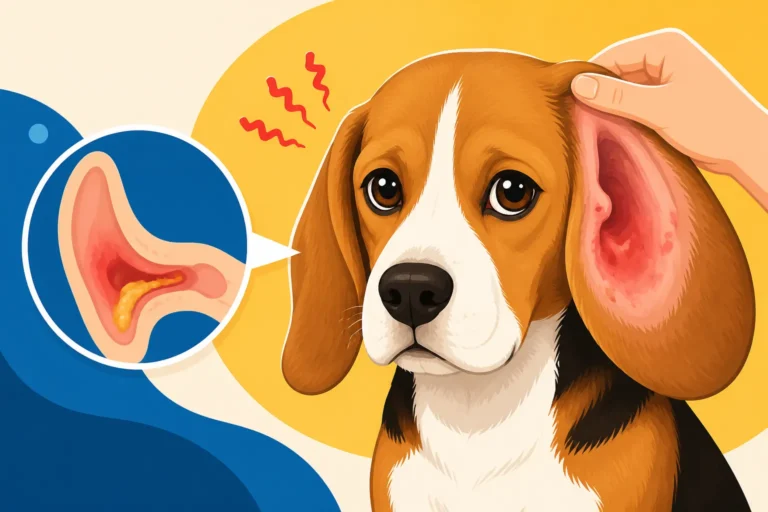
It’s absolutely critical that you never, ever miss a dose of medication or alter the dosage without consulting your vet. Steroids need to be tapered very slowly and precisely to avoid withdrawal symptoms or a flare-up of the inflammation. Educating everyone in your household, and anyone who regularly cares for your Beagle (like a pet sitter or dog walker), about the condition and the importance of medication adherence is vital. They should also know what signs to look for that might indicate a relapse and what to do if they occur. It's a team effort to keep your Beagle healthy and comfortable. Understanding other inflammatory conditions your Beagle might face, such as Beagle Ear Infections Under Those Long Ears, can also help you understand the general principles of managing chronic inflammation, even though the specific treatments differ.
Financial Considerations and Support
Let’s be honest, managing a chronic condition like Beagle Pain Syndrome can be a significant financial commitment. The ongoing costs of medication, especially if your Beagle needs to be on steroids long-term, coupled with regular veterinary appointments, blood tests to monitor organ function (due to steroid use), and potential emergency visits for relapses, can quickly add up. For example, a monthly prescription for prednisone can vary depending on dosage and pharmacy, but it's a continuous expense. Blood work to monitor liver function or other parameters might be needed every few months.
This is precisely where pet insurance becomes an incredibly valuable asset. Companies like Healthy Paws, for instance, offer comprehensive accident and illness plans that can cover a significant portion of these costs once your deductible is met. It's important to enroll your Beagle before any symptoms of BPS appear, as most insurance policies consider pre-existing conditions ineligible for coverage. This foresight can literally save you thousands of dollars over your Beagle's lifetime, allowing you to prioritize the best possible care without being overwhelmed by the bill. If pet insurance isn't an option or doesn't cover all costs, don't despair. Discuss financial aid programs with your vet, as there are often local or national organizations dedicated to helping pet owners afford veterinary care for chronic illnesses. Exploring these options can provide crucial support, ensuring your Beagle gets the continuous care they need to thrive.
Disclaimer
This guide is intended for informational purposes only and should not be considered a substitute for professional veterinary advice, diagnosis, or treatment. Always seek the advice of your qualified veterinarian with any questions you may have regarding a medical condition or treatment plan for your Beagle.