The Lafora DNA Test Available for Beagles
Witnessing your beloved Beagle experience a seizure is an incredibly frightening and heartbreaking experience. When those seizures turn out to be more complex than typical idiopathic epilepsy, perhaps hinting at a progressive and devastating condition like Lafora disease, the fear can become overwhelming. This guide is here to walk you through understanding Lafora disease, specifically its impact on Beagles, and explain the crucial role of the Lafora DNA test in protecting this wonderful breed.
Understanding Lafora Disease: Why Beagles Are Uniquely Vulnerable
Lafora disease is a late-onset, progressive myoclonic epilepsy that affects several dog breeds, but it tragically impacts Beagles with particular severity. It’s caused by a genetic mutation, and unlike some other forms of epilepsy, Lafora disease is relentlessly progressive, meaning symptoms worsen over time. For any Beagle owner, this can be a truly devastating diagnosis, leading to difficult decisions about their beloved companion's future.
What Lafora Syndrome Is and How It Progresses
At its heart, Lafora disease is a neurodegenerative condition. It’s characterized by the accumulation of abnormal starch-like structures, called Lafora bodies, within the nerve cells of the brain and other tissues. Think of it like a sticky buildup that clogs the brain's delicate machinery. As more and more of these Lafora bodies accumulate, they disrupt normal brain function, leading to a range of neurological symptoms.
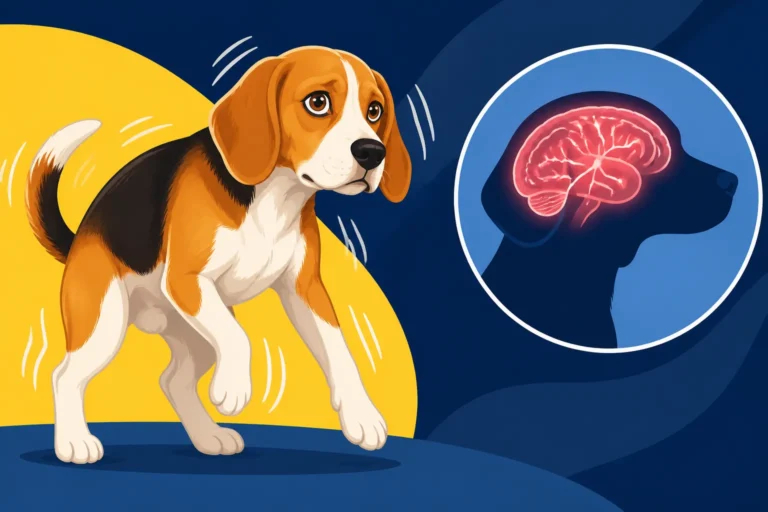
Typically, the disease presents in middle-aged Beagles, often around five to six years old, but it can appear anywhere from early adulthood into their senior years. This later onset can sometimes lull owners into a false sense of security, or lead them to mistake early signs for normal aging. The initial signs might be subtle – perhaps just a slight tremor or an occasional, involuntary muscle jerk, often referred to as myoclonus. These muscle jerks can be particularly noticeable when the dog is excited, stressed, or exposed to certain stimuli, like flashing lights or sudden noises. As the disease progresses, these myoclonic jerks become more frequent, severe, and eventually develop into full-blown generalized seizures. It's truly agonizing to watch these once vibrant dogs decline. You might notice your dog having The Muscle Jerks That Signal Lafora in a Beagle before anything else.
Over time, Beagles with Lafora disease often develop other neurological deficits, including blindness, dementia, uncoordinated movements (ataxia), and a general deterioration of their cognitive abilities. Their quality of life inevitably diminishes, and the once happy-go-lucky Beagle becomes a shadow of its former self. This progression is what makes Lafora so heartbreakingly different from other seizure disorders, and Why Lafora Hits Beagles Harder Than Other Breeds is a critical topic for every Beagle enthusiast to understand.
Distinguishing Lafora from Other Beagle Seizure Disorders
It’s easy to confuse the initial signs of Lafora disease with other more common seizure conditions that affect Beagles, such as Idiopathic Epilepsy in Beagles From Six Months to Six Years. Idiopathic epilepsy is the most common form of canine epilepsy, meaning there's no identifiable cause for the seizures, and it often begins in younger dogs, typically between six months and six years of age. While terrifying, idiopathic epilepsy can often be managed effectively with medication, and many dogs live full, happy lives.
Lafora, however, carries a different prognosis. The key differences lie in the typical age of onset, the type of seizures, and the progressive nature of the disease.
- Age of Onset: While idiopathic epilepsy usually starts younger, Lafora Disease Starting in a Five Year Old Beagle is a hallmark, though it can vary. This later onset is a red flag for Lafora.
- Seizure Type: Beagles with Lafora often start with myoclonic jerks – quick, involuntary muscle contractions – before progressing to generalized seizures. Idiopathic epilepsy typically presents directly with generalized tonic-clonic seizures (the classic "grand mal" seizure).
- Progression: Lafora is progressive. The symptoms, including seizures and neurological deficits, will worsen over time. Idiopathic epilepsy, while requiring lifelong management, generally doesn't involve the same relentless neurological decline.
- Response to Medication: This is another crucial distinction. Beagles with Lafora disease often Why Lafora Beagles Resist Seizure Medication that are highly effective for idiopathic epilepsy, making treatment much more challenging.
Given these differences, an accurate diagnosis is paramount. This is where genetic testing becomes not just helpful, but absolutely essential, offering a definitive answer and guiding both breeding decisions and an affected dog's care plan.
The Lifesaving Lafora DNA Test: A Breeder's and Owner's Tool
When a condition like Lafora disease exists within a breed, a specific DNA test becomes an invaluable tool. It allows us to identify carriers and affected individuals before symptoms even appear, preventing the unwitting spread of the gene and allowing owners to prepare for potential challenges. For Beagles, the Lafora DNA test has been nothing short of a game-changer.
How the DNA Test Works and What It Detects
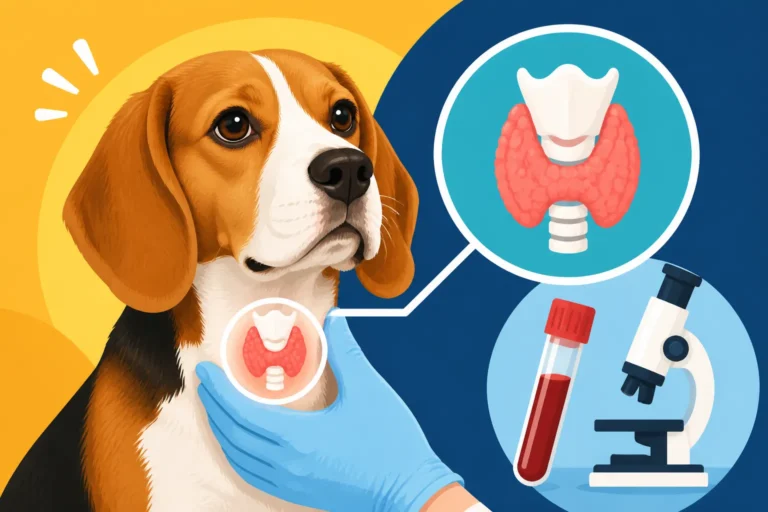
The Lafora DNA test is a simple, non-invasive genetic test that requires a small sample of your Beagle’s DNA, usually collected via a cheek swab or a blood sample. This sample is then sent to a specialized laboratory that analyzes the dog’s genetic material for the specific mutation associated with Lafora disease. The test looks for a mutation in the EPM2B gene (or sometimes NHLRC1, depending on the specific mutation and breed). In Beagles, it’s primarily the EPM2B gene mutation that’s responsible.
What the test is essentially doing is checking the blueprint of your dog's genetic code. It’s looking for a very particular typo that, when present in a certain combination, leads to the development of Lafora disease. This isn't just about identifying sick dogs; it's about understanding the genetic status of every dog, whether they show symptoms or not. This is why it’s such a powerful tool in a breeder’s arsenal.
The beauty of a DNA test is its predictive power. It doesn’t wait for symptoms to manifest, which, in the case of Lafora, can be years into a Beagle’s life. By the time a dog starts showing signs, they've likely already been bred and potentially passed the gene to multiple litters. The DNA test allows for proactive decision-making, ensuring that the gene isn't unwittingly carried forward.
The Urgency of Testing Before Breeding or Buying
For anyone involved with Beagles, whether you're a responsible breeder striving to improve the health of the breed or a prospective puppy buyer looking for a healthy companion, the Lafora DNA test is non-negotiable.
For Breeders: Responsible Beagle breeders absolutely must test their breeding stock for the Lafora gene. This test is often included as part of comprehensive Beagle Health Testing Under CHIC (Canine Health Information Center) protocols, which aim to identify and reduce the incidence of genetic diseases in purebred dogs. By testing all potential parents, breeders can make informed decisions about pairings, ensuring that they never breed two carriers together, which is the only way to produce affected puppies. This proactive approach is how we collectively work towards Breeding Away From Epilepsy in Beagle Lines and safeguard the future health of the breed.
Imagine a scenario where a breeder unknowingly pairs two carrier Beagles. Each puppy in that litter would have a 25% chance of being affected by Lafora disease, a 50% chance of being a carrier, and only a 25% chance of being completely clear. That's a huge risk for unsuspecting families. By using the DNA test, breeders can ensure that all puppies they produce will be clear or, at worst, carriers that will never develop the disease themselves (as long as they aren't bred with another carrier).
For Prospective Owners: If you're looking to bring a Beagle puppy into your home, always ask about the parents' Lafora DNA test results. A reputable breeder will be transparent and eager to share this information. They should be able to provide documentation proving that both parents are either "clear" or that one parent is "clear" and the other is a "carrier." They should never, ever breed two carriers together. This simple request can save you and your future Beagle years of heartache and significant financial strain down the line, especially considering Beagle Costs When Epilepsy Is Diagnosed Young can be substantial. Don't be shy about asking for proof; it's a testament to a breeder's commitment to the health of their lines.
Decoding Your Beagle's Lafora Test Results
Once you've submitted your Beagle's DNA sample, the waiting game begins. When the results arrive, understanding what they mean is paramount. The Lafora DNA test will typically categorize your Beagle into one of three distinct statuses: "Clear," "Carrier," or "Affected." Each status carries significant implications for your dog's health and any potential breeding decisions.
"Clear," "Carrier," and "Affected": What Each Status Means
Let's break down what each of these results truly signifies:
-
Clear (N/N or Homozygous Normal): This is the best possible result. A Beagle that tests "Clear" has inherited two normal copies of the EPM2B gene (or NHLRC1), one from each parent. This means your Beagle does not carry the Lafora mutation and will not develop Lafora disease in its lifetime. Furthermore, a clear Beagle cannot pass the mutation on to any of its offspring. This is the ideal status for any breeding dog, as it guarantees that none of its puppies will be affected, regardless of the status of the mate (though breeding with a carrier is still generally discouraged to reduce the prevalence of the gene).
-
Carrier (N/Lafora or Heterozygous Affected): A Beagle that tests "Carrier" has inherited one normal copy of the gene and one copy with the Lafora mutation. Critically, carrier Beagles will not develop Lafora disease themselves. They do not suffer from the symptoms because the single normal copy of the gene is sufficient for their health. However, a carrier Beagle can pass the mutated gene on to approximately 50% of its offspring. This is why careful breeding is so important. A carrier dog should only ever be bred to a clear dog to ensure that no affected puppies are produced.
-
Affected (Lafora/Lafora or Homozygous Affected): This result means your Beagle has inherited two copies of the Lafora mutation, one from each parent. A Beagle with this status will develop Lafora disease if they live long enough, and they will likely exhibit symptoms consistent with the condition, such as The Muscle Jerks That Signal Lafora in a Beagle, progressive seizures, and neurological decline. An affected Beagle will pass a mutated copy of the gene to 100% of its offspring, meaning all of its puppies would be at least carriers. Breeding an affected dog is highly unethical and should never occur.
Here's a handy table to summarize the genetic inheritance possibilities:
| Parent 1 Status | Parent 2 Status | Offspring Probabilities (Approximate) | Risks |
|---|---|---|---|
| Clear (N/N) | Clear (N/N) | 100% Clear | No risk of Lafora |
| Clear (N/N) | Carrier (N/Lafora) | 50% Clear, 50% Carrier | No risk of affected offspring |
| Clear (N/N) | Affected (Lafora/Lafora) | 100% Carrier | No risk of affected offspring |
| Carrier (N/Lafora) | Carrier (N/Lafora) | 25% Clear, 50% Carrier, 25% Affected | High risk of affected offspring (25%) |
| Carrier (N/Lafora) | Affected (Lafora/Lafora) | 50% Carrier, 50% Affected | High risk of affected offspring (50%) |
| Affected (Lafora/Lafora) | Affected (Lafora/Lafora) | 100% Affected | All offspring will be affected |
As you can see, breeding two carrier Beagles together carries a 25% chance of producing a puppy that will suffer from Lafora disease. This is why responsible breeders use this test to ensure they are making the healthiest choices for their lines and the future of the breed.
Genetic Implications for Future Generations
The power of the Lafora DNA test lies not just in diagnosing an individual dog, but in preventing the perpetuation of the disease across generations. By understanding the genetic status of breeding dogs, breeders can strategically plan pairings to minimize or eliminate the risk of producing affected puppies.
For instance, a breeder might choose to breed a carrier Beagle to a clear Beagle. While this pairing will still produce some carrier offspring, it ensures that no puppy in the litter will be affected by the disease. The carrier offspring can then be tested, and if chosen for future breeding, they too must only be bred to clear mates. Over time, through diligent testing and selective breeding, the incidence of the Lafora mutation within a breeding line can be significantly reduced. This systematic approach is the cornerstone of genetic health management in purebred dogs.
This commitment extends beyond just healthy puppies; it reflects a breeder's dedication to the overall well-being and longevity of the breed itself. It helps ensure that families adopting a Beagle can do so with confidence, knowing that preventable genetic diseases like Lafora have been carefully screened for. Organizations like the National Beagle Club Health Recommendations often highlight the importance of these genetic screenings for the long-term health of the breed.
Supporting a Beagle with a Lafora Diagnosis
While the Lafora DNA test is primarily a preventative tool for breeders, for owners who discover their Beagle is affected, either through testing or symptom onset, it transitions into a crucial diagnostic piece. Receiving an "Affected" result or witnessing the heartbreaking progression of symptoms can be an incredibly tough journey. However, understanding the disease and having a proactive plan can make a significant difference in managing your Beagle's quality of life.
Managing Symptoms and Quality of Life
If your Beagle is diagnosed as affected by Lafora disease, or if you suspect it based on The Muscle Jerks That Signal Lafora in a Beagle and Lafora Disease Starting in a Five Year Old Beagle, your first step is to work closely with your veterinarian. Since Lafora is a progressive neurodegenerative disease, there is currently no cure. However, treatment focuses on managing the symptoms to maintain the best possible quality of life for as long as possible.
Typically, this involves a multi-faceted approach:
- Anti-Seizure Medications: While Why Lafora Beagles Resist Seizure Medication is a known challenge, your vet will likely prescribe anti-epileptic drugs (AEDs) to help control or reduce the frequency and severity of the seizures. Phenobarbital, potassium bromide, levetiracetam (Keppra), and zonisamide are common choices. It might take some trial and error to find the right combination and dosage that provides the most relief with the fewest side effects. Regular monitoring of blood levels for some medications is essential to ensure they are within the therapeutic range and not causing harm to organs like the liver.
- Environmental Management: Identifying and minimizing seizure triggers can be very helpful. This might include reducing stress, avoiding flashing lights (like from a TV or certain types of screens), and providing a calm, consistent environment.
- Dietary Considerations: Some anecdotal evidence suggests that a low-carbohydrate, ketogenic diet might help some dogs with epilepsy by altering brain metabolism. This is an area to discuss thoroughly with your vet or a veterinary nutritionist, as significant dietary changes should always be supervised.
- Enrichment and Safety: As the disease progresses and cognitive function declines, ensuring your Beagle's safety and comfort is paramount. This may involve making your home safer, especially if vision or coordination are affected. Gentle mental stimulation can still be beneficial, but always keep your dog's current capabilities in mind. Beagle Seizure First Aid at Home is also crucial information for any owner of an epileptic Beagle, regardless of the underlying cause. Knowing what to do when a seizure occurs can make all the difference in keeping your dog safe and comfortable during a scary event.
- Palliative Care: As the disease advances, your focus will shift even more towards comfort and palliative care. This could include pain management, support for mobility issues, and maintaining hygiene. The goal is always to maximize comfort and minimize suffering.
The journey with a Lafora-affected Beagle is emotionally taxing. You'll need incredible patience, dedication, and a strong support system. Remember, you're doing your best for your dog, and seeking help from your vet, specialists, and even support groups for owners of epileptic dogs can provide much-needed guidance and solace.
The Financial and Emotional Realities for Owners
Let's be realistic: managing a chronic, progressive condition like Lafora disease comes with significant financial and emotional costs.
Financial Realities:
- Veterinary Consultations: Frequent vet visits will be necessary for diagnosis, medication adjustments, and monitoring your Beagle's overall health.
- Medication Costs: Lifelong medication can be expensive, and as Lafora Beagles often resist standard treatments, polypharmacy (using multiple drugs) might be necessary, driving costs up further.
- Diagnostic Tests: Repeated blood work, especially for liver monitoring if certain AEDs are used, and potentially follow-up neurological exams, will add to the bill.
- Specialist Referrals: You might need to consult with a veterinary neurologist, which can be pricey but invaluable for managing complex cases.
- Special Equipment/Aids: As mobility or vision declines, you might need ramps, special bedding, or other aids to help your Beagle navigate your home.
This is where pet insurance can be a lifesaver, if purchased before a diagnosis. Companies like Healthy Paws offer comprehensive pet insurance plans that, depending on your policy, can cover a significant portion of unexpected veterinary costs. However, it's vital to understand that Lafora disease would be considered a pre-existing condition if diagnosed before or during the policy waiting period, and thus typically wouldn't be covered by a new policy. This underscores the importance of proactive care and planning for your pet's health. For those with a current Healthy Paws policy (or similar insurance) taken out before any signs of Lafora appeared, the coverage could greatly alleviate the financial burden of ongoing treatment.
Emotional Realities:
Beyond the financial strain, the emotional toll of caring for a Beagle with Lafora disease is immense. You'll likely experience:
- Grief and Sadness: Watching a beloved pet decline is profoundly painful.
- Frustration: The challenges of medication resistance and the progressive nature of the disease can be incredibly frustrating.
- Anxiety: Living with the constant worry of when the next seizure might strike, or what new symptom might emerge, is exhausting.
- Isolation: Sometimes, friends and family might not fully understand the demands of caring for a dog with a chronic illness, leading to feelings of isolation.
- Difficult Decisions: Eventually, you will face the heartbreaking decision of assessing your Beagle's quality of life and potentially considering euthanasia when suffering outweighs joy. This is perhaps the hardest part of Saying Goodbye to a Beagle at Fourteen, or at any age.
It's crucial to acknowledge these feelings and seek support for yourself. Join online forums, talk to your vet, or connect with other owners who have walked a similar path. Remember that providing love, comfort, and diligent care is the greatest gift you can give your Beagle, even as the disease takes its course. Understanding Senior Beagle Care After the Age of Ten can also provide valuable insights as your Lafora-affected Beagle ages and their needs change dramatically.
Disclaimer
This article is intended for informational purposes only and does not constitute veterinary advice. Always consult with a qualified veterinarian for any health concerns or before making any decisions about your pet's medical care.