Cluster Seizures in a Beagle and What They Mean
It’s truly one of the most terrifying things a Beagle owner can witness: your beloved companion, just recovered from one seizure, only to fall into another, and then perhaps another. This pattern, known as cluster seizures, leaves you feeling helpless, scared, and desperate for answers. This guide is here to walk you through what cluster seizures mean for your Beagle, why they happen, and crucially, what you can do to manage these harrowing episodes and support your furry family member through them.
Understanding What Cluster Seizures Are in Beagles
When your Beagle experiences a cluster seizure, it’s not just one isolated event; it's a series of seizures that happen in relatively quick succession. This can be incredibly distressing for both you and your dog, as the normal recovery period after one seizure is cut short by the onset of another. It feels like a relentless cycle, and understanding what exactly is happening is the first step toward managing it.
Defining Cluster Seizures vs. Single Episodes
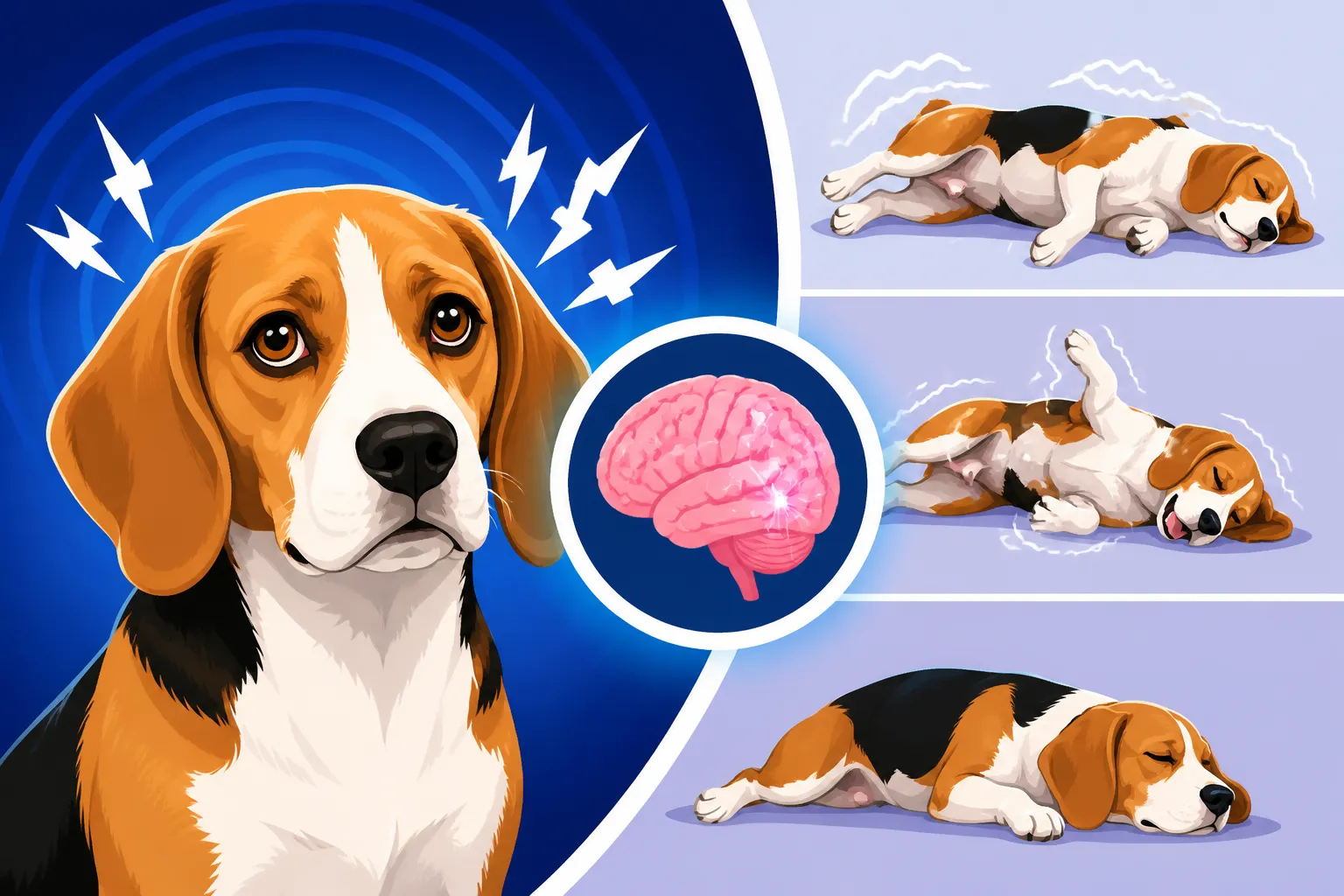
A single, isolated seizure in a Beagle is already a stressful event, but a cluster seizure takes that stress to another level. We generally define cluster seizures as two or more individual seizures occurring within a 24-hour period, with the dog regaining consciousness, or at least partial consciousness, between episodes. This is distinct from status epilepticus, which is a single, continuous seizure lasting more than five minutes, or multiple seizures without any recovery period in between, which is an immediate life-threatening emergency. With cluster seizures, your Beagle might briefly seem to be coming out of it, only for its body to seize again, sometimes just minutes or hours later. This can leave them utterly exhausted and disoriented. The emotional toll on us, as their caretakers, watching this happen over and over, is immense, filled with worry and a desperate plea for it to stop.
The post-ictal phase, which is the period right after a seizure where a dog might be disoriented, confused, or even temporarily blind, becomes a crucial indicator here. If your Beagle barely gets through this phase before another seizure hits, it’s a clear sign of a cluster. The brain simply isn't getting enough time to reset and recover, leading to a cascade effect. This cycle can deplete brain energy stores and can be more damaging than single, infrequent seizures, making intervention all the more critical.
The Types of Seizures in a Cluster
While often cluster seizures involve generalized or "grand mal" seizures – where the dog loses consciousness, collapses, paddles its limbs, and may lose bladder or bowel control – they can technically include focal seizures too. Focal seizures are more localized, affecting only one part of the body or causing subtle changes in behavior, like twitching a leg or snapping at invisible flies. What's often observed in a cluster is that the repeated seizures tend to manifest similarly, keeping a consistent pattern. If your Beagle typically has grand mal seizures, its cluster will likely consist of a series of grand mal events.
The cumulative effect of these repeated seizures is particularly concerning. Each seizure puts a significant strain on the Beagle's brain and body, raising its core temperature, increasing metabolic demand, and potentially leading to oxygen deprivation in parts of the brain. Over time, these effects can lead to more severe neurological consequences. That's why carefully observing and documenting What a Beagle Seizure Actually Looks Like during a cluster is so important for your veterinarian. Every detail you can provide about the duration, type of movements, and recovery helps build a clearer picture for diagnosis and treatment adjustments.
Why Beagles Are Prone to Cluster Seizures
It’s no secret that Beagles, as a breed, have a higher incidence of epilepsy than many other dogs. This predisposition is a major factor in why they might experience cluster seizures more frequently. It's a frustrating reality for many Beagle owners who adore their lively, scent-driven companions but dread the onset of a seizure.
Genetic Predisposition and Idiopathic Epilepsy
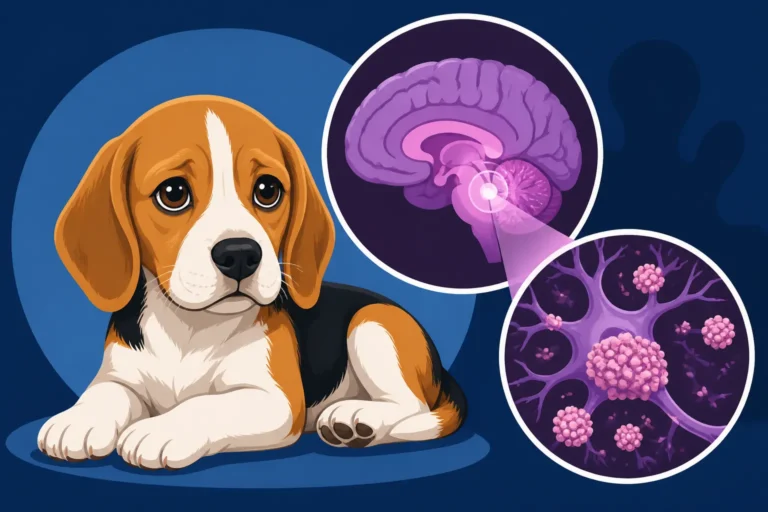
Beagles are unfortunately one of the breeds notoriously predisposed to Idiopathic Epilepsy in Beagles From Six Months to Six Years. This means that for many Beagles, the seizures have no identifiable underlying cause, such as a brain tumor, infection, or metabolic disorder. It's simply an inherent electrical instability in the brain that causes recurrent seizures. While the term "idiopathic" might sound vague, it doesn't diminish the very real, often genetic, component at play. Research continues to try and pinpoint the exact genes responsible, but for now, we know it runs in certain lines and is a characteristic of the breed.
This genetic vulnerability means that when a Beagle’s brain starts to seize, it can have a harder time "turning off" that activity, making it more prone to cycling into a cluster. Their brains seem to be more sensitive to the factors that trigger seizures, and once one starts, the threshold for another to follow quickly might be lowered. It’s a heartbreaking reality to know your dog is predisposed to this, and it often means that if your Beagle has epilepsy, it might experience its first seizure around The Age a Beagle Usually Has Its First Seizure, which can be as young as six months to a few years old.
Potential Triggers and Underlying Conditions
While idiopathic epilepsy is common, it's essential to remember that other factors can trigger or worsen seizures, sometimes leading to clusters. Stress, excitement, significant changes in routine, certain loud noises, or even specific smells can act as catalysts. Owners often report specific patterns or events preceding seizures, which highlights the importance of keeping a keen eye on The Seizure Triggers Beagle Owners Report Most. Something as simple as a sudden storm or a visit from unfamiliar guests might be enough to push a susceptible Beagle into a seizure, or even a cluster.
Beyond environmental triggers, it’s always crucial to rule out other potential medical conditions that can cause seizures, even if your Beagle is predisposed to idiopathic epilepsy. Your vet will perform a thorough diagnostic workup to exclude issues like liver shunts, kidney disease, low blood sugar, infections, exposure to toxins, or even brain tumors. In rare cases, a specific genetic condition called Lafora Disease and Late-Onset Beagle Epilepsy can also cause cluster-like seizure activity, especially as Beagles age. This is why a comprehensive veterinary evaluation is indispensable, as treating an underlying condition, if found, can often resolve or significantly reduce seizure activity, including clusters.
Immediate Actions During a Beagle Cluster Seizure
When your Beagle is having a seizure, especially a cluster of them, every second can feel like an eternity. Knowing what to do in those moments can make a critical difference in your dog's safety and well-being. Panic is natural, but acting decisively is paramount.
Ensuring Your Beagle's Safety During a Seizure
The first, and perhaps most difficult, step is to remain as calm as possible. Your Beagle can sense your distress, and while it won’t affect the seizure itself, it can impact their recovery afterward. Your immediate goal is to protect your Beagle from injury. Gently move any furniture or hard objects away from them. If they are near stairs or water, try to gently slide them to a safer, open area, but do so without putting yourself in harm's way. Remember, a seizing dog is not conscious of its actions. You absolutely must not try to hold their tongue or put your hands in their mouth; you could be severely bitten, and it won't help your dog. Dogs do not swallow their tongues during seizures.
As the seizure unfolds, try to dim the lights and reduce any loud noises in the environment. Speak to your Beagle in a soft, reassuring voice, even though they can't understand you in that moment. What is most critical is to time the seizure. Note down the exact start and end times, and if it's a cluster, time each individual seizure. Observe and mentally (or vocally) note any specific movements: paddling, drooling, vocalizations, or changes in breathing. This detailed information about What to Do While a Beagle Is Seizing and observing the event itself will be invaluable for your veterinarian when you report the incident. It helps them differentiate seizure types and assess the severity, guiding treatment decisions.
Recognizing When to Administer Emergency Medication
For Beagles prone to cluster seizures, your veterinarian will often prescribe emergency medication for you to administer at home. These medications, typically fast-acting benzodiazepines like rectal diazepam (Diastat) or intranasal midazolam, are designed to interrupt the seizure cycle. It’s vital that you understand precisely when and how to administer these drugs. Usually, the instruction is to give the medication if a seizure lasts longer than a specified duration (e.g., 2-3 minutes) or if one seizure is immediately followed by another without full recovery.
Having this emergency medication readily available and knowing how to use it can be a true lifesaver for your Beagle during a cluster event. The goal isn't necessarily to stop the current seizure mid-course, but to prevent subsequent seizures in the cluster and shorten the overall duration of the cluster. Your vet will walk you through the exact dosage and administration technique. It's a scary thing to do, but it empowers you to act when your Beagle needs you most. Always confirm with your vet the specific protocol for your dog's condition, as it can vary.
When a Cluster Becomes a Veterinary Emergency
While cluster seizures are serious, there's a point when they escalate into a dire emergency requiring immediate veterinary intervention. This critical point is often when the seizures become continuous, lasting longer than five minutes, or when your Beagle has multiple seizures without regaining consciousness or reaching a normal state in between. This is known as status epilepticus, and it can be life-threatening if not treated promptly. During status epilepticus, the brain is under immense stress, and prolonged seizure activity can lead to permanent brain damage, hyperthermia, and other systemic complications.
If your Beagle's cluster seizure turns into status epilepticus, or if the individual seizures in a cluster are unusually long or severe, you need to get to an emergency veterinary clinic immediately. Don't wait for the cluster to finish. Call ahead if possible, to let them know you're coming. This aligns with the advice on When a Beagle Seizure Becomes an Emergency. Even if the individual seizures are shorter but your Beagle has had several in a very short span (e.g., three or more within an hour), and their recovery between them is non-existent or severely impaired, it's always best to seek emergency care. Time is truly of the essence in these situations.
Long-Term Management and Prevention Strategies
Living with a Beagle prone to cluster seizures is a journey that requires vigilance, patience, and a close partnership with your veterinarian. The good news is that with dedicated management, many Beagles can lead full and happy lives. The goal isn't always to completely eliminate seizures, but to reduce their frequency, severity, and crucially, prevent those frightening clusters.
Working with Your Veterinarian on a Treatment Plan
Establishing and maintaining a strong relationship with your veterinarian is the cornerstone of managing your Beagle's epilepsy. Your vet will guide you through diagnostic tests to confirm idiopathic epilepsy and rule out other causes. They will then help you choose the most appropriate anti-seizure medication or combination of medications. Common choices include Phenobarbital for a Beagle With Epilepsy or Potassium Bromide as a Beagle Seizure Drug, sometimes used together or with newer drugs. Finding the right medication and dosage is often a process of trial and error, requiring patience and careful monitoring.
The aim of medication isn't necessarily to stop all seizures, but to reduce them to a manageable level where quality of life is maintained or improved, and clusters are minimized. Regular check-ups are essential to monitor your Beagle's response to medication, adjust dosages as needed, and screen for potential side effects. For example, if your Beagle is on phenobarbital, periodic blood work to monitor Liver Monitoring for a Beagle on Seizure Medication is crucial, as this drug can impact liver function over time. Open and honest communication with your vet about your Beagle’s behavior, seizure activity, and any concerns you have is paramount to tailoring the most effective treatment plan.
The Value of a Detailed Seizure Diary
One of the most powerful tools you have as a Beagle owner dealing with epilepsy is a detailed seizure diary. This isn't just a suggestion; it's an absolute necessity. Your vet relies heavily on the information you provide to make informed decisions about medication adjustments. A good seizure diary should include:
- Date and Time: Of each individual seizure in a cluster.
- Duration: How long each seizure lasted.
- Type of Seizure: Generalized, focal, or other observations.
- Description: Specific movements, vocalizations, loss of bodily functions.
- Pre-seizure (prodromal) signs: Any unusual behavior leading up to the seizure.
- Post-seizure (post-ictal) recovery: How long it took for your Beagle to recover, and what their behavior was like.
- Potential Triggers: Anything you suspect might have preceded the seizure (e.g., stress, loud noise, specific food).
- Medication Given: Type, dose, and time, especially emergency medications.
This meticulous record-keeping, as detailed in Keeping a Seizure Diary for Your Beagle, helps identify patterns, gauge the effectiveness of current treatment, and allows your vet to make precise adjustments. There are many apps available now that make this easier, or a simple notebook works just as well. Consistent tracking truly empowers you and your vet in the fight against your Beagle's epilepsy.
Lifestyle Adjustments and Environmental Control
While medication plays a central role, lifestyle adjustments and environmental control can significantly support your Beagle’s well-being and potentially reduce seizure frequency and the likelihood of clusters. Beagles thrive on routine, and a consistent daily schedule for feeding, walks, playtime, and sleep can contribute to neurological stability. Sudden changes can sometimes be a trigger, so try to keep things as predictable as possible.
Identify and minimize known triggers whenever you can. If loud noises stress your Beagle, provide a quiet, safe den during thunderstorms or fireworks. If certain foods seem to exacerbate issues, work with your vet on a tailored diet plan. Ensure your Beagle gets appropriate exercise – enough to stay healthy and happy, but not so much that it leads to exhaustion and stress. A balanced diet, maintaining a healthy weight, and providing a calm, predictable home environment are all crucial pieces of the puzzle. These seemingly small changes can collectively make a big difference in managing a complex condition like epilepsy.
The Role of Pet Insurance in Managing Costs
Living with a Beagle that experiences cluster seizures comes with significant emotional and financial challenges. Emergency vet visits for status epilepticus or prolonged clusters, ongoing diagnostic tests, blood work to monitor medication levels, and the cost of lifelong anti-seizure medications can quickly add up, easily reaching thousands of dollars a year. This is where pet insurance can be a true lifesaver, alleviating a considerable portion of the financial burden. Providers like Healthy Paws can help cover the costs of these unexpected emergencies and chronic care, allowing you to focus on your Beagle's health rather than worrying about the vet bill.
It's critical, however, to understand how pet insurance works. Most policies consider epilepsy a pre-existing condition if diagnosed before you enroll your pet or during the waiting period. Therefore, if you are considering a Beagle, or if your Beagle is still young and hasn't shown signs of epilepsy, enrolling in a policy like those offered by Healthy Paws before any diagnosis is made is strongly recommended. This way, if your Beagle does develop epilepsy, including cluster seizures, it will generally be covered, helping you afford the best possible care throughout their life. Understanding Beagle Epilepsy Counted as a Pre-Existing Condition is vital for making informed decisions about pet insurance.
Disclaimer
The information provided in this article is for educational purposes only and is not intended to be a substitute for professional veterinary advice, diagnosis, or treatment. Always seek the advice of your veterinarian or other qualified animal health provider with any questions you may have regarding a medical condition.