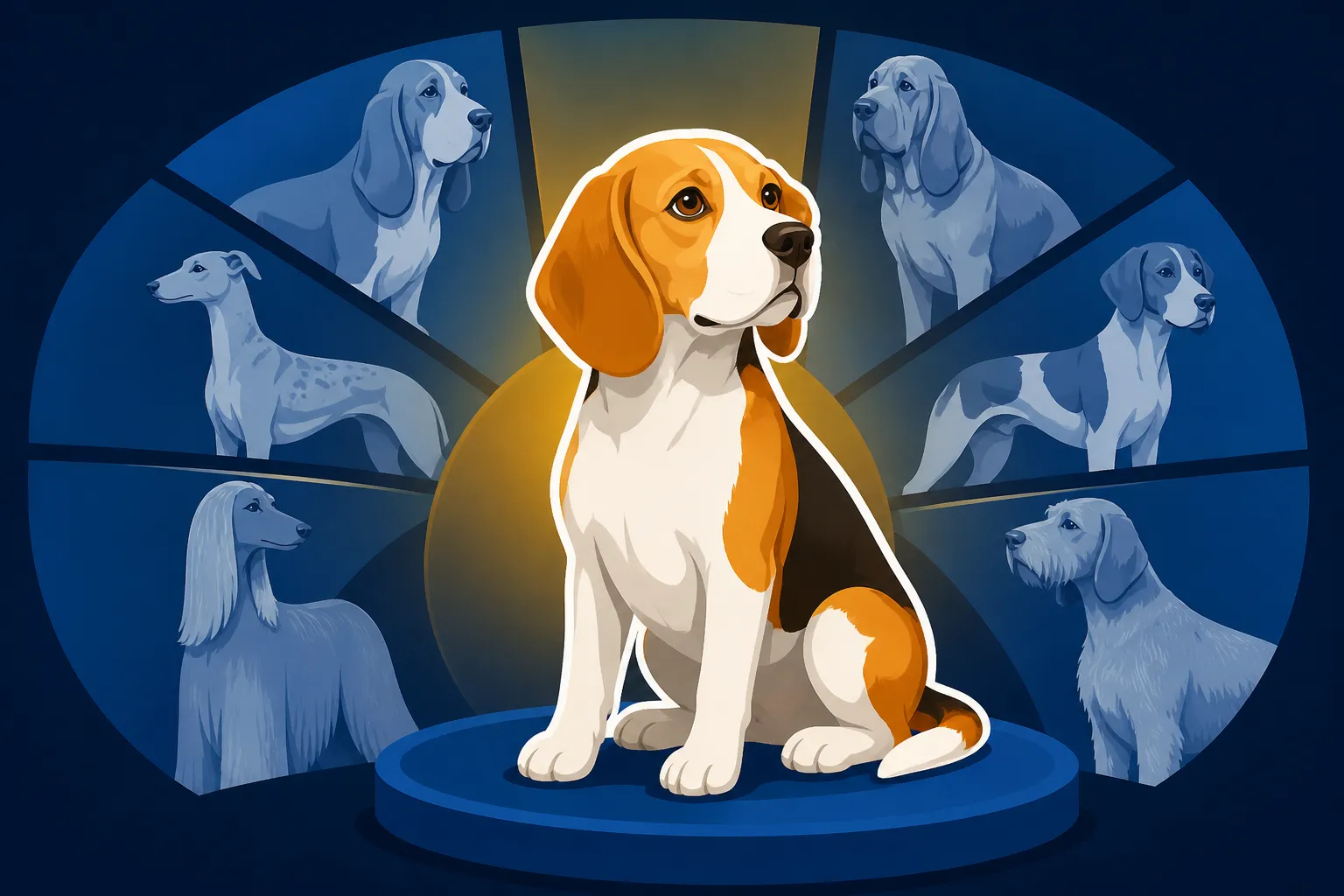
Where the Beagle Sits in the AKC Hound Group
It's incredibly common for new Beagle owners to scratch their heads, wondering why their adorable, floppy-eared companion seems to march to the beat of its own drum – often with its nose to the ground and a bay that carries for miles. This isn't stubbornness, but instinct, deeply rooted in its heritage. This guide will take a deep dive into where the Beagle officially sits within the American Kennel Club (AKC) Hound Group, shedding light on what that classification means for their unique behaviors and helping you truly understand the heart of your scent-driven friend.
Understanding the AKC Hound Group and Its Purpose
The American Kennel Club (AKC) organizes over 200 recognized dog breeds into seven distinct groups, each reflecting the historical purpose and shared characteristics of the dogs within it. The Hound Group is one of the most fascinating, encompassing a diverse collection of breeds that, despite their varied appearances, all share a primary instinct: to hunt. They were originally bred to pursue warm-blooded quarry, either by following a scent trail with incredible persistence or by spotting prey from a distance and giving chase with astounding speed.
These classifications aren't just for show ring organization; they're incredibly valuable for prospective and current owners. Knowing which group a breed belongs to provides a blueprint for understanding its core temperament, exercise needs, and potential behavioral quirks. For instance, if you know a dog is a "hound," you can anticipate certain traits like a strong prey drive, a tendency to be vocal, and a natural inclination to follow its nose or eyes, often to the exclusion of all else. It helps set realistic expectations and informs training strategies from day one.
What is the AKC Hound Group?
At its heart, the AKC Hound Group is a collection of breeds developed for hunting. This means they possess highly refined senses, whether it's an unparalleled sense of smell or exceptional eyesight and explosive speed. Their purpose wasn't necessarily to kill the prey, but rather to locate it, chase it down, and sometimes hold it at bay until the human hunter arrived. This historical role has imprinted deeply on their genetic makeup, influencing everything from their physical build to their innate instincts.
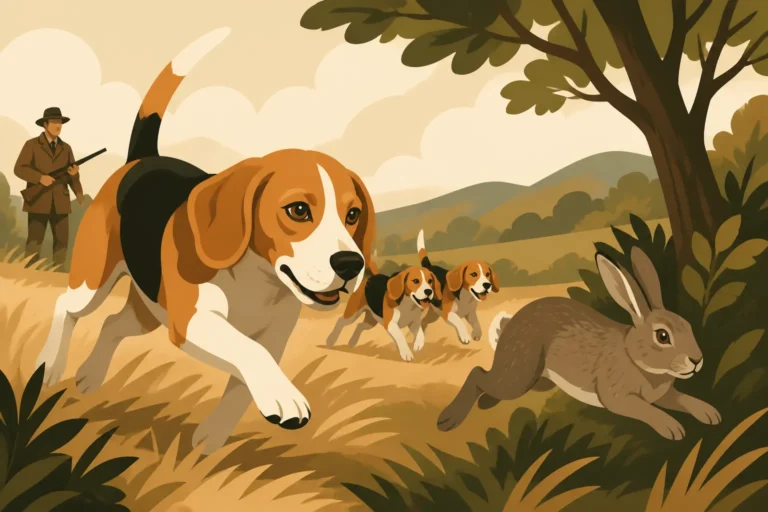
Imagine stepping back in time to the rolling hills of England, watching packs of dogs working together. Some would be methodically unraveling a scent trail across fields, their noses glued to the ground, while others might be streaking across an open plain after a fleeting rabbit. The Hound Group captures both of these hunting styles. It’s about the chase, the tracking, the pursuit – activities that require immense focus, stamina, and often, a distinctive vocalization to alert their human companions.
The Division: Scent Hounds vs. Sight Hounds
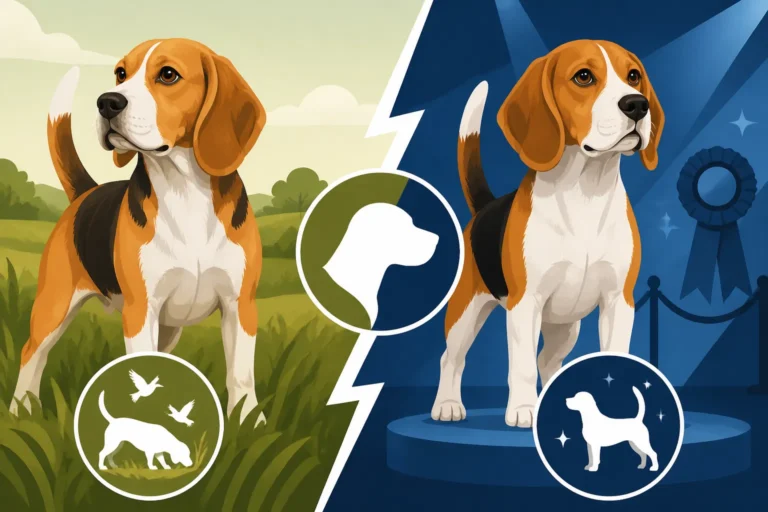
Within the broader Hound Group, there's a clear and important division: Scent Hounds and Sight Hounds. Understanding this distinction is crucial to comprehending the Beagle.
Scent Hounds, as their name suggests, are masters of olfaction. They possess an extraordinary sense of smell, often ten thousand times more acute than a human's, and are bred to follow a scent trail relentlessly, often ignoring everything else around them. Their physical characteristics often reflect this purpose: long, drooping ears that help funnel scents towards their noses, loose skin that traps scent particles, and a deep, resonant bay that communicates their progress. Breeds like the Basset Hound, Bloodhound, and the Beagle fall firmly into this category. Their hunting style is methodical, persistent, and driven entirely by what their nose tells them.
Sight Hounds, conversely, are built for speed and visual acuity. They hunt by spotting their prey and then giving chase, relying on their keen eyesight and incredible acceleration. Think of the sleek, aerodynamic bodies of Greyhounds, Afghan Hounds, and Whippets. They have long legs, deep chests for powerful lungs, and flexible spines that allow them to stretch out in a full gallop. Their hunting style is explosive and fast, often over short distances. While both types are hounds, their methods and the traits they embody are quite different.
Why These Classifications Matter for Owners
Understanding these classifications is more than just a trivia fact; it's a practical guide for daily life with your dog. If you own a Scent Hound like a Beagle, you'll quickly learn that a walk isn't just a walk – it's a rich tapestry of smells, and your dog will want to investigate every single thread. This means they are often prone to distraction when their nose is engaged, and their recall might be less reliable than a breed with a different primary drive.
For instance, trying to train "off-leash" reliability with a Scent Hound in an open, unfenced area where deer or rabbit scents abound is often an exercise in futility and frustration. They're not being disobedient; they are quite literally doing what they were bred to do. This knowledge empowers you to choose appropriate training methods, provide suitable exercise, and set up your home environment to cater to their natural inclinations, such as securing your yard with robust fencing to prevent escapes driven by an irresistible trail. For instance, many Beagle owners find that investing in secure fencing and perhaps a good quality Beagle GPS Collars and Tracking Tags for peace of mind is essential.
The Beagle's Place Within the Hound Group
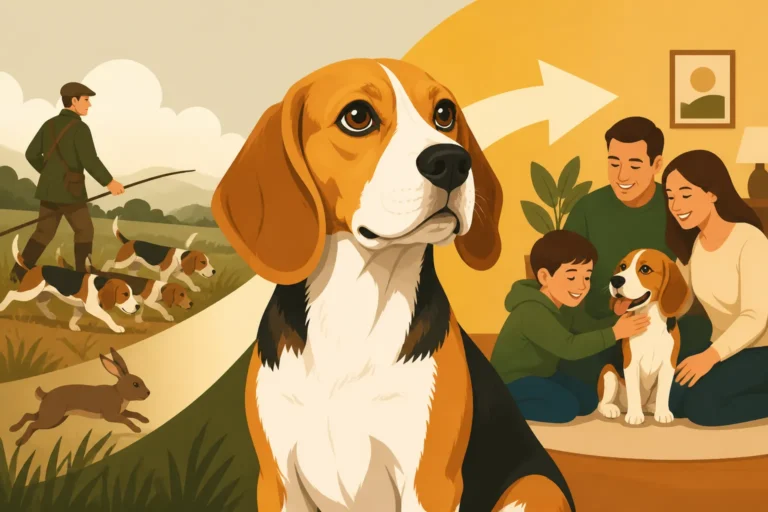
Now that we've laid the groundwork for understanding the AKC Hound Group, let's pinpoint exactly where our beloved Beagle fits into this grand scheme. The Beagle is not just in the Hound Group; it embodies many of its defining characteristics, particularly those of the Scent Hound subset. Its entire history, from medieval hunting grounds to modern-day family homes, is intertwined with its extraordinary olfactory abilities.
This classification isn't arbitrary; it's a testament to centuries of selective breeding that honed specific instincts and physical traits. When you observe a Beagle with its nose to the ground, meticulously tracking an unseen scent, you're witnessing the essence of its hound heritage in action. It's a living link to its past, a dog whose behaviors make perfect sense once you understand the group it belongs to.
Officially a Scent Hound
Without a shadow of a doubt, the Beagle is classified as a Scent Hound. Its entire physical conformation, from its long, sensitive nose to its low-set, velvety ears, is designed for tracking. While other Scent Hounds might be larger or have even more exaggerated features (like the extensive dewlaps of a Bloodhound), the Beagle possesses all the fundamental equipment necessary for following a trail.
This designation means that their world is primarily perceived through smell. While they see and hear, it's the rich, complex tapestry of odors that truly captivates and directs them. Think of it this way: for a Beagle, walking around is like reading an incredibly detailed newspaper full of fascinating stories, all written in scent. Every blade of grass, every lamppost, every discarded wrapper tells a tale, and their deepest instinct is to read it all.
Its History of Trailing Game
The Beagle's history is a story of trailing game, primarily rabbits and hare, across the English countryside. For centuries, these small but mighty hounds worked in packs, their voices harmonizing to alert hunters to their progress. The Beagle From English Rabbit Packs to American Homes details this rich history, emphasizing how their keen noses were paramount to their function. Unlike larger hounds that might outrun game, Beagles were valued for their steady, deliberate pace, allowing human hunters to follow on foot.
This purpose meant that a strong, unwavering scent drive was absolutely essential. A Beagle that got distracted by a butterfly or decided to chase a bird wouldn't be effective. Instead, they needed to lock onto a scent and stick with it, no matter the obstacles. This deep-seated drive is why even today, your pet Beagle might ignore your desperate calls if it catches a particularly intriguing whiff in the park. Its ancestors literally depended on that single-minded focus to do their job.
How This Influences Its Modern Temperament
The Beagle's identity as a Scent Hound profoundly shapes its temperament and behavior in a modern home. This is where many owners encounter what they might perceive as "stubbornness" but is, in reality, intense focus on scent. When a Beagle's nose is engaged, its ears often "turn off" to other stimuli, including your voice. This can be frustrating, but it's not personal; it's instinct.
You'll notice this in their boundless energy for sniffing, their desire to explore every corner of a park, and their incredible ability to find discarded food items on walks. Their vocalizations, too, are a direct link to their past. The characteristic "bay" of a Beagle was once a vital communication tool in a pack hunt, signaling to other dogs and hunters where the trail led. Today, it can manifest as Beagle Howling, Baying and Barking Explained at squirrels, passing strangers, or simply when they're excited or feeling lonely. Understanding this historical context helps us approach their training and management with empathy and appropriate strategies.
Characteristics That Define a Beagle as a Hound
When we talk about what makes a Beagle a true hound, we're really talking about a suite of physical and behavioral traits that have been refined over generations. These characteristics aren't just charming quirks; they are highly functional adaptations for its original job as a scent hunter. From its unparalleled nose to its distinctive voice and its sheer stamina, every aspect of a Beagle points back to its place in the Hound Group.
Recognizing these traits helps you appreciate your Beagle for what it is – a purpose-bred animal whose instincts are deeply ingrained. It allows you to work with their natural tendencies rather than against them, leading to a happier, more harmonious relationship. Instead of fighting their urge to sniff, for example, you can channel it into engaging activities like scent games or longer, exploratory walks.
The Unmistakable Nose
The Beagle's nose is its superpower, the defining characteristic that places it firmly in the Scent Hound category. With an estimated 220 million scent receptors (compared to our meager 5 million), their olfactory system is a marvel of nature. The 220 Million Receptors Behind a Beagle's Nose highlights just how complex and powerful this sense is. They can differentiate between incredibly subtle scent molecules and follow a trail hours after the source has passed.
This means that a Beagle experiences the world in a way we can barely comprehend. A patch of grass isn't just grass; it's a living archive of every creature, human, and animal that has passed by, what they ate, where they're going, and how they're feeling. This incredible ability is why they often walk with their noses glued to the ground, ignoring everything else. For them, every walk is a detective mission, a complex puzzle waiting to be solved by scent. This drive is so strong that for safety, it's Why a Beagle Should Never Be Off Leash Unfenced in an uncontrolled environment.
The Vocal Nature: Baying and Howling
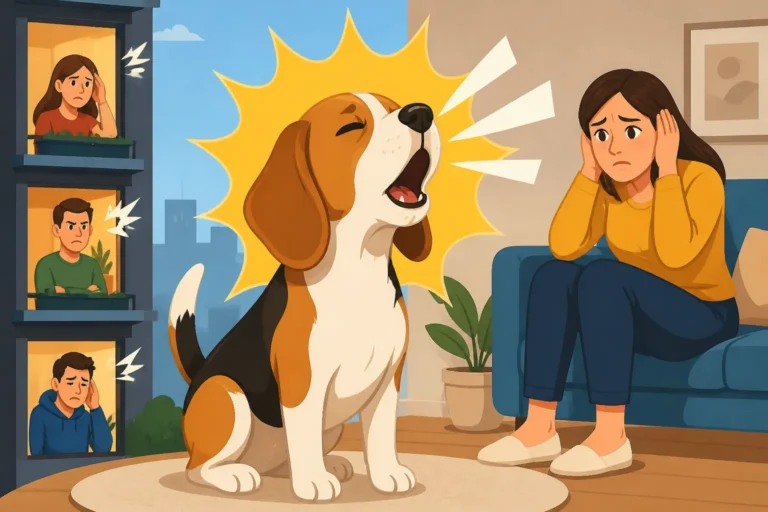
Another hallmark of the Hound Group, and particularly Scent Hounds, is their vocalization. Beagles are known for their distinctive "bay," a deep, drawn-out cry that is quite different from a typical bark. This bay served a crucial function in the hunting pack: it signaled to other dogs and human hunters that a scent trail had been picked up, pursued, or that prey had been cornered. It's a robust, carrying sound, designed to travel long distances across fields.
While charmingly unique, this vocal nature can also be a challenge in a domestic setting, especially in close-knit neighborhoods or apartments. Why You Cannot Train the Bay Out of a Beagle emphasizes that this isn't a behavior problem in the traditional sense, but a natural expression of their breed. Owners learn to manage the triggers for baying and howling, providing alternative outlets for their energy and attention, rather than trying to suppress an innate communication style. Sometimes, having durable chew toys or puzzle feeders from a place like Chewy can help redirect their vocal impulses when they get restless.
Endurance and Drive for the Trail
Scent Hounds like the Beagle were bred for persistence, not just speed. Tracking game for hours on end requires considerable stamina and mental fortitude. A Beagle on a scent trail is a creature of immense focus and determination, capable of covering surprising distances with unwavering resolve. This endurance isn't just physical; it's a mental drive to complete the "job" of following a scent.
In a home environment, this translates to a dog with significant exercise needs, both physical and mental. A short walk around the block might not be enough to satisfy a Beagle's innate drive. They thrive on longer, more exploratory sniff walks where they can engage their powerful noses, or activities like scent work classes. Beagle Exercise Needs at Every Age can guide owners on how to properly tire out their hound. Without adequate outlets for their energy and instincts, Beagles can become bored, leading to destructive behaviors or excessive vocalizations. Providing enrichment, like snuffle mats or puzzle toys filled with treats from Chewy, can help satisfy their foraging instincts indoors.
How the Beagle Compares to Other Hounds
While all dogs in the AKC Hound Group share a common ancestry rooted in hunting, the Beagle carved out its own unique niche. Comparing it to other hounds, both scent-driven and sight-driven, helps to highlight its distinctive blend of characteristics and why it holds such a special place in the hearts of many dog lovers. It's a medium-sized package bursting with hound personality, making it a truly individual member of the group.
Understanding these comparisons also helps prospective owners determine if a Beagle is the right fit for their lifestyle. Do you want the vocal persistence of a scent hound, or the quiet speed of a sighthound? The Beagle offers a specific set of traits that distinguish it even from its closest relatives within the group.
Here's a quick overview of the two main types of hounds:
| Trait | Scent Hounds (e.g., Beagle, Basset Hound) | Sight Hounds (e.g., Greyhound, Whippet) |
|---|---|---|
| Primary Sense | Smell (220 million receptors in Beagles) | Sight (keen long-distance vision) |
| Hunting Style | Methodical, persistent tracking | Explosive speed, chase on sight |
| Body Type | Sturdy, muscular, often with loose skin | Lean, athletic, aerodynamic |
| Ears | Long, pendulous | High-set, often rose or folded |
| Vocalization | Baying, howling, distinct "hound music" | Generally quiet, less vocal |
| Recall Reliability | Can be challenging when on a scent | Generally good, but prey drive is strong |
| Exercise Needs | Long, exploratory walks; scent work | Short bursts of intense running; sprinting |
Beagle vs. Other Scent Hounds
When you compare a Beagle to other Scent Hounds, like the much larger Bloodhound or the low-slung Basset Hound, you see both similarities and distinct differences. All share that incredible nose and the drive to follow a trail. The Bloodhound, for instance, is renowned for its even more extreme olfactory capabilities and its use in law enforcement for tracking. The Basset Hound shares the Beagle's love for scent, but its extremely short legs and long body mean a slower, more deliberate pace.
The Beagle, in many ways, is a more compact and energetic version of these larger Scent Hounds. It has enough stamina to keep going but is still small enough to be a comfortable household companion. The Beagle Set Against a Basset Hound offers a great comparison, highlighting their shared love of scent but differing energy levels and physical builds. The Beagle's cheerful demeanor and slightly higher energy make it a popular choice for active families, even if its scent drive remains as potent as its larger cousins'.
Beagle vs. Sight Hounds
The contrast between the Beagle and Sight Hounds is quite stark. Where a Greyhound is built for a dazzling sprint, the Beagle is built for the marathon of a scent trail. Sight Hounds typically have a much calmer disposition indoors, often described as "45 mph couch potatoes," and are less prone to the sustained vocalizations common in Scent Hounds. Their exercise needs are focused on short bursts of high-speed activity in a securely fenced area, rather than long, meandering sniff-walks.
A Beagle's deep chest and sturdy frame are a far cry from the delicate, aerodynamic build of a Whippet. Their primary sensory input also differs dramatically: a Sight Hound's attention is captivated by movement in the distance, while a Beagle's is pulled down to the microscopic world of scent at its feet. While both are powerful hunters in their own right, their methods, energy profiles, and training considerations are fundamentally different, appealing to different types of owners.
Its Unique Charm in the Group
Despite the shared characteristics of the Hound Group, the Beagle has a unique charm that has made it one of the most beloved breeds worldwide. Its merry, inquisitive, and generally amiable temperament, combined with its compact size, makes it an excellent family companion for many. Beagle Temperament and Why the Breed Suits Families delves into this more, showcasing why their friendly nature and manageable size (compared to, say, an American Foxhound) appeal to so many.
The Beagle's iconic look—those big, pleading brown eyes, the perpetually wagging white-tipped tail, and those expressive, floppy ears—all contribute to its enduring popularity. It's a dog that truly embodies the term "merry." While it demands a committed owner who understands its hound instincts, its playful nature, intelligence, and affectionate disposition often outweigh the challenges of its scent-driven behaviors. It's a small dog with a big heart and an even bigger nose, perfectly positioned as a quintessential Scent Hound in the AKC system.
Disclaimer
This article is for general informational purposes only and does not constitute professional advice. Laws, prices and regulations vary by location and change over time. Consult a qualified professional for guidance on your specific situation.