The Beagles That Lived in the White House
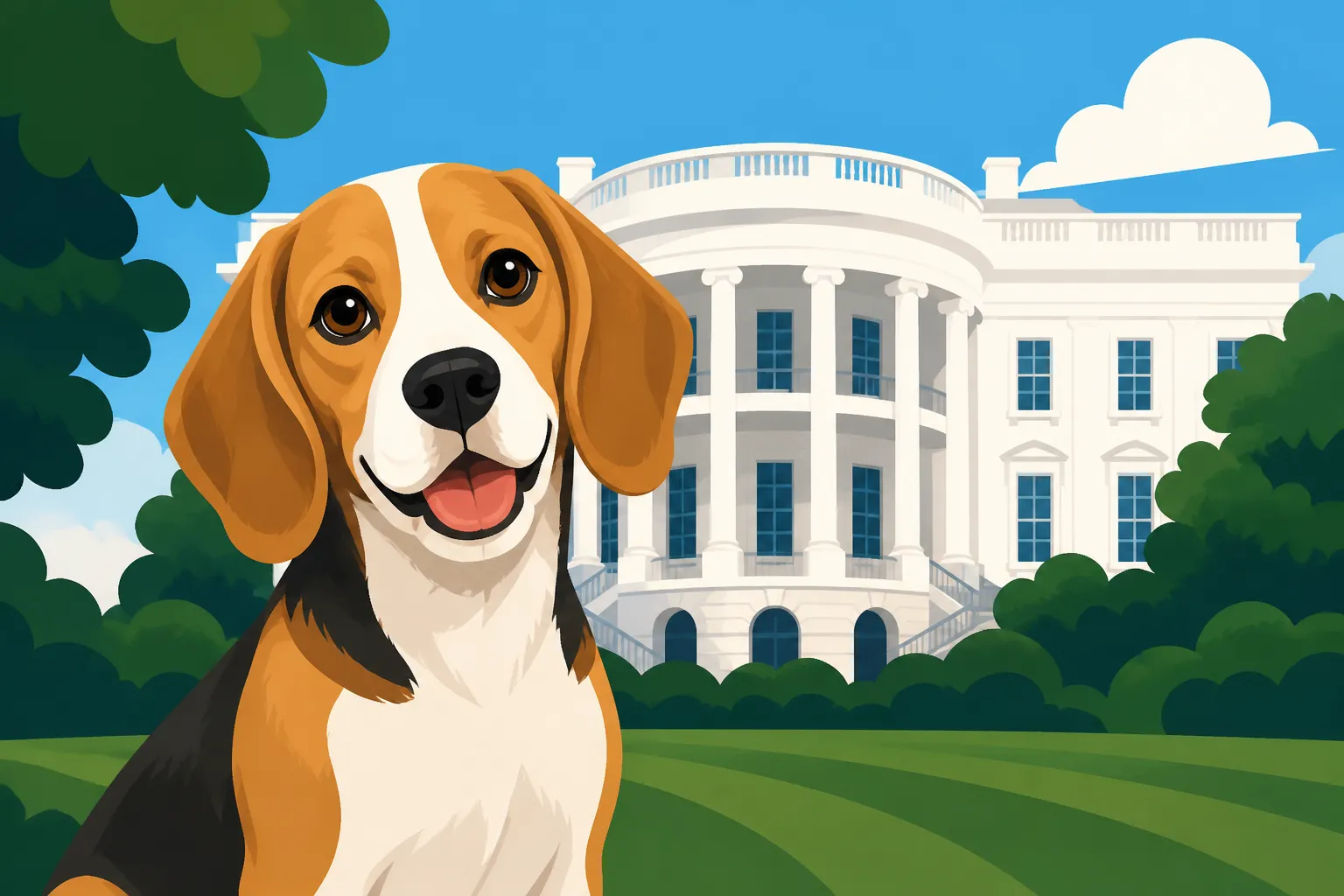
Many of us see pictures of presidents in serious meetings or giving speeches, but it's often the glimpses into their private lives that truly capture our hearts. For some presidents, that meant sharing the most famous address in America with a beloved canine companion, and time and again, that companion happened to be a Beagle. This guide will take you on a journey through the storied halls of the White House to introduce you to the charming, sometimes mischievous, Beagles who called it home, offering a peek into their daily lives and the indelible paw prints they left on history.
Early Canine Companions: Beagles Before the Modern Era
Beagles, with their friendly disposition, keen sense of smell, and merry personalities, have long held a special place in the hearts of dog lovers across the globe. It’s no surprise, then, that even those at the highest office in the land have fallen under their spell. Think about the pressures of the presidency – the constant demands, the weighty decisions, the endless spotlight. For many, a dog offers an unparalleled source of unconditional love, a moment of pure, unadulterated joy that can cut through the most stressful of days. A Beagle, with its charming antics and comforting presence, can be just the antidote needed to bring a sense of normalcy to an otherwise extraordinary life.
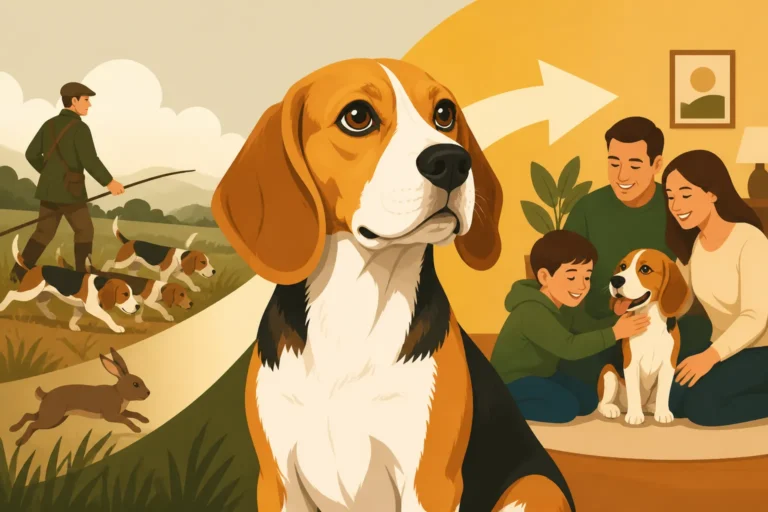
Historically, Beagles were bred for hunting in packs, which instilled in them a companionable nature. This inherent trait makes them wonderful family dogs, eager to be part of the action and always ready for an adventure, even if that adventure is just a brisk walk around the South Lawn. Their moderate size also makes them adaptable, capable of living comfortably in a variety of settings, from a sprawling ranch to, yes, even a grand residence like the White House. They bring an unmistakable vibrancy and a grounding presence, a reminder of the simple pleasures amidst the complexities of national leadership. The Beagle From English Rabbit Packs to American Homes often talks about how their history shaped them for family life and their incredible adaptability. Their ability to connect deeply with humans, even those burdened with immense responsibilities, is truly remarkable.
The Enduring Allure of the Beagle for Presidents
It’s easy to understand why a Beagle, with its inquisitive nature and unshakeable optimism, would appeal to a president. In the midst of constant scrutiny and the weight of the world, a Beagle offers a refreshing dose of pure, uncomplicated loyalty. They don't care about approval ratings or foreign policy; they care about belly rubs, a good sniff, and being close to their person. This unconditional acceptance can be incredibly therapeutic. Imagine ending a day filled with intense negotiations and then being greeted by a cheerful, tail-wagging Beagle, utterly delighted just to see you. It's a powerful reminder of what truly matters beyond the political arena.
Many presidents grew up with dogs, and the Beagle's well-established reputation as a family dog, coupled with its historical roots in hunting traditions, would have made it a familiar and appealing choice. Beagles are known for their sturdy build and zest for life, making them excellent companions for both contemplative strolls and energetic play. Beagle Temperament and Why the Breed Suits Families describes them as merry hounds, and that bright disposition is exactly what any busy leader might need to lift their spirits. They possess a unique blend of independence driven by their nose and a deep desire for human connection, making every interaction engaging and often quite humorous.
Historical Accounts and Scarcity of Records
While we might think of presidential pets as a relatively modern phenomenon, tracked closely by the press, the truth is that comprehensive records of early White House animals can be surprisingly sparse. Before the age of widespread photography and constant news coverage, many presidential pets were simply part of the family, not public figures. This means that uncovering every single Beagle to have trod the White House carpets can be a challenge. We know of a variety of hounds, often used for hunting or simply as beloved companions, but specific breed identification wasn't always a priority in historical documentation.
Sometimes, we get tantalizing glimpses from letters, diaries, or political cartoons of the era. A mention here, a sketch there, suggesting the presence of a dog that fit the Beagle description. These early Beagles, or Beagle-like hounds, would have likely shared a similar role to their modern counterparts: offering solace, companionship, and a much-needed break from the rigors of leadership. Imagine a president, after a long day of debates and decisions, stepping out to greet a wagging tail and a cold, wet nose – a timeless comfort. They were likely treasured members of the household, perhaps even more so because their presence wasn't constantly broadcast to the nation. These historical pets remind us that the human-animal bond transcends eras and social standing.
President Lyndon B. Johnson's Beagles: The Most Famous Four-Legged Residents
Without a doubt, the Beagles most famously associated with the White House are Him and Her, President Lyndon B. Johnson's beloved dogs. These two were household names during the Johnson administration in the 1960s, practically celebrities in their own right. Him was a male, and Her was a female, both full of classic Beagle charm and exuberance. They were a constant presence by the President's side, whether he was working in the Oval Office, strolling the White House grounds, or even relaxing at Camp David. Their antics and affectionate nature captured the hearts of the American public, offering a softer, more relatable image of the intensely political figure.
LBJ was known for his deep affection for his dogs, often speaking about them in public and allowing them to roam freely throughout the White House. This was a man who truly saw his dogs as members of his family, not just pets. He’d often be photographed with them, sometimes carrying them, other times playing with them with obvious delight. This level of public visibility for presidential pets was quite revolutionary for the time, cementing Him and Her’s place in history and setting a precedent for future administrations. You can imagine him even picking up special treats from places like Chewy for his beloved hounds, ensuring they had the best of everything. They were a vivid example of Beagles With Children and With Other Dogs, embodying the friendly and social nature of the breed.
Him and Her: The First Pair
Him and Her quickly became fixtures in the Johnson White House, their playful presence providing a much-needed counterpoint to the serious business of governing. They often accompanied the President on walks, bounded enthusiastically during public appearances, and were always ready for a bit of affection. Their charming personalities were a hit with the press and the public alike, who were fascinated by these lively hounds. The sheer joy they radiated was infectious, and seeing them interact with President Johnson often gave a heartwarming glimpse into his personal life, allowing the public to connect with him on a more intimate level.
Their celebrity status was undeniable. They appeared in magazines, on television, and in countless newspaper photographs. These were not just pets; they were integral to the public image of the Johnson presidency, a symbol of domesticity and comfort amidst a turbulent decade. Their lives in the White House showed America the personal side of their leader, demonstrating his capacity for warmth and affection. For many, Him and Her represented a sense of wholesome Americana, an endearing image that resonated deeply.
Edgar: The Addition to the Pack
Tragically, Her passed away relatively young, a loss that deeply affected President Johnson. The bond he shared with his Beagles was profound, and the absence of Her was keenly felt. But the White House pack wasn't meant to remain a duo for long. Soon after, another Beagle joined the family: Edgar. Edgar was a gift from J. Edgar Hoover, the long-serving director of the Federal Bureau of Investigation, which is how he got his rather unique name. Edgar quickly settled into his role alongside Him, becoming another fixture in the presidential daily routine. The addition of Edgar highlighted the deeply personal connection presidents often have with their pets, serving not just as a distraction but as a genuine source of comfort and unwavering loyalty during tumultuous times.
Edgar, like Him and Her before him, continued to be a public favorite. He embodied the lively spirit of the Beagle breed, often seen exploring the grounds or enthusiastically greeting visitors. The presence of these dogs helped to humanize the presidency, allowing the public to see a different side of the nation's leader – a man who, despite his immense responsibilities, still cherished the simple joys of a dog's companionship. It's a testament to the enduring appeal of Beagles that they could so naturally fit into such a high-stakes environment. Edgar ensured the White House still had that distinctive Beagle energy, always ready for a sniffari or a quick cuddle.
Controversy and Affection: The Ear Pulling Incident
One of the most memorable – and controversial – moments involving President Johnson's Beagles was the infamous ear-pulling incident. During a televised event on the White House lawn in 1964, President Johnson was seen lifting Him by his long, floppy ears. While clearly done in what he perceived as a playful manner, and without any malicious intent, it sparked a public outcry from animal lovers and ignited a nationwide debate about animal welfare. This incident, while brief, became a significant talking point and illustrated the growing public awareness and concern for how animals were treated. It was a moment that underscored the power of public perception, especially when it came to cherished presidential pets.
Despite the controversy, President Johnson maintained that he loved his dogs dearly and meant them no harm, stating it was a common way to playfully interact with them on his Texas ranch. The public reaction was swift and passionate, demonstrating just how much affection and protection people felt towards these White House residents. It was a learning moment for the nation, highlighting that even seemingly innocuous actions could be scrutinized when it came to the well-being of beloved pets. Ultimately, the incident did little to diminish the overall affection the public had for Him and Her, or for LBJ's genuine love for them, but it certainly cemented their place in cultural memory. Beagle Ear Infections Under Those Long Ears is a completely different kind of ear concern, but it does show how sensitive and important a Beagle's ears are!
Here’s a quick look at LBJ’s famous Beagles:
| President | Beagle's Name(s) | Key Era | Noteworthy Fact |
|---|---|---|---|
| Lyndon B. Johnson | Him | 1963-1969 | Often photographed with the President. |
| Lyndon B. Johnson | Her | 1963-1966 | Known for her playful nature and early passing. |
| Lyndon B. Johnson | Edgar | 1966-1969 | Gifted by J. Edgar Hoover. |
Other Presidential Pups: Beagles Beyond the Johnson Era
While Him, Her, and Edgar are the superstars of White House Beagles, they weren't the only ones to enjoy the prestige of a presidential address. Throughout history, various presidents have shared their lives with Beagles or Beagle-like hounds, even if these dogs didn't achieve the same level of celebrity. For these presidents, their Beagles were private companions, offering quiet comfort and unconditional affection away from the glare of the public eye. These dogs provided a vital emotional outlet, a non-judgmental presence in a world full of judgment and criticism, a constant source of grounding in an often-unpredictable environment.
Sometimes, their presence is only noted in passing, a photograph in a family album, or a small anecdote shared years later. But for the families themselves, these dogs were integral. They were the ones who greeted them at the end of a long day, listened to secrets, and offered silent support. Whether it was a pet during a president's youth that shaped their love for the breed, or a cherished companion during their tenure, each Beagle brought its unique brand of joy and steadfast loyalty to a presidential household. It's a reminder that even the most powerful individuals seek the simple, profound connection that only a dog can provide.
Less Famous, No Less Loved
The Beagles of other presidential families might not have had their names plastered across national headlines like Him and Her, but their impact on their respective presidential households was undoubtedly just as significant. These were the quiet companions, the loyal shadows, offering moments of levity and unburdened affection when the weight of the world felt heaviest. Imagine a president returning to the residence after a grueling day, only to be met by the soft thumps of a Beagle tail and a warm, furry body pressing against their leg. These small, intimate moments are often the ones that truly sustain a person in a high-stress role.
These Beagles might have spent their days chasing squirrels on the vast White House lawns, or quietly curled up at their owner’s feet during important phone calls. Their lives, while less documented for public consumption, were rich with the simple pleasures of being a beloved family pet. They represent the countless Beagles in homes across the country, cherished for their individual quirks and their unwavering devotion. Every bark, every nudge, every soulful gaze from these less famous presidential pups was a testament to the universal power of canine companionship.
The Joys and Challenges of White House Pets
Having a pet in the White House, especially a dog with the energy and nose of a Beagle, presents a unique set of joys and challenges. The joys are clear: the boundless enthusiasm, the comforting presence, the ability to simply be a dog regardless of the historical significance of its surroundings. Imagine a Beagle happily sniffing out squirrel trails on the manicured lawns, completely oblivious to the weight of global affairs being discussed just inside. These moments of normalcy are invaluable, a refreshing break from the constant formality and pressure.
However, there are challenges too. Security is paramount, and a curious, scent-driven Beagle can easily wander where it shouldn't, potentially leading to a Secret Service scramble. Potty training a puppy in a historic building, or managing a Beagle's characteristic baying when a motorcade goes by, requires careful planning and dedicated staff. You might need extra durable chew toys, perhaps from a selection like Chewy offers, to keep those busy jaws occupied and away from antique furniture! Beagle Howling, Baying and Barking Explained is certainly a topic that would resonate with White House staff trying to keep noise levels down. Ensuring Beagle Exercise Needs at Every Age are met in such a unique environment requires a dedicated team, given their natural inclination to explore every scent. The presidential pets often have handlers and staff dedicated to their care, ensuring they are well-exercised, fed, and kept out of trouble, allowing the president to focus on their duties without worrying about a rogue Beagle chasing a Secret Service agent across the lawn.
The Legacy of White House Beagles: More Than Just Pets
Presidential pets, and Beagles in particular, have a remarkable way of shaping public perception. They humanize the presidency, allowing the public to connect with their leaders on a more personal, relatable level. When we see a president playing with their dog, it reminds us that behind the powerful title is a person with a family, with joys and sorrows, and with simple affections just like our own. The image of LBJ with Him and Her, for instance, became iconic, softening his often stern public image and fostering a sense of warmth and accessibility. Their playful antics provided moments of much-needed levity in the news, making the serious office feel a little more approachable.
These furry ambassadors can also symbolize stability and continuity, particularly during times of national upheaval or crisis. Their steady presence, wagging tails, and innocent joy can be a balm to a nation seeking comfort and a reminder of enduring life beyond politics. They represent a slice of Americana, an ideal of home and family that resonates deeply with citizens. Their visibility often raises awareness for specific breeds or general animal welfare, making them unofficial advocates. Beagle Popularity and That Number Seven Spot in many rankings likely got a boost from the visibility of these White House residents, sparking interest in the breed for many families across the country.
Shaping Public Perception
The role of a presidential pet goes far beyond mere companionship; it's a subtle but powerful tool for public relations. A dog like a Beagle, with its universally appealing traits of loyalty, cheerfulness, and a touch of mischief, can instantly make a president seem more relatable, more human. It creates an emotional bridge between the leader and the led, fostering a sense of shared experience and common ground. For the public, seeing a president interact with their pet offers a glimpse into their character that formal speeches or policy discussions simply cannot provide. It speaks to a softer, more approachable side of leadership.
In moments of national tension or sorrow, the presence of a resilient, happy dog can offer a quiet symbol of hope and normalcy. It's a reminder that life, in its simplest and most joyful forms, continues. These Beagles became unofficial mascots, their images often used in political cartoons and news stories, reflecting the mood of the nation and the character of the administration. Their innocent charm could cut through political divides, appealing to a fundamental human appreciation for the unconditional love and joy that pets bring into our lives.
Reminders of Simpler Times and Enduring Companionship
In a world that constantly changes and grows more complex, White House Beagles serve as poignant reminders of simpler times. They evoke a sense of nostalgia for a past where life might have felt a little less hurried, and the bond between a person and their dog was a straightforward, uncomplicated joy. The stories of these presidential pups are not just historical footnotes; they are narratives about loyalty, comfort, and the profound impact animals have on human lives, regardless of stature or power. They ground us, reminding us of what's truly essential amidst the hustle and bustle of modern life.
The enduring companionship offered by a Beagle is universal. Whether you are a president making global decisions or a busy parent juggling daily life, the wag of a Beagle's tail, the nuzzle of its head, or its comical antics provide a unique form of unconditional love and stress relief. These dogs, whether famous or not, illustrate the timeless truth that a dog's love is a powerful, grounding force, and that even the most powerful people need a loving canine by their side. Their legacy is a testament to the fact that sometimes, the most influential residents of the White House are those with four legs and a wet nose. You can give your own Beagle that same feeling of presidential treatment with high-quality food and treats, maybe even an orthopedic bed from Chewy. After all, What a Beagle Puppy Costs From a Breeder might be one decision point for future White House residents, but for these dogs, it was all about love and family.
Disclaimer
This article is for general informational purposes only and does not constitute professional advice. Laws, prices and regulations vary by location and change over time. Consult a qualified professional for guidance on your specific situation.