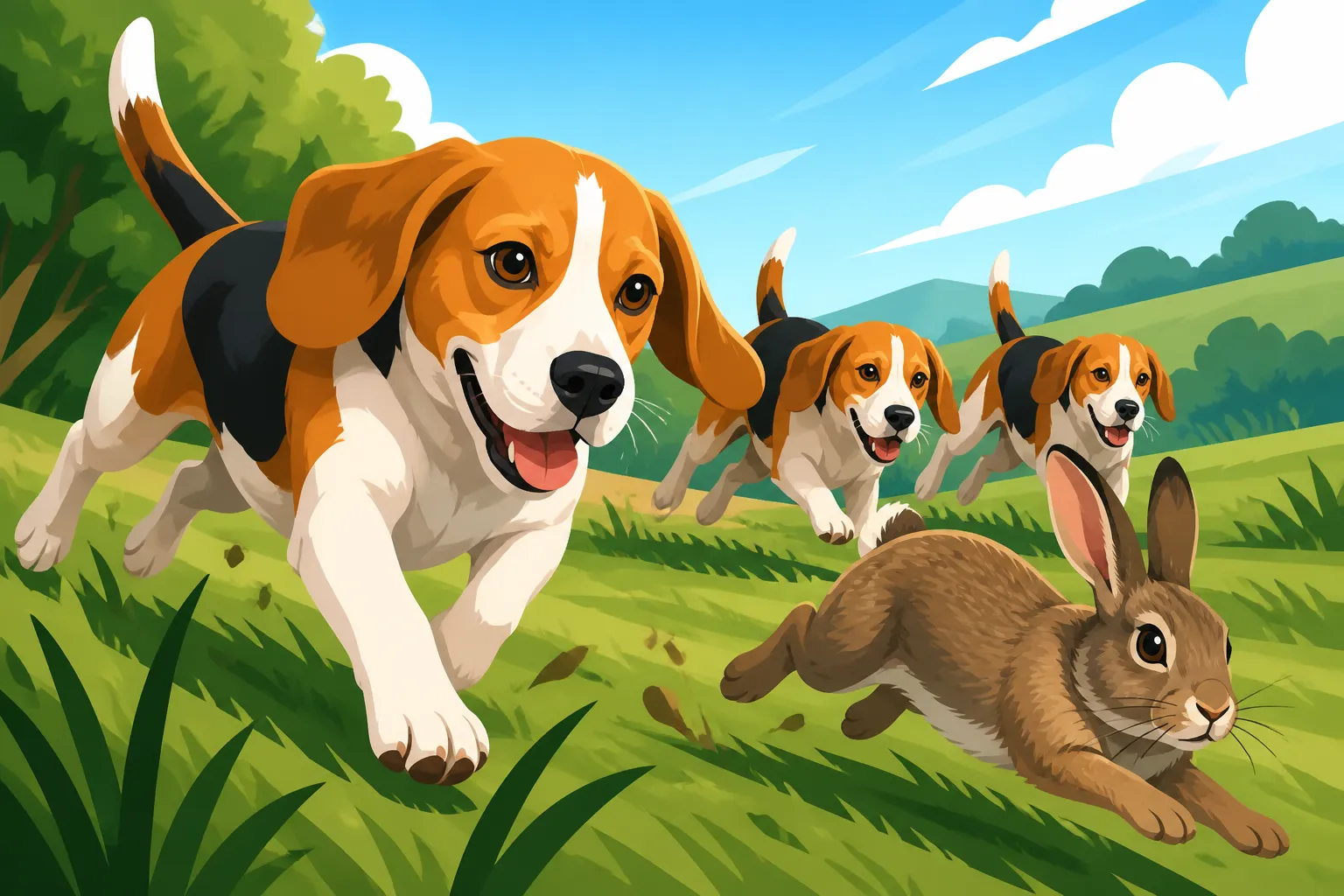
Rabbit Hunting With a Beagle Pack Today
For anyone who has ever owned a Beagle, you know their nose is practically glued to the ground, pulling you in every direction the wind takes a scent. It can be a bit frustrating on a casual walk, but for generations, this incredible drive was precisely what made them invaluable working dogs. This guide dives deep into the world of modern rabbit hunting with Beagle packs, exploring the instinct, the tradition, and what it truly means to engage in this sport today.
The Enduring Instinct: Why Beagles Still Hunt Rabbits
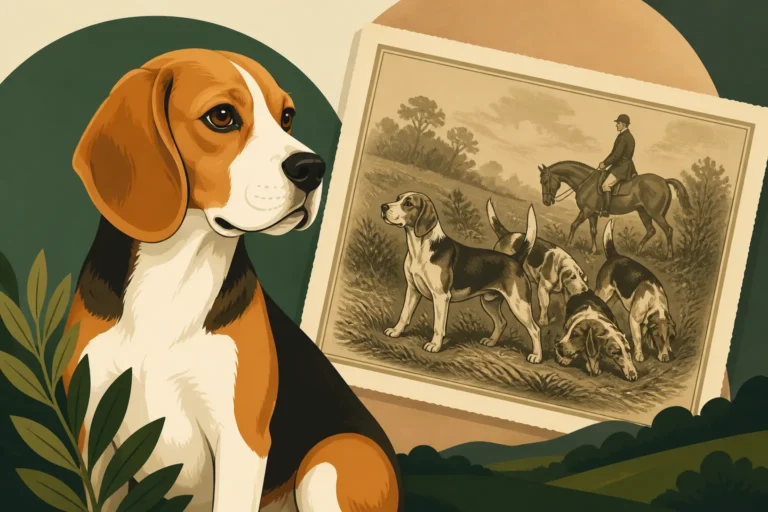
Even if your Beagle's biggest "hunt" involves a rogue crumb under the couch, their ancestors were bred for a singular purpose: following a scent trail with relentless determination. This isn't just a quaint historical fact; it's a living, breathing part of their DNA that makes rabbit hunting with a Beagle pack a truly unique and enthralling experience. It’s a direct connection to the breed's origins, a testament to centuries of selective breeding for a specific job.
The Deep-Seated Drive for Scent
Let's face it, your Beagle doesn't just like to sniff; they live to sniff. That incredibly powerful nose, packed with an estimated 220 million olfactory receptors, is their primary way of interacting with the world. Compare that to our paltry five million, and you start to understand the sheer depth of information they process with every inhale. When a Beagle hits a scent, especially the pungent, earthy trail of a rabbit, it's like a switch flips. Everything else, including your desperate calls, fades into the background. This single-minded focus is what makes them exceptional rabbit hounds. They don't just follow; they unravel a story written in molecules on the forest floor, piecing together where the rabbit was, where it went, and how long ago. It’s a beautiful, if sometimes exasperating, thing to behold in a pet, but in a hunting context, it’s pure poetry in motion. This incredible drive for scent is precisely Why a Beagle Walks With Its Nose to the Ground.
The Thrill of the Chase and the Baying Soundtrack
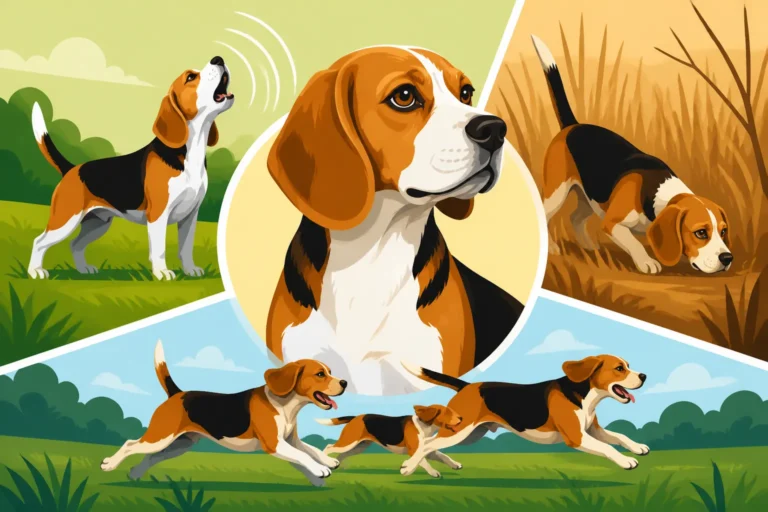
One of the most iconic sounds in the animal kingdom, right up there with a wolf's howl, is the melodic bay of a Beagle on a hot trail. It’s not just noise; it’s communication. Each bay, each chop, each howl tells a story to the rest of the pack and to the hunters following. There’s a distinct difference in tone and intensity when they first pick up a cold trail versus when they’ve got a rabbit moving quickly just ahead. This characteristic vocalization was intentionally bred into them so hunters, often on foot, could track their progress through thick brush and over hills. Imagine being deep in the woods, unable to see your dogs, and suddenly, a chorus erupts – that rising and falling symphony of voices that signals they've found what they're looking for and are driving it forward. It’s an exhilarating sound that cuts through the quiet of the wilderness, a primal connection to a sport that has been enjoyed for centuries. For many, this unique "singing" is as much a part of the hunt as the rabbit itself.
Modern Rabbit Hunting: Not Just for Farmers Anymore
While images of old-timers with their Beagles might come to mind, rabbit hunting with Beagles is a vibrant, organized sport today, far removed from haphazard chasing. It combines the thrill of traditional hunting with a strong emphasis on ethics, conservation, and pure sportsmanship. It's less about the kill and more about appreciating the dogs' natural abilities and the camaraderie of fellow enthusiasts.
Organized Field Trials and Hunting Clubs
Today, a significant portion of rabbit hunting with Beagles takes place within organized clubs and at sanctioned field trials. These events are not just hunts; they are competitions where Beagles are judged on their ability to find a rabbit's scent, follow the trail with accuracy and determination, and work effectively as a pack. Handlers often gather early in the morning, dogs eager and vocal in their crates, ready for the day's challenge. There’s a distinct sense of community among Beagle enthusiasts who participate in these events. Clubs often host regular training days, social gatherings, and educational seminars. It's a place where experienced hunters mentor newcomers, sharing knowledge about dog handling, scent theory, and rabbit behavior.
There are different types of field trials, too. Some focus on individual dog performance, while others emphasize the pack's ability to work together seamlessly. Beagle Field Trials in the Nineteenth Century were certainly different from what you see now, with modern rules and scoring systems ensuring fair competition and safety. These organized events offer a controlled environment where the Beagles can truly shine, showcasing the natural talent they were bred for, and where their handlers can hone their skills and learn from others. It's about respecting the tradition while adapting it to modern values of sportsmanship and animal welfare.
The Ethics and Regulations of Today's Hunt
Modern rabbit hunting with Beagles is deeply intertwined with ethical practices and strict regulations. This isn't a free-for-all; it's a highly regulated activity designed to ensure the sustainability of wildlife populations and the humane treatment of both the quarry and the hounds. Before heading out, hunters are required to obtain proper hunting licenses, which vary by state and often involve demonstrating knowledge of hunting laws and safety. They must also be acutely aware of rabbit hunting seasons and bag limits, which are carefully set by wildlife agencies to prevent overhunting and maintain healthy ecosystems.
Conservation is a cornerstone of responsible hunting. Many clubs and individual hunters contribute to habitat preservation, participate in wildlife surveys, and adhere to "fair chase" principles, meaning they don't take advantage of animals in vulnerable situations. The emphasis is on the chase, the dog's work, and the outdoor experience, rather than solely on the harvest. In many field trials, the focus is purely on the dogs' performance, with rabbits often being "run to ground" (meaning they escape into a burrow) rather than harvested. Even in recreational hunting, hunters are expected to use appropriate firearms and ensure a quick, humane take if they choose to harvest. These regulations and ethical considerations ensure that the tradition of hunting with Beagles can continue responsibly for generations to come. This careful balance ensures that Beagle Hunting Licenses and Rabbit Seasons are respected, maintaining the health of local wildlife.
Preparing Your Beagle for the Field (Even if it's Just the Backyard)
Whether your Beagle is destined for competitive field trials or just enjoys a good long sniff in the local park, certain preparations are vital. Understanding their instincts and channeling them constructively is key to a happy, well-adjusted Beagle, and a successful hunting companion. Even if you never intend to hunt, the principles of training and care for a field Beagle can greatly enhance the life of your pet.
Training for Obedience and Pack Manners
A Beagle's nose might be magnificent, but without a solid foundation of obedience, that nose can quickly lead them into trouble. Recall, for instance, is absolutely paramount. While no Beagle's recall is truly "bulletproof" when a hot scent is involved, consistent training using high-value treats and a specific emergency recall word can give you a fighting chance. Imagine a pack of six Beagles, all baying on a trail – you need to be able to communicate effectively. Commands like "stay," "wait," and "leave it" are critical for safety, especially around roads or other wildlife.
Beyond basic obedience, a hunting Beagle needs good pack manners. They'll be working alongside other dogs, and harmonious cooperation is essential. Early socialization with a variety of dogs and environments helps them learn to share a trail, respect other dogs' finds, and avoid squabbles. Many handlers use specialized training gear like long lines to allow their Beagles to explore scents safely while still maintaining control. You can find excellent quality long lines and a wide range of high-value training treats on sites like Chewy, which can make a huge difference in getting your Beagle to focus on you, even with distractions. Building focus through games and positive reinforcement helps them understand that listening to you can be just as rewarding as following a scent, preparing them for Beagle Recall That Works Before the Nose Wins.
Health, Conditioning, and Field Safety
A successful hunting Beagle is a healthy Beagle. Before engaging in any strenuous activity, a comprehensive veterinary check-up is non-negotiable. This ensures they are free from underlying health issues, are up-to-date on all vaccinations, and have robust parasite prevention. Heartworm and Tick Prevention for a Nose-Down Beagle is crucial, as they will be spending a lot of time in environments where these parasites thrive. Just like human athletes, Beagles need to be physically conditioned for the demands of the field. Regular, appropriate exercise—beyond just leash walks—builds stamina and muscle tone. This might include long hikes, steady jogging, or even structured play sessions.
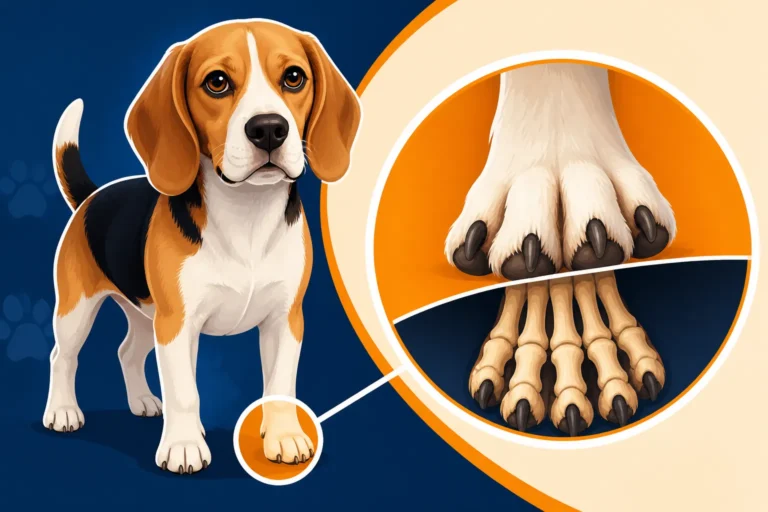
Safety in the field also means protecting their vulnerable areas. Their long, floppy ears are prone to infections and can easily get snagged on thorns, so regular checks and cleanings are essential. Their paw pads, while tough, can still suffer from cuts, scrapes, or cracks after a long day over rough terrain. It's wise to check their paws frequently, and some handlers use protective paw balms. Ensuring they are well-nourished with high-quality dog food, easily sourced from retailers like Chewy, provides the energy they need. For added safety, many hunters equip their Beagles with bright orange vests for visibility and GPS tracking collars, just in case their enthusiasm carries them a little too far afield. These measures ensure that the dogs are both fit for the hunt and protected during it, especially considering potential issues like Beagle Paw Pad Cracks After Field Walks.
The Experience: A Day in the Field with Beagles
There’s nothing quite like a day spent in the crisp air, surrounded by nature, listening to the eager sounds of a Beagle pack. It's an immersive experience that engages all your senses and provides a deep appreciation for the breed's incredible abilities. It’s more than just chasing rabbits; it's about connecting with an ancient tradition and witnessing instinct in its purest form.
The Unmistakable Start of a Trail
The excitement begins the moment the Beagles are released. They hit the ground running, noses to the earth, tails wagging with intense purpose. They spread out, quartering the area, each dog a finely tuned scent detection machine. There’s a quiet intensity as they search, a palpable anticipation in the air. Then, it happens. One dog will let out a tentative "whimper," a soft, questioning sound. Their tail might start to flag higher, their body language shifts to a more focused, rigid posture. This is the first sign, a "cold trail," a faint trace of a rabbit that passed by some time ago.
As they work the scent, carefully unraveling its path, the vocalizations become more assertive. A series of short, excited barks might turn into a choppy bay – "I've got it! I've really got it!" The other Beagles, hearing the call, will converge, often checking the lead dog's work for a moment before joining the chorus. This communal agreement on the scent trail is thrilling to witness. When the rabbit is finally jumped and begins to run, the baying intensifies, becoming a continuous, high-energy declaration that echoes through the woods. It's a true symphony of hounds, announcing that the chase is on.
Following the Pack and Understanding Their Language
Once the pack is on a hot trail, the hunters follow, guided almost entirely by sound. The Beagles, with their characteristic "nose to the ground" trailing style, will push the rabbit in a circular pattern, often bringing it back close to where it was initially jumped. This is a deliberate strategy, bred into them, to keep the quarry contained within a manageable area for the hunters. Trying to watch every dog would be impossible in thick cover, so learning to interpret the nuances of their baying becomes an essential skill. A steady, rhythmic bay means they're on a hot, strong trail. A break in the baying, followed by frantic, chopping barks, might indicate the rabbit has briefly doubled back or the scent has been momentarily lost.
The beauty of following the pack is in observing their teamwork. They might spread out a bit, but they listen to each other, reinforcing the trail, picking it up if one dog falters. You're not just a passive observer; you're part of the experience, immersed in the sights and sounds of the chase. It's a testament to centuries of breeding, where Beagles were selected not just for their scenting ability but for their cooperative spirit as a pack. The constant vocalizations of the pack on the trail are why a Beagle bay can really carry.
The Role of the Handler and the End of the Hunt
The handler's role during a rabbit hunt is crucial. They are the conductor of the orchestra, guiding the pack, encouraging them, and ensuring their safety. This often involves navigating difficult terrain, being mindful of property lines, and always keeping an ear out for any changes in the dogs' baying that might signal a problem or a break in the trail. They might use specific calls or whistles to gather the dogs, especially at the end of a long run or if the dogs are straying too far. It's a dance between trust and control, allowing the Beagles to work their instincts while maintaining overall command.
The hunt concludes when the rabbit is either successfully harvested, or more commonly in many modern contexts, it finds refuge in a burrow or dense cover, effectively ending the chase. At this point, the handler will call the dogs back, often offering praise and a small treat for their hard work. The dogs, though tired, are usually buzzing with satisfaction, their tails still wagging. They might get a drink of water and a thorough check for any burrs, thorns, or ticks. The day ends with a sense of accomplishment, whether or not a rabbit was taken. The real reward is witnessing the Beagles perform the job they were born to do, sharing in their joy of the chase, and strengthening the bond between dog and handler. For a pet Beagle, even a vigorous Sniffing Walks and Why They Tire a Beagle Out can provide a taste of this ancestral satisfaction.
| Aspect | Organized Field Trial Hunting | Casual Recreational Hunting |
|---|---|---|
| Primary Goal | Competition, showcasing dog ability, sportsmanship | Enjoyment of the outdoors, dog's work, potential harvest |
| Structure | Sanctioned events, specific rules, judges, scoring | Less formal, personal enjoyment, group outing |
| Environment | Designated hunting grounds, private land | Public lands (with permits), private property |
| Focus | Dog performance (scenting, packing, trailing) | The chase, dog-handler bond, outdoor experience |
| Harvest | Often "run to ground" (not harvested) or strictly limited | Optional, within legal bag limits and seasons |
| Equipment | GPS collars, protective vests, specific leads, whistles | Basic hunting gear, leads, perhaps GPS |
| Community | Strong club affiliation, mentorship, shared passion | Often smaller groups of friends/family |
| Regulations | Strict adherence to trial rules and wildlife laws | Adherence to local hunting licenses and seasons |
Disclaimer
This article is for general informational purposes only and does not constitute professional advice. Laws, prices and regulations vary by location and change over time. Consult a qualified professional for guidance on your specific situation.