Beagle Tricolor and the Black Saddle
When you first lay eyes on a classic Beagle, often what strikes you most is that vibrant, unmistakable tricolor coat, especially that broad swathe of black across their back. Many new Beagle parents or even those just admiring the breed often wonder about this iconic look: how it forms, what it means, and if it stays that way forever. This comprehensive guide will unravel the mystery of the Beagle's tricolor coat and delve into the specifics of that distinctive "black saddle" that makes them so endearing.
Understanding the Classic Beagle Tricolor Pattern
The tricolor Beagle is, without a doubt, the image that most people conjure when they think of the breed. It's an absolutely iconic look, a testament to their long history and careful breeding, and it's recognized universally as a hallmark of the Beagle. But what exactly defines this pattern, and why does it captivate so many of us? It’s not just three random colors; it’s a specific, beautiful arrangement that tells a story of genetics and breed standards.
What Defines a Tricolor Beagle
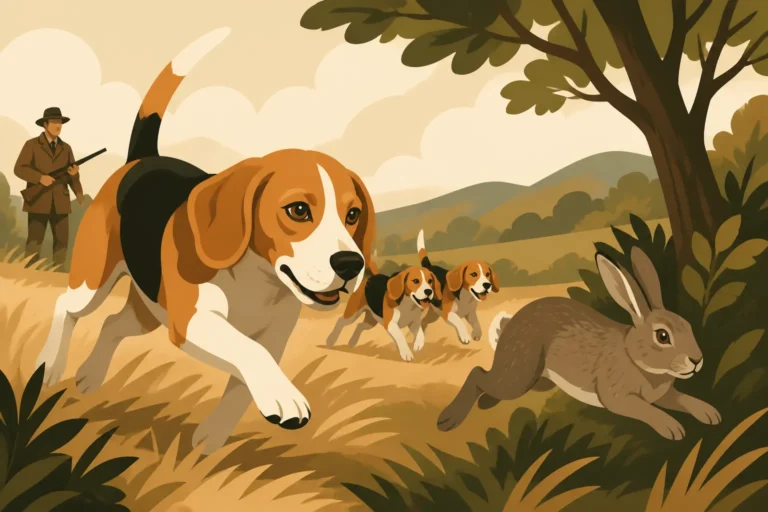
A true tricolor Beagle displays a distinct pattern of three colors: black, white, and tan. These aren't just splotches; they appear in a generally predictable, though individually unique, layout. The white typically covers the chest, belly, legs, and often extends up the muzzle and forms a blaze between the eyes. This white isn't just for show; historically, a white tail tip was incredibly important for hunters to spot their Beagles in tall grass, a detail still cherished today. Then comes the black, which usually forms a prominent "saddle" or blanket across the back and sides. Finally, the tan provides the warm, rich accents, appearing on the face, ears, legs, and under the tail. It’s this specific combination and placement that makes a Beagle a tricolor, setting it apart from other hound patterns. It's a striking contrast that highlights their merry, alert expression and their sturdy build.
The Placement of the Three Colors
Think of the white as the base, the canvas upon which the other colors are painted. It’s often the most widespread color on the underside and extremities. The black, which we'll dive into more deeply, forms the large, distinct "saddle" that covers the spine and ribcage, almost like a blanket thrown over their back. This is not typically scattered black spots, but a solid, often well-defined area. The tan provides the beautiful detailing. You'll see it as "points" above the eyes, on the cheeks, inside the ears, along the edges of the black saddle, and on the breeches (the back of the thighs). These tan markings are often what soften the stark contrast between the black and white, giving the Beagle its classic gentle yet sturdy appearance. Each Beagle's tricolor pattern will be slightly different, of course, with variations in the size and exact shape of the black saddle and the intensity of the tan.
Why It's So Iconic
The tricolor pattern is iconic not just because it's pretty, but because it’s so deeply ingrained in the breed's history and purpose. From early English rabbit packs to the modern family pet, this color scheme has been consistently favored and bred for. It reflects a standard that emphasizes both beauty and functionality. The clear, contrasting colors made Beagles visible in the field, while their compact size and keen nose made them exceptional hunters. This traditional look is what many people imagine when they think "Beagle," and it contributes to their widespread popularity. It’s a classic for a reason, embodying the very essence of the breed's heritage and charm. The consistency of this pattern across generations is a testament to the dedication of Beagle breeders. You can learn more about their history in The Beagle From English Rabbit Packs to American Homes.
The "Black Saddle" Explained: More Than Just Black
The "black saddle" is often the most talked-about feature of a tricolor Beagle's coat, and for good reason! It's the dominant dark area that gives them that distinct, almost regal appearance. But if you've ever owned a tricolor Beagle, you'll know that this saddle can be a little more complex than just a simple patch of black. It has its own nuances, variations, and even a bit of mystery, especially as puppies grow. It’s not always a uniform, inky black, and its presence can evolve over time, which can be quite fascinating to observe.
What the Saddle Actually Is
The "black saddle" refers to the large area of black fur that typically covers the Beagle's back, extending down the sides. It's called a "saddle" because it often resembles a horse's saddle in its placement and general shape. This isn't just any black fur; it's a defining characteristic of the tricolor. While the white and tan areas are fairly consistent in their appearance, the black saddle provides the dominant dark pigmentation. In some Beagles, this saddle might be a deep, rich black, almost like polished obsidian. In others, it might appear softer, perhaps a slightly charcoal black. The exact size and outline of the saddle vary from dog to dog, making each tricolor Beagle truly unique, even with this shared defining feature. The quality of the coat, which contributes to its luster, can be maintained with good nutrition and grooming, and places like Chewy offer excellent tools for regular brushing.
Variation in Saddle Size and Shape
Just as no two snowflakes are exactly alike, no two Beagle black saddles are identical. Some Beagles will have a very expansive black saddle that covers most of their back and much of their sides, leaving only small patches of white and tan. Others might have a smaller, more centralized saddle, with more white and tan visible around its edges. The shape can also vary; some saddles have very clean, defined edges, almost like they were painted on, while others might have a more feathered or irregular border where the black meets the tan. These variations are perfectly normal and fall within the accepted breed standard. These subtle differences in the saddle's size and shape contribute to the individual character and charm of each tricolor Beagle. It’s part of the fun of watching a puppy grow and seeing how their unique pattern develops!
The Importance of Pigmentation
Beyond just the color itself, the quality of pigmentation within the black saddle is important. A good black saddle should have strong, consistent black pigment, without a lot of reddish or brownish tones bleeding through, unless it's a specific type of 'faded' tricolor. The black should ideally be deep and lustrous. This strong pigmentation extends to other areas of the Beagle, too – their nose should be black, and their eye rims and lips should also have good black pigment. This isn't just for aesthetics; strong pigmentation often indicates good overall health and genetic quality. However, as Beagles age, or if exposed to a lot of sun, some fading can occur, turning the black a bit rustier. This is a common and usually harmless occurrence, especially in older dogs. The Beagle Coat as the Standard Describes It discusses these aspects in more detail.
How Beagle Colors Change from Puppyhood to Adulthood
One of the most surprising and delightful aspects of owning a tricolor Beagle puppy is watching their colors evolve. What starts as one thing can transform into something quite different, and that bold "black saddle" is often at the center of this change. It's a journey of discovery for many owners, as their tiny, dark pup gradually reveals its true, mature coat. This transformation is a perfectly natural part of a Beagle's development and is influenced by their genetics.
The Fading Puppy Black
Many tricolor Beagle puppies are born looking almost entirely black and white, or very dark, with only hints of tan. The black areas, including what will become the "saddle," can appear much more extensive and darker than they will in adulthood. It’s common for a newborn tricolor pup to have very little visible tan, making them look like a black and white dog. Over the first few weeks and months, this deep, dark puppy black often starts to "bleed" or recede. You'll notice lighter tan hairs beginning to emerge within the black areas, especially around the edges of the saddle, on the legs, and on the face. This isn't a sign of poor quality; it's simply how the color genes express themselves over time. This process is often most noticeable between 6 weeks and 6 months of age, though subtle changes can continue for a year or more.
The Gradual Appearance of Tan
As the puppy black fades, the tan areas become more prominent and richer in color. Those faint tan points above the eyes, on the cheeks, and along the legs will deepen and become much more distinct. The "saddle" itself will often shrink slightly, or at least its boundaries will become clearer as the tan encroaches from the sides. This is how the classic tricolor pattern with its balanced black, white, and tan emerges. It’s a slow reveal, like a masterpiece being unveiled. What might have looked like a black and white pup with a large black blanket eventually settles into the more balanced, well-defined tricolor that the breed is famous for. This is often the reason why How Beagle Puppy Color Shifts With Age is such a common topic of conversation among new owners.
Predictable vs. Unpredictable Changes
While the general trend of black fading and tan emerging is quite predictable in tricolor Beagles, the exact degree and speed of these changes can vary. Some Beagles will retain a very large, dark black saddle well into adulthood, sometimes even developing into a "blue-tick" or "red-tick" pattern within the black itself, where flecks of white or reddish-brown hairs are interspersed. Others will lighten considerably, with the black saddle reducing to a smaller patch and the tan becoming very dominant, sometimes almost pushing into the black, creating a "black-back" tan and white dog rather than a true tricolor. This is part of the charm and genetic diversity within the breed. Reputable breeders often have a good idea of how their lines mature in terms of color, but Mother Nature always has the final say. These shifts are what make each Beagle's coat truly unique.
Beyond Tricolor: Other Accepted Beagle Colors and Markings
While the tricolor Beagle with its distinctive black saddle is the most common and widely recognized, it’s important to remember that Beagles come in a wonderful array of other colors and patterns. The breed standard is quite generous, allowing for "any true hound color." This means there's a lot more to Beagle coats than just the classic black, white, and tan. Understanding these other variations helps appreciate the full spectrum of the breed's beauty and genetic diversity.
Lemon and White Beagles
One of the most charming and sought-after alternative colors is the lemon and white Beagle. These Beagles feature a lighter pigment instead of black, resulting in patches of soft, pale yellow (lemon) mixed with white. The "lemon" can range from a very light, almost creamy yellow to a deeper, more golden hue. Like the tricolor, the white typically covers the chest, belly, and legs. The lemon color replaces the black and tan, appearing in patches similar to where the black saddle and tan points would be on a tricolor. Lemon Beagles have an incredibly sweet and gentle appearance, often accentuated by their lighter pigment. They are true hounds in every sense, but with a softer color palette. Lemon Beagles and the Rarer Colors delves into this lovely variation more deeply.
Red and White, Tan and White, and Others
Beyond lemon, you'll find Beagles in various combinations of red and white, and tan and white. A red and white Beagle will have clear, vibrant reddish-brown patches on a white background, replacing the black and tan. The "red" can vary from a light chestnut to a deep mahogany. Similarly, tan and white Beagles will have areas of tan where the black and tan would be on a tricolor, often with a darker intensity than a lemon, but without the black. Other less common but accepted colors include solid white (very rare), black and white (lacking tan points), and even blue and white, although "blue" in dogs is a dilute black and is quite uncommon in Beagles. Regardless of the color, the white tail tip, known as the "hound mark," is highly desired and often a requirement in the breed standard for all color variations.
Blue Tick and Red Tick Markings
Some Beagles exhibit "ticking" or "mottling," which are small, distinct spots of color within the white areas of their coat. These aren't large patches, but rather flecks, almost like freckles. A "blue tick" Beagle, for example, will have flecks of black or very dark grey within its white fur, often appearing on the muzzle, legs, and belly. These flecks can range from light to quite dense, giving the white areas a bluish-grey appearance from a distance. Similarly, "red tick" Beagles have reddish-brown flecks within their white. Ticking often becomes more apparent as a Beagle ages. These patterns are common in many hound breeds and add another layer of visual interest to the Beagle's coat. They are genetically distinct from the main color patterns but can appear in conjunction with them. For instance, a tricolor Beagle can also have blue ticking within its white areas. Beagle Markings and the Ticked Coat provides further insight into these intricate patterns.
The Genetics Behind Beagle Coat Color
Understanding Beagle coat colors, especially the tricolor and its black saddle, ultimately comes down to a bit of basic genetics. You don't need a biology degree to grasp the main concepts, but knowing how genes work helps demystify why puppies change color and why there's such a beautiful variety within the breed. It’s all about specific genes interacting to produce the pigments and patterns we see.
Basic Color Gene Loci
Dog coat color is determined by a number of genes at different "loci" or locations on their chromosomes. For Beagles, a few key loci play the biggest roles in shaping the tricolor pattern and its variations. The Agouti series (A locus) is particularly important, as it dictates the distribution of black and tan pigment. For a tricolor Beagle, the genotype at the A locus is typically (at), which means "tan points" (like those on a Doberman or Rottweiler, but expressed differently with the white). The B locus determines if the black pigment is truly black (BB or Bb) or liver/brown (bb, which is not standard for Beagles but exists in some lines). The E locus acts like a switch, either allowing (E) or restricting (e) the black pigment. This is why a lemon Beagle, for example, has two copies of the recessive 'e' allele, essentially turning off the black pigment and allowing only red/tan to show. It’s a complex interplay, but these main genes largely control the palette.
How Genes Determine Tricolor
For a classic tricolor Beagle with a black saddle, the genetic recipe is usually a combination of these genes. They will have at least one dominant A gene for tan points (at), at least one dominant B gene for black pigment, and at least one dominant E gene to allow that black pigment to be expressed. The presence of the black saddle means the at gene is interacting with other modifiers that restrict the tan to specific "points" and allow a broad black area to cover the back. The white areas are controlled by separate genes that determine the extent of white spotting. So, the tricolor isn't just one gene, but a symphony of several working together to produce that iconic black, white, and tan. When puppies are born, their full genetic expression for color hasn't quite kicked in, leading to the dramatic changes we discussed earlier.
Breeding for Specific Colors
Reputable Beagle breeders don't typically breed just for color, as health and temperament are always paramount. However, they do understand the genetics of color and can predict with reasonable accuracy what colors might appear in a litter based on the parents' genetics. For example, breeding two lemon and white Beagles will almost certainly result in more lemon and white puppies, as they both carry the recessive genes for that color. Breeding two tricolor Beagles, especially if they carry recessive genes for other colors, could produce a mix of tricolor, lemon, or even black and white pups. Genetic testing for specific color genes is available, allowing breeders to make informed decisions to produce desired coat colors while always prioritizing health. Ultimately, a healthy, well-tempered Beagle is the goal, regardless of the exact shade or pattern of its coat. The American Kennel Club's standard allows for a range of "hound colors," emphasizing the health and structure of the dog over a single aesthetic ideal. Reading a Beagle DNA Panel Result Line by Line can provide more details on how these genetic tests work.
| Beagle Color Pattern | Primary Colors | Typical Appearance | Common Changes from Puppyhood |
|---|---|---|---|
| Tricolor | Black, White, Tan | Large black saddle on back, white chest/legs/face, tan points on face/legs/tail. | Puppy black saddle often fades, tan points become richer and more defined. Black area may shrink. |
| Lemon & White | Lemon (pale yellow), White | Soft yellow patches replacing black/tan, white chest/legs/face. | Lemon color may deepen or lighten slightly, but generally consistent. |
| Red & White | Reddish-brown, White | Vibrant red/chestnut patches replacing black/tan, white chest/legs/face. | Red color may deepen with age. |
| Tan & White | Tan, White | Tan patches (often darker than lemon) on white background. | Tan color usually consistent, may darken slightly. |
| Black & White | Black, White | Black patches on white background, no tan points. | Black areas usually remain distinct, may have some ticking. |
| Blue Tick | Black flecks, White | Small black/grey flecks (ticking) within white areas of the coat. | Ticking often becomes more noticeable and widespread with age. |
| Red Tick | Red flecks, White | Small reddish-brown flecks (ticking) within white areas of the coat. | Ticking often becomes more noticeable and widespread with age. |
Caring for a Tricolor Beagle's Coat
While the tricolor pattern is mostly about aesthetics and genetics, proper care ensures that your Beagle's coat remains vibrant, healthy, and comfortable. Beagles have a short, dense double coat that requires some attention, especially to manage shedding and keep their skin healthy. It's not the most demanding coat to maintain, but regular care makes a huge difference in how good your Beagle looks and feels.
Regular Brushing for a Healthy Coat
Despite their short hair, Beagles are moderate to heavy shedders, especially seasonally. Regular brushing is key to keeping their tricolor coat looking its best and managing the amount of fur around your home. A good rubber curry brush or a shedding blade works wonders to remove loose hair and stimulate the skin's natural oils, which contribute to a shiny, healthy coat. Brushing a couple of times a week, and more frequently during shedding seasons (typically spring and fall), will help keep that black saddle and all their colors vibrant. Plus, it’s a great bonding experience! You can find a wide range of effective grooming tools for Beagles on sites like Chewy that cater to their specific coat type, helping to keep their black, white, and tan looking fresh. Brushing a Beagle Through Spring Shedding is an important routine to establish.
Bathing and Skin Health
Beagles generally don't require frequent bathing unless they've rolled in something particularly pungent – which, let's be honest, is a very Beagle thing to do after following an interesting scent trail! Over-bathing can strip their coat of essential oils and dry out their skin. When you do bathe your tricolor Beagle, use a dog-specific shampoo that won't irritate their skin. Make sure to rinse thoroughly to prevent any residue that could cause itching or skin issues. Drying them well, especially around those long ears, is also crucial. Good skin health underpins a beautiful coat, so if you notice any persistent itching or skin irritation, it's always best to consult your vet.
Diet and Coat Luster
What goes into your Beagle's body directly impacts the health and appearance of their coat. A high-quality diet rich in omega-3 and omega-6 fatty acids can dramatically improve coat luster and skin health. Look for dog foods that list real meat as the first ingredient and contain beneficial fats like fish oil or flaxseed. If your Beagle’s coat seems dull or dry, or if they’re experiencing excessive shedding (beyond normal seasonal changes), discuss their diet with your veterinarian. Sometimes, a simple dietary adjustment or the addition of a supplement can make a world of difference in bringing out the natural shine and richness of their tricolor coat, including that handsome black saddle. Omega-3 Oils for a Beagle's Coat can be a great addition to their nutrition.
Disclaimer
This article is for general informational purposes only and does not constitute professional advice. Laws, prices and regulations vary by location and change over time. Consult a qualified professional for guidance on your specific situation.