Beagle Eye Shape and That Pleading Expression
That distinctive, soulful gaze that seems to plead for just one more treat, one more belly rub, or one more walk around the block? If you're a Beagle owner, you know exactly what I'm talking about. It's not just a cute quirk; the specific shape and placement of a Beagle's eyes are actually part of the breed standard, influencing that characteristic expression we all adore and sometimes, are utterly powerless against. This guide will dive deep into what makes a Beagle's eyes so unique, how their structure contributes to their famous "pleading" look, and what you need to know about keeping them healthy.
Understanding the Beagle Eye Standard
When you look at a well-bred Beagle, their eyes are one of the first things that grab your attention, often conveying an irresistible blend of curiosity, intelligence, and that touch of mischief that only a Beagle can pull off. The breed standard, set by organizations like the American Kennel Club, isn't just about appearance; it defines traits that contribute to the dog's function and overall health. For Beagles, the eyes are a crucial component of their breed identity.
The Ideal Shape and Placement
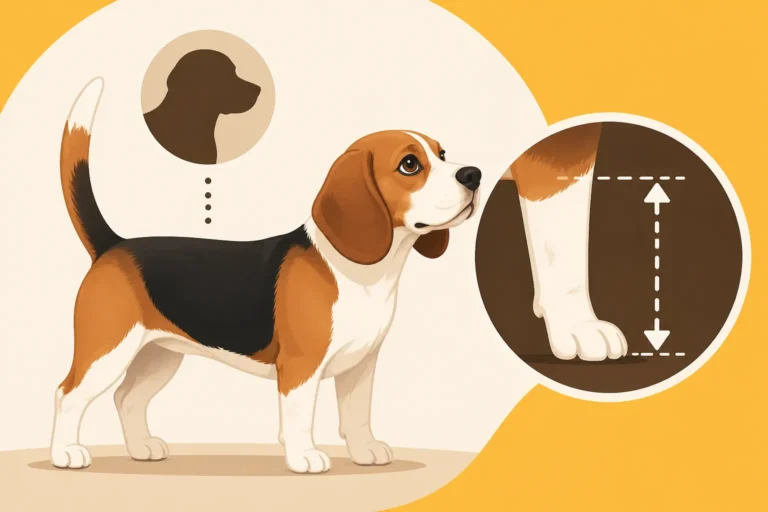
A Beagle's eyes are typically described as being soft and pleading in expression, but the standard goes into more detail about their physical attributes. They should be moderately large, set well apart, and neither deep-set nor protruding. Think of a balanced, intelligent look, not a bug-eyed stare or eyes that seem to recede into their skull. The shape is generally round to slightly almond, giving them an open and friendly appearance.
The way their eyes are set on the face is also important. If they are too close together, it can give a narrow, almost anxious look, which isn't characteristic of the merry Beagle temperament. Conversely, if they are set too wide, it can make them appear less intelligent or even confused. The ideal placement allows for a broad field of vision, which was important for their original purpose as scent hounds, needing to navigate varied terrain while keeping their nose to the ground. This careful balance in placement and shape ensures that their expression remains true to the breed's cheerful and engaging nature. Owners often notice that even when their Beagle is being a complete rascal, a quick glance at those eyes makes it hard to stay upset!
Color and Rim Pigmentation
The color of a Beagle's eyes typically ranges from hazel to dark brown. Darker eyes are generally preferred, as they contribute to that warm, soft, and intelligent expression. Lighter eyes, while not a disqualification in the show ring, can sometimes give a harder or less expressive look, which isn't quite the iconic Beagle charm. The depth of color adds to the overall appeal, making their gaze even more captivating. Imagine a deep chocolate brown that seems to hold endless wisdom and a touch of mischief – that's the ideal.
Equally important are the eye rims. They should be fully pigmented, typically black or a very dark brown, matching the nose leather. Well-pigmented rims frame the eye beautifully, making it stand out and contributing to the overall expression. If a Beagle has unpigmented or "flesh-colored" eye rims, it can make their eyes appear less defined, almost bare, and detract from that soulful look. This isn't just about aesthetics; good pigmentation helps protect the delicate skin around the eye from sun exposure and irritation. While not a major health concern on its own, improper pigmentation can sometimes be linked to other issues or simply indicate a deviation from the desired breed appearance.
The Impact on Overall Expression
The combination of shape, placement, color, and pigmentation culminates in what we recognize as the Beagle's signature expression. It's a look that effortlessly conveys their personality: eager, inquisitive, often a little mischievous, and undeniably endearing. This expression is more than just a pretty face; it’s a direct window into their inner world, or at least, that's how it feels to us humans! Their eyes tell a story, whether they’re silently asking for a piece of your sandwich, patiently waiting for you to throw their favorite toy, or giving you that knowing glance when they've found something utterly fascinating (and probably inappropriate) on your walk.
When a Beagle gazes up at you, the slightly rounded, soft eyes, framed by those expressive brows, create an almost irresistible plea. This isn't just anthropomorphism; years of selective breeding for a companion animal have inadvertently (or perhaps intentionally) enhanced these traits. Owners often find themselves completely wrapped around their Beagle's paw, simply because those eyes make it impossible to say no. It’s part of their charm and why so many families fall head over heels for the breed. Understanding these specific breed traits helps us appreciate the unique beauty of our Beagles even more.
The "Pleading" Expression: More Than Just Looks
That famous "Beagle look" – the one that melts hearts and undermines even the strongest resolve – is a masterpiece of canine communication. It's often misinterpreted, however, as simply a dog being cute to get what it wants. While Beagles are certainly adept at using their charm, there's more to this expression than meets the eye.
Why Beagles Seem to Master It
Several factors contribute to why Beagles are such masters of the pleading gaze. Genetically, they are bred to have those soft, round, dark eyes that already lean towards an innocent, appealing look. Beyond genetics, Beagles are incredibly intelligent and observant dogs. They quickly learn what facial expressions and body language elicit a desired response from their humans. If batting their eyelashes and gazing up with wide, sorrowful eyes consistently gets them an extra treat, a snuggle on the couch, or permission to break a minor house rule, they're going to use it!
Furthermore, their history as pack hounds means they are highly attuned to social cues. They thrive on interaction and being part of the family, and their expressions are often a way of communicating their needs, desires, and even their emotional state. A truly pleading look might mean they’re genuinely bored and want to play, or they might be feeling a bit under the weather. More often than not, though, it's a learned behavior perfected through countless interactions with soft-hearted humans. They've figured out that human beings are wired to respond to such expressions, making it an incredibly effective tool in their communication arsenal.
Misinterpreting the Pleading Look
While often adorable, misinterpreting the "pleading" look can sometimes lead to issues, particularly around boundaries and training. If every pleading glance earns a bite of your dinner, you'll quickly have a Beagle that counter-surfs with expert precision and expects to be fed from the table. It's easy to fall into the trap of thinking, "Oh, he wants it so badly, just this once!" But "just this once" often sets a precedent that's hard to break.
It's important to differentiate between genuine need and clever manipulation. A truly sad or worried Beagle might have flattened ears, a tucked tail, and avoid eye contact, not just gaze at you with wide eyes. A Beagle who is merely asking for something with their eyes will usually have a more relaxed posture, perhaps a gently wagging tail, and a confident direct gaze. Learning to read your Beagle's full body language, not just their eyes, is key to understanding their true intentions. This helps you respond appropriately, reinforcing good behavior while still acknowledging their attempts at communication. If they're using those eyes to demand attention, try redirecting them to a toy or a training command before rewarding.
Health Implications of Eye Shape
While the Beagle's eye shape is largely a breed advantage, enhancing their expressive face, it's also worth noting that certain anatomical features can sometimes predispose them to specific eye conditions. Their moderately large, slightly rounded eyes, while beautiful, are not as deep-set as some other breeds, potentially leaving them a little more exposed. This isn't a major flaw, but it means owners need to be diligent about eye health.
For instance, the soft, somewhat droopy lower eyelid can, in some Beagles, slightly increase the risk of conditions like ectropion (where the eyelid rolls outward, exposing the delicate conjunctiva) or entropion (where it rolls inward, causing eyelashes to rub against the cornea). These aren't common in Beagles to the extent they are in breeds like Basset Hounds or St. Bernards, but it's something to be aware of. Similarly, any breed with noticeable eyes can be more prone to minor irritations from dust, debris, or even wind during a long walk in the park. Regular checks are essential to ensure those beautiful eyes remain clear and healthy. Owners should be familiar with Beagle Eye Conditions and the Board-Certified Exam for a broader understanding of what to look out for.
Caring for Those Expressive Beagle Eyes
Those beautiful, pleading Beagle eyes are delicate and require regular attention to stay healthy. Neglecting their care can lead to discomfort, infection, and potentially more serious issues down the line. A proactive approach is always best to keep those peepers sparkling and full of life.
Routine Checks and Cleaning
Making a quick eye check part of your daily or weekly routine is a simple yet effective way to catch potential problems early. When you're snuggling your Beagle, take a moment to look closely at their eyes. You want to see clear, bright eyes with no excessive redness, discharge, or cloudiness. The whites of their eyes should be white, and the area around them should be dry and free from crusts or debris.
If you notice any slight crusting or a bit of sleep in the corner of their eyes, it's generally fine to gently wipe it away with a soft, damp cloth or a cotton ball soaked in warm water. Always wipe away from the eye, towards the nose, using a fresh part of the cloth for each eye to prevent cross-contamination. Avoid using harsh soaps or chemicals near their eyes. For more stubborn stains or if your Beagle is prone to tear staining, there are specific dog-safe eye wipes and solutions available at pet supply stores, which you might find on reputable sites like Chewy. These can help keep the area clean and reduce discoloration. Consistency is key here; a minute or two of care several times a week can prevent bigger headaches.
Common Eye Issues to Watch For
While Beagles aren't inherently prone to a vast array of unique eye conditions, they can still experience general canine eye problems. Keeping an eye out for these can ensure prompt treatment:
- Redness or Inflammation: This could indicate allergies, irritation from dust or foreign bodies, or an infection. If the redness persists or is accompanied by other symptoms, it's time for a vet visit.
- Discharge: A small amount of clear discharge is normal, but thick, colored (yellow, green), or excessive watery discharge is a red flag for infection or irritation.
- Cloudiness or Change in Eye Color: A sudden cloudy appearance or a blueish tint could indicate conditions like glaucoma or cataracts. For comprehensive information, consult Beagle Cherry Eye and Glaucoma.
- Squinting, Pawing, or Rubbing: These are clear signs of discomfort or pain. Your Beagle might have something in their eye, an injury, or an underlying condition.
- Swelling Around the Eye: Swelling can point to an allergic reaction, an insect bite, or a deeper infection.
- Visible Third Eyelid: While dogs have a third eyelid, it shouldn't be consistently visible. If it's popping out, especially in one eye, it can be a sign of pain, irritation, or other health issues.
- Cherry Eye: This is where the gland of the third eyelid prolapses, appearing as a red mass in the inner corner of the eye. While not exclusively a Beagle issue, it does occur and often requires surgical correction.
Regularly examining your Beagle's eyes, even if they're healthy, helps you establish a baseline for what's normal, so you can quickly spot anything out of the ordinary.
| Sign of Eye Problem | Possible Cause | Action Needed |
|---|---|---|
| Redness or Bloodshot | Irritation, allergies, infection, injury, glaucoma | Consult vet if persistent or severe; gentle cleaning for mild irritation |
| Excessive Tearing/Watery Eyes | Irritation, allergies, blocked tear duct | Monitor, clean gently; vet if persistent or accompanied by discharge |
| Yellow/Green Discharge | Bacterial infection | Vet visit for diagnosis and antibiotics |
| Cloudiness or Blue Haze | Corneal injury, glaucoma, cataracts | Immediate vet attention, especially for sudden onset |
| Squinting or Pawing at Eye | Pain, foreign object, injury, ulcer | Vet visit; do NOT try to remove embedded objects yourself |
| Swelling Around Eye | Insect bite, allergic reaction, infection | Monitor; vet if severe, worsening, or affecting vision |
| Visible Third Eyelid | Pain, dehydration, prolapsed gland (cherry eye) | Vet visit for diagnosis and treatment |
When to Seek Veterinary Attention
It's always better to be safe than sorry when it comes to your Beagle's eyes. If you notice any of the concerning signs mentioned above, or if your Beagle seems to be in pain or discomfort, don't hesitate to contact your veterinarian. Prompt veterinary care can make a huge difference in the outcome of many eye conditions, potentially saving your Beagle from prolonged discomfort or even vision loss.
Certain conditions, like glaucoma, can progress very rapidly and lead to irreversible blindness if not treated immediately. Even seemingly minor issues like persistent redness or discharge can escalate into more serious infections if left unchecked. Your vet can perform a thorough eye exam, which might include specific tests to check for ulcers, measure tear production, or assess intraocular pressure. They can also determine if your Beagle requires a referral to a veterinary ophthalmologist for specialized care. For any concerns about their vision, especially as they get older, remember to explore topics like Vision Loss in a Beagle Past Twelve. Ultimately, those captivating Beagle eyes are precious, and diligent care ensures they stay bright and healthy for a lifetime of happy, pleading gazes.
Disclaimer
This article is for general informational purposes only and does not constitute professional advice. Laws, prices and regulations vary by location and change over time. Consult a qualified professional for guidance on your specific situation.