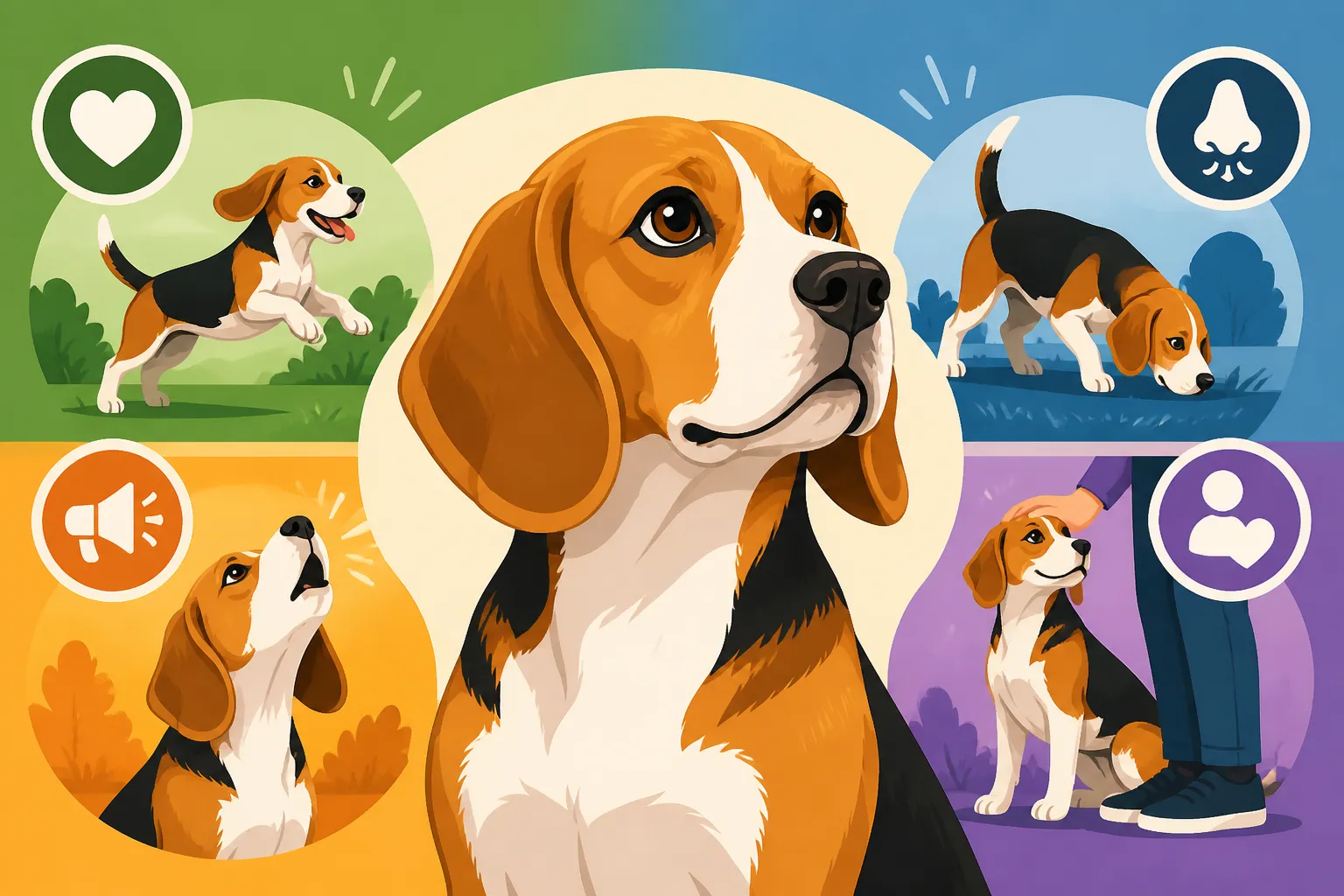
The Beagle Temperament Written Into the Standard
It's easy to fall head-over-heels for a Beagle's soulful eyes and floppy ears, but their personality is truly what captures hearts – and sometimes drives owners a little crazy! Many prospective owners wonder what they're really getting into beyond the cute puppy stage. It's a common misconception that all small dogs are easy-going apartment dwellers. This guide will take you on a deep dive into the official breed standard's description of the Beagle temperament, helping you understand the delightful, sometimes mischievous, traits that make them such unforgettable companions.
Decoding the Breed Standard's Temperament Description
When we talk about a dog's "breed standard," we're essentially looking at the blueprint for the ideal dog of that breed. It covers everything from nose to tail, including, crucially, temperament. For Beagles, the standard gives us a beautiful snapshot of what a truly well-bred and characteristic Beagle should be like. It's not just about looks; it's about the very essence of their being. This description is vital because it explains why Beagles act the way they do, rooted in centuries of selective breeding.
The AKC Standard's Core Description
The American Kennel Club (AKC) standard for the Beagle states, quite famously, that their temperament should be "merry and amiable; never quarrelsome or aggressive." This single sentence packs a powerful punch, giving us the primary characteristics to look for. "Merry" implies a cheerful, lively spirit, always up for an adventure or a game. It speaks to their zest for life and their generally positive outlook, even when they're getting into a bit of mischief. They carry an air of optimism that is truly contagious.
"Amiable" means they are friendly and pleasant, easy to get along with. This is incredibly important for a dog originally bred to hunt in packs. They needed to get along with other dogs and with their human handlers. This translates to the pet Beagle being generally good-natured with people and other animals. The caveat, "never quarrelsome or aggressive," reinforces this, setting a clear expectation for a non-confrontational and even-tempered dog. If you encounter a Beagle that consistently displays aggression, it's a deviation from the ideal temperament outlined in the standard, and often a sign of poor breeding or lack of early socialization.
Beyond the Physical: Traits That Matter
While the standard often dedicates pages to ear set and tail carriage, the temperament section is arguably the most important for a family looking to bring a Beagle into their home. It speaks to the daily experience of living with one of these hounds. A Beagle's physical attributes were developed to support its work as a hunter, but its temperament was equally crucial for successful pack work and interaction with humans. For instance, their boundless energy and curiosity, while not explicitly detailed in the "merry and amiable" line, are implicit in the breed's history. These aren't couch potatoes; they are active, intelligent dogs who thrive when given a "job" to do, whether it's a long sniff-walk or a challenging puzzle feeder.
Understanding this temperament helps us set realistic expectations. They're not always going to be perfectly quiet or perfectly obedient, especially if there's a fascinating smell nearby. Their enthusiasm and friendliness, while wonderful, also mean they might not be the best guard dogs, often greeting strangers with wagging tails rather than suspicion. It’s all part of that "merry and amiable" package that makes a Beagle a true joy for families who appreciate their unique blend of charm and hound-dog independence.
The "Merry" Disposition: A Deep Dive
The term "merry" pops up often when describing Beagles, and it's not just a cute adjective. It's a foundational descriptor of their inherent nature, deeply tied to their historical role and their overall approach to life. This isn't a reserved or aloof breed; a merry Beagle approaches life with an infectious enthusiasm that's hard to ignore.
Optimism and Resilience
A merry Beagle is, at its heart, an optimist. They tend to bounce back quickly from setbacks, whether it's a missed treat or a scolding for counter-surfing. Their default setting seems to be "happy," and they bring a cheerful energy to almost every situation. This resilience is a fantastic trait for families, as it means they're usually up for anything and can adapt well to changes in routine, as long as they feel secure and loved. You'll rarely find a truly "grumpy" Beagle; even after a trip to the vet, they're often ready for a cuddle or a game as soon as they're back in their comfort zone. This inherent positivity helps them cope with daily life and makes them genuinely pleasant companions.
This optimism also translates into their playfulness. A merry Beagle loves to engage, whether it's chasing a ball, wrestling with another dog, or trying to convince you to drop a snack. They carry a puppy-like enthusiasm well into adulthood, often retaining their playful antics long after many other breeds have settled down. This isn't just about high energy; it's about a fundamental joy in interaction and engagement, making them wonderful participants in family life and a constant source of amusement. This aspect of their temperament is part of The Beagle Temperament Written Into the Standard.
Affectionate Nature with Their People
The "amiable" part of the standard shines brightest when it comes to their interactions with their human families. Beagles are incredibly affectionate dogs. They love to be part of the action, whether that's snuggled on the couch for a movie night or "helping" you in the kitchen (often with a hopeful eye on dropped crumbs). They thrive on companionship and are known for their loving, gentle demeanor, especially with children. It's not uncommon for a Beagle to follow their favorite person from room to room, just wanting to be near.
This affectionate nature means they form strong bonds with their families, sometimes leading to challenges if they are left alone for long periods. Beagles are a pack breed, and they genuinely crave company. If left isolated, that amiable nature can give way to distress, manifesting as howling or destructive chewing. Providing plenty of interaction and training from a young age can help, as can ensuring they have enriching activities, perhaps a sturdy puzzle toy filled with treats from Chewy, to keep their minds occupied when you can't be right there. They are truly happiest when they are an integral part of their human pack, offering endless cuddles and happy tail wags.
The Beagle's Pack Instincts and Sociability
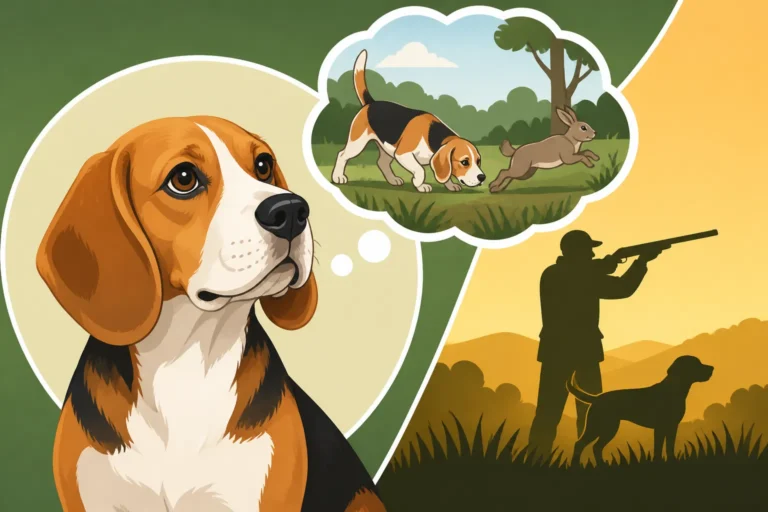
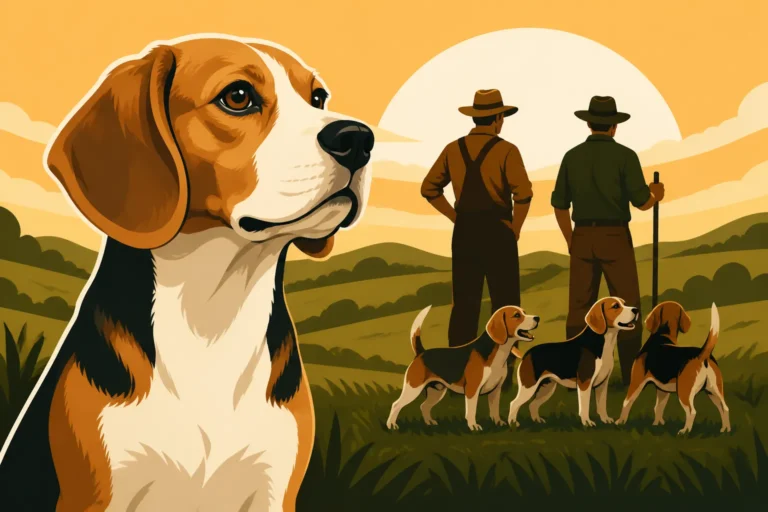
The Beagle's history as a pack hunter is perhaps the most defining characteristic influencing its temperament. They were bred to work cooperatively with other dogs and to follow human commands in the field, making sociability a cornerstone of their nature.
Living with Other Dogs and Children
One of the great advantages of the Beagle temperament is their natural inclination towards sociability. They tend to get along famously with other dogs. Having been bred to run in packs, they understand canine social dynamics and often integrate well into multi-dog households. This isn't to say every Beagle will be best friends with every dog, but the breed generally shows an eagerness to interact and play nicely. Many Beagle owners find that having a canine companion can even help alleviate some of the separation anxiety issues that can arise when a Beagle is left alone. For them, another dog is simply an extension of their natural pack.
Their amiable nature extends beautifully to children. Beagles are renowned for being gentle, patient, and playful companions for kids of all ages. They are sturdy enough to handle the rough-and-tumble of energetic youngsters and often enjoy participating in games of fetch or backyard exploration. Of course, proper supervision is always key, as is teaching children how to interact respectfully with any dog. However, the Beagle's inherent sweetness and tolerance make them an excellent choice for families with kids, earning them their reputation as fantastic family dogs. This aspect is closely tied to Beagles With Children and With Other Dogs.
Stranger Danger (or Lack Thereof)
Given their "amiable" standard, it's probably not surprising that Beagles aren't typically inclined towards suspicion or aggression with strangers. In fact, many Beagles greet new people with the same cheerful enthusiasm they show their family. While they might let out a characteristic bay or bark to announce an arrival, this is usually more of a greeting than a warning. If you're looking for a formidable guard dog, a Beagle is probably not the right choice. Their trusting and friendly nature means they're more likely to lick an intruder than deter them!
This openness to new people means they adapt well to social situations, whether it's a family gathering or a visit to the dog park. Early and positive socialization experiences, exposing your Beagle puppy to a wide variety of sights, sounds, and people, will only enhance this natural friendliness. This ensures that their innate amiability develops into a confident and well-adjusted adult temperament. However, their friendliness can also mean they are prone to wandering off with anyone who offers them a kind word or, more likely, a treat, which is where their strong scent drive comes into play.
Scent Drive and Its Temperamental Impact
The Beagle's nose is arguably its most famous feature, and its profound impact on their temperament cannot be overstated. Bred for centuries to follow a scent trail, this instinct is deeply ingrained and influences everything from their focus to their perceived "stubbornness."
The All-Consuming Nose
A Beagle's world is primarily experienced through its nose. With an estimated 220 million scent receptors, their olfactory sense is thousands of times more powerful than ours. This means that a walk around the block is less about exercise and more about an intricate tapestry of smells that tells a story. When a Beagle latches onto a scent, especially one of high interest like a rabbit or an intriguing food morsel, their focus becomes almost singular. The outside world, including your voice, can effectively cease to exist. This profound drive is why they are so often used by organizations like the USDA's Beagle Brigade. The 220 Million Receptors Behind a Beagle's Nose explains just how powerful this sense is.
This all-consuming scent drive isn't a flaw; it's the very essence of their being, part of their standard and their heritage. It can be a source of endless fascination for owners who embrace it, offering opportunities for scent work games and long, meandering sniff-walks. However, it also presents challenges. A Beagle on a hot trail can easily become oblivious to recall commands, making off-leash adventures in unfenced areas a significant risk. This is why a secure fence or a long line is absolutely essential for Beagle owners.
Focus Versus Stubbornness
Many owners, understandably, interpret their Beagle's scent-driven focus as stubbornness. You might call their name, offer a treat, or try to get their attention, only to find them completely engrossed in sniffing a patch of grass. It feels like they're intentionally ignoring you, and in a way, they are – because their nose is telling them a much more compelling story. It's not defiance in the way a human child might be stubborn; it's a genetic imperative to follow a scent.
Understanding this distinction is crucial for effective training. Rather than fighting against their nature, successful Beagle training often involves channeling it. Using high-value, scent-rich treats (you can find a great selection of training treats on Chewy) can often break through their olfactory concentration. Incorporating scent games into their daily routine can also provide an outlet for this powerful drive, making them more receptive to your commands when their nose isn't actively "working." It's about finding a way to make you more interesting than the captivating world of smells beneath their feet. This independent decision-making when on a scent is why Beagle Recall and Why Your Voice Stops Registering is such a common issue.
Vocalization: More Than Just a Bark
Beagles are hounds, and hounds vocalize. It's a fundamental part of their breed identity, rooted in their role as hunting dogs. The standard implies a certain level of vocalization through their description as "merry," suggesting a lively expressiveness. However, prospective owners need to be prepared for the distinct sounds that define the Beagle.
The Signature Bay
The Beagle's most iconic sound is arguably its "bay" – a deep, resonant, melodious cry that can carry for surprising distances. It's distinctly different from a typical bark and was essential for hunters to track their dogs through dense undergrowth during a chase. When a Beagle bays, they're communicating. They might be announcing they've found a scent, expressing excitement, or simply calling out to their pack (which includes you!). This isn't just a random noise; it's a functional sound, part of their genetic makeup. What a Beagle Bay Actually Sounds Like is something every potential owner should be familiar with.
While charming in the field, a bay can be quite impactful in a suburban neighborhood. Beagles are often prone to baying when left alone, when they hear sirens, or when they catch a particularly interesting scent wafting through the air. This natural inclination means that while you can certainly work on managing excessive vocalization, you can't entirely train the bay out of a Beagle. It's like trying to train a cat not to purr – it's part of who they are.
Managing the Merry Mouth
Living with a vocal hound requires understanding and management. It's not about punishing the bay, which is an instinctual behavior, but rather about identifying triggers and providing appropriate outlets. For example, if your Beagle bays when bored, increasing mental stimulation with puzzle toys or regular scent walks might help. If they bay at every passerby, managing their visual access to windows could be beneficial. Training a "quiet" command can be useful, but consistency and patience are absolutely key.
Acknowledging that vocalization is a fundamental part of the Beagle temperament, rather than a misbehavior, helps owners approach it with empathy. It's part of their "merry" expression of joy and curiosity. For apartment dwellers or those with close neighbors, this is a particularly important aspect of their temperament to consider. Understanding their vocal range, including barks, howls, and that distinctive bay, is crucial for harmonious living. This is covered more extensively in Beagle Howling, Baying and Barking Explained.
Intelligence and Trainability
While Beagles are undeniably intelligent, their specific type of intelligence and strong drives often lead to them being mislabeled as "stubborn" or "difficult to train." The breed standard doesn't explicitly mention intelligence, but a dog bred for complex tasks like scenting and tracking certainly possesses a keen mind.
Food Motivation as a Training Tool
One of the Beagle's most endearing, and often challenging, traits is their incredible food drive. They are perpetually hungry and highly motivated by food. While this can lead to counter-surfing and opportunistic scavenging (a major consideration for any Beagle owner!), it also makes them exceptionally trainable. A Beagle will often perform tasks with enthusiasm if there's a tasty reward involved. This trait is a huge advantage for positive reinforcement training.
When training a Beagle, especially when trying to compete with the allure of a captivating scent, using high-value treats is paramount. Dry kibble often won't cut it. Think small pieces of cheese, cooked chicken, or specialized training treats. You can find many excellent options for high-value training rewards on Chewy that are perfect for keeping a Beagle's attention. This strong food drive is exactly why Using a Beagle's Food Drive as the Training Lever is such an effective strategy. It allows you to leverage their natural instincts to your advantage, teaching them everything from basic obedience to complex scent work.
The Independent Thinker
Beagles are not "yes-dogs" who blindly follow commands. They are independent thinkers, bred to make decisions about a scent trail without constant human intervention. When they're focused on a trail, their ancestral instincts tell them that following that scent is the most important thing to do. This independence, while valuable in the field, can sometimes clash with a pet owner's desire for immediate obedience. It's not that they don't understand; it's that they often prioritize their nose over your request in certain situations.
Effective training with a Beagle requires patience, consistency, and a sense of humor. They respond best to positive reinforcement and clear, consistent boundaries. Building a strong bond and making training fun and rewarding will yield far better results than harsh corrections. Embrace their problem-solving abilities and their drive, perhaps by engaging them in activities like nose work, which gives them a constructive outlet for their natural talents. Remember, their independence is part of their charm and their heritage, and understanding it will lead to a much more harmonious relationship.
Here's a quick look at some key Beagle temperament traits:
| Trait Aspect | Standard Description | Real-World Implication (Potential Challenges) |
|---|---|---|
| Disposition | Merry, amiable | Cheerful, affectionate, good with families; can be clingy. |
| Sociability | Never quarrelsome | Generally good with other dogs/people; poor guard dogs. |
| Scent Drive | Keen sense of smell | Highly focused on scents; difficult recall, prone to wandering. |
| Vocalization | (Implied by hound nature) | Bays, howls, barks frequently; can be noisy for neighbors. |
| Trainability | Intelligent, independent | Highly food-motivated, but can seem stubborn when on a scent. |
| Energy Level | Lively, active | Needs significant daily exercise and mental stimulation. |
Disclaimer
This article is for general informational purposes only and does not constitute professional advice. Laws, prices and regulations vary by location and change over time. Consult a qualified professional for guidance on your specific situation.