Why Over Fifteen Inches Disqualifies a Beagle
It can be a little confusing, and even a bit disheartening, for Beagle owners to learn about specific disqualifications in the breed standard, especially when it comes to something as seemingly arbitrary as height. Many of us adore our Beagles for their merry personalities and incredible noses, not for how many inches they measure. But for those interested in the show ring or understanding the breed's origins, understanding why a Beagle over fifteen inches is disqualified offers a fascinating glimpse into the breed's history and purpose. This guide will walk you through the reasons behind this rule, from the historical hunting fields to the modern show ring.
The Heart of the Beagle Standard: Preserving Purpose
The breed standard for any purebred dog isn't just a random list of traits; it's a blueprint designed to preserve the original function and health of the breed. For Beagles, that means everything harks back to their historical role as scent hounds. Their size, their build, their temperament—it all connects back to the days of hunting small game. Disqualifications, like being over fifteen inches, aren't there to make things difficult, but to ensure the breed retains the characteristics that define it.
The Legacy of the Hunting Field
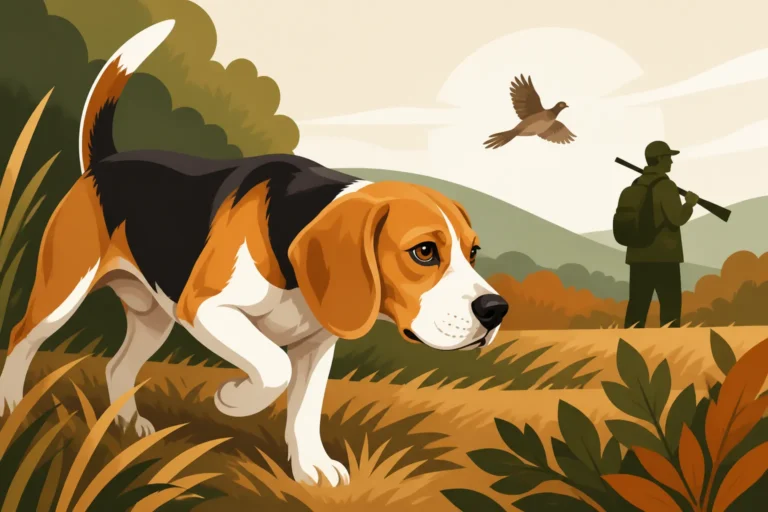
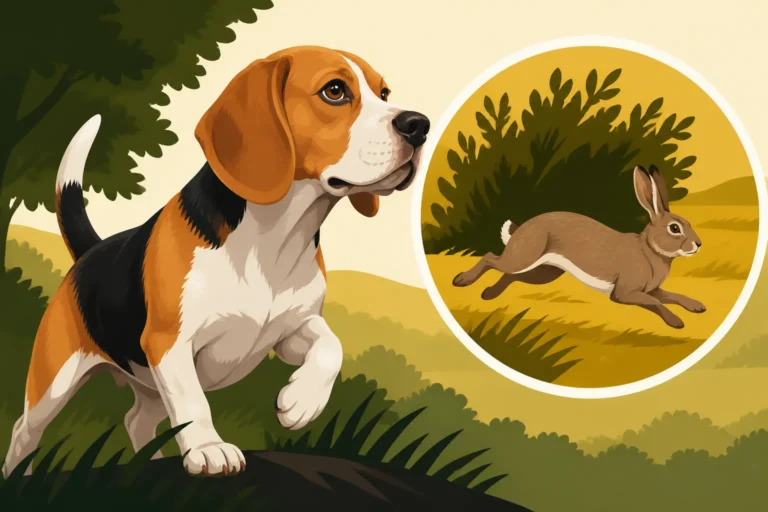
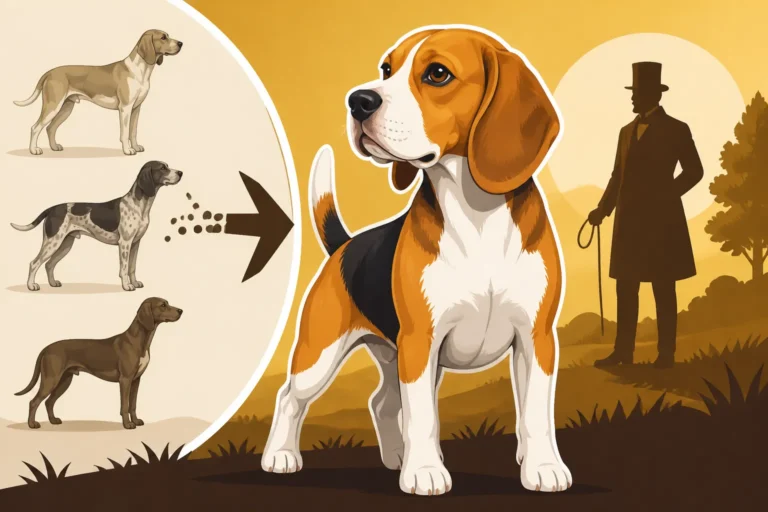
Imagine the English countryside centuries ago, with packs of Beagles working through dense underbrush and fields, hot on the trail of a rabbit or hare. These dogs needed to be agile, compact, and built for endurance, not speed. A larger, taller hound might struggle to navigate tight spaces, push through thickets, or keep a low center of gravity while tracking over uneven ground. Their shorter legs and sturdy bodies were perfectly adapted for this very specific type of pursuit, where persistent, nose-to-the-ground work was paramount. This legacy is why the standard is so strict on physical attributes; it’s a living testament to their original job. The physical attributes, including height, were directly tied to their effectiveness in the field. The Beagle From English Rabbit Packs to American Homes delves deeper into this fascinating history.
Form Dictates Function
Every aspect of a Beagle's conformation, from its long, droopy ears that help cup scent to its powerful hindquarters, is about maximizing its abilities as a scent hound. The acceptable height range is no different. A Beagle that is too tall might lose some of that critical ground-scenting advantage, having to stoop more or having its nose further from the scent trail. It might also have a different gait, less suited to the sustained, methodical tracking that was their hallmark. The standard seeks to preserve this perfect balance of form and function. When you look at a Beagle, you're not just seeing a cute face; you're seeing centuries of intentional breeding for a specific purpose, and the height limits reflect that deep-seated heritage.
Understanding the Two Beagle Varieties
The American Kennel Club (AKC) breed standard for Beagles actually recognizes two distinct varieties, primarily differentiated by height. This isn't unique to Beagles; other breeds also have size varieties, but for Beagles, it's a fundamental aspect of their show classification. Understanding these two varieties is key to grasping why exceeding fifteen inches leads to disqualification.
The Thirteen-Inch Standard
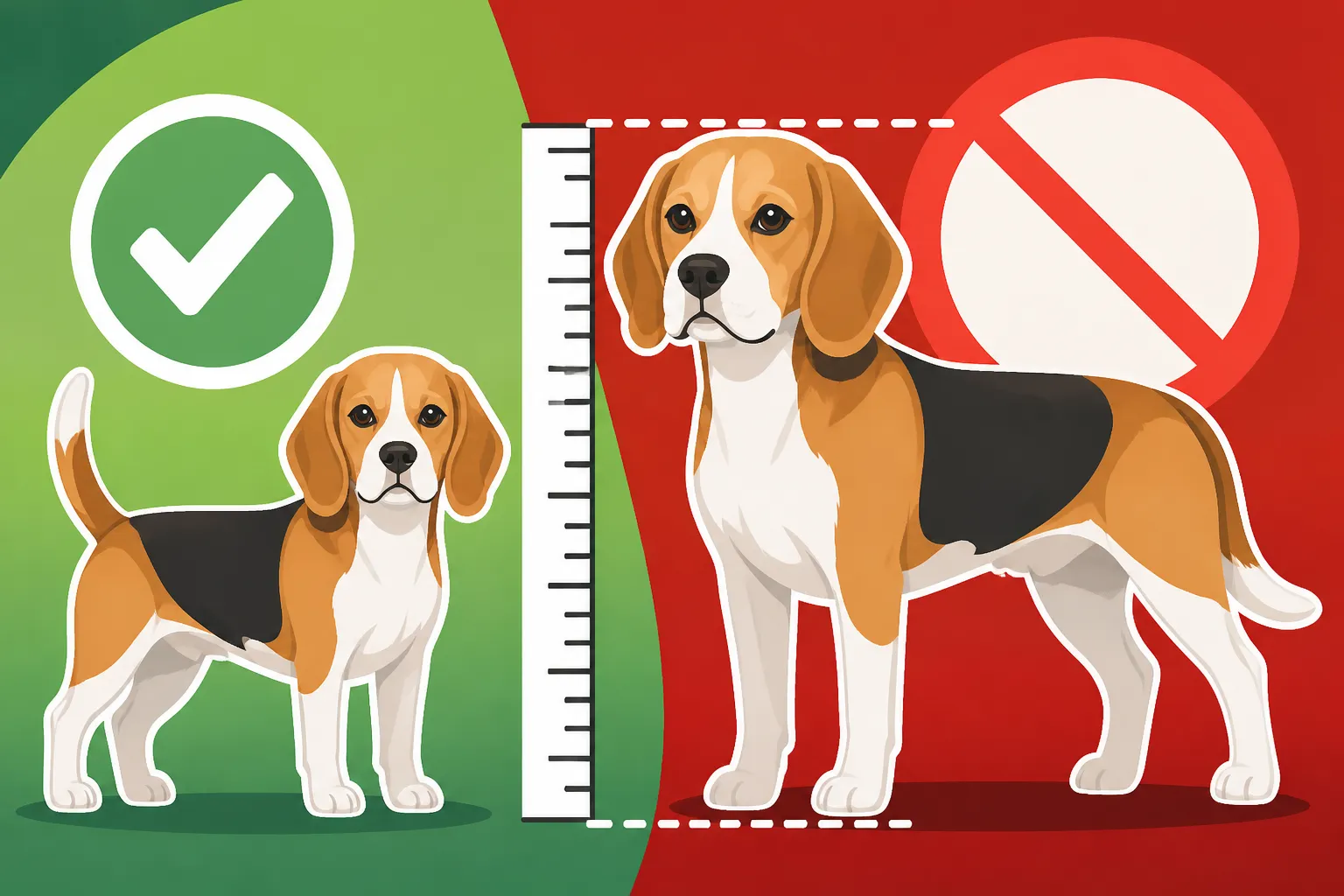
The first variety is for Beagles "not exceeding 13 inches" in height. These are often referred to as "13-inch Beagles," and they are measured from the highest point of the shoulder blade (the withers) to the ground. This smaller stature makes them incredibly adept at navigating challenging terrain, darting through dense cover, and working in close packs. Historically, these smaller Beagles were highly prized for hunting smaller game like rabbits, where their diminutive size was a distinct advantage. Their compact build means they often have a slightly different weight range too, usually staying under 20 pounds, though the standard is silent on weight, focusing purely on height. You can learn more about this specific size in The Thirteen Inch Beagle Variety.
The Fifteen-Inch Standard
The second recognized variety is for Beagles "over 13 inches but not exceeding 15 inches" in height. These are the "15-inch Beagles." While slightly larger than their 13-inch counterparts, they still possess all the essential Beagle qualities: strong scenting ability, merry temperament, and robust build. They might be used for slightly larger game or in areas with less dense cover, but their fundamental purpose remains the same. Like the 13-inch variety, their height is strictly measured at the withers. A typical 15-inch Beagle might weigh anywhere from 20 to 30 pounds, but again, it's the height that dictates the variety in the show ring. The Fifteen Inch Beagle Variety offers more details on this variety.
How Beagles Are Measured in the Ring
Measuring a Beagle for conformation shows is a precise process. The judge uses a wicket, which is essentially a calibrated measuring stick. The Beagle stands on a flat surface, usually on a grooming table, and the judge places the wicket over the dog's shoulders. The measurement is taken at the highest point of the withers – the ridge between the shoulder blades – down to the ground. The dog must be standing naturally, not slouched or stretched. If a Beagle measures even a fraction over fifteen inches, it's a disqualification. This strict adherence ensures fairness and upholds the breed standard. It's not about making a dog "perfect," but ensuring it falls within the established parameters for its variety.
Here's a quick comparison of the two recognized varieties:
| Feature | 13-inch Variety | 15-inch Variety | Disqualification |
|---|---|---|---|
| Height | Not exceeding 13 inches at the withers | Over 13 inches, but not exceeding 15 inches | Over 15 inches |
| Purpose | Smaller game, dense cover, highly agile | Slightly larger game, varied terrain | Deviates from historical function |
| Build | Compact, sturdy, well-muscled | Sturdy, well-muscled, slightly longer stride | May impact agility, stamina, traditional gait |
| Show Class | Competes against other 13-inch Beagles | Competes against other 15-inch Beagles | Cannot compete |
The Impact of Size on a Beagle's Work
The core reason for the height restriction goes back to utility. Beagles were working dogs, and their physical structure, including their size, was honed over generations to excel at their job. A Beagle significantly outside the established height range would simply not be as effective in the field, and thus, not a true representation of the breed's intended function.
Navigating Terrain and Cover
Imagine a Beagle, built low to the ground, pushing its way through thick brambles and dense undergrowth in pursuit of a scent. Their compact, muscular bodies are perfectly designed for this. A taller dog, one exceeding fifteen inches, might find itself snagging on branches, struggling to push through thickets, or even losing its footing more easily in uneven terrain. They could be less agile, less able to make quick turns or duck under obstacles. This natural ability to move efficiently through challenging environments is a cornerstone of the Beagle's hunting heritage. The height ensures they remain effective in the type of terrain they were bred to work in, maintaining that low center of gravity.
The Stamina for a Long Chase
Beagles are renowned for their incredible stamina. They might not be sprinters, but they can track a scent for hours, often covering many miles in a single hunt. This endurance is partly a function of their balanced, sturdy build, which allows for efficient movement without excessive strain. A dog that is too tall, or proportioned differently, might not have the same gait or physical resilience. Its body could be more prone to injury during prolonged exertion, or it might simply tire more quickly. The breed standard, by limiting height, inadvertently supports the preservation of this essential endurance. Keeping a Beagle fit and at a healthy weight, with proper nutrition found at places like Chewy, is crucial for maintaining this stamina, whether they are working in the field or just enjoying a long sniffy walk.
Judging a Beagle: More Than Just Appearance
While it might seem like show judging is all about superficial beauty, for true breed enthusiasts, it's about preserving the integrity and capabilities of the breed. Disqualifications for height are not just about aesthetics; they are about maintaining the blueprint that makes a Beagle a Beagle.
Disqualification as a Breed Preservation Tool
Disqualifications serve as a vital mechanism for ensuring that breeding programs adhere to the established standard and, by extension, preserve the breed's original purpose and health. If height standards were relaxed, breeders might inadvertently (or intentionally) start producing Beagles that are taller, perhaps to achieve a certain "look" or for some perceived advantage. Over generations, this could lead to a significant divergence from the historic Beagle type, potentially impacting their health, temperament, and ability to perform their traditional role. Disqualifications are the guardrails that keep the breed true to itself. This rigorous approach helps maintain the uniformity and predictability of the breed's characteristics. The National Beagle Club Health Recommendations also emphasize adherence to the standard for the overall health of the breed.
The Breeder's Responsibility to the Standard
Reputable Beagle breeders take the breed standard very seriously. They are stewards of the breed, tasked with producing healthy, well-tempered Beagles that conform as closely as possible to the ideal. This means carefully selecting breeding stock, understanding pedigrees, and even performing health screenings like those covered in Beagle Health Testing Under CHIC. When a breeder’s Beagle puppy consistently grows beyond the 15-inch limit, it signals that perhaps there are genetic lines contributing to undesirable height. While these larger Beagles can still make wonderful pets, a responsible breeder understands that they should not be part of a breeding program aiming to produce show-quality or standard-conforming offspring. It's a commitment to the future of the breed, not just the success of one individual dog.
Beyond the Show Ring: What Disqualification Means for a Companion Beagle
It's important to remember that a show ring disqualification for height doesn't diminish a Beagle's value as a beloved family companion. For the vast majority of Beagle owners, whether their dog measures 14 inches or 16 inches is completely irrelevant to the joy and companionship they bring.
A Companion's Value Beyond the Standard
Your Beagle's worth is measured in tail wags, sloppy kisses, and shared adventures, not inches. If your Beagle is a little taller than 15 inches, they are no less a Beagle in your heart and home. They still possess that incredible nose, that merry disposition, and that enduring stubbornness we all know and love. The breed standard applies specifically to dogs intended for conformation showing and breeding to perpetuate those specific traits. For a pet Beagle, a loving home, good food (maybe from Chewy!), regular exercise, and proper veterinary care are far more important than their exact height. Don't let a "disqualification" in the show world make you feel your dog is anything less than perfect.
Health Considerations and Size
While being slightly over the 15-inch limit won't automatically cause health problems, extreme deviations from a breed's standard size can sometimes be associated with health concerns. For Beagles, a dog that is significantly oversized might put more strain on its joints, particularly if it's also overweight. Larger dogs, in general, can have different growth plate closure times and sometimes different susceptibility to certain orthopedic conditions. However, for a Beagle that is just a bit over 15 inches, the health implications are typically minimal, especially if the dog is otherwise well-proportioned and kept at a healthy weight. Beagle Obesity Treated as a Health Problem emphasizes the importance of managing weight for any Beagle, regardless of its height. Focus on keeping your Beagle active, feeding them a balanced diet, and ensuring they get regular vet check-ups, and their slight height variation will likely be a non-issue.
Remember, the breed standard is a guide, a goal for breeders and a historical record of the breed's original purpose. For the everyday Beagle owner, your dog's unique personality and the bond you share are what truly matter.
Disclaimer
This article is for general informational purposes only and does not constitute professional advice. Laws, prices and regulations vary by location and change over time. Consult a qualified professional for guidance on your specific situation.