How Beagle Weight Presses on the Spine
It's a truth universally acknowledged in the Beagle-owning world: these merry hounds love to eat. And while their boundless enthusiasm for food is endearing, it can quickly lead to extra pounds that put a silent, relentless strain on their bodies, particularly their unique spinal structure. Seeing your once-agile Beagle hesitate before jumping onto the sofa or moving a little stiffer after a long nap can be heart-wrenching, and often, that subtle shift points directly to the weight they're carrying. This guide will walk you through exactly how excess weight impacts your Beagle's spine, how to spot the early warning signs, and most importantly, what practical steps you can take to protect their back and keep them bouncing for years to come.
The Anatomy of a Beagle's Spine and Why Weight Matters
Beagles are robust little dogs, built for endurance and following a scent trail for miles. But beneath that sturdy exterior, they have a spinal structure that can be surprisingly vulnerable, especially when it's forced to bear more weight than it's designed for. Understanding this underlying anatomy is the first step in truly appreciating the impact of obesity.
The Beagle's Unique Spinal Structure
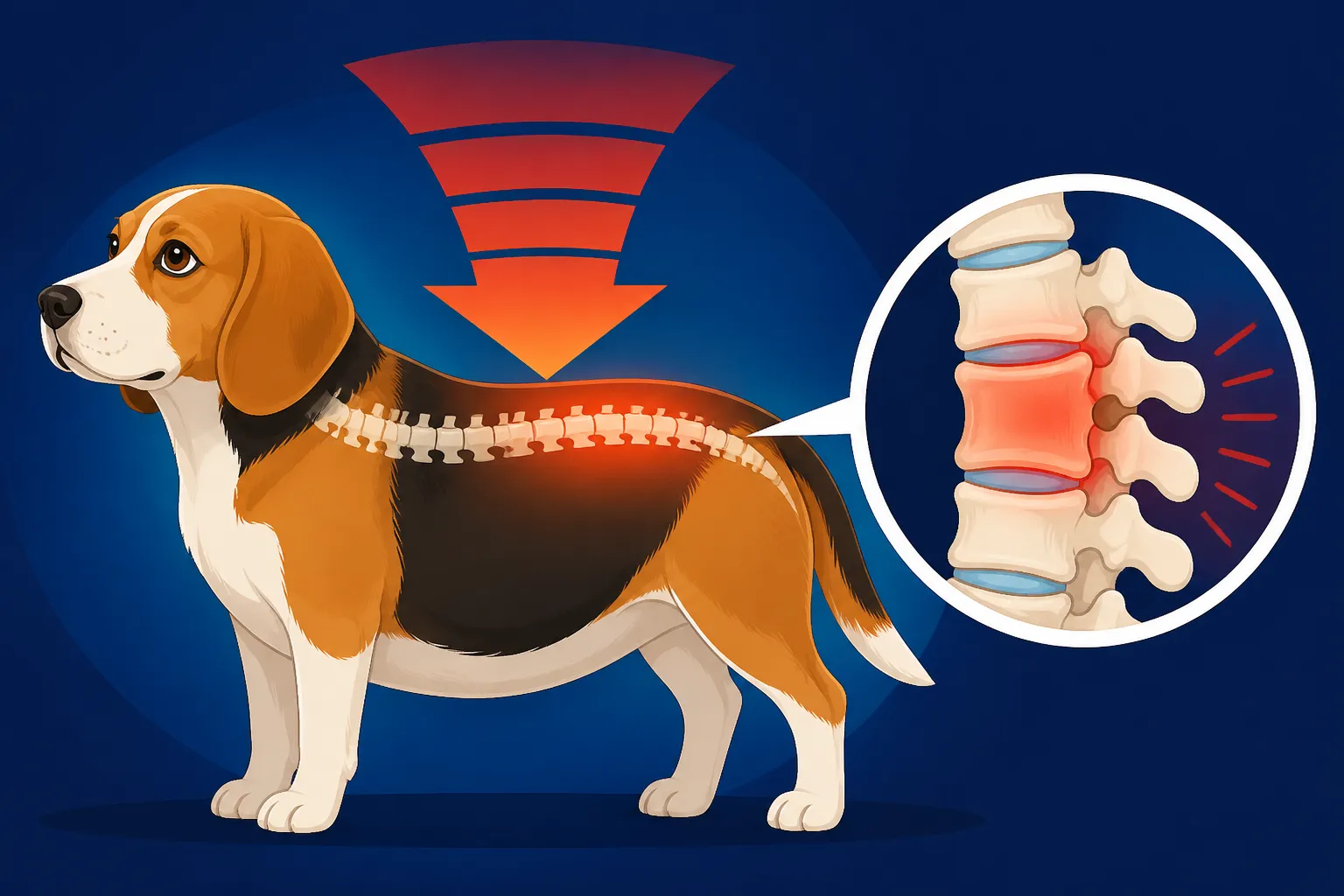
Think about your Beagle's profile – they have a fairly level topline, but often, their overall length relative to their height can put a bit more pressure on the intervertebral discs. These discs are essentially fluid-filled cushions nestled between each vertebra, acting as shock absorbers. They allow for flexibility and protect the spinal cord. In Beagles, like some other breeds, these discs can be prone to degeneration over time, a condition known as Intervertebral Disc Disease (IVDD). While not every Beagle will suffer from Beagle Back Problems and Intervertebral Disc Disease, their anatomy does lend itself to it, and adding extra weight exacerbates any inherent weaknesses.
Imagine a stack of slightly spongy donuts with jelly in between – that’s a bit like a healthy spine. Now imagine increasing the load on that stack. The jelly is forced to compress, and the donut walls are under more strain. This is what happens with your Beagle's discs. Their back isn't inherently "long" like a Dachshund's, but the demands of their active, sniffing lifestyle, combined with a predisposed disc structure, mean that maintaining an ideal weight is paramount for spinal health. Even subtle twists and turns that a lean Beagle handles easily can become problematic for one carrying extra pounds.
How Excess Weight Increases Spinal Stress
When your Beagle carries extra weight, it's not just a cosmetic issue; it's a significant mechanical burden on their entire musculoskeletal system, but especially their spine. The added pounds create constant, abnormal pressure on those crucial intervertebral discs. This constant compression can accelerate the degeneration of the discs, making them less resilient and more prone to bulging or rupturing. A bulging disc can press on the spinal cord, causing pain, weakness, and in severe cases, even paralysis.
Beyond the direct pressure, excess weight also strains the muscles and ligaments that support the spine. These structures are constantly working harder to stabilize a heavier body, leading to fatigue, inflammation, and reduced support over time. This can create a vicious cycle: the pain and stiffness from spinal strain make your Beagle less willing to exercise, leading to further weight gain and increased spinal stress. It's a frustrating situation that many owners unknowingly contribute to, simply because Beagles are so notoriously good at convincing us they're still hungry! We might think a little extra food is harmless, but for their spine, it's a significant daily stressor. Understanding How Extra Weight Raises Beagle Disc Pressure is critical.
Recognizing the Signs of Weight-Related Spinal Strain
Beagles are famously stoic, and sometimes, the signs of discomfort can be subtle. They're often so driven by their nose and their desire to be with their people that they might try to push through pain. As their primary caregivers, it’s our job to be keenly observant and catch these clues early before they escalate into more serious problems.
Subtle Behavioral Changes You Might Miss
One of the first indications that your Beagle might be experiencing spinal discomfort due to weight is a change in their usual enthusiastic behavior. Do they still bound off the couch with the same gusto, or do you notice a slight hesitation, a more careful descent? Perhaps they used to leap into the car without a second thought, and now they wait for assistance or struggle a bit. These aren't just signs of "getting older"; they can be early whispers of spinal strain. A Beagle who suddenly seems reluctant to play rough, or who doesn't greet you at the door with quite the same bouncy energy, might be trying to tell you something.
You might also observe changes in their posture when resting or standing. Are they holding their head a little lower than usual, or perhaps sitting oddly? They might be trying to alleviate pressure on their back or neck. If you notice your Beagle taking longer to settle down or shifting positions frequently, it could indicate they're struggling to find a comfortable position free from pain. Pay attention during your walks too; a dog with a sore back might take shorter strides, seem less enthusiastic about sniffing (hard to imagine for a Beagle!), or even develop a slight limp that comes and goes. This slow down can easily be mistaken for laziness or just age, but it's important to dig deeper. If your Beagle is showing Early Beagle Disc Signs Long Before Paralysis, it's time to act.
Physical Indicators of Back Discomfort
Beyond behavioral shifts, there are physical indicators that your Beagle's spine might be feeling the pressure of excess weight. One of the most telling signs is sensitivity to touch along their back or neck. Gently run your hands down their spine – do they flinch, yelp, or try to move away? Does any part of their back feel tense or unusually hard to the touch? A good indicator is when they resist being picked up, or vocalize when you try to lift them. This can be especially frustrating if your Beagle used to love being held.
Another clue can be changes in their gait or coordination. An overweight Beagle with spinal issues might develop a wobbly walk, particularly in their hindquarters. They might stumble more frequently, or their back legs might seem weaker. You might even notice muscle loss over their back or hind legs, even if they're otherwise overweight, as they try to shift weight away from painful areas. Keep an eye out for any persistent shivering or trembling, especially after activity, as this can be a sign of pain. If you suspect your Beagle is experiencing Beagle Neck Pain and a Head Held Low, a vet visit is absolutely in order to rule out serious conditions.
Practical Steps to Manage Your Beagle's Weight and Protect Its Back
The good news is that weight management is often within your control, and making changes can significantly improve your Beagle's comfort and spinal health. It requires consistency, dedication, and a bit of a re-evaluation of feeding habits, but the payoff for your beloved hound is immense.
Tailoring Diet for Spinal Health
The cornerstone of managing your Beagle’s weight is a controlled, appropriate diet. Beagles are notoriously food-driven, which means free-feeding is almost always a recipe for obesity. Instead, precisely measure their food for each meal. Work with your veterinarian to determine the ideal daily calorie intake for your Beagle's target weight and activity level. Many owners find success with weight management formulas, readily available through online retailers like Chewy, which often provide detailed nutritional information and ingredients designed to promote satiety. Look for foods that are higher in protein and fiber, and lower in fat and simple carbohydrates, to help your Beagle feel full without consuming excess calories.
Consider spreading your Beagle's daily allowance across two or even three smaller meals. This can help manage their hunger throughout the day and prevent them from feeling deprived. Instead of high-calorie treats, opt for low-calorie alternatives like small pieces of cooked green beans, carrots, or even just a single piece of their regular kibble used as a reward. For a more personalized approach, fresh food services like Ollie can portion meals specifically for your Beagle's ideal weight and activity level, taking the guesswork out of calorie counting and ensuring a balanced diet. Using slow feeder bowls, which you can easily find on Amazon, can also help your Beagle eat more slowly, feel fuller, and reduce the risk of bloating. Remember, consistency is key, and every family member needs to be on board with the new feeding plan. Ignoring their pleading eyes is hard, but it's for their own good!
Exercise Regimens That Support, Not Strain, the Spine
While diet is crucial, appropriate exercise is equally vital for weight management and strengthening the muscles that support your Beagle's spine. However, it's not about letting them run wild; it’s about controlled, low-impact activities that build strength without putting excessive strain on their back. Daily leash walks are fundamental. Focus on consistent, moderate-length walks that allow for plenty of sniffing opportunities – this mental stimulation is just as tiring as physical exertion for a Beagle. Sniffing walks engage their powerful nose and mind, providing enrichment without high-impact stress.
Avoid activities that involve a lot of jumping, twisting, or sharp turns, as these can put undue pressure on compromised discs. This means rethinking intense fetch sessions where they launch themselves into the air or agility training that involves hurdles if they are already overweight or showing signs of back pain. Instead, consider introducing them to canine scent work or nose work classes. These activities leverage their natural talents and provide excellent mental and moderate physical exercise without excessive impact. Swimming, if your Beagle enjoys it and you ensure safety, can also be a fantastic low-impact exercise that strengthens core muscles without weight-bearing strain. Gradually increase the duration and intensity of exercise, always watching for any signs of discomfort or fatigue. Beagle Obesity Treated as a Health Problem isn't just about diet; it's about movement too.
Environmental Adjustments to Reduce Spinal Impact
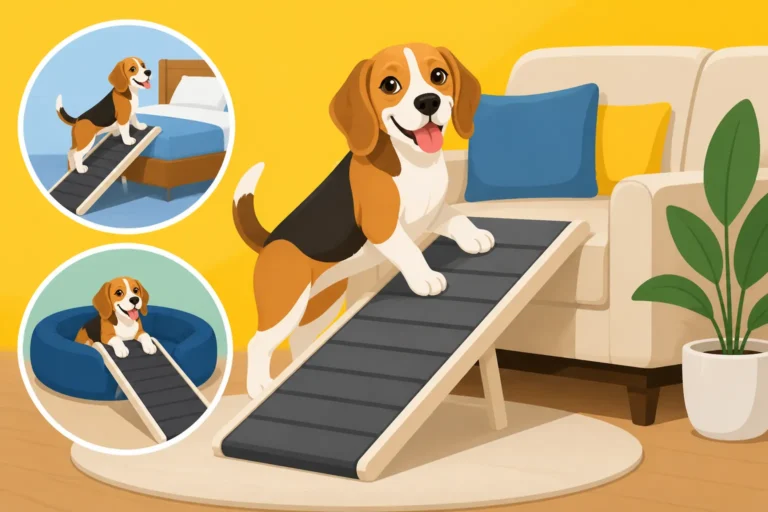
Your home environment can either exacerbate or alleviate the strain on your Beagle’s spine. Small, thoughtful adjustments can make a big difference, especially for an overweight Beagle or one already experiencing some back discomfort. The repeated impact of jumping off furniture or scrambling into and out of vehicles can be detrimental over time. Investing in pet ramps, easily found on Amazon, for couches, beds, or cars can significantly reduce the strain on their back and joints. Teach your Beagle to use these ramps consistently – it might take a little patience and some high-value treats, but it’s worth the effort.
When lifting your Beagle, always support their body properly. Avoid lifting them by their front legs or under their chest, which leaves their hindquarters dangling and can twist their spine. Instead, use one arm to support their chest and front legs, and the other arm to support their hindquarters, keeping their back straight and level. For Beagles prone to disc issues, a harness is always preferable to a collar, as it distributes pressure across their chest and shoulders rather than concentrating it on their neck, which is part of the spine. Consider an orthopedic bed for resting, as it provides better support for their joints and spine compared to thin, unsupportive cushions. These seemingly small changes, detailed further in Ramps and Steps That Protect a Beagle Spine, can add up to a significant protective measure for your Beagle.
Long-Term Prevention and Veterinary Partnership
Protecting your Beagle's spine from the adverse effects of weight isn't a one-time fix; it's an ongoing commitment. This means regular monitoring, staying proactive, and maintaining a close relationship with your veterinarian.
Regular Weight Monitoring and Body Condition Scoring
Consistent monitoring of your Beagle's weight is paramount for long-term spinal health. Don't just rely on the scale; learn to body condition score your dog. This involves visually assessing and physically feeling your Beagle to determine if they are at an ideal weight. You should be able to easily feel, but not necessarily see, their ribs without a thick layer of fat over them. When viewed from above, your Beagle should have a visible waistline, and their abdomen should tuck up slightly when viewed from the side. If you can't feel their ribs, or they look round and barrel-chested, they are likely overweight.
Keep a log of your Beagle's weight and body condition score. This helps you catch any creeping weight gain early and allows for timely dietary or exercise adjustments. Many vet clinics have scales available for public use, so you can pop in for a quick weight check between appointments. This proactive approach helps prevent Beagle Obesity and Arthritis Arriving Together and other related health issues. Regularly feeling your dog's spine and ribs also helps you become more attuned to their body, potentially noticing any tenderness or discomfort earlier.
When to Seek Veterinary Advice for Spinal Concerns
Even with the best preventative care, issues can arise, and knowing when to seek professional veterinary advice is crucial. If you notice any of the more severe signs of spinal discomfort – sudden lameness, significant weakness in the hind legs, difficulty walking or standing, severe pain when touched, or any changes in bladder or bowel control – do not delay. These could indicate a serious spinal injury or neurological issue that requires immediate veterinary attention.
Your veterinarian is your most valuable partner in managing your Beagle's weight and spinal health. They can help you establish an accurate ideal weight, recommend appropriate diets, and discuss safe exercise plans. They can also perform thorough examinations to assess the health of your Beagle's spine and suggest diagnostic tests if a problem is suspected. If your Beagle is showing signs of back pain, they can recommend pain management strategies, physical therapy, or other treatments. Early intervention is key, especially with conditions like Beagle Disc Disease and That Slightly Long Back. Don't hesitate to reach out to them with any concerns about your Beagle's mobility or comfort, no matter how small they may seem.
Body Condition Score for Beagles
A quick guide to assessing your Beagle's weight, keeping in mind their breed characteristics.
| Score | Description | Visual Check | Palpation (Feel) Check | Recommendation |
|---|---|---|---|---|
| 1-2 | Too Thin | Ribs, spine, pelvic bones easily visible from distance. | No fat, bones very prominent. | Increase calories, vet check-up. |
| 3 | Ideal/Lean | Ribs easily felt, slight waist visible. Abdominal tuck. | Ribs palpable with minimal fat. | Maintain current diet and exercise. |
| 4 | Overweight | Ribs palpable with difficulty. Minimal waist or no tuck. | Ribs palpable but covered by moderate fat. | Reduce calories, increase controlled exercise. |
| 5 | Obese | Ribs not palpable under thick fat. No waist or tuck. | Heavy fat cover. Difficult to feel ribs or spine. | Significant calorie reduction, vet supervision. |
Disclaimer
This article is for general informational purposes only and does not constitute professional advice. Laws, prices and regulations vary by location and change over time. Consult a qualified professional for guidance on your specific situation.