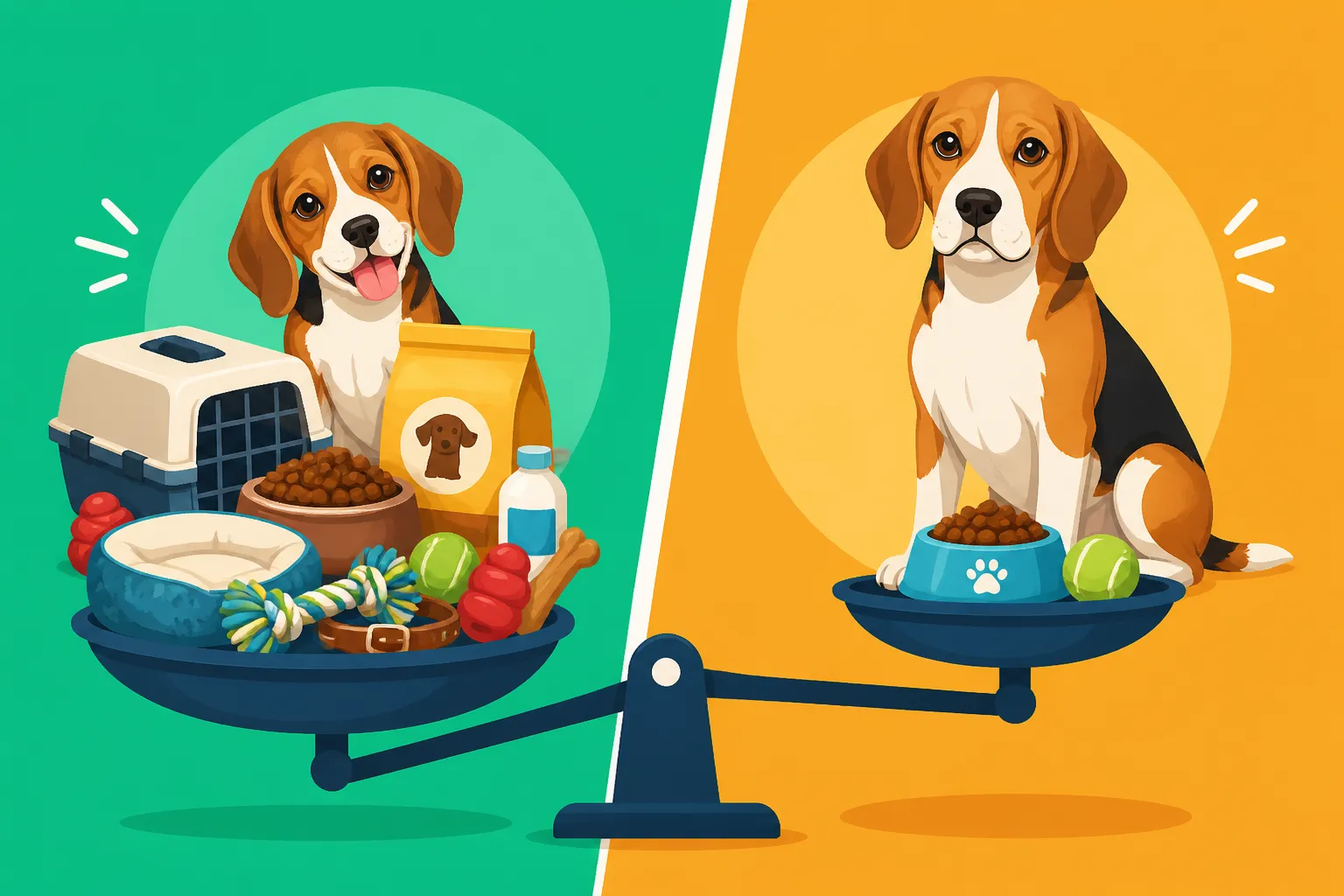
Beagle Costs in the First Year Against the Tenth
Bringing a Beagle into your home is an absolute joy, but many new owners don't realize just how much the financial landscape of owning one of these merry hounds can change over time. You might budget meticulously for that adorable puppy, only to find yourself blindsided by different, often higher, costs as your beloved companion reaches their golden years. This guide will walk you through the distinct financial phases of a Beagle's life, comparing the significant expenses you'll face in their first year with the often more complex and potentially higher bills that come around their tenth birthday, helping you plan for a full and happy life together.
Understanding the Shifting Sands of Beagle Ownership Costs
It’s easy to think of pet ownership as a fairly static expense once you get past the initial puppy stage, but with a Beagle, that's rarely the case. Their lively, curious nature means different demands at different ages, and their propensity for certain health conditions can shift your budget dramatically. From the essential vaccinations and spay/neuter surgery in their youth to specialized diets and potential medical interventions in their senior years, the financial curve of Beagle ownership isn't a straight line. It's more like a gentle climb that steepens significantly at both ends of their life.
The Initial Investment Versus Ongoing Maintenance
The cost of acquiring your Beagle is just the tip of the iceberg. Whether you're getting a puppy from a reputable breeder or adopting from a rescue, there's an immediate outlay that covers their purchase or adoption fee, initial vet visits, and all the gear they need to settle in. This often feels like a huge chunk of change all at once. Then, as they mature, the costs become more about consistent monthly outgoings – food, parasite prevention, routine vet checks, and replacing worn-out toys. However, these regular costs often lull us into a false sense of security, making the sudden spikes in senior care feel even more daunting.
Why Planning for Longevity Matters
Beagles are known for their relatively good health and often live a good, long life, frequently reaching the twelve to fifteen year range. This is wonderful news for anyone who cherishes their furry family member, but it also means planning for a substantial financial commitment. Ignoring the potential for rising costs in their later years is a common mistake that can lead to difficult decisions down the line. Understanding how costs like Beagle Medical Costs for Epilepsy and Thyroid Disease or specialized senior care factor into a long lifespan is crucial for responsible ownership.
The First Year Frenzy: High Initial Costs and Puppy Needs
Ah, that first year with a Beagle puppy! It’s a whirlwind of tiny paws, endless energy, and yes, quite a few expenses. The initial investment often feels like a significant hurdle, but it's largely predictable once you know what to expect.
Acquisition and Setup Costs
Bringing your puppy home involves several one-time or infrequent costs that hit hard in the first few months. This includes the purchase price from a breeder, which can vary widely based on pedigree, health testing, and location, or the adoption fee from a rescue organization. You'll also need a crate, a comfortable bed, bowls, a harness, a leash, and an assortment of chew toys to keep those sharp puppy teeth busy. Many first-time owners are surprised by the sheer volume of supplies needed right away, from puppy pads to grooming tools like a soft brush and ear cleaner. Companies like Chewy can be a great resource for getting all these initial supplies delivered right to your door.
You might find yourself budgeting for What a Beagle Puppy Costs From a Breeder or considering the costs associated with a Beagle Adoption Fees From $100 to $300. Beyond the initial acquisition, you’re looking at microchipping, city licensing fees, and potentially puppy classes. These early investments set the stage for a well-adjusted dog, but they definitely add up quickly.
Essential Puppy Healthcare
The first year is packed with veterinary visits. Your puppy will need a series of vaccinations, deworming treatments, and regular check-ups to ensure they’re growing well and free of parasites. Then there's the critical step of spaying or neutering, which is a major surgical expense. Many vets recommend these procedures before your Beagle reaches their first birthday. Don't forget year-round parasite prevention for fleas, ticks, and heartworm; this starts early and becomes an ongoing monthly cost.
A breakdown of first-year healthcare:
- Initial Vet Visits: Multiple appointments for health checks, deworming, and vaccine series.
- Vaccinations: Distemper, parvovirus, adenovirus, parainfluenza, rabies.
- Spay/Neuter Surgery: A significant one-time cost, often including pre-anesthetic bloodwork and pain medication.
- Parasite Prevention: Monthly or quarterly medication for fleas, ticks, and heartworm.
- Microchipping: Usually a one-time fee, often done during spay/neuter.
Food, Training, and Enrichment
Beagle puppies grow rapidly, which means they need high-quality puppy food, often fed three or four times a day initially, then transitioning to twice daily. While smaller than some breeds, their legendary appetites mean they can consume a fair amount, so factor in a consistent food budget. Beyond sustenance, training is paramount in the first year. Whether you opt for group classes or private sessions, Beagle Training Class Fees are a smart investment. It’s during this time you’ll be teaching them crucial behaviors like recall, leash manners, and appropriate socialization. Mental enrichment is also key; puzzle feeders, safe chew toys, and varied walks become important to burn off that boundless puppy energy.
The Tenth Year Turn: Embracing Senior Care and Unpredictable Expenses
Fast forward to year ten, and your Beagle is likely entering their senior years. While their puppy exuberance might have mellowed, the financial demands can often become more substantial and less predictable, largely driven by health concerns.
Increased Veterinary Care
As Beagles age, just like people, they become more susceptible to a range of health issues. This means more frequent vet visits – often twice a year instead of annually – for senior wellness exams and blood panels to catch problems early. You might be facing bills for conditions like arthritis, dental disease, or even more serious ailments. For instance, Beagle Hip Dysplasia and Everyday Joint Wear can become more pronounced, requiring pain management or supplements. Beagle Cancer Risks That Rise With Age also become a sobering reality, often leading to diagnostics, treatments, or specialist consultations that carry significant price tags.
A senior Beagle's vet care might include:
- Bi-Annual Senior Wellness Exams: More frequent check-ups to monitor overall health.
- Blood Panels and Urinalysis: Routine screenings for kidney, liver, and thyroid function.
- Medications: Daily medications for pain, heart conditions, thyroid issues, or other chronic illnesses.
- Specialty Consultations: Visits to veterinary specialists (e.g., ophthalmologist for Beagle Cherry Eye and Glaucoma, orthopedist for joint issues).
- Dental Care: More frequent or complex dental cleanings, potentially with extractions. Beagle Dental Disease and Tartar Buildup is a common issue that needs proactive care.
Specialized Diets and Supplements
The energetic, food-driven Beagle of its youth might now require a specially formulated senior diet. These diets are often lower in calories to prevent obesity in less active dogs, or designed to support joint health, kidney function, or other age-related needs. These specialized foods can be more expensive per bag than regular adult kibble. Furthermore, many senior Beagles benefit from supplements – glucosamine for joints, omega-3s for cognitive function and coat health, or even specific prescription diets available through your vet. Brands like Ollie, known for fresh, customized pet food, can cater to these specific dietary requirements, though often at a higher cost than traditional kibble.
Comfort and Accessibility Aids
Your senior Beagle might not be jumping onto the couch with the same ease they once did. This is where comfort and accessibility aids come into play. Ramps for the car or bed, orthopedic beds, or even specialized slings to help with mobility can become necessary expenses. While these might not be daily costs, they are significant investments that improve your senior Beagle’s quality of life. Thinking about Ramps and Steps That Protect a Beagle Spine isn't just about preventing injury, it's about making their world comfortable as their body changes.
Smart Budgeting: Preparing for a Beagle's Full Lifespan
Understanding the shifting costs is one thing, but actively preparing for them is another. Proactive financial planning can save you a lot of stress and ensure your Beagle always gets the care they need, regardless of their age.
Building an Emergency Fund
One of the most crucial steps you can take is to build an emergency fund specifically for your Beagle. Think of it as a safety net for unexpected health crises, accidents, or sudden illnesses. This fund can cover anything from an emergency vet visit after they've eaten something they shouldn't to diagnostics for a sudden lameness. While it’s hard to predict exactly when you’ll need it, having these funds readily available means you can make decisions based on your Beagle’s best interest, not just your wallet.
Pet Insurance: A Lifeline for Lingering Illnesses
Pet insurance is a game-changer for many owners, especially as their Beagles age. While you’ll pay a monthly premium, it can provide significant financial relief if your senior Beagle develops a chronic condition or requires expensive surgery. It’s important to research policies carefully, understanding deductibles, reimbursement percentages, and what's covered for hereditary or chronic conditions. Ideally, you’d secure a policy when your Beagle is young and healthy, before any pre-existing conditions are noted. Companies like Healthy Paws offer various plans, and comparing them early can make a huge difference in covering future Beagle Medical Costs for Epilepsy and Thyroid Disease. Remember to check what a Beagle Insurance Policy Leaves Out before committing.
Comparing Beagle Ownership Costs: Year 1 vs. Year 10
To give you a clearer picture, here's a general comparison of common cost categories between a Beagle's first year and its tenth year. Remember, specific figures vary wildly, so these are illustrative of the types and relative magnitudes of expenses.
| Cost Category | First Year (Puppy) | Tenth Year (Senior) | Notes |
|---|---|---|---|
| Acquisition/Adoption | High one-time cost | N/A (unless adopting a senior dog) | For puppies, this is the initial hurdle. For seniors, this cost is usually absent or a lower adoption fee. |
| Initial Setup | Moderate one-time costs (crate, bed, bowls, leash, toys) | Lower, mostly replacement costs for worn items | You're stocking up from scratch for a puppy. For seniors, you might upgrade bedding or add mobility aids. |
| Vet Visits | High (multiple vaccine series, deworming, spay/neuter) | High (bi-annual wellness, diagnostics, potentially specialists, chronic meds) | Puppy visits are frequent but mostly preventative. Senior visits are less frequent but often involve more complex diagnostics and ongoing treatments. |
| Food | Moderate (puppy formula, frequent feeding) | Moderate to High (specialized senior/prescription diets, supplements) | Puppy food supports rapid growth. Senior food often caters to specific health needs, which can be pricier. |
| Training | Moderate (classes, private sessions) | Low to Moderate (refresher training, management for age-related issues) | Crucial for puppy development. Less intensive for seniors, focusing on maintaining existing skills or adapting to new limitations. |
| Grooming/Supplies | Low to Moderate (brushes, ear cleaner, shampoo) | Low to Moderate (same, possibly more ear care for Beagle Ear Infections Under Those Long Ears) | Fairly consistent, but older Beagles might need more frequent ear care or nail trims if less active. |
| Preventative Meds | Moderate (monthly flea/tick/heartworm) | Moderate (ongoing monthly flea/tick/heartworm) | Consistent throughout life for most Beagles, though doses may change with weight. |
| Unexpected Costs | Moderate (minor injuries, swallowed items) | High (chronic illnesses, major surgeries, emergency care) | Puppies are prone to minor mishaps. Seniors face higher risks of serious, expensive medical conditions. This is where Emergency Vet Costs Every Beagle Owner Should Expect become very real. |
| Insurance Premiums | Moderate (if started early, lower initial rates) | Moderate to High (rates increase with age, potential for higher claims) | Starting insurance young keeps premiums lower and avoids pre-existing condition exclusions. Rates will naturally rise as your Beagle ages. |
Ultimately, owning a Beagle for their full Beagle Lifespan and the Twelve to Fifteen Year Range is an incredible privilege, but it's one that requires thoughtful financial preparation. By understanding how the costs shift from that first bouncy year to the quieter, more medically complex tenth year, you can ensure your beloved companion receives the best possible care for their entire life.
Disclaimer
This article is for general informational purposes only and does not constitute professional advice. Laws, prices and regulations vary by location and change over time. Consult a qualified professional for guidance on your specific situation.