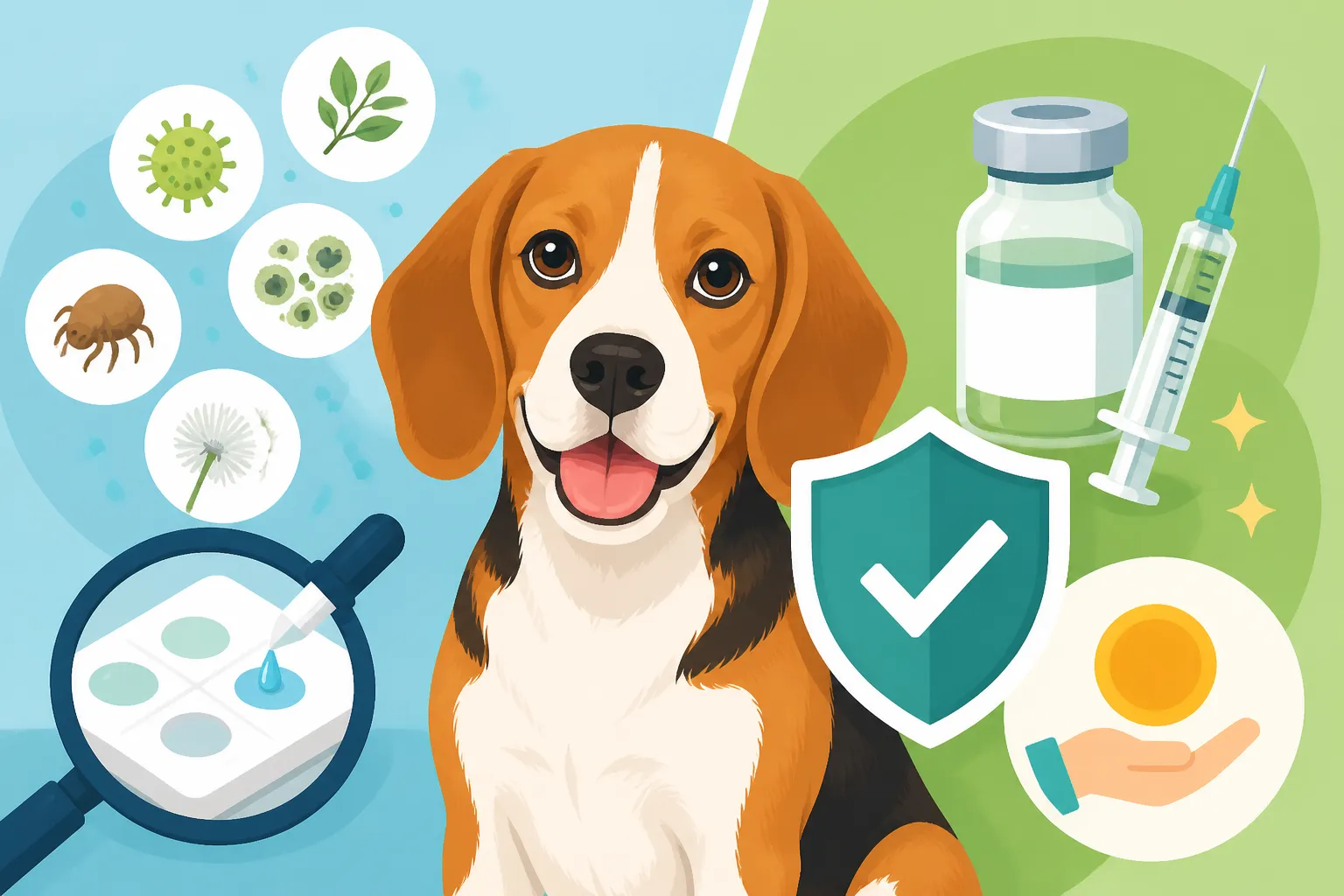
Beagle Allergy Testing and Immunotherapy Bills
There's nothing quite as heartbreaking as watching your beloved Beagle scratch incessantly, chew at their paws, or rub their face raw, all while you feel utterly helpless. You’ve tried different foods, endless baths, and probably a few trips to the vet that just ended with temporary relief and a growing pile of bills. The truth is, chronic allergies in Beagles are incredibly common, and finding a lasting solution often involves specialized testing and treatment, which, let's be frank, can make your wallet ache just thinking about it. This guide is here to walk you through understanding the costs involved in Beagle allergy testing and the ongoing bills for immunotherapy, helping you navigate this challenging journey with your furry best friend.
Understanding Beagle Allergies and the Initial Vet Visits
Before you even think about specialized allergy testing or long-term immunotherapy, you're likely already in the thick of trying to manage your Beagle's symptoms. This initial phase can be incredibly frustrating and surprisingly costly as you try to pinpoint the problem and provide some immediate comfort.
The Frustration of Constant Itching and Rashes
Your Beagle's relentless itching isn't just annoying; it’s a sign of significant discomfort and can quickly escalate into secondary infections. You might notice red, inflamed skin, hair loss, scabs from scratching, or even a yeasty smell, especially around their ears and paws. It’s a vicious cycle: they itch, they scratch, they damage their skin, which leads to infection, which causes more itching. Owners often describe feeling like they're constantly cleaning up after their dog's irritated skin or waking up to the sound of chewing and licking through the night. It truly impacts their quality of life, and by extension, yours. When you see your Beagle suffering, you just want to make it stop, no matter the cost. If this sounds familiar, you might want to read our detailed post on Beagle Skin Allergies and Constant Itching.
The Initial Diagnostic Process
When you first bring your itchy Beagle to the vet, the first order of business is usually to rule out the most common and easily treatable causes. This typically involves a thorough physical examination, looking for fleas, ticks, or mites. Your vet might do a skin scrape or a cytology (taking a sample from the skin or ear canal to look under a microscope) to check for yeast or bacterial infections. They’ll ask about your Beagle's diet, environment, and recent changes. Often, they'll prescribe a course of antibiotics for any secondary infections, anti-itch medications like steroids or Apoquel, and possibly medicated shampoos or ear cleaners. These initial steps are crucial, but it's important to remember they're often addressing the symptoms rather than the root cause.
Early Intervention and the Cost of Symptomatic Relief
Those initial vet visits, skin scrapes, and medications can quickly add up. A typical vet visit might cost one amount, but once you add in antibiotics, anti-fungals, anti-inflammatories, and specific ear drops, that bill grows. You might be sent home with a bottle of medicated shampoo for Beagle Ear Infections Under Those Long Ears and a tube of cream for a hot spot. While these provide immediate relief, many Beagle owners find themselves back at the vet's office a few weeks or months later as soon as the medication wears off. This cycle of treating symptoms without identifying the allergen can become a significant, recurring expense, making you feel like you’re just pouring money into a problem that never truly goes away. You start to realize that while necessary, these treatments are often just temporary bandages.
Deeper Dive into Allergy Testing for Beagles
Once symptomatic relief proves to be a temporary fix, your vet might suggest allergy testing to get to the bottom of what's making your Beagle so miserable. There are a few different approaches, each with its own benefits, drawbacks, and price tag.
Intradermal Skin Testing (IDT): The Gold Standard
Intradermal skin testing, often referred to as IDT, is widely considered the most accurate method for identifying environmental allergens in dogs. This procedure typically needs to be performed by a veterinary dermatologist, a specialist who has undergone extensive training in skin conditions. Your Beagle will usually be mildly sedated or anesthetized for the procedure, as a large area of their side needs to be shaved. Then, tiny amounts of various common environmental allergens (pollen, dust mites, molds, dander, etc.) are injected just under the skin. The dermatologist then observes the skin for reactions, which appear as small, red, raised bumps, much like a human allergy test.
The benefits of IDT are its precision in identifying specific triggers, which then allows for a highly customized immunotherapy plan. The drawbacks are significant: the cost is often higher than blood tests due to the specialist fees, sedation, and the procedure itself. You also need to find a veterinary dermatologist in your area, which isn't always easy, especially in more rural locations. Plus, your Beagle needs to be off certain medications, particularly steroids and antihistamines, for a period before the test, which can mean more discomfort for them during that waiting time.
Serum Allergy Testing (Blood Tests): A More Accessible Option
Serum allergy testing, or blood testing, is another option that's generally more accessible and less invasive than IDT. For this test, your regular veterinarian can draw a blood sample from your Beagle and send it to a specialized laboratory. These labs then analyze the blood for the presence of specific antibodies (IgE) that the immune system produces in response to allergens. Just like with IDT, the results typically come back with a list of environmental allergens that your Beagle reacted to.
The main advantages of blood testing are its convenience and the fact that it doesn't require sedation or withdrawal from all medications (though some vets recommend a short break from steroids). It's also usually less expensive than IDT. However, some veterinarians and dermatologists argue that blood tests are not as consistently accurate as skin testing. They can sometimes produce false positives or false negatives, meaning your Beagle might test positive for something they don't actually react to, or miss an allergen they do. Despite this, for many owners, it's a practical first step to narrow down potential allergens, especially if a veterinary dermatologist isn't readily available.
Food Elimination Diets: The DIY Approach to Food Allergies
While IDT and serum tests focus primarily on environmental allergens, food allergies are also a common culprit for itchy Beagles. Diagnosing a food allergy is a completely different beast, and it doesn't involve a blood or skin test in the same way. Instead, it requires a strict food elimination diet. This means feeding your Beagle a novel protein source (one they've never eaten before, like duck or venison) and a single carbohydrate source (like potato or sweet potato) for at least 8-12 weeks. During this time, absolutely no other food, treats, chews, or even flavored medications can be given. It's incredibly challenging to stick to, especially with a food-motivated breed like a Beagle!
The cost here isn't in a diagnostic test fee, but in the specialized food itself. These prescription or limited-ingredient diets can be significantly more expensive than regular kibble. Many brands offer such diets, and you might find them through online retailers like Chewy or even direct from fresh food providers like Ollie, if they offer a suitable limited-ingredient option. The true "test" part comes after the elimination period, when you gradually reintroduce old foods one at a time to see if symptoms return. It's a time-consuming, frustrating, but often effective process to identify what food ingredient is causing the problem. We’ve covered this more in depth in our article on Beagle Food Allergies Showing Up on the Skin.
Here's a quick comparison of the common allergy testing methods:
| Testing Method | Primary Focus | Invasiveness | Requires Specialist | Cost Range | Accuracy/Pros | Cons |
|---|---|---|---|---|---|---|
| Intradermal Skin Test | Environmental Allergens | Moderate (sedation) | Yes | Higher | "Gold standard" for environmental, highly specific | Requires sedation, specialist, medication withdrawal, more expensive |
| Serum Allergy Test | Environmental Allergens | Low (blood draw) | No (vet can do) | Moderate | More accessible, less invasive, no sedation | Potentially less accurate than IDT, false positives/negatives |
| Food Elimination Diet | Food Allergens | Not applicable | No (owner-managed) | Cost of specialized food | Identifies specific food triggers, effective if adhered to | Very strict, time-consuming, expensive food, high owner commitment |
The Investment in Beagle Immunotherapy
If allergy testing pinpoints specific environmental allergens, the most effective long-term treatment strategy is often immunotherapy. This isn't a quick fix or a cure, but rather a way to retrain your Beagle's immune system to stop overreacting to harmless substances.
What is Immunotherapy and How It Works
Immunotherapy, sometimes called desensitization therapy or allergy shots, is about gradually exposing your Beagle to increasing amounts of the specific allergens they react to. The goal is to build up their tolerance, so their immune system stops seeing these common substances (like certain pollens, dust mites, or molds) as threats. This isn't about suppressing symptoms with steroids; it's about changing the underlying immune response. It typically involves a custom-made serum, formulated based on your Beagle's individual allergy test results. Think of it as a personalized "vaccine" against their own allergies. It’s a long-term commitment, often for the rest of their life, but for many Beagles, it offers significant relief and a much better quality of life.
Subcutaneous Injections vs. Sublingual Drops
Immunotherapy can be administered in two primary ways: subcutaneous injections or sublingual (oral) drops. Both methods aim to deliver the allergens to the immune system.
- Subcutaneous Injections: This is the more traditional method. After an initial "ramp-up" phase where injections are given frequently (daily or every other day), the frequency typically decreases to once or twice a week, or even bi-weekly, given at home. Your vet will teach you how to administer the small injection under the skin, which most Beagles tolerate very well, especially if paired with a treat! The initial cost involves the creation of the customized serum, which is then reordered as needed.
- Sublingual Drops: This method involves giving a few drops of the allergen serum directly into your Beagle's mouth, usually under the tongue, once or twice a day. It’s often preferred by owners who are uncomfortable with needles or for dogs who are particularly needle-averse. The oral solution still works to desensitize the immune system. While some studies suggest injections might be slightly more effective, oral drops are a fantastic alternative and equally valid approach. The cost structure is similar to injections – an initial fee for the serum formulation, then recurring costs for refills.
The Long-Term Costs and Success Rates of Immunotherapy
The decision to pursue immunotherapy is a significant financial one. The initial costs can be substantial, including the allergy testing itself (which can range from hundreds to well over a thousand dollars, depending on the type and location) and the first batch of custom serum, which also typically falls into the hundreds of dollars range. After that, you're looking at ongoing costs for refills of the serum, which can be a monthly or quarterly expense for the lifetime of your Beagle. While specific figures are tough to give (they vary wildly by clinic, lab, and region), it's a recurring cost you must factor into your The Lifetime Bill for a Beagle That Reaches Fifteen.
When considering this investment, it's crucial to understand the success rates. Immunotherapy doesn't work for every dog, and it's rarely a "cure" that makes all symptoms disappear completely. Roughly 60-80% of dogs show significant improvement, meaning their itching and discomfort are greatly reduced, and they may need fewer symptomatic medications. About 10-20% show no improvement. It often takes 6-12 months to see a noticeable difference, and you might need to continue using some supportive symptomatic treatments during that time. It's a journey of patience and consistent commitment.
Managing the Financial Impact of Beagle Allergy Treatment
Faced with potentially high and ongoing bills, it’s easy to feel overwhelmed. However, there are strategies you can employ to manage the financial burden of your Beagle's allergy care.
Pet Insurance and Allergy Coverage
One of the best ways to prepare for unexpected or chronic health conditions like allergies is to invest in pet insurance. However, here's the critical catch: pet insurance typically does not cover pre-existing conditions. This means if your Beagle has already been diagnosed with allergies before you purchase a policy, those allergy-related treatments (testing, immunotherapy, prescription foods, medications) will likely be excluded. Therefore, the ideal time to get pet insurance from providers like Healthy Paws is when your Beagle is young and healthy, before any symptoms of allergies or other chronic conditions appear.
If you have a policy in place before diagnosis, pet insurance can be a lifesaver, reimbursing you for a significant portion of eligible vet bills after your deductible. Make sure you read the policy details carefully to understand what's covered, what the reimbursement percentage is, and what the annual limits are. Choosing a deductible that suits your budget is also key. For some, the ongoing cost of pet insurance is well worth the peace of mind knowing that a large chunk of those Beagle Medical Costs for Epilepsy and Thyroid Disease or allergy treatments will be covered. You can learn more about this in our article Beagle Pet Insurance and What It Runs a Month.
Budgeting for Chronic Allergy Care
Even with pet insurance, you'll still have out-of-pocket expenses for deductibles, co-pays, and potentially some treatments not covered. If you don't have insurance, budgeting becomes even more critical. Start by tallying up your current monthly expenses for your Beagle's general care, including things like The Annual Cost of Feeding One Beagle and regular preventative care. Then, create a separate line item specifically for allergy management. This might include monthly immunotherapy serum, specialized food, medicated shampoos, and any breakthrough medications.
Consider setting up a dedicated savings account for your Beagle's health. Even putting aside a small amount each week can build up over time and create a crucial buffer for unexpected allergy flare-ups or other health issues. Don't hesitate to talk to your vet about payment plan options for larger bills, especially for initial testing or setting up immunotherapy. Many clinics are understanding and willing to work with owners to ensure pets receive the care they need.
Preventing Flare-Ups to Minimize Costs
An ounce of prevention is truly worth a pound of cure, especially with Beagle allergies. By proactively managing your Beagle's environment and health, you can often reduce the frequency and severity of allergy flare-ups, which in turn saves you money on emergency vet visits and acute symptomatic relief.
- Regular Ear Cleaning: Those long, floppy Beagle ears are notorious for trapping moisture and debris, leading to infections that often accompany allergies. Weekly ear cleaning with a vet-approved solution can make a huge difference. If you're struggling with Beagle Yeast Ear Infections That Keep Returning, consistent cleaning is even more vital.
- Medicated Baths: Regular bathing with a hypoallergenic or medicated shampoo can help remove allergens from your Beagle's coat and soothe irritated skin. Your vet might recommend a specific shampoo designed to manage skin inflammation or bacterial/yeast overgrowth.
- Environmental Control: If your Beagle's tests indicate dust mite allergies, meticulous cleaning, vacuuming with a HEPA filter, and washing bedding weekly in hot water can help. During high pollen seasons, wiping your Beagle down after outdoor excursions can also reduce allergen exposure.
- Strict Diet Management: If a food allergy has been identified, strictly adhering to the prescribed diet is paramount. Even small "cheats" can trigger a major flare-up, leading to vet visits and medication. Brands like Ollie or Chewy can sometimes offer limited ingredient or specialized foods, but always consult your vet for the best choice.
- Supplements: Some vets recommend supplements like Omega-3 fatty acids, which can support skin barrier health and reduce inflammation. While not a cure, they can be a helpful addition to a comprehensive allergy management plan.
By taking these preventative steps, you're not just saving money; you're also significantly improving your Beagle's comfort and overall well-being. It’s a win-win for everyone in the household!
Disclaimer
This article is for general informational purposes only and does not constitute professional advice. Laws, prices and regulations vary by location and change over time. Consult a qualified professional for guidance on your specific situation.