Beagle Ear Cleaner and Ear Drop Costs
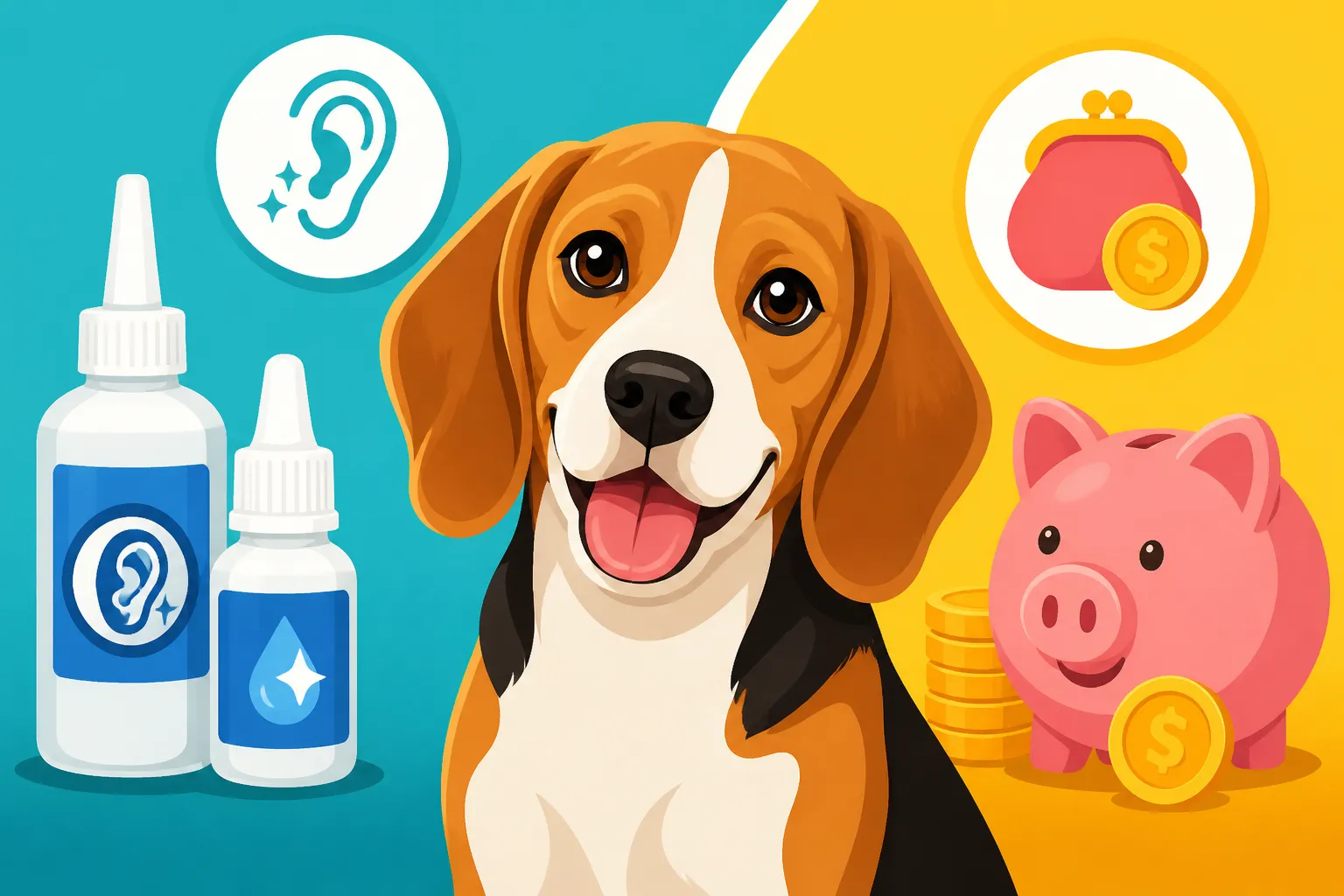
Oh, the ears! If you're a Beagle parent, you know the struggle is real when it comes to those long, floppy ears. They're adorable, yes, but they're also little humidity-trapping, dirt-collecting magnets, just begging for an infection to set in. It's incredibly frustrating to see your sweet hound shaking their head, scratching constantly, or wincing when you touch their ears. Not only does it break your heart to see them uncomfortable, but the cost of keeping those ears clean and healthy, especially when an infection strikes, can really start to add up. This guide is here to break down the ins and outs of Beagle ear cleaner and ear drop costs, helping you understand where your money goes and how to manage those expenses effectively.
Understanding the Different Types of Ear Care Products and Their Costs
When we talk about Beagle ear care, it's not a one-size-fits-all situation. There’s a spectrum of products, from everyday maintenance solutions to prescription-strength medications, each with its own price tag. The key is knowing what you need, when you need it, and how to get the most bang for your buck without compromising your Beagle's health.
Routine Cleaning Solutions and Their Price Points
Think of routine ear cleaning solutions as your first line of defense against the dreaded ear infection. These aren't medications; rather, they're designed to maintain a healthy ear environment by removing wax, debris, and excess moisture. For Beagles, with their characteristic floppy ears that tend to hold in warmth and moisture, these solutions are an absolute must-have for preventative care. You should ideally be doing this weekly, or even more frequently if your Beagle loves to swim or romp in muddy fields. Many owners find that a quick Cleaning a Beagle Ear Before Infection Starts can make all the difference.
You'll find a wide range of these cleaners on the market, from generic brands to well-known veterinary lines. Prices typically fall between $10 and $30 for a standard 4 to 8 oz bottle. Brands like Virbac Epi-Otic or Zymox Ear Cleanser are popular choices, often recommended by vets for their gentle yet effective formulas. Some contain ingredients like salicylic acid or boric acid to help dry the ear canal and maintain proper pH, while others might focus on soothing aloe vera or witch hazel. The cost can vary based on the brand reputation, the specific ingredients, and where you purchase it. Buying a larger bottle might seem like a bigger upfront cost, but it often works out cheaper per ounce in the long run. Many pet owners choose to stock up on these essentials from online retailers like Chewy, which often offers competitive pricing and convenient delivery.
Medicated Drops for Active Infections
Now, if prevention isn't quite enough and an infection does take hold – and let's be honest, for a Beagle, it often feels like an inevitability sometimes – you'll be looking at medicated ear drops. These are serious tools for serious problems, and they almost always require a veterinarian's diagnosis and prescription. You simply cannot effectively treat an ear infection with over-the-counter products if it's already advanced, because you don't know what kind of infection it is. Is it bacterial? Is it yeast? Or both? Without knowing the culprit, you're just guessing, and often making things worse.
Medicated drops come in various forms: antibiotics for bacterial infections, antifungals for yeast infections, or a combination of both. Many also contain a corticosteroid to reduce the inflammation and discomfort that makes your Beagle shake its head and scratch so much. Common vet-prescribed brands might include Otomax, Surolan, or Claro. The cost of these drops can range significantly, typically from $30 to $70 for a small bottle. This price reflects the specific active ingredients, the concentration, and the duration of treatment required. For instance, a complex, multi-day treatment course for a stubborn Beagle Yeast Ear Infections That Keep Returning will certainly cost more than a simpler, shorter course for a less severe bacterial issue. Always follow your vet's instructions precisely, even if your Beagle's ears seem to improve quickly, to ensure the infection is fully cleared and to prevent resistance.
Factors Influencing the Price of Beagle Ear Care
It's not just about the bottle itself; several factors come into play when you’re figuring out the total cost of keeping your Beagle's ears healthy. Understanding these can help you make more informed decisions and potentially save you money in the long run.
Product Type, Ingredients, and Specialty Formulas
The specific ingredients in an ear cleaner or drop are a major cost driver. For routine cleaners, basic saline solutions will be cheaper than those with added drying agents, pH balancers, or enzymatic components. When it comes to medicated drops, the active pharmaceutical ingredients are the primary determinant of price. For example, a topical antibiotic like gentamicin combined with an antifungal like miconazole and an anti-inflammatory steroid will inherently be more expensive than a single-ingredient solution. Some specialty formulas are designed for specific conditions, like chronic yeast infections, or those with highly resistant bacteria, and these often carry a premium price tag. The more advanced or targeted the formula, the higher the cost.
Furthermore, some products are designed for single, long-acting application, which might seem more expensive initially but could save on the hassle and stress of daily application for both you and your Beagle. These newer, long-acting treatments can be a godsend for dogs who hate having their ears touched, or for owners with busy schedules. However, they definitely come at a higher price point, sometimes reaching $80-$100 or more per dose, though they aim to prevent the need for multiple follow-up vet visits. When considering these, discuss with your vet if the convenience and potential for fewer re-checks justify the upfront expense.
Brand and Purchase Location
Just like with human products, brand recognition plays a role in pricing. Well-established veterinary brands often have higher costs due to research, development, and marketing. Generic alternatives, when available, can sometimes offer similar efficacy at a lower price. It's always worth asking your vet if a generic option exists for a prescribed medication.
Where you buy your ear care products also makes a big difference.
- Veterinary Clinic: Typically, purchasing directly from your vet clinic will be the most expensive option for both cleaners and medicated drops. This is because clinics incur overhead costs, maintain inventory, and provide professional advice. However, the convenience and immediate access to prescribed medication during an emergency make it a necessary option sometimes.
- Online Pet Pharmacies/Retailers: Websites like Chewy, PetMeds, or even Amazon often offer significant discounts on both over-the-counter cleaners and prescription medications (with a valid vet prescription). This is often the most cost-effective route for routine supplies and ongoing prescription needs. You can often save 20-40% compared to clinic prices.
- Local Pet Stores: For non-medicated cleaners, local pet stores can be a good option, often falling somewhere between online retailers and vet clinics in terms of price. They also offer the benefit of immediate purchase and supporting local businesses.
Comparing prices across these channels, especially for routine cleaning solutions, can lead to substantial savings over time. Just be sure that any online pharmacy you use is reputable and requires a valid prescription for medicated products.
Prescription vs. Over-the-Counter Solutions
This is a critical distinction that directly impacts cost and efficacy. Over-the-counter (OTC) ear cleaners and mild drying solutions are generally cheaper and readily available without a vet visit. These are excellent for preventative care and maintaining healthy ears. They are not, however, designed to cure active infections. Relying on an OTC product for an established infection is often a recipe for disaster, prolonging your Beagle's discomfort and potentially making the infection harder and more expensive to treat down the line.
Prescription ear drops, on the other hand, are formulated with powerful medications – antibiotics, antifungals, and steroids – specifically targeted at the type of infection your vet diagnoses. These are almost always more expensive than OTC options, not just because of the medication itself, but because they necessitate a vet examination. A What a Beagle Ear Infection Visit Costs can easily run you $50-$100 or more just for the exam, plus the cost of diagnostic tests like ear cytology (another $20-$50) to identify the type of bacteria or yeast present. So, while the bottle of prescribed drops might be $40, the total bill for a single infection could quickly reach $150 or more. It's an investment in getting the right treatment, quickly and effectively, to get your Beagle feeling better.
Budgeting for Beagle Ear Health: Beyond Just the Drops
It's easy to focus on the immediate cost of a cleaner or a bottle of drops, but true budgeting for your Beagle's ear health means looking at the bigger picture. From unexpected vet visits to preventative measures, understanding all the potential expenses can help you prepare.
The Hidden Costs: Vet Visits, Diagnostics, and Follow-Ups
The price of ear drops is often just the tip of the iceberg when it comes to managing ear infections in Beagles. The real financial impact often comes from the veterinary care required.
- Initial Vet Consultation: As mentioned, this is often the first and largest cost. A comprehensive exam to properly diagnose an ear infection and rule out other underlying issues like foreign bodies or polyps is essential.
- Diagnostic Tests: Your vet won't just guess what's causing the infection. They'll typically perform an ear cytology, which involves taking a swab of the ear canal discharge and examining it under a microscope. This helps them identify whether it's bacteria, yeast, or both, and gives clues about the specific types. For particularly stubborn or recurrent infections, a culture and sensitivity test (costing $100-$200+) might be necessary to determine exactly which antibiotic will be most effective.
- Follow-Up Appointments: It's crucial that your vet re-checks your Beagle's ears after a course of treatment to ensure the infection is completely gone. Skipping these can lead to a quickly recurring problem, requiring another round of expensive treatment. These follow-up visits also add to the total cost.
- Sedation: For Beagles who are particularly head-shy, painful, or uncooperative, sedation might be necessary for a thorough exam or cleaning, adding another $50-$150 to the bill.
- Underlying Issues: Sometimes, ear infections are a symptom of a deeper problem, like Beagle Skin Allergies and Constant Itching or food allergies. Diagnosing and managing these underlying conditions can involve extensive testing (e.g., allergy testing for hundreds of dollars) and long-term medication, which significantly increases the overall cost. If you're dealing with Chronic Beagle Ear Infections Adding Up Yearly, it's definitely time to investigate these deeper causes.
The Role of Pet Insurance in Covering Ear Care
Pet insurance can be an absolute lifesaver when dealing with recurrent ear infections or more serious underlying conditions. While routine cleaning solutions are rarely covered, treatment for ear infections, vet visits, diagnostic tests, and prescribed medications for acute or chronic issues often are.
- How it Works: Most pet insurance plans, like those offered by Healthy Paws, work on a reimbursement model. You pay the vet bill upfront, submit a claim, and then get reimbursed for a percentage of the costs (usually 70-90%) after meeting your deductible.
- Pre-Existing Conditions: This is where pet insurance can be tricky. If your Beagle has a history of ear infections before you enroll in a policy, those specific conditions might be considered pre-existing and excluded from coverage. This is why getting pet insurance early, ideally when your Beagle is a puppy, is so important. For more on this, you might find our guide on Beagle Pet Insurance and What It Runs a Month helpful.
- Coverage Levels: Different plans offer different levels of coverage. Some might cover accidents and illnesses, while others might include wellness add-ons for routine care. For ear infections, an accident & illness plan is usually what you need. Ensure you understand the deductible, reimbursement percentage, and annual limits of your chosen policy.
- Cost Savings: If your Beagle develops chronic ear issues or requires expensive diagnostics and long-term medications for allergies contributing to ear problems, pet insurance can literally save you thousands of dollars over their lifetime. It shifts the financial risk from your pocket to the insurance provider, offering peace of mind.
Long-Term Management and Preventative Measures
Investing in consistent preventative care and addressing underlying health issues is the best way to control ear care costs in the long run. An ounce of prevention truly is worth a pound of cure, especially with Beagle ears.
- Regular Cleaning Schedule: Establishing a consistent schedule for How Often a Beagle's Ears Need Cleaning can drastically reduce the incidence of infections. Use a good quality, vet-approved ear cleaner weekly, or after every swim. This small, consistent effort prevents the build-up of wax and moisture that create a breeding ground for bacteria and yeast. You might budget about $5-$10 a month for this, but it saves you much more in potential vet bills.
- Addressing Allergies: If your Beagle's ear infections are linked to environmental or food allergies, proactively managing these will be key. This might involve special diets. For instance, some owners find that switching to a fresh food delivery service like Ollie, with novel proteins and limited ingredients, can help identify and mitigate food allergy triggers that manifest as skin and ear issues. Regular anti-allergy medication, consistent flea prevention, and even environmental changes in your home can reduce inflammation and prevent ear flare-ups. This can be a significant investment but stops the cycle of infection.
- Dietary Support: A balanced diet rich in Omega-3 fatty acids can support overall skin and coat health, which indirectly benefits the ears by reducing inflammation. While not a direct cure, supplementing with fish oil or feeding a diet designed for sensitive skin can be a helpful part of a holistic approach.
- Ear Protection: After baths or swimming, always make sure to thoroughly dry your Beagle's ears to remove any trapped moisture. You can use cotton balls or even a soft cloth for the outer ear, being careful not to push anything deep into the canal.
- Regular Vet Check-ups: Don't wait until there's a problem. Regular wellness exams give your vet an opportunity to check your Beagle's ears, catch potential issues early, and offer advice before they escalate into full-blown, expensive infections.
By taking a proactive approach, understanding the true costs involved, and considering options like pet insurance, you can keep your Beagle's ears healthy and your wallet happier.
Here’s a quick overview of typical costs you might encounter for Beagle ear care:
| Item/Service | Description | Typical Cost Range (USD) | Frequency | Notes |
|---|---|---|---|---|
| Routine Ear Cleaner | OTC solution for weekly maintenance, wax, and moisture removal. | $10 – $30 (per bottle) | Monthly (1 bottle lasts 1-3 months) | Essential preventative care. |
| Vet Consultation for Ears | Examination for ear infection diagnosis. | $50 – $100 | Per visit | Often includes otoscopic exam. |
| Ear Cytology | Microscopic analysis of ear swab to identify bacteria/yeast. | $20 – $50 | Per test (often with consult) | Crucial for proper diagnosis. |
| Prescription Ear Drops | Medicated drops (antibiotic, antifungal, steroid combo). | $30 – $70 (per bottle) | Per course of treatment | Price varies by medication type and duration. |
| Ear Culture & Sensitivity | Lab test for severe/recurrent infections to guide antibiotic choice. | $100 – $200 | When needed | Often done if initial treatment fails. |
| Sedation (if needed) | For thorough exam/cleaning if Beagle is uncooperative/painful. | $50 – $150 | When needed | Adds to vet visit cost. |
| Allergy Testing | To identify underlying environmental or food allergies. | $200 – $500+ | When needed | Can be critical for chronic ear issues. |
| Pet Insurance Premium | Monthly cost for accident & illness coverage. | $35 – $75 (per month) | Monthly | Reimburses eligible ear treatment costs, minus deductible. |
Final Thoughts on Beagle Ear Care
Dealing with Beagle ear issues is almost a rite of passage for owners. Those charming, velvety ears are a constant battleground against moisture, yeast, and bacteria. It's frustrating when you see your beloved companion scratching incessantly or shaking their head, and the repeated vet visits and medication costs can feel overwhelming. Remember, consistent preventative care, like a regular The Five Minute Beagle Ear Routine, and promptly addressing any signs of trouble with your vet are your best strategies. Don't hesitate to investigate solutions like pet insurance or exploring dietary changes if you suspect underlying allergies are contributing to the problem. Your Beagle relies on you for comfort and care, and staying on top of their ear health is a big part of that responsibility.
Disclaimer
The information provided in this article is for general informational purposes only and is not intended as a substitute for professional veterinary advice. Always consult with a qualified veterinarian for any health concerns or before making any decisions related to your Beagle's care and treatment. Specific costs can vary widely based on location, veterinary clinic, and individual circumstances.