Fostering a Beagle Before You Commit
Bringing a new dog into your home is a huge decision, especially when you're considering a breed with as much personality, history, and unique needs as a Beagle. Many folks feel a mix of excitement and apprehension, wondering if they're truly ready for the commitment. That's where fostering comes in, offering a wonderful, no-pressure way to see if a Beagle is the right fit for your family and lifestyle before making a lifelong commitment. This guide will walk you through the ins and outs of fostering a Beagle, helping you understand what to expect and how to make the experience rewarding for everyone involved.
Why Fostering a Beagle is a Smart Move
You’re thinking about adding a Beagle to your life, and who can blame you? Their merry disposition, soulful eyes, and incredible noses are utterly charming. But let's be real, Beagles also come with a reputation for being a bit… well, a lot. They’re known for their vocal tendencies, their unwavering scent drive that can lead them miles away, and their almost magical ability to find every crumb on the counter. Fostering allows you to experience these traits firsthand in a real-world setting, far beyond what a brief meeting at a shelter or a breeder’s home can tell you.
Getting a Real Glimpse of Beagle Life
Imagine bringing home a sweet Beagle, only to discover a week later that its baying at every squirrel drives your neighbors absolutely nuts, or that its determination to follow a scent means your unfenced yard isn't safe. These are common Beagle challenges that can be deal-breakers for unprepared owners. Fostering lets you trial-run these scenarios. You get to see how a Beagle integrates into your daily routine, interacts with your kids or other pets, and handles being left alone. You’ll witness their true energy levels, their quirks, and their unique ways of communicating. This isn’t just about the dog; it’s about your family's dynamic with the dog. Can you realistically meet its exercise needs? Does its vocal nature fit your home environment? Will its insatiable curiosity about anything that smells good lead to constant counter-surfing? All these questions get answered in a fostering period. It's a test drive for a relationship that could last 12-15 years, and it's invaluable.
Helping a Beagle Transition and Thrive
Beyond personal assessment, fostering plays a critical role in a Beagle's journey to a forever home. Many Beagles in rescue situations come from less-than-ideal circumstances. They might be strays, surrendered by owners who couldn't handle their Beagle tendencies, or even former laboratory dogs who have never experienced a real home before. A foster home provides a safe, stable environment where these dogs can decompress, learn what it means to be a beloved pet, and begin to heal.
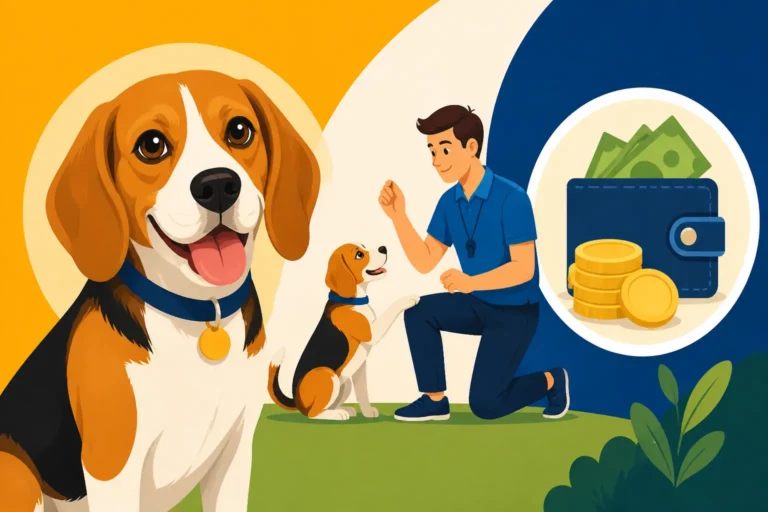
For a Beagle that has spent its life in a kennel, a foster home is often the first place it learns about soft beds, regular meals, and consistent affection. It's where they learn house manners, how to walk on a leash, and that people can be trusted. Your foster experience isn't just a temporary stop; it's a vital bridge, teaching them the skills and confidence they need to become well-adjusted, adoptable family members. Rescues often rely heavily on foster families because it allows them to save more dogs and provide a much more accurate picture of a dog's temperament and needs to potential adopters. It truly is a win-win: you get to know the breed better, and a deserving Beagle gets a second chance.
The Realities of Fostering: What to Expect
Fostering isn't always sunshine and wagging tails. It's a commitment that comes with its own set of challenges, but also immense rewards. Being realistic about what you might encounter will help you navigate the journey successfully.
The Initial Adjustment Period
When a foster Beagle first arrives, it’s not uncommon for them to be a bit stressed, confused, or shut down. They’ve been through a lot – new smells, new people, new routine. Some Beagles might be very shy, hiding in a corner and avoiding eye contact. Others might be overly boisterous, testing boundaries, or exhibiting behaviors like incessant barking or house soiling because they're anxious or simply don't understand the rules. For a great deep dive into understanding their vocalizations, check out our guide on Beagle Howling, Baying and Barking Explained.
It’s crucial to be patient during this phase. Give your foster Beagle space, establish a consistent routine for feeding, potty breaks, and quiet time, and use positive reinforcement. Remember, they’re learning to trust you and understand their new world. This adjustment period can last a few days, a few weeks, or even a couple of months, depending on the individual dog’s past experiences and resilience. Don't be afraid to reach out to your rescue coordinator for advice and support during this time; they've seen it all before.
Common Beagle Quirks and Challenges
Beagles, bless their hearts, come with certain traits that can be challenging if you're not prepared. Their legendary nose, for instance, means that every walk is a scent adventure, and recall can be a struggle. Our article on Beagle Recall and Why Your Voice Stops Registering offers great insights into this. You'll quickly learn why a long line is your best friend when you're out and about, and why you should never trust a Beagle off-leash in an unfenced area.
Then there's the food drive. Beagles are notoriously food-motivated, which can be fantastic for training but also means they are expert counter-surfers and trash can raiders. Keeping food out of reach becomes a daily mission. Some Beagles might also display Beagle Separation Anxiety in a Pack Breed if left alone for too long, leading to howling, destructive chewing, or accidents indoors. You might also encounter typical Beagle health issues, like sensitive ears prone to Beagle Ear Infections Under Those Long Ears. While the rescue typically covers medical costs, you'll be responsible for administering medication and getting them to vet appointments.
Be prepared for the occasional accident, a chewed-up toy (or shoe), or a late-night serenade. These aren't signs of a "bad" dog; they're often just Beagles being Beagles, especially when they're still settling in.
Support from Rescue Organizations
The good news is, you're not in this alone! Reputable Beagle rescue organizations provide a wealth of support to their foster families. They'll typically cover all approved veterinary expenses, including vaccinations, spay/neuter, microchipping, and any necessary treatments. They'll often provide food, crates, and other supplies, or reimburse you for them. Many rescues partner with online retailers like Chewy for convenient delivery of supplies right to your door.
More importantly, they offer behavioral guidance. If your foster Beagle is struggling with house training, leash manners, or anxiety, the rescue can connect you with experienced mentors, trainers, or resources to help. They want their foster dogs to succeed, and that means supporting their foster parents every step of the way. You’ll be part of a community, often with online forums or social media groups where you can share experiences, ask questions, and get encouragement from other foster parents.
Preparing Your Home for a Foster Beagle
Before your foster Beagle even steps foot in your house, a little preparation goes a long way to ensure a smooth transition for everyone. Think of it as creating a safe, welcoming, and Beagle-proof sanctuary.
Essential Supplies and Safety Checks
First things first, gather the basics. You'll need food and water bowls, a comfortable dog bed or crate, and a sturdy leash and collar or a harness. Since Beagles are known for their strong noses and independent streaks, a well-fitting harness is often preferable to a collar to prevent them from slipping out if they suddenly pull towards an irresistible scent. Many rescues will provide these, but it's good to have your own too. If the rescue covers food costs, consider ordering from a brand like Ollie, known for its fresh, portioned meals, which can be great for a dog needing a little extra care or weight management.
Beyond the basics, you need to "Beagle-proof" your home. This means securing trash cans (they are notorious for raiding them!), putting away anything valuable or chewable, and ensuring all toxic substances (cleaners, medications, certain plants) are out of reach. Remember, a Beagle's nose is a powerful tool, and if it smells something interesting, it will find it. If you have a yard, meticulously check your fencing. Beagles are master escape artists and can find the smallest gaps or dig under fences. Consider reviewing our guide on Fencing Costs That Actually Contain a Beagle to understand what kind of security is often needed.
Creating a Safe Haven
Designate a specific area in your home as your foster Beagle's "safe space." This could be a crate in a quiet corner, a dog bed in a low-traffic room, or even a sectioned-off area of the kitchen. This is their retreat, a place where they can go to feel secure and undisturbed, especially when they first arrive.
Ensure this space has comfortable bedding, fresh water, and a few appropriate chew toys. For a Beagle, puzzle feeders or enrichment toys filled with treats can also be fantastic for mental stimulation and helping them settle. This designated area is particularly important for Beagles who may be shy, overwhelmed, or still learning house manners. It gives them a sense of predictability and control in a new environment, which is crucial for building trust.
Introductions to Family and Existing Pets
If you have other pets or children, carefully plan the introductions. For other dogs, a neutral outdoor space for a leashed "meet and greet" is often best. Allow them to sniff each other from a distance, then gradually decrease the space. Watch their body language closely. Always supervise initial interactions at home, ensuring each dog has its own food bowl, sleeping area, and toys to prevent resource guarding.
For children, teach them how to interact respectfully with dogs, emphasizing gentle touches and understanding that the foster Beagle might need space. Explain that the new dog is still adjusting and might be scared or confused. Never leave young children unsupervised with any new dog. Slow, positive introductions set everyone up for success and help the foster Beagle feel like a true part of your temporary pack. This careful approach helps avoid stress and ensures everyone, human and canine, feels safe and comfortable.
Making the Decision: Foster-to-Adopt or Not?
The fostering period is a journey of discovery, not just for the Beagle, but for you and your family. As the weeks go by, you'll inevitably start to develop a strong bond. Then comes the pivotal moment: deciding whether to adopt your foster Beagle or help them find their forever family.
Recognizing a Good Match
Sometimes, it's just meant to be. You might find that your foster Beagle, despite some initial quirks, fits seamlessly into your life. Maybe their playful antics perfectly match your family's energy, or their quiet cuddles at the end of the day fill a space you didn't even know was empty. Perhaps you've worked through challenges like their Beagle Escape Artistry and How to Contain It or their enthusiastic barking, and you've found a rhythm that works.
A good match often feels natural. You anticipate their needs, you understand their communication, and you genuinely enjoy their company. You might notice they respond to your routine, their personality blossoms, and the thought of them leaving makes your heart ache. This is often called a "foster fail" – but in the best possible way! If you find yourself investing heavily in their training, like Using a Beagle's Food Drive as the Training Lever, or planning their future adventures, you're probably falling in love. The rescue organization will often have a "foster-to-adopt" clause or process, making the transition to permanent ownership straightforward.
The Bittersweet Goodbye
However, not every foster journey ends in adoption, and that's perfectly okay. Sometimes, as much as you love your foster Beagle, you realize they aren't the perfect long-term fit for your particular household. Maybe their energy levels are higher than you can sustainably manage, or their specific behavioral needs require more specialized care than you can provide. It takes honesty and self-awareness to admit this, and it’s a sign of a responsible foster parent, not a failure.
Saying goodbye can be incredibly difficult, often described as bittersweet. You've poured your heart and soul into this dog, helped them transform, and now you have to let them go. It's okay to grieve. But remember the profound impact you've had. You've prepared them for a loving home, taught them what it means to be cherished, and opened up a space for another Beagle in need. You've played a crucial role in saving a life, and that's an incredible gift. The rescue community understands these emotions and will support you through the transition. Many foster parents find solace in knowing they've done their best and are now ready to help another dog on its journey.
Understanding the Financial Commitment of Adoption
If you do decide to adopt your foster Beagle, it's essential to understand the long-term financial commitment. While fostering often covers medical expenses, adopting means you'll be responsible for everything moving forward. Beagles generally live 12-15 years, and costs can add up. Our detailed guide on The Yearly Cost of Keeping a Beagle breaks down typical expenses.
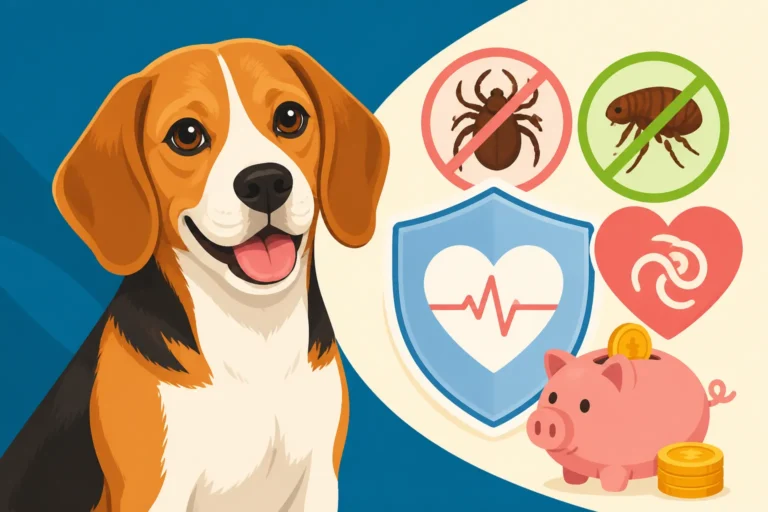
Consider routine vet care, which includes annual check-ups, vaccinations, and parasite prevention. Think about food – a good quality diet is crucial for a Beagle's health, and brands like Ollie can be a significant investment, albeit a worthwhile one. There are also potential emergency vet costs, which can be substantial. This is where pet insurance, such as a plan from Healthy Paws, can be a real lifesaver, helping to offset unexpected medical bills from illnesses or accidents. Factor in grooming supplies, toys, and potential training classes for continued behavioral development. It's a significant investment, but one that brings immeasurable joy and companionship.
Fostering: A Path to Understanding and Compassion
Fostering a Beagle is an extraordinary act of kindness and a deeply personal journey. It provides invaluable insight into the breed, helping you understand their unique needs and challenges firsthand. Whether you choose to adopt your foster Beagle or send them off to their forever home, you’ll have played a pivotal role in their life, offering them safety, love, and a stepping stone to a brighter future. It’s an experience that enriches both the Beagle and the human, fostering compassion, patience, and an even deeper appreciation for these merry little hounds.
Disclaimer
This article is intended for informational purposes only and does not constitute professional veterinary advice. Always consult with a qualified veterinarian or professional dog trainer for any health or behavioral concerns regarding your Beagle. Financial estimates are general and can vary significantly based on location, individual dog needs, and veterinary practices.