The Envigo Beagles and Where the 4,000 Went
The story of the Envigo Beagles is one that truly tugged at the heartstrings of dog lovers and animal welfare advocates across the globe. Many people hear snippets of these massive rescue operations and wonder how on earth so many dogs could have been in such a situation, and more importantly, what happened to them all. It's a valid question, filled with concern for these sweet hounds who were born into a life far removed from a loving home. This comprehensive guide will walk you through the troubling reality of the Envigo facility, the monumental rescue effort that followed, and the incredible journey these thousands of Beagles took to find their forever families.
Understanding the Envigo Situation: A Troubling Reality
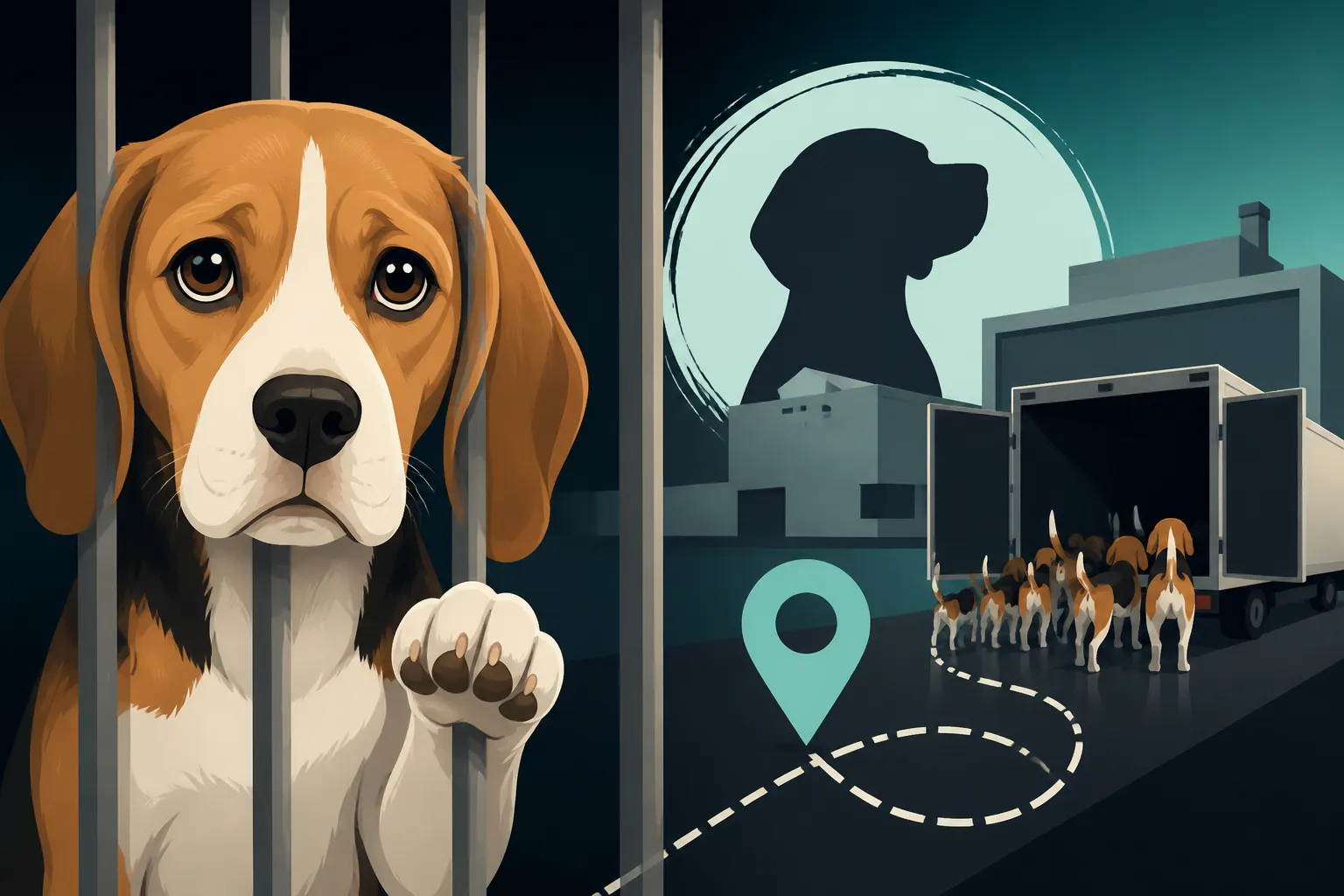
For those who weren't following the news closely, the tale of the Envigo Beagles can be quite shocking. Envigo RMS LLC was a massive commercial breeding facility located in Cumberland, Virginia, specializing in breeding Beagles for use in drug toxicity testing and other scientific research. For years, the facility operated largely out of public sight, supplying Beagles to laboratories across the country. However, behind those closed doors, a truly heartbreaking situation unfolded, eventually leading to one of the largest dog rescue operations in U.S. history.
The Findings of the USDA and DOJ Investigation
The troubles for Envigo began to escalate after numerous inspections by the U.S. Department of Agriculture (USDA) revealed a consistent pattern of severe animal welfare violations. These weren't minor infractions; we're talking about serious issues that compromised the health and well-being of thousands of Beagles. The reports detailed findings such as insufficient veterinary care, inadequate food and water, unsanitary living conditions, and dogs suffering from injuries and illnesses without proper treatment. Many Beagles were reportedly underweight, living in overcrowded pens, and exposed to extreme temperatures. It painted a grim picture of neglect and suffering on an unimaginable scale.
The Department of Justice (DOJ) eventually got involved, filing a civil enforcement action against Envigo, citing violations of the Animal Welfare Act. The evidence presented painted a picture of systemic cruelty, highlighting a facility that prioritized profit over the basic needs of the animals in its care. It showed a shocking disregard for the very beings that were meant to contribute to scientific advancement, revealing that the problem wasn't just isolated incidents, but a widespread failure of management and care that impacted nearly every dog on the premises.
The Scale of the Breeding Operation and Reported Conditions
Imagine a facility housing thousands of Beagles, bred specifically for research. That was Envigo. At its peak, the facility housed around 4,000 Beagles. These dogs, from tiny puppies to senior hounds, spent their entire lives within the confines of kennels, often never feeling grass beneath their paws, experiencing the warmth of a human embrace, or knowing the joy of a name. Their world was cages, concrete, and the clinical environment of a lab animal breeder. This kind of existence is a stark contrast to the "merry" and outgoing nature we usually associate with a Beagle, a breed known for its love of family and adventure.
The conditions described in the inspection reports were truly distressing. Nursing mothers were reportedly denied food, leading to severe malnutrition, and some puppies died from cold exposure. Injured dogs, some with severe wounds or untreated dental disease, went without timely veterinary intervention. For anyone who has ever loved a Beagle, picturing these sweet, trusting animals living in such a state is incredibly difficult. It certainly hammered home the critical importance of ensuring ethical treatment for all animals, regardless of their intended purpose, and highlighted the dire need for stricter oversight in such facilities.
The Massive Rescue Effort: A Community Rises Up
Once the extent of the violations at Envigo became public and the legal actions progressed, a monumental effort was launched to remove and rehome the thousands of Beagles. This was not just a simple matter of opening gates; it required an unprecedented collaboration between national organizations, local shelters, and countless volunteers, all working tirelessly to give these dogs a second chance at life. The sheer logistics involved in moving and caring for 4,000 Beagles were staggering, akin to a military operation, but driven by compassion instead of combat.
The Court Order and Phased Removal
In July 2022, a federal court approved a plan for the Humane Society of the United States (HSUS) to coordinate the removal of all approximately 4,000 Beagles from the Envigo facility. This wasn't an overnight process; it was a carefully orchestrated, phased operation that unfolded over several weeks. Each dog needed to be safely extracted, given an initial health check, and prepared for transport. The process began with the most vulnerable animals – the puppies and nursing mothers – to ensure they received immediate attention and care. It was a race against time, but every single organization involved understood the urgency of the mission.
This phased approach was crucial to prevent overwhelming the rescue system. Imagine trying to find homes for 4,000 dogs simultaneously! It would have been chaos. By staggering the removals, HSUS and its partners could ensure that each group of Beagles had appropriate resources and destinations lined up. This strategic planning was a testament to the dedication of everyone involved, showcasing that when a community unites, incredible feats are possible, even something as daunting as rehoming an entire population of laboratory animals.
The Role of National and Local Rescue Organizations
The success of the Envigo Beagle rescue wouldn't have been possible without an enormous network of national and local animal welfare organizations. While HSUS led the charge, organizations like the ASPCA, various state humane societies, and countless breed-specific Beagle rescues stepped up. They opened their doors, dispatched teams, and activated their volunteer networks across the country. These groups, large and small, formed a crucial lifeline, preparing for the influx of dogs with medical supplies, food, and most importantly, open hearts.
Local shelters and foster networks played an indispensable role, acting as crucial waystations for these Beagles. Many of these dogs had never experienced life outside a kennel, so a foster home provided a much-needed bridge to normalcy, helping them decompress and learn what it means to be a pet. Groups like the San Diego Humane Society, Homeward Trails Animal Rescue in Virginia, and countless others took in hundreds of dogs, managing the immediate care, medical needs, and behavioral assessments before they could even think about adoption. It was truly an inspiring display of collaboration and dedication to animal welfare. You can often find many Beagles in shelters, not just from these mass rescues, but sadly also due to their high energy and vocal nature. If you're considering a rescue, many breed-specific groups exist. Check out "Beagle Rescue Groups Across the Country" to find one near you.
Finding Forever Homes: The Journey to a New Life
Bringing 4,000 Beagles out of a research breeding facility was only the first, albeit massive, step. The real work began with preparing these dogs for a life they had never known: a life as beloved family pets. This journey was unique for each Beagle, filled with challenges and triumphs, as they learned to trust, play, and simply be dogs. Adopting a Beagle that came out of a lab isn't like adopting a typical shelter dog, and understanding their special needs was paramount for their success.
Initial Health and Behavioral Assessments
Upon arrival at rescue partners, every single Beagle underwent extensive health checks. Many arrived with a host of medical issues, including untreated ear infections (common in Beagles, who have long, floppy ears that trap moisture), dental disease, skin conditions, and respiratory infections. Parasites were rampant, and many were underweight or suffering from chronic stress. Beyond physical ailments, the behavioral assessments were critical. These dogs often displayed profound fear, anxiety, and a complete lack of socialization. They didn't know how to walk on a leash, were terrified of new sounds, and often didn't even understand toys or affection. Some had tattoos on their ears, a common form of identification in research facilities, a poignant reminder of their past. If you're thinking of "Adopting a Beagle That Came Out of a Lab", be prepared for these unique challenges.
For these Beagles, everything was new – the sky, grass, soft beds, human voices speaking to them kindly, the simple act of being stroked. This meant that their recovery involved not just medical treatment but extensive behavioral rehabilitation. Volunteers and foster parents spent countless hours patiently introducing them to the world, teaching them basic house manners, and helping them overcome their fears. It was a slow, deliberate process, often taking weeks or even months for a dog to begin to decompress and show glimpses of their true Beagle personality.
Unique Needs of a Former Research Beagle
These Beagles, unlike most pets, had spent their lives in an environment devoid of normal sensory experiences. This manifested in several unique needs:
- Environmental Sensitivity: Loud noises, sudden movements, even open spaces could be terrifying. They often preferred small, enclosed spaces that mimicked the feeling of their kennels.
- House Training Challenges: Many had never been outside to relieve themselves, making house training a significant hurdle. Consistency and patience were key, often requiring extensive crate training (though many were already used to crates, just not comfortable ones).
- Socialization Deficits: While Beagles are naturally social with other dogs, their interactions with humans were limited and often associated with procedures rather than affection. Building trust took time, and they might have been wary of hands reaching for them.
- Picky Eaters / Food Motivation: Interestingly, despite their past, many quickly developed a strong food drive. This can be a double-edged sword: great for training, but also means they will try to eat anything they find. Brands like Ollie, which offer fresh, human-grade food, can be an excellent option for Beagles with sensitive stomachs or those needing extra palatable nutrition to gain weight and thrive. The high quality ingredients are often more appealing to dogs still adjusting to a regular diet. For more on this, consider "What a Former Research Beagle Needs First".
It was vital for adopters to understand these unique needs and commit to ongoing support. This wasn't about "fixing" a broken dog, but about patiently guiding them into a new way of life, acknowledging their past without letting it define their future.
The Nationwide Adoption Process and Success Stories
The adoption process for the Envigo Beagles was understandably rigorous. Rescue organizations wanted to ensure these special needs dogs went to homes that were truly prepared for the commitment. Applications were thorough, often involving home visits and detailed conversations about experience with fearful dogs or Beagles. The demand was overwhelming, with thousands of applications pouring in from across the country, showing just how deeply people cared.
Rescue groups prioritized matching the right dog with the right family, understanding that a quiet, patient home might be best for a particularly fearful Beagle, while a slightly more confident one could thrive with experienced owners. Despite the challenges, countless heartwarming success stories emerged. Pictures flooded social media of Beagles experiencing their first walk on grass, snuggling on a couch, or playing with toys for the very first time. These transformations were incredibly moving, demonstrating the resilience of these dogs and the power of love and patience.
This massive adoption effort also shone a spotlight on the importance of pet insurance. For dogs coming from such a background, with unknown medical histories and potential long-term stress-related ailments, having a plan in place is crucial. Many adopters found peace of mind with providers like Healthy Paws, knowing that unexpected vet bills for ongoing health issues wouldn't break the bank. Early enrollment is key, as pre-existing conditions are typically not covered, so getting a policy as soon as possible after adoption is a smart move.
Here's a look at the estimated journey of the Envigo Beagles:
| Phase | Description | Key Challenges | Estimated Duration |
|---|---|---|---|
| Initial Assessment | On-site health checks, basic behavioral screening, identification of most vulnerable Beagles. | High volume of dogs, limited resources on-site, severe health issues, extreme fear. | 1-2 weeks |
| Phased Removal | Coordinated transport of Beagles from Envigo to various rescue partners across the country. | Logistics of transport, securing temporary housing, managing health risks during travel. | Several weeks (July-Aug 2022) |
| Rescue Intake | Detailed vet exams, vaccinations, spay/neuter, microchipping, initial behavioral evaluation at rescues. | Medical backlog, staff/volunteer strain, fear & anxiety manifestation, resource management. | 2-4 weeks per group |
| Foster/Rehabilitation | Placement in foster homes for decompression, house training, leash training, socialization. | Finding enough qualified fosters, managing behavioral issues, teaching basic life skills. | Weeks to months |
| Adoption | Matching Beagles with approved adopters, extensive vetting process, ongoing support. | High demand, careful matching, ensuring long-term success, managing expectations of adopters. | Ongoing since Aug 2022 |
Beyond Envigo: What This Means for Beagles and Animal Welfare
The Envigo rescue wasn't just about saving 4,000 Beagles; it became a symbol and a catalyst for broader change in the animal welfare landscape. The story highlighted systemic issues and spurred renewed conversations about how animals are used in research and the ethical responsibilities involved. It also shed a much-needed light on the resilience of these incredible dogs and the dedication of the people who stepped up to help them.
Long-Term Impact on the Beagles and Policy Implications
For many of the Envigo Beagles, their past will always be a part of their story. Some may continue to face lifelong health challenges stemming from early neglect or genetic predispositions. Behavioral quirks, such as fear of loud noises, apprehension around new people, or specific anxieties like separation anxiety, might persist. However, with patient and consistent care, these dogs can learn to thrive. Adopters often found that even simple joys, like a cozy blanket or a gentle scratch behind the ears, brought immense comfort and helped these Beagles blossom. If you're managing a senior Beagle's care, the article "Senior Beagle Care After the Age of Ten" offers valuable insights that might also apply to the long-term needs of older Envigo Beagles.
The public outcry and political pressure following the Envigo case have directly contributed to legislative changes. More states are introducing and passing "Beagle Freedom Laws," which mandate that research facilities offer healthy, adoptable animals a chance at a home rather than euthanizing them after studies. This is a significant shift, giving other laboratory animals the same chance at a happy life that the Envigo Beagles received. It underscores the power of public advocacy and the growing demand for more humane treatment of all animals in research settings.
Highlighting the Importance of Ethical Sourcing and Support
The Envigo situation served as a stark reminder of where animals for research often come from, and the conditions under which they are sometimes bred. It propelled discussions about ethical sourcing, the necessity of animal testing, and the development of alternative research methods. For the Beagle breed specifically, it was a painful but ultimately hopeful chapter, illustrating both the vulnerability and the incredible capacity for recovery these dogs possess.
For those considering getting a Beagle, this story reinforces the importance of choosing a reputable breeder or, even better, adopting from a rescue. A good breeder will prioritize the health and temperament of their dogs, ensuring they are well-socialized and come from healthy lines. Reputable breeders also conduct health testing, which is crucial for a breed prone to specific conditions like hip dysplasia or certain eye conditions. You can read more about responsible breeding practices in "Beagle Health Testing Under CHIC."
Ultimately, the story of the Envigo Beagles is a testament to the fact that every dog deserves a chance at a loving home. The massive mobilization of resources, volunteers, and adopters shows what can be achieved when a community rallies around a cause. Many of these Beagles are now enjoying their best lives, curled up on couches, exploring safe backyards, and finally receiving the love they always deserved. For new owners or those caring for a rescue Beagle, having access to resources like Chewy for a steady supply of appropriate food, comfortable bedding, and enrichment toys is incredibly helpful as they transition into their new lives.
Disclaimer
This article is for general informational purposes only and does not constitute professional advice. Laws, prices and regulations vary by location and change over time. Consult a qualified professional for guidance on your specific situation.