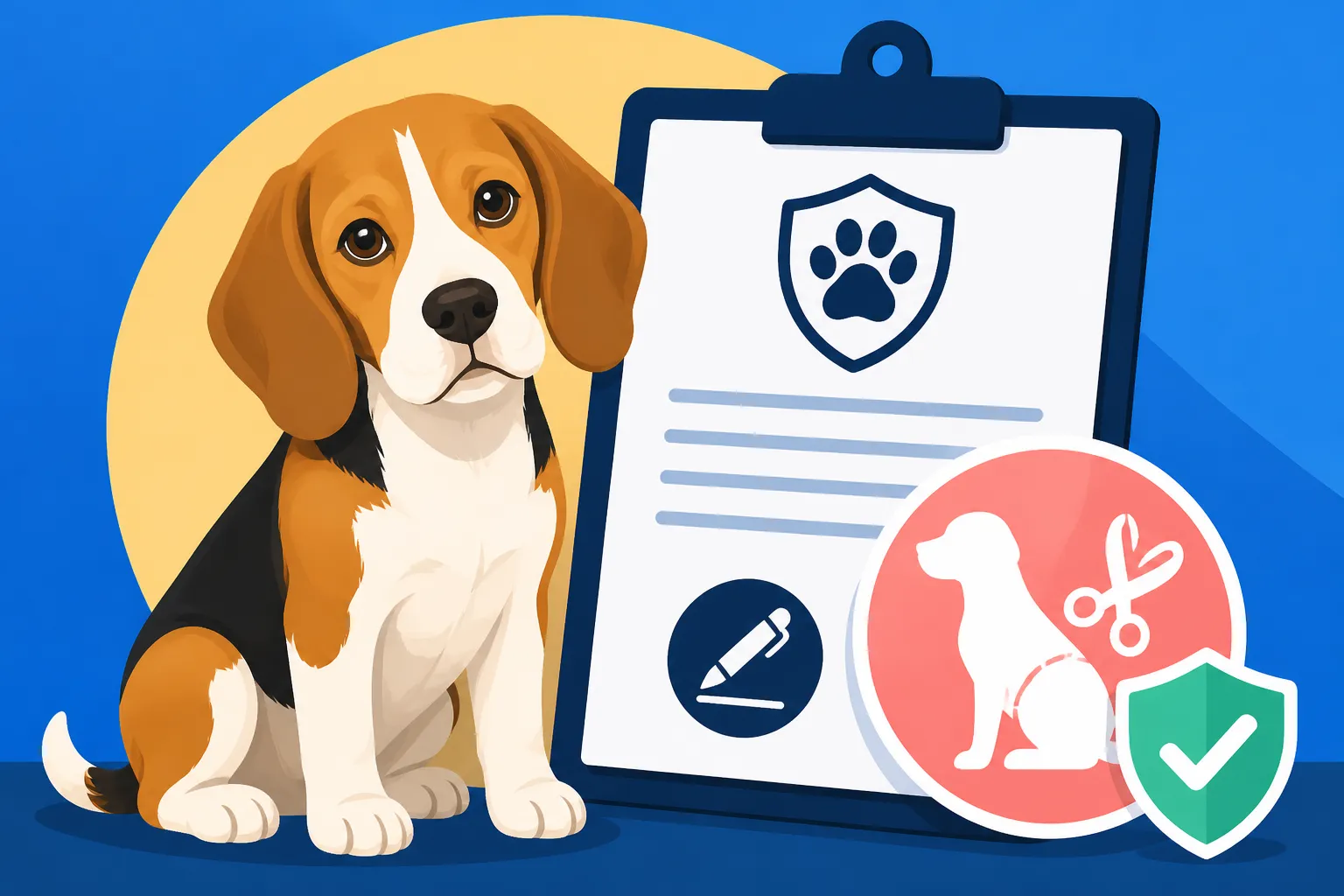
Beagle Breeder Contracts and Spay Clauses
Bringing home a new Beagle puppy is an incredibly exciting time, but it often comes with a stack of paperwork that can feel overwhelming. Many first-time owners find themselves squinting at breeder contracts, wondering what exactly they're signing, especially when they hit those tricky spay or neuter clauses. It’s easy to feel lost amidst the legal jargon and the emotional rush of securing your furry friend. This guide is here to demystify those essential agreements, helping you understand your rights and responsibilities when it comes to your new Beagle and those crucial spay/neuter terms.
Decoding the Beagle Breeder Contract
When you pick out your new Beagle puppy, a breeder contract isn't just a formality; it's a legally binding agreement designed to protect everyone involved – you, the breeder, and most importantly, the puppy. These documents lay out expectations, responsibilities, and sometimes, guarantees about your new family member. It’s not uncommon for these contracts to feel like a lot of legal jargon, but taking the time to understand each clause can save you a lot of headache and heartache down the road. You're making a commitment for the next Beagle Lifespan and the Twelve to Fifteen Year Range, and a good contract helps ensure that journey starts on solid ground.
Why Breeders Use Contracts
Reputable Beagle breeders pour their heart, soul, and considerable resources into their breeding programs. They invest in health testing, proper nutrition, early socialization, and ensuring the best possible start for each puppy. For example, they’ll run essential screenings like those covered in Beagle Health Testing Under CHIC to catch potential genetic issues early. A contract acts as their way to ensure that this significant investment in a puppy's well-being continues once it leaves their home. It’s a mechanism to maintain the integrity of their lines, prevent irresponsible breeding, and ensure that their puppies are placed in loving, permanent homes where they will be properly cared for, rather than ending up in shelters or being used in backyard breeding operations. This isn't about control; it's about ethical responsibility.
Beyond the breeder's perspective, the contract also offers you, the buyer, a level of protection. It can detail health guarantees, what happens if the puppy falls ill shortly after coming home, or even provide a pathway for returning the dog if circumstances change dramatically. It sets clear boundaries and expectations, so there are no surprises about what you’re getting into. Many first-time owners are focused solely on the excitement of the new puppy, forgetting that the What a Beagle Puppy Costs From a Breeder isn't just the upfront price, but a lifelong commitment.
Key Elements Beyond the Spay Clause
While the spay/neuter clause often grabs the most attention, breeder contracts contain many other vital provisions. You’ll typically find details about the puppy's health records, including vaccinations, deworming, and a recent vet check. There might be a health guarantee outlining specific conditions covered and a timeframe for veterinary evaluation, such as for congenital defects. Some contracts will stipulate specific care requirements, like feeding a high-quality diet (you might find brands like Ollie mentioned for their fresh food, or recommendations for premium kibble easily ordered from Chewy). They often include clauses regarding microchipping, returning the dog to the breeder if you can no longer care for it, and even restrictions on selling or rehoming the dog without the breeder's knowledge or consent.
You'll also likely see a section on puppy registration, often with the American Kennel Club (AKC), and whether the puppy is being sold with limited or full registration. Limited registration means the dog cannot be bred and its offspring cannot be registered, which aligns with spay/neuter clauses. Full registration is usually reserved for breeding or show prospects and comes with a significantly higher price and more stringent requirements. Understanding these different aspects is crucial, as they all contribute to the overall picture of your responsibilities as a new Beagle owner.
Understanding the Spay/Neuter Agreement
The spay/neuter clause is arguably one of the most common, and sometimes contentious, parts of a reputable breeder's contract. It dictates that you must have your Beagle surgically sterilized by a certain age or within a specific timeframe. This isn't just a suggestion; it's a non-negotiable term for most pet-quality puppies from responsible breeders. They are very particular about their breeding lines and want to ensure that only dogs carefully selected for health and temperament contribute to future generations.
The 'Why' Behind Spay/Neuter Clauses
The primary reason breeders include a spay/neuter clause is to prevent accidental or irresponsible breeding. Ethical breeders dedicate years to improving the breed, carefully selecting pairs based on health, temperament, and conformation. They want to avoid their puppies contributing to the pet overpopulation problem or falling into the hands of backyard breeders who don't prioritize health and responsible genetics. A dog sold with a spay/neuter agreement, especially if it's on limited AKC registration, is designated as a "pet quality" animal, meaning it's intended solely as a companion, not for breeding.
Furthermore, there are health benefits associated with spaying or neutering your Beagle. For females, spaying eliminates the risk of uterine infections (pyometra) and greatly reduces the risk of mammary tumors, especially if done before their first heat cycle. For males, neutering can prevent testicular cancer and some prostate problems. While there's a lot of discussion about the ideal Spay and Neuter Timing for a Beagle, many contracts will specify a window, often between 6-18 months, though some breeders are now recommending later sterilization based on newer research regarding joint development, particularly for larger breeds.
Common Variations and Enforcement
Spay/neuter clauses can vary in their specifics. Some breeders require sterilization by a certain age, often 6-12 months, and ask for proof from your veterinarian. This proof typically comes in the form of a veterinary certificate or an invoice detailing the procedure. Other breeders might sell the puppy already spayed or neutered, especially if they follow early spay/neuter protocols. This is less common with Beagles than with some rescue organizations, but it does happen.
A less common, but sometimes seen, clause is a "deferred spay/neuter" where the breeder might allow for a later procedure (e.g., 18-24 months) if there's a particular health reason, often tied to growth plates and joint development, but this will still require proof of completion. Failure to adhere to this clause can have serious consequences. Many contracts stipulate penalties, which can range from monetary fines to the breeder having the right to reclaim the dog. While reclaiming a dog is a rare and extreme measure, it highlights the importance breeders place on this particular clause. It's also common for breeder contracts to state that any health guarantees become null and void if the spay/neuter clause is not honored.
| Clause Type | What it Means | What to Look For | Potential Consequences of Non-Compliance |
|---|---|---|---|
| Spay/Neuter Clause | Requires sterilization by a specific age/timeframe. | Specified age/deadline, proof requirement (vet cert). | Fines, voided health guarantee, possible reclamation. |
| Health Guarantee | Covers certain genetic defects or health issues. | Specific conditions covered, timeframe, refund/replacement terms. | Varies by condition; follow vet instructions carefully. |
| Return to Breeder | Must return dog to breeder if unable to keep. | Clear process for return, no rehoming independently. | Breeder may reclaim, legal action, voided contract. |
| Microchipping | Requires the puppy to be microchipped. | Deadline for microchipping, registration details. | Loss of contact if dog is lost, contract breach. |
| Diet/Care Requirements | Specifies food quality, vet visits, exercise. | Clear expectations for diet and routine vet care. | Vague clauses are difficult to enforce; specific brands (like Chewy for supplies or Ollie for food) may be recommended but often not mandatory. |
| Limited Registration | Dog cannot be bred, offspring cannot be registered. | Explicitly stated as "limited" on registration papers. | Offspring cannot be AKC registered; breach of contract if bred. |
What to Look for and When to Ask Questions
Navigating a breeder contract can feel like deciphering a foreign language, especially when you're overwhelmed with puppy excitement. But this document is the foundation of your relationship with your breeder and your commitment to your Beagle. It's not just something to skim and sign; it's something to read thoroughly, understand completely, and ask questions about before your new furry friend even comes home. Remember that this document is about safeguarding your puppy's future and ensuring transparency.
Identifying Red Flags and Ambiguities
A reputable breeder wants you to understand the contract just as much as they do. So, if anything feels vague, confusing, or just plain off, it's a red flag. For instance, watch out for clauses that are excessively restrictive without clear justification. If a contract has overly harsh penalties for minor infractions, or if it lacks any guarantees for the puppy's health, that should give you pause. A common point of confusion can be the health guarantee: does it cover only life-threatening congenital conditions, or does it include things like Beagle Hypothyroidism and the Weight It Puts On later in life? What is the timeframe for such guarantees? Ensure it’s clearly stated whether you get a replacement puppy, a partial refund, or veterinary cost assistance in case of a covered condition.
Another red flag might be a breeder who rushes you to sign without allowing time for review, or one who refuses to answer questions. Any contract that doesn't explicitly state what happens to your deposit (e.g., Beagle Puppy Deposits and Their Refund Terms) if you back out, or if the puppy becomes unavailable, is also something to investigate. Moreover, be wary of clauses that seem to shift all responsibility onto you while absolving the breeder of any accountability. A balanced contract is a sign of a fair and ethical breeder. You should feel comfortable with every single point before putting your signature down.
Negotiating and Amending the Contract
While many aspects of a breeder contract are standard and non-negotiable for good reason, there can sometimes be room for discussion on minor points, especially if they relate to specific circumstances unique to you. For example, if a spay/neuter clause specifies a procedure at six months, but your veterinarian recommends waiting until 12 months for bone development, you might be able to discuss this with the breeder and get an amendment in writing. This is particularly true if you’re concerned about things like joint health and want to ensure the best possible start for your dog, perhaps even considering factors like Beagle Hip Dysplasia and Everyday Joint Wear in the long term.
Any changes, however small, must be made in writing and signed by both parties. Never rely on verbal agreements. If a breeder is unwilling to discuss any part of the contract or make minor, reasonable adjustments for your specific situation, it could be a sign that they are inflexible or not truly listening to your concerns. A good breeder values open communication and wants you to feel confident in your purchase and your responsibilities. Remember, a contract is a two-way street, and both parties should feel comfortable with its terms. You should also think about the initial expenses, beyond the purchase price, such as The First Month Cost of a Beagle Puppy, and ensure these are manageable under the contract’s terms.
Common Pitfalls and How to Avoid Them
Even with the best intentions, misunderstandings or unexpected situations can arise with breeder contracts. Being prepared for these eventualities means having a clear understanding of the contract's terms, ensuring proper documentation, and maintaining open communication with your breeder. This foresight can prevent a minor hiccup from turning into a major problem, protecting both your investment and your relationship with your new Beagle. Many people overlook these details in the excitement of bringing home their puppy, leading to frustrations later.
Financial Obligations and Guarantees
One significant area of potential pitfall lies in the financial obligations and guarantees. What if your puppy develops a health issue shortly after coming home that falls under the contract's health guarantee? It's crucial to understand the exact process for claiming that guarantee. Does it require a second veterinary opinion? Is there a specific timeframe for reporting the issue? Will the breeder offer a refund, a replacement puppy, or contribute to veterinary expenses? Some contracts, for instance, might require you to show proof of ongoing veterinary care, which makes sense when you consider the cost of things like Beagle Ear Infections Under Those Long Ears or routine check-ups.
Additionally, many contracts will emphasize the importance of pet insurance, especially given the potential for unexpected medical costs throughout a Beagle's life. Providers like Healthy Paws are often mentioned as reliable options. Knowing what your financial responsibility is for routine care, potential illnesses, or accidents is critical. Make sure you understand if there are any clauses that void the health guarantee if you don't follow specific feeding, vaccination, or regular vet visit schedules. Don't assume anything; if it's not explicitly written, ask for clarification.
Health and Lifespan Guarantees
Health guarantees are a cornerstone of a reputable breeder's contract, yet they are also a common source of misunderstanding. These guarantees typically cover serious, congenital, or hereditary conditions that manifest within a specified period, often the first year or two of life. It’s important to distinguish between a guarantee for a specific genetic disease, for which the parents would have been screened, and general illness or injury that can happen to any puppy. For example, a contract might guarantee against something like Musladin-Lueke Syndrome and the Beagle DNA Test, but not against a broken leg from an accidental fall.
Beyond the specific conditions, pay close attention to the terms for fulfilling the guarantee. Some breeders may require the return of the affected dog for a replacement, which can be heartbreaking. Others might offer a partial refund or cover a portion of treatment costs. Understanding these terms before a problem arises is vital. Also, consider the long-term health implications and costs. While a contract might offer initial protection, owning a Beagle means budgeting for their entire The Lifetime Bill for a Beagle That Reaches Fifteen, including potential issues like Beagle Arthritis Arriving in Middle Age or Beagle Eye Conditions and the Board-Certified Exam. A good contract sets the foundation, but your ongoing care is paramount.
Disclaimer
The information provided in this guide is for general informational purposes only and does not constitute legal advice. While we strive to provide accurate and up-to-date information, breeder contracts are legal documents, and specific clauses can vary. It is always recommended to consult with a legal professional to review any contract before signing, and to discuss specific health concerns with your veterinarian.