Beagle Puppies Under $800 and What to Check
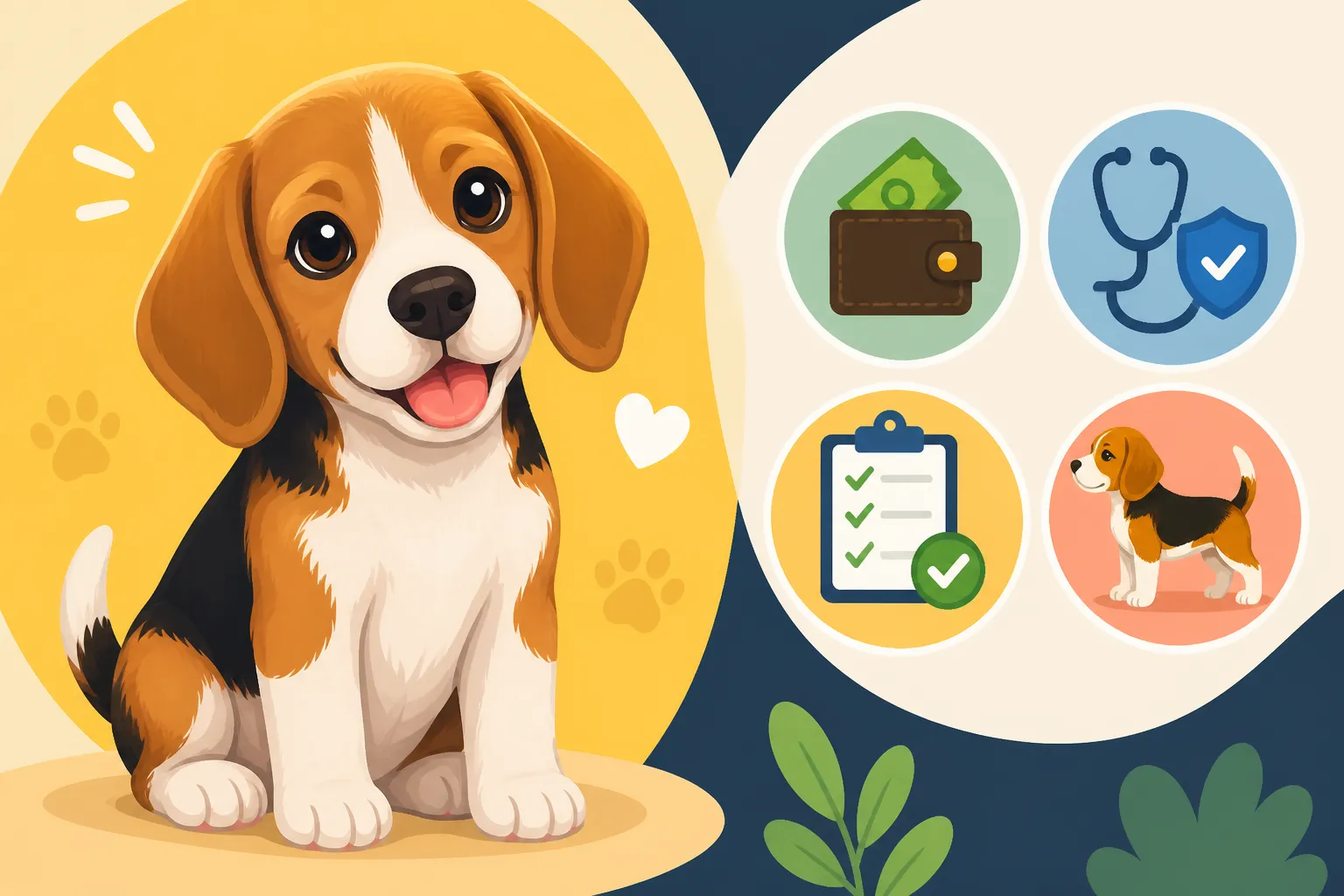
Oh, the allure of a cute, fluffy Beagle puppy! It’s enough to melt anyone’s heart, and when you see a price tag that seems almost too good to be true, it’s understandable to get a little excited. Many prospective owners dream of bringing home a Beagle without breaking the bank, and sometimes those lower prices – under $800 – pop up, sparking hope. But here's the honest truth: while a lower price can be tempting, it often comes with a set of crucial questions you absolutely need to ask and things you must check to ensure you're not trading an upfront saving for a lifetime of heartache and unexpected expenses. This guide is here to walk you through exactly what those checks are, so you can make an informed decision and find a healthy, happy companion.
Why Some Beagle Puppies are Priced Lower Than Expected
When you start looking for a Beagle puppy, you’ll quickly notice a wide range of prices. Reputable breeders with a long-standing history of health testing and showing their dogs often list puppies for $1,000 to $2,000 or even higher, especially for those with champion bloodlines or strong health clearances. So, when a puppy appears for under $800, it’s natural to wonder why. There are several reasons, some benign, some deeply concerning.
Non-Reputable Breeding Practices and Facilities
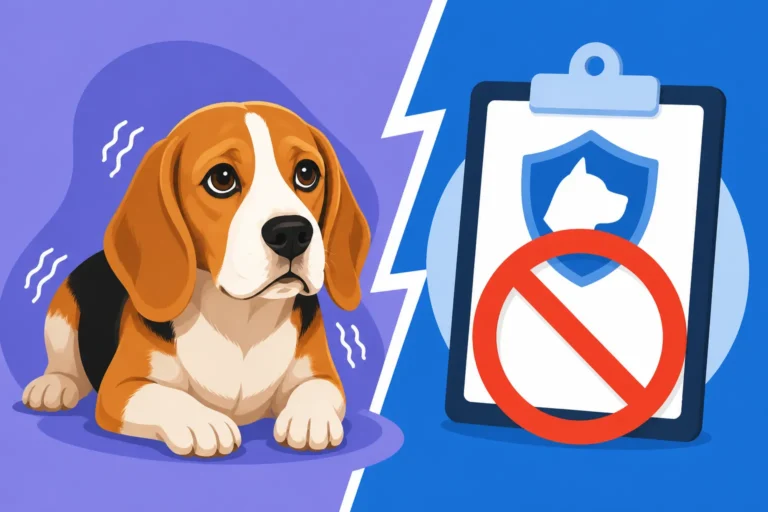
Unfortunately, a significant portion of lower-priced puppies come from sources that prioritize profit over the health and welfare of their dogs. These can include "backyard breeders" who breed their pets without a solid understanding of genetics, temperament, or proper puppy raising protocols. They might not invest in health screenings for the parent dogs, nor do they often provide optimal nutrition or socialization for the puppies. In some darker scenarios, these low prices can be a red flag for puppy mills, large-scale commercial breeding operations where dogs are kept in deplorable conditions, often without adequate veterinary care, proper food, or human interaction. Pups from these environments are highly susceptible to both physical and behavioral issues down the line.
Lack of Pedigree or Official Registration
Another common reason for a lower price is the absence of official registration or a verifiable pedigree. An AKC-registered Beagle, for instance, implies that the dog's lineage has been tracked and recorded by the American Kennel Club, which often goes hand-in-hand with breeders who adhere to breed standards and health recommendations. If a puppy isn't registered, or if the breeder isn't offering registration papers, it could mean several things: the parents aren't registered, they aren't purebred Beagles (despite appearances), or the breeder simply hasn't bothered with the paperwork. While registration might not matter to everyone, it’s a strong indicator of a breeder’s commitment to the breed and their willingness to invest in proper practices. You might see terms like "purebred, but no papers," which means you're trusting the seller's word entirely on the dog's background.
Older Puppies or Special Circumstances
Sometimes, a lower price isn't inherently a bad sign. Occasionally, a reputable breeder might have an older puppy that hasn't found a home as quickly as its littermates. Perhaps a family backed out, or the puppy just didn't catch someone's eye. These puppies are usually past the prime "cute and cuddly" eight-week mark, maybe closer to four or five months old, and a breeder might reduce the price to help them find their forever home sooner. Similarly, a family might be selling an unexpected litter or needing to rehome a young Beagle due to unforeseen life changes. In these cases, the lower price reflects a desire to place the dog quickly rather than a fundamental issue with the puppy itself. However, even in these situations, all the standard checks for health and temperament remain critically important.
Red Flags to Watch Out For When Buying a Lower-Priced Beagle Puppy
The temptation to save money upfront is powerful, but it's essential to put on your detective hat and look for potential issues that could turn a "bargain" into a significantly more expensive problem down the road. These red flags are non-negotiable indicators that you might be dealing with a problematic situation.
Breeder Transparency and Communication Issues
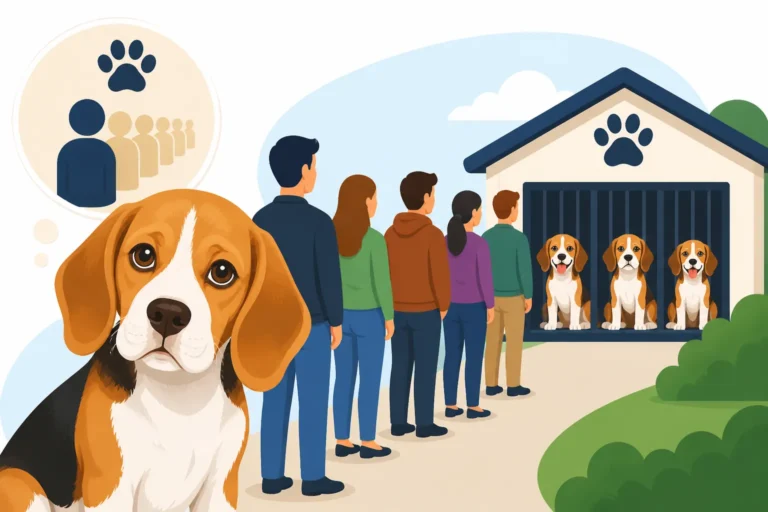
One of the biggest red flags is a lack of transparency or evasive communication from the seller. A responsible breeder will be eager to answer all your questions, provide detailed information about the parents, and allow you to visit their premises. If a seller is hesitant to let you see where the puppies are raised, meet the mother, or if they push for a quick sale without allowing you ample time to ask questions, proceed with extreme caution. Beware of meeting places that aren't the breeder's home, like a highway rest stop or a parking lot. This often indicates they are hiding the true living conditions of their animals. A breeder who cares will also be asking you questions – about your living situation, your experience with dogs, and how you plan to care for the puppy. If they don't seem interested in vetting you, that's a red flag they're simply trying to move puppies for profit.
Poor Health or Living Conditions
When you do get to see the puppies, pay very close attention to their health and their environment. Are the puppies clean, bright-eyed, and energetic? Or do they appear lethargic, have runny noses, crusty eyes, or dirty coats? Check for signs of fleas or ticks, especially in their ears and around their belly. Observe their gait – are they walking normally, or do they seem wobbly or uncomfortable? The living conditions should be clean, safe, and stimulating. Pups should have access to fresh water, appropriate food, and space to play. A strong, unpleasant odor, overflowing waste, or puppies kept in small, barren enclosures are all serious warning signs. A puppy that seems overly shy, fearful, or aggressive could also indicate a lack of proper socialization, which can lead to significant behavioral problems later on. Remember, a Beagle puppy teething and hard mouthing is normal, but excessive fear or aggression is not.
Lack of Health Testing on Parents
This is arguably the most critical check, especially with a breed prone to certain genetic conditions. Reputable Beagle breeders will perform health clearances on both parent dogs for conditions like hip dysplasia (often through organizations like OFA or PennHIP), eye conditions, and genetic diseases like Musladin-Lueke Syndrome (MLS) and Factor VII deficiency. They should be able to provide documentation, not just verbal assurances. If a breeder dismisses the idea of health testing, claims it's unnecessary, or says they "know" their dogs are healthy, that's a huge red flag. Without these tests, you have no way of knowing if your puppy is predisposed to expensive and debilitating conditions. Getting a puppy without these clearances is a gamble, and unfortunately, conditions like Beagle Hip Dysplasia and Everyday Joint Wear or Musladin-Lueke Syndrome and the Beagle DNA Test can severely impact a dog's quality of life and your wallet.
Essential Checks Before Bringing Any Beagle Puppy Home, Regardless of Price
Even if a Beagle puppy costs more than $800, or if the lower-priced situation seems legitimate, there are fundamental steps every prospective owner should take. These aren't just for sniffing out bad breeders; they're about ensuring you bring home a healthy, well-adjusted companion and are prepared for the journey ahead.
Verifying Health Records and Vaccinations
Always ask for a complete set of health records for the puppy. This should include documentation of their first veterinary check-up, initial vaccinations (distemper, parvovirus, etc.), and deworming schedule. Puppies typically receive their first round of shots around 6-8 weeks of age. A responsible breeder will have started this process. Ensure you get these records in writing, ideally from a veterinarian. It's also wise to schedule a vet visit for your new puppy within the first 48-72 hours of bringing them home. This allows your vet to confirm the puppy's health independently and catch any potential issues early. If the seller is hesitant to provide records or suggests the puppy hasn't seen a vet, walk away. Understanding your Beagle vet visit frequency after the age of ten starts with solid puppy health.
Meeting the Puppy's Parents and Assessing Temperament
Beyond looking at the puppies, it's critical to meet at least the mother (the dam) and ideally the father (the sire) if he's on-site. The parents' temperament is a strong indicator of what you can expect from their offspring. Are they friendly, calm, and well-behaved, or do they seem anxious, aggressive, or overly fearful? If the mother is growling or extremely nervous, her puppies might inherit or learn similar behaviors. Observe the puppies themselves: do they engage in playful wrestling, show curiosity, and come to you willingly? A healthy, well-socialized puppy will be curious and relatively confident, though some shyness is normal. Avoid puppies that are extremely withdrawn, constantly hiding, or overly aggressive with their littermates. This is part of how you decide if a Beagle fits the home you have.
Understanding Breeder Contracts and Guarantees
A reputable breeder will almost always have a written contract that outlines the terms of the sale. This contract typically includes a health guarantee, often for a certain period against genetic defects. It might also include clauses about spaying or neutering the puppy by a certain age (especially if sold as a pet, not for breeding) and requirements to return the dog to the breeder if you can no longer keep it. Read this contract carefully, and don't hesitate to ask for clarification on anything you don't understand. A good health guarantee offers peace of mind; if a serious genetic issue emerges shortly after you bring your puppy home, the breeder might offer a refund or a replacement puppy. If a seller has no contract or guarantee, you have no recourse if problems arise.
| Factor | Reputable Breeder (Typically $1000+) | Lower-Priced Puppy (Under $800) | What to Check & Why |
|---|---|---|---|
| Parent Health Testing | Extensive (OFA, PennHIP, DNA panel for MLS, Factor VII) | Often none or minimal; verbal assurances | Crucial to avoid genetic diseases like hip dysplasia, eye conditions, or neurological issues that can cost thousands in vet bills and diminish quality of life. Ask for official documentation. |
| Living Environment | Clean, stimulating, puppies raised in a home environment with socialization | Varies wildly; can be unsanitary, cramped, or lacking human interaction | Affects immediate health and long-term socialization. Poor conditions increase risk of parasites, infections, and behavioral problems. Puppies need early positive exposure to become well-adjusted adults. |
| Documentation | AKC/CKC registration (if applicable), detailed health records, signed contract | May be absent, incomplete, or fabricated; no formal contract | Proof of lineage, health, and guarantees. Ensures you're getting a purebred (if desired), have verifiable health history, and legal recourse if issues arise. A solid contract protects both buyer and seller. |
| Temperament | Socialized, confident, curious, appropriate play with littermates and humans | Can be fearful, overly shy, aggressive, or undersocialized | Impacts trainability and household fit. Early temperament is a strong predictor of adult behavior. A fearful or aggressive puppy will require significant investment in training and can be challenging for families. |
| Ongoing Support | Breeder available for advice, mentorship, and takes dogs back if needed | Little to no support; seller disappears post-sale | Help with common puppy challenges. A good breeder acts as a lifelong resource, especially for first-time owners. This can save you money on minor issues and ensure the dog never ends up in a shelter. |
| Transparency | Welcomes visits, answers questions thoroughly, provides references | Evasive, pushes for quick sales, refuses home visits, meets in public places | Indicates honesty and ethical practices. A transparent seller has nothing to hide. Red flags here often point to neglect, fraud, or poor breeding practices. |
Long-Term Costs Associated with an Unhealthy or Poorly Bred Beagle
The initial price of a puppy is just a tiny fraction of the overall cost of dog ownership. What seems like a steal at $800 or less can quickly become a financial black hole if you end up with a puppy from a questionable background. It’s crucial to look beyond that first price tag.
Unexpected Vet Bills and Chronic Health Issues
This is where the "cheap" puppy often proves to be the most expensive. A puppy from parents without health clearances is at a much higher risk for inheriting genetic conditions like Beagle Epilepsy and Seizures From Six Months On, hip dysplasia, eye diseases, or heart conditions. Treating these can easily run into thousands of dollars for diagnostics, medications, surgeries, and ongoing care. For example, a single MRI for a back problem can cost over $2,000, and surgery can be $5,000 to $10,000. Chronic conditions like allergies or severe Beagle Ear Infections Under Those Long Ears can require lifelong medication, special diets, and frequent vet visits. This is where pet insurance from providers like Healthy Paws can be a lifesaver, but remember, most policies won't cover pre-existing conditions, so getting insurance early is key. Many owners find themselves pouring money into treating avoidable conditions, making that initial saving disappear entirely. Consider building an emergency fund for a Beagle specifically for these unexpected costs.
Behavioral Challenges Requiring Professional Training
A puppy raised in poor conditions, without proper socialization, or from parents with unstable temperaments, is far more likely to develop behavioral problems. These can range from severe separation anxiety (Beagles are pack animals, after all!) to aggression, extreme shyness, or difficulty with house training. While every puppy requires training, these deeply ingrained issues often necessitate professional help from certified dog trainers or even veterinary behaviorists, which can be quite costly. Group classes might be a few hundred dollars, but private, in-home training can easily climb into the thousands. Imagine trying to manage a Beagle with severe separation anxiety that bays non-stop the moment you leave, causing issues with neighbors, or one that constantly destroys your home. The emotional and financial toll of these issues can be immense. Providing good quality food, like that from Ollie, can support overall health and energy levels, which in turn can aid in training and temperament stability. And for all your training treats and supplies, a convenient service like Chewy can deliver right to your door.
The Emotional Toll and Time Commitment
Beyond the financial aspect, there’s the immeasurable cost of emotional strain and time commitment. Bringing home a sick or behaviorally challenged puppy can be heartbreaking and incredibly stressful. You might spend countless hours at vet appointments, administering medication, or working with trainers, all while worrying about your beloved companion. The joy and excitement of puppyhood can be overshadowed by concern and exhaustion. Many people underestimate what nobody tells you before getting a Beagle – the sheer dedication required. Ultimately, a lower-priced puppy might seem like a good deal initially, but if it leads to a lifetime of health issues, behavioral struggles, and significant vet bills, it can become a burden that far outweighs any initial savings. Investing in a healthy, well-bred puppy from the start is an investment in a happier, healthier, and ultimately less expensive life with your Beagle.
Disclaimer
The information provided in this article is for general informational purposes only and is not a substitute for professional veterinary advice. Always consult with a qualified veterinarian or animal health professional for any medical concerns or before making any decisions related to your pet's health and care. Breed-specific information is based on common characteristics and health predispositions, but individual dogs may vary.