Beagle Crates, Harnesses and Long Lines
Bringing a Beagle into your life is an adventure filled with boundless energy, an unparalleled sense of smell, and an independent spirit that, while charming, can also lead to some head-scratching moments for owners. One of the biggest challenges we face as Beagle parents is ensuring their safety and managing their strong instincts, especially their incredible drive to follow a scent wherever it leads. This guide dives deep into the world of Beagle crates, harnesses, and long lines, exploring how these essential tools can help keep your beloved hound secure, comfortable, and well-behaved, preventing common mishaps and fostering a stronger bond between you.
The Essential Role of a Beagle Crate
For many, the idea of a dog crate conjures up images of confinement or punishment. But for a Beagle, a properly introduced crate can quickly become a den—a safe, secure space they can call their own. Beagles, as pack animals, often thrive with a defined personal space, and a crate taps into that natural instinct, offering a sense of security and belonging. This isn't just about managing unwanted behaviors; it's about providing a crucial sanctuary for your dog within your home.
Crate Training for Peace of Mind and Safety
Crate training is one of the most valuable investments you can make in your Beagle's well-being and your own peace of mind. A well-crate-trained Beagle is safer at home, especially when you can't supervise them directly. Think of it: no more coming home to chewed furniture, no worrying about them getting into toxic substances, and no anxiety about them having an accident indoors. It’s also incredibly useful for house training, as dogs are naturally reluctant to soil their sleeping area. For those trying to figure out "How Many Weeks Beagle Potty Training Usually Takes", a crate can significantly speed up the process by creating a structured environment for bladder and bowel control.
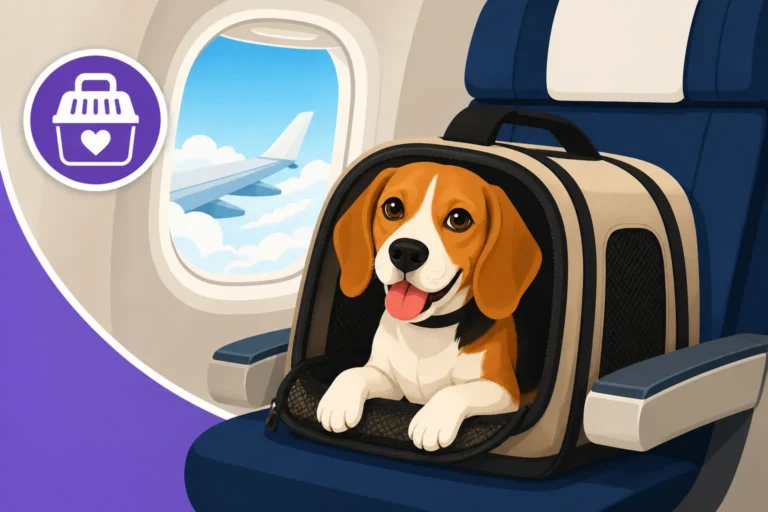
Beyond the home, crate training offers immense benefits for travel and vet visits. Imagine needing to take your Beagle on a long road trip or even a flight; a familiar, comfortable crate reduces stress dramatically. If they ever need an overnight stay at the vet, being comfortable in a crate makes their experience far less frightening. We want our Beagles to be as stress-free as possible in unfamiliar situations, and a positive association with their crate from puppyhood paves the way for a calmer, more adaptable adult dog. It also helps prevent potential issues like "Beagle Separation Anxiety in a Breed Bred for Packs" by providing a secure den where they feel safe when alone.
Choosing the Right Crate Size and Type for a Beagle
Selecting the perfect crate isn't just about picking one off the shelf; it requires careful consideration of your Beagle's size, age, and individual needs. For a Beagle puppy, you'll want a crate that’s large enough for them to stand up, turn around, and lie down comfortably, but not so big that they can use one end as a bathroom and the other as a bed. Many crates come with dividers, which are fantastic for puppies as they allow you to expand the space as your Beagle grows. This means you won't need to buy multiple crates as your pup transitions from "What a Beagle Puppy Weighs at Eight Weeks" to their adult size.
When it comes to materials, wire crates are popular for their ventilation and visibility, allowing your Beagle to see what's happening around them. They're also easy to clean. Plastic travel crates, often called kennels, offer a more den-like feel and are excellent for car travel due to their enclosed nature. Soft-sided crates are lightweight and portable, great for temporary use in hotels or at trials, but they aren't ideal for Beagles who are prone to chewing or escape artistry. Consider your Beagle's temperament: if you have a known "Beagle Crate Escapes and Failing Latches" artist, a heavy-duty wire or even an aluminum crate might be a wiser investment. Brands available at retailers like Chewy offer a wide selection across these types, often with customer reviews that can guide your choice.
Making the Crate a Safe Haven, Not a Punishment
The key to successful crate training is ensuring your Beagle views their crate as a positive, secure space, never a place for punishment. Start slowly, introducing the crate with open doors and tempting treats or toys inside. Feed meals near or inside the crate. Use a soft, comfortable bed or blanket. Many Beagles love a cozy bed, like those from popular pet brands found on Chewy, making the crate inviting. You can also use puzzle toys stuffed with healthy treats – perhaps a dab of peanut butter or some bits of an Ollie fresh food roll – to make crate time a special reward. Gradually increase the time they spend inside, always ensuring it's a positive experience.
Never use the crate as a place for discipline. If your Beagle misbehaves, remove them from the situation calmly and redirect their energy, but don't banish them to the crate. The goal is for them to willingly enter their crate, seeing it as their personal sanctuary, a quiet retreat from the hustle and bustle of family life. Consistent positive reinforcement, patience, and making the crate an inviting space are crucial steps to building this positive association. Remember, a crate should be a place where your Beagle feels safe and calm, not trapped or abandoned.
Understanding Beagle Harnesses for Walks and Safety
Walks are a cornerstone of a Beagle's life, offering crucial physical exercise and mental stimulation through all the fascinating smells. However, a Beagle's powerful nose and even more powerful prey drive can make walks challenging. This is where a well-fitting harness becomes an absolute game-changer, offering both control for you and comfort for your hound. Forget about those flimsy collars; a harness is the responsible choice for a Beagle.
Why a Harness is Superior to a Collar for Beagles
A traditional neck collar, while fine for holding ID tags, simply isn't sufficient for walking a Beagle. Beagles are known for their exuberance on a scent trail, often pulling with all their might to follow an interesting smell. This constant pulling against a neck collar can lead to several problems. For starters, it puts undue pressure on their delicate trachea, potentially causing damage or discomfort, especially if they suddenly lunge. It can exacerbate conditions like a collapsing trachea or even contribute to issues like "Beagle Neck Pain and a Head Held Low". Beyond physical harm, a strong puller in a collar is also more likely to slip out, especially if they back away from the pressure, which is a common "Beagle Escape Artistry and How to Contain It" tactic.
A harness, on the other hand, distributes pressure across your Beagle's chest, shoulders, and back, eliminating strain on their neck. This makes walks more comfortable for your dog and gives you far better control without resorting to harsh corrections. When you need to guide them away from a tempting scent or prevent them from darting into traffic, a harness allows you to do so safely and effectively. It’s an investment in their long-term health and your peace of mind, knowing they're secure and comfortable on every outing. In fact, many vets advocate strongly for harnesses, especially for breeds prone to neck or spinal issues, or those with strong pulling tendencies. This extra security can also help prevent potential accidents that might otherwise lead to a vet visit that pet insurance, like Healthy Paws, would cover.
Types of Harnesses: Front-Clip vs. Back-Clip for Beagles
When you venture into the world of Beagle harnesses, you'll quickly discover a variety of designs, each with its own advantages. The two most common types are back-clip and front-clip harnesses. Back-clip harnesses are perhaps the most traditional, with the leash attachment ring located on your Beagle's back, usually between their shoulder blades. These are excellent for Beagles who don't pull excessively or for dogs who have already learned good leash manners. They're generally comfortable and easy to put on. However, for a determined Beagle who's focused on a scent, a back-clip harness can sometimes give them more leverage to pull you along, almost like a sled dog.
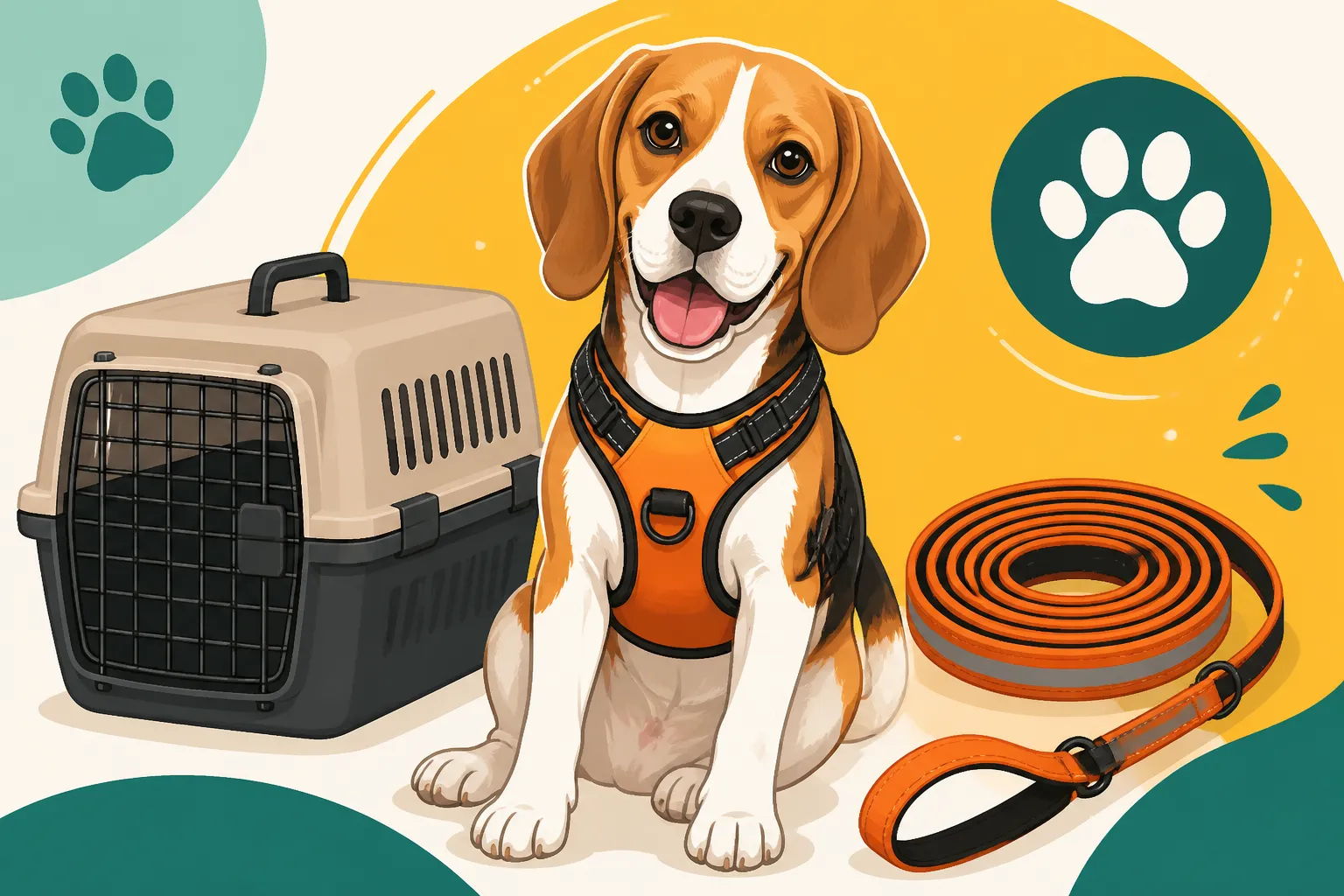
This is where front-clip harnesses become a true lifesaver for many Beagle owners. These harnesses feature the leash attachment ring on your Beagle's chest. When your Beagle pulls, the leash connection redirects their momentum sideways, gently turning them back towards you instead of allowing them to forge ahead. This makes it much harder for them to pull effectively and naturally encourages them to walk by your side. For a breed like the Beagle, renowned for its incredible nose and stubborn focus on a trail, a "Front-Clip Harnesses for a Beagle That Pulls Toward Scent" is often the recommended choice. Many brands, widely available on platforms like Chewy, offer robust and adjustable front-clip options designed to withstand the Beagle's enthusiasm.
| Harness Type | Leash Attachment | Primary Benefit | Ideal For | Potential Drawback |
|---|---|---|---|---|
| Back-Clip | On the back, between shoulder blades | Comfortable, easy to put on | Beagles with good leash manners, casual walks | Can allow strong pullers more leverage |
| Front-Clip | On the chest | Redirects pulling, provides more control | Beagles that pull, training leash manners | Can sometimes tangle legs if not fitted well |
| Dual-Clip | Both front and back | Most versatile, maximum control | Training, strong pullers, advanced handling | Can be more complex to put on initially |
Ensuring a Proper Fit to Prevent Escapes
A harness, no matter how well-designed, is only effective if it fits correctly. A poorly fitted harness can be uncomfortable, rub and chafe your Beagle's skin, and, most critically, enable an escape. Beagles are notoriously good at wriggling out of ill-fitting gear, especially when a tantalizing scent calls. To ensure a proper fit, you should be able to slide two fingers comfortably under all straps without them being loose enough for your Beagle to back out. The harness shouldn't restrict their shoulder movement or rub in their armpits.
Measure your Beagle carefully, typically around the broadest part of their chest (just behind the front legs) and around their neck, before purchasing. Once you've got the harness on, observe your Beagle's movement. Are they walking naturally? Is there any rubbing? Do they try to back out? Adjust the straps as needed. Remember that Beagles, particularly puppies, grow quickly, so regular checks are essential. A harness that fit perfectly a month ago might be too snug or too loose now. Investing time in finding and properly adjusting the right harness will save you endless frustration and potential heartache down the road. This diligence is crucial, as a secure harness is one of the best ways to keep your curious hound from becoming a "Beagle Escape Artist".
The Indispensable Long Line for Beagle Exploration
While a harness manages immediate control, a long line offers something truly special for a Beagle: the freedom to explore, safely, while still being connected to you. It's the perfect compromise for a breed that lives to follow its nose but cannot be trusted off-leash. Many Beagle owners understand the frustration of their dog ignoring their calls when on a scent. A long line allows them to indulge their natural instincts without running into danger or getting lost.
The Purpose and Benefits of Long Lines for Scent Hounds
Beagles were quite literally bred to follow a scent trail for miles, completely oblivious to their surroundings. Their olfactory bulb is significantly larger than many other breeds, allowing them to process odors with incredible detail and focus. This intense focus means that when a Beagle is on a scent, your voice often becomes mere background noise. This is why "Beagle Recall and Why Your Voice Stops Registering" is such a common complaint among owners. Giving a Beagle unsupervised off-leash freedom in an unfenced area is almost always a recipe for disaster, as they will follow their nose straight into trouble, be it a road, another animal, or simply getting hopelessly lost.
A long line, typically ranging from 15 to 50 feet in length, provides a safe way for your Beagle to experience a greater sense of freedom and engagement with their environment. It allows them to wander further, investigate interesting smells at their own pace, and engage in natural sniffing behaviors that are incredibly enriching and tiring for them. Think of it as a super-extended leash. They get to be a Beagle, exploring the world through their nose, while you maintain a critical safety connection. This prevents them from truly bolting, yet offers them vastly more freedom than a standard 6-foot leash. For detailed guidance, exploring "The Long Line Length a Beagle Actually Needs" can help you choose the right length for your specific environment and training goals.
Safely Using a Long Line in Various Environments
Using a long line requires a bit of practice and awareness to ensure both your Beagle's safety and your own. First and foremost, always attach the long line to a well-fitting harness, never a collar. A sudden jolt on a long line attached to a collar could cause serious neck injury. Choose open, safe areas away from roads, other dogs (initially), and dense brush where the line could easily snag. Large parks, open fields, or even your securely fenced backyard can be excellent starting points.
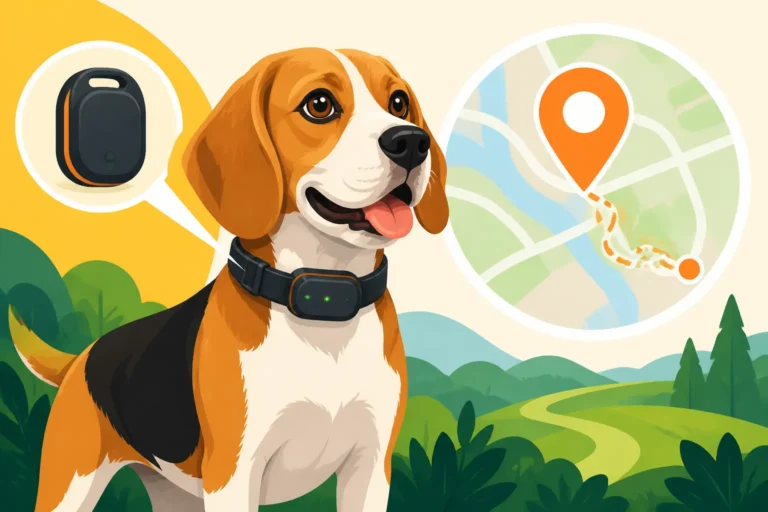
When handling the long line, avoid wrapping it around your hand or any part of your body. If your Beagle suddenly bolts, this could cause serious rope burn or even pull you off your feet. Instead, learn to manage the slack, letting it out and reeling it in smoothly. Wear gloves if you’re worried about friction. Always keep an eye on your surroundings, anticipating where your Beagle might go and if any hazards are ahead. It's an active exercise for you too! The goal is to allow freedom but maintain control. It's also wise to consider a "Beagle GPS Tracking Collar Prices" as a secondary safety measure, especially if you're venturing into larger, less familiar areas, as even with a long line, accidents can happen.
Training Considerations When Using a Long Line
The long line isn't just a safety device; it's a powerful training tool, particularly for improving your Beagle's recall. While your Beagle is exploring on the long line, every now and then, call their name excitedly and offer a high-value treat when they respond and come back to you. This reinforces the idea that coming back to you is incredibly rewarding, even when there are fascinating smells around. Treats from brands like Ollie or small, easily digestible training treats from Chewy can be highly effective. The physical connection of the long line ensures that they cannot ignore you completely, allowing you to gently guide them back if they get too absorbed in a scent.
Practice regularly in a variety of low-distraction environments before gradually increasing the challenge. The long line gives you the opportunity to practice your recall cue when you know you can enforce it gently and positively, building a strong foundation. This is especially helpful during adolescence, when "Beagle Puppy Recall Before Adolescence Hits" might start to waver as their independent scenting drive intensifies. Over time, your Beagle will learn that checking in with you regularly, even when on a long line, leads to good things. It helps bridge the gap between being tethered and eventually, for some Beagles, being reliable in certain off-leash, fully fenced contexts.
Integrating Crates, Harnesses, and Long Lines into Daily Life
Having the right gear is only half the battle; knowing how to integrate it seamlessly into your Beagle's daily routine is where true success lies. Consistency, patience, and understanding your Beagle's unique motivations are key to making these tools work for you both. It's about building positive habits and ensuring safety without stifling their wonderful Beagle spirit.
Building a Routine for Consistency and Success
Beagles thrive on routine. Establishing predictable patterns for crate time, harness walks, and long line excursions helps them understand expectations and feel more secure. For instance, start each day with a potty break, followed by breakfast, then a short, supervised crate session. This not only reinforces house training but also teaches them that crate time is a normal part of the day. A routine also helps manage a Beagle's almost insatiable appetite. If they know mealtime is coming, they might be less inclined to engage in "Beagle Counter Surfing and Trash Raiding".
When it comes to walks, make putting on the harness a positive ritual. Always pair it with praise and a small treat. Beagles are smart and will quickly associate the harness with the excitement of going outside. Similarly, introduce the long line as part of a special "adventure walk" where they get more sniffing freedom. By consistently using these tools in a predictable and positive way, they become less of a chore and more of an anticipated part of their day. This predictability can also significantly reduce stress, contributing to a longer, healthier "Beagle Lifespan and the Twelve to Fifteen Year Range".
Addressing Common Challenges and Frustrations
Even with the best intentions, you'll likely encounter some bumps along the road. One common challenge with crates is a Beagle whining or howling, especially at night. Remember, Beagles are vocal! For "Beagle Howling the Moment You Leave", it's important to differentiate between true distress and simply complaining. Ensure their needs are met (potty, exercise, food) before crating, and ignore short bouts of whining. If it's persistent, gradually increase crate time during the day, using high-value rewards to build positive associations. A cozy bed, perhaps a worn t-shirt with your scent, or a safe chew toy can provide comfort.
For harnesses, if your Beagle resists putting it on, make it a game. Reward them for sniffing it, then for poking their head through, then for allowing it to be buckled. Break it down into tiny steps. If they pull excessively even with a front-clip harness, consider shorter, more frequent walks or incorporate more "Scent Walks That Wear a Beagle Out" to satisfy their nose before asking for strict leash manners. It's all about positive reinforcement and patience. If you're constantly fighting them on the leash, you might be overlooking a specific scent trigger. Remember that "Why a Beagle Ignores You Halfway Down a Trail" is often because their nose has completely taken over their brain.
Investing in Quality Gear for Long-Term Durability
Beagles, with their robust builds and adventurous spirits, are not gentle on their equipment. A cheap, flimsy crate latch can quickly become a "Beagle Crate Escapes and Failing Latches" situation. A poorly stitched harness can fray and break just when you need it most. And a thin, easily tangled long line can be a nightmare to handle. Investing in high-quality, durable gear from reputable brands is not just a luxury; it's a necessity for Beagle owners. Look for crates with strong wire gauges and secure latches, harnesses with reinforced stitching and sturdy hardware, and long lines made from durable, weather-resistant materials like Biothane or thick nylon webbing.
While the initial cost might be higher, quality gear often lasts much longer, saving you money on replacements in the long run. More importantly, it provides superior safety and reliability. Imagine the peace of mind knowing that when your Beagle lunges after a squirrel, their harness and leash will hold firm. Reputable pet supply retailers like Chewy offer a wide range of durable options, often with customer reviews that can attest to their longevity. This kind of investment is part of the overall "The Yearly Cost of Keeping a Beagle", but it's one that truly pays dividends in safety and stress reduction.
Cost and Maintenance of Beagle Gear
Understanding the financial outlay for Beagle gear and how to keep it in top condition is an important aspect of responsible ownership. These aren't one-time purchases; they're investments that require care and occasional replacement. Being prepared for these costs ensures your Beagle always has the best and safest equipment.
Budgeting for Initial Purchases and Replacements
The initial setup cost for a new Beagle puppy or rescue can add up quickly. A good quality wire crate might range from $70-$150, while a durable travel kennel could be $50-$100. Front-clip harnesses typically fall in the $25-$50 range, and a reliable long line can be $20-$40, depending on length and material. And don't forget a sturdy everyday leash and an ID tag. When considering "What Should Come Home With a Beagle Puppy", these items are non-negotiable. It’s wise to set aside a budget for these essential items, as skimping on quality can lead to more expense (and stress) down the line.
Beyond the initial purchase, remember that gear wears out. Harnesses get muddy, buckles can break, and long lines can fray. Beagles, especially puppies, can be chewers. A "Beagle Puppy Teething and Hard Mouthing" phase can wreak havoc on bedding or even plastic crate parts. Factor in replacement costs, perhaps every few years for a harness or long line, and every five to ten years for a crate, depending on wear and tear. Having an emergency fund or using pet insurance like Healthy Paws for unexpected veterinary issues (perhaps caused by an equipment failure and subsequent incident) can also help manage the overall financial picture of owning a Beagle.
Cleaning and Caring for Crates, Harnesses, and Long Lines
Regular cleaning and maintenance extend the life of your Beagle's gear and keep it hygienic. Crates, especially wire ones, should be wiped down regularly with a pet-safe cleaner. Any bedding inside should be washed weekly, or more often if your Beagle is prone to accidents or getting dirty. Plastic crates can be hosed down and scrubbed with mild soap and water. For Beagles who spend a lot of time outside, "Cleaning a Beagle Ear Before Infection Starts" should also be a regular task, often coinciding with gear cleaning.
Harnesses and long lines, being constantly exposed to the elements and your Beagle's various adventures, will inevitably get dirty. Most nylon or webbing harnesses can be hand-washed with mild soap and water or even tossed in a mesh bag in the washing machine on a gentle cycle, then air-dried. Always check for wear and tear during cleaning: inspect stitching, buckles, and D-rings for any signs of damage. Replace anything that looks compromised. A broken buckle on a harness or a frayed spot on a long line is a major safety hazard. Proper care not only ensures the longevity of your investment but, more importantly, keeps your Beagle safe and comfortable.
Final Thoughts on Responsible Beagle Ownership
Owning a Beagle is a unique and rewarding experience, filled with their cheerful personality, endearing antics, and boundless love. Yet, it also comes with the responsibility of understanding and accommodating their deep-seated instincts. Crates, harnesses, and long lines are not just accessories; they are fundamental tools that empower you to meet your Beagle's needs for safety, exploration, and mental enrichment in a way that respects their unique nature.
By investing in quality gear, committing to consistent positive training, and viewing these tools as aids rather than restrictions, you're building a foundation for a happy, secure, and harmonious life together. Your Beagle will thrive with the freedom to follow their nose in safe, controlled environments, and you'll have the peace of mind knowing they are protected. Embrace the journey, and enjoy every sniff, every wag, and every joyful bay that makes your Beagle truly special.
Disclaimer
Please note that this guide provides general information and recommendations. Every Beagle is an individual, and what works best for one may not work for another. Always consult with your veterinarian or a certified professional dog trainer for personalized advice regarding your Beagle's specific health, training, and behavioral needs.