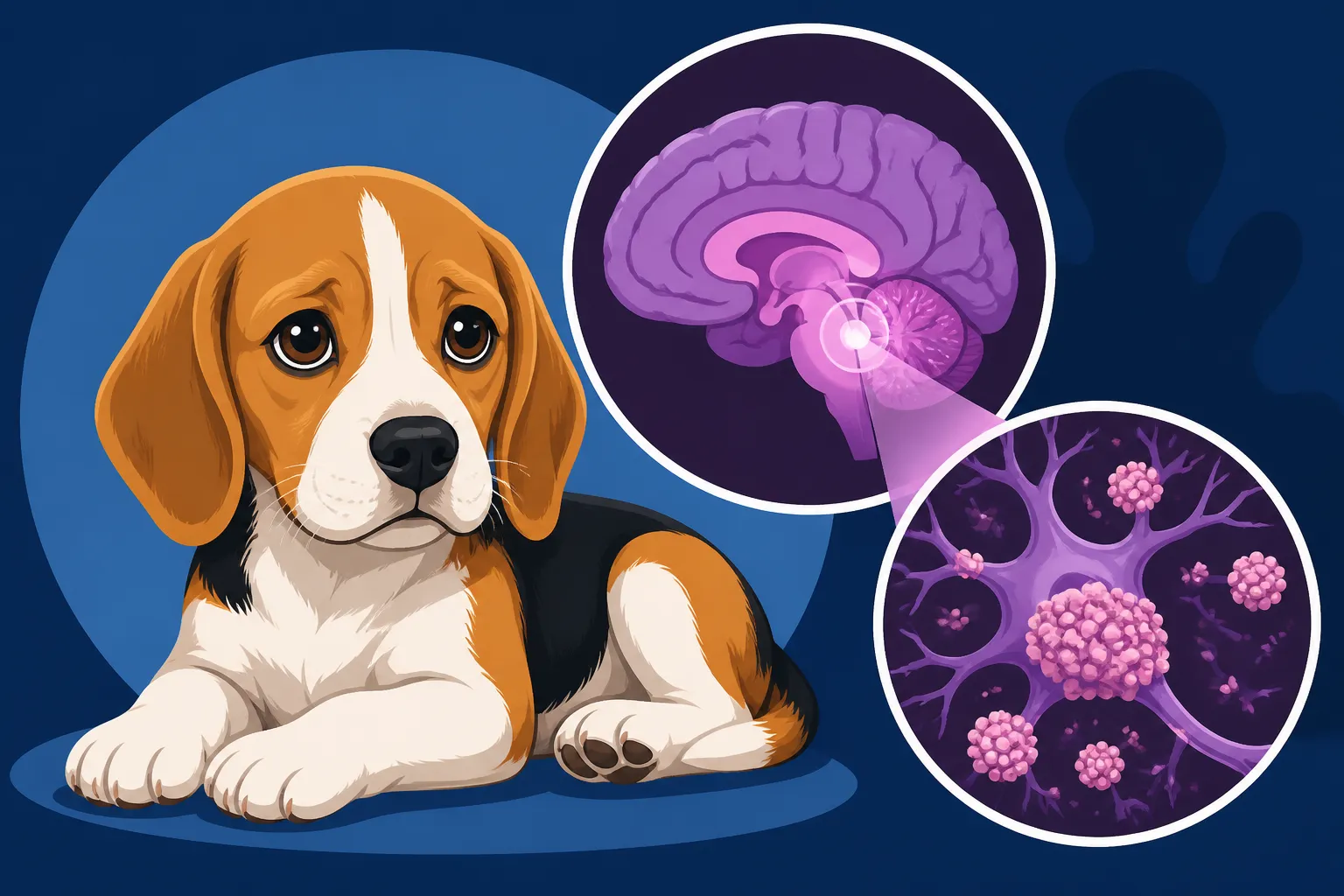
Lafora Disease Starting in a Five Year Old Beagle
It’s truly devastating when your sweet, energetic Beagle starts having seizures, especially if they’ve reached what you thought was a safe age, like five years old. You might have thought you were out of the woods for early-onset epilepsy, only for a different, more challenging condition to emerge. This guide will delve into Lafora Disease, a progressive neurological disorder that often manifests in Beagles around this age, helping you understand its signs, diagnosis, and how best to support your beloved companion.
Understanding Lafora Disease and Its Genetic Roots
When a Beagle starts having seizures, the immediate thought often goes to idiopathic epilepsy, especially given how common it can be in the breed. However, when those seizures begin later in life, particularly around five years old or even later, it's crucial to consider other possibilities, and Lafora Disease is a significant one. This isn't just "another type of epilepsy"; it's a distinct, progressive neurological disorder with a very specific genetic cause.
What Makes Lafora Disease Different?
At its core, Lafora Disease is a type of progressive myoclonic epilepsy, distinct from the more common idiopathic epilepsy. It's caused by a mutation in the EPM2B gene, which is responsible for producing a protein called laforin. This protein plays a vital role in regulating glycogen metabolism in the brain and other tissues. When this gene is mutated, the body can't properly break down glycogen, leading to an abnormal accumulation of a specific type of sugar molecule, called Lafora bodies, primarily within the brain and nervous system cells. Imagine tiny, harmful sugar clumps slowly building up and disrupting normal brain function, leading to seizures and other neurological issues. These Lafora bodies act like microscopic time bombs, progressively damaging neurons and causing the symptoms we see.
The insidious nature of Lafora Disease lies in this gradual accumulation. Unlike idiopathic epilepsy, where seizures often start in a younger Beagle, sometimes as early as six months, Lafora often has a delayed onset because it takes time for these Lafora bodies to reach a critical mass that starts causing noticeable symptoms. This is precisely why it often surprises owners when their otherwise healthy five-year-old Beagle, or even an older one, suddenly starts showing signs. It’s a silent process that only makes itself known when the damage becomes significant enough to trigger neurological distress.
How Beagles Are Uniquely Affected
While Lafora Disease can affect several breeds, Beagles are particularly predisposed and are often considered the poster child for this heartbreaking condition. The specific genetic mutation responsible for Lafora in Beagles has been well-documented, making them highly susceptible. This isn't just bad luck; it's a clear example of how specific genetic lines can carry devastating conditions. For a Beagle to develop Lafora Disease, it must inherit two copies of the mutated gene—one from each parent. This pattern of inheritance is known as autosomal recessive. This means that a Beagle can be a "carrier" of the gene, meaning it has one copy but doesn't show any symptoms itself. However, if two carriers breed, there's a 25% chance their puppies will inherit two copies of the mutated gene and develop the disease, a 50% chance they'll be carriers, and a 25% chance they'll be clear. This genetic reality is a significant reason why genetic testing is so crucial for responsible breeding practices, aiming to breed away from this devastating condition.
Because Beagles are so overrepresented among breeds affected by Lafora, researchers have spent considerable time studying the disease in them. It means that while the prognosis is always challenging, there's a greater understanding of its progression and potential management strategies compared to some rarer conditions. Still, facing a diagnosis of Lafora Disease can feel incredibly isolating, especially when your previously healthy and happy Beagle starts to decline. It's a cruel twist of fate for a breed known for its joyful demeanor and robust health. Understanding why Lafora hits Beagles harder than other breeds can help owners advocate better for their dogs and understand the specific challenges associated with their Beagle's condition.
Recognizing the Early Signs in a Five-Year-Old Beagle
One of the most frustrating aspects of Lafora Disease is its sneaky onset. Many owners of Beagles diagnosed with Lafora report that initial symptoms were subtle, easily mistaken for minor quirks or signs of aging. It's not always a dramatic grand mal seizure right out of the gate, especially when it begins in a five-year-old Beagle who has previously been seizure-free. Learning to spot these early, often vague, indicators can make a significant difference in seeking a timely diagnosis and starting supportive care sooner.
Subtle Changes Before Full Seizures
Before the full-blown seizures begin, your Beagle might start exhibiting what are known as myoclonic jerks. These are sudden, involuntary muscle twitches or spasms that can look like a quick shudder, a jump, or a startle. They might affect just one part of the body, like a limb or the head, or be more generalized. You might notice these most prominently when your Beagle is resting, about to fall asleep, or immediately after waking up. It can look like they're dreaming intensely, but these jerks are different, often more forceful and frequent. Imagine your Beagle dozing peacefully, only to suddenly twitch a leg or its head for no apparent reason, then settle back down. Over time, these jerks might become more pronounced or occur more frequently.
Beyond these muscle jerks, you might observe other subtle neurological changes. Some Beagles with early Lafora Disease develop vision issues, appearing to stare blankly or having trouble tracking objects. They might stumble or seem a bit uncoordinated, especially when navigating familiar spaces, almost as if their balance is slightly off. Owners sometimes report a change in their dog's overall demeanor; perhaps they become a little more anxious, disoriented, or less engaged in their usual activities. These signs are often progressive, meaning they get worse over time. If your five-year-old Beagle starts displaying any of these subtle, unusual muscle jerks or changes in coordination, it’s imperative to consult your veterinarian, even if you’ve already been told your dog has "late-onset epilepsy." These are often the first whispers of Lafora. For a deeper dive, understanding the muscle jerks that signal Lafora in a Beagle can provide further clarity.
Differentiating from Idiopathic Epilepsy
The age of onset is often a critical factor in differentiating Lafora Disease from idiopathic epilepsy in Beagles. While idiopathic epilepsy typically first appears between six months and six years of age, Lafora often emerges on the later side of this spectrum, or even beyond it, frequently around five to seven years old. If your Beagle's first seizure occurs at five years old, and they've never had one before, Lafora should definitely be on the radar. With idiopathic epilepsy, seizures usually fall into a more classic grand mal pattern, characterized by a loss of consciousness, stiffening, and paddling, and often occur in clusters. While Beagles with Lafora can also have grand mal seizures, the myoclonic jerks are a hallmark and often precede or accompany the more severe events.
Another key difference is the progressive nature of Lafora. Idiopathic epilepsy can often be managed effectively with anti-seizure medication, and while the frequency or severity of seizures might fluctuate, the underlying cognitive and neurological function generally remains stable between episodes. In contrast, Lafora Disease is neurodegenerative. This means the underlying brain damage caused by the Lafora bodies continues to worsen over time, leading to a gradual decline in neurological function even if seizures are somewhat controlled. Your Beagle might experience increasing disorientation, visual impairment, or ataxia (wobbly gait) as the disease progresses, which is less common with well-controlled idiopathic epilepsy. Therefore, if your older Beagle presents with seizures, and especially if accompanied by muscle jerks, it warrants a thorough investigation beyond a simple diagnosis of "epilepsy." For comparison, you might find it helpful to read about idiopathic epilepsy in Beagles from six months to six years or the broader topic of Beagle epilepsy and seizures from six months on.
The Path to Diagnosis and What It Means
Receiving a diagnosis for any serious condition in your pet can be incredibly stressful, and Lafora Disease is no exception. Because its symptoms can initially overlap with other neurological issues, a definitive diagnosis requires specific testing. Understanding this process, and what the diagnosis truly entails, is crucial for both managing your Beagle's health and preparing for the future.
Getting a Definitive Diagnosis
The most definitive way to diagnose Lafora Disease in a Beagle is through a genetic DNA test. This test looks for the specific EPM2B gene mutation known to cause the condition. It’s a straightforward process, usually involving a buccal swab (collecting cells from inside the cheek) or a blood sample, which is then sent to a specialized veterinary genetic laboratory. If the test comes back positive for two copies of the mutated gene, the diagnosis of Lafora Disease is confirmed. This is often a huge relief for owners who have been grappling with vague symptoms and unanswered questions, as it provides a clear understanding of what they are facing.
Before genetic testing, your veterinarian will likely perform a thorough neurological exam to rule out other causes of seizures, such as brain tumors, infections, or metabolic disorders. They might recommend blood work, urinalysis, or even advanced imaging like an MRI, especially if the genetic test for Lafora is negative, or if symptoms are atypical. However, the genetic test is truly the gold standard for Lafora in Beagles. Many responsible Beagle breeders already test their breeding stock for this mutation, so if you got your Beagle from a reputable source, you might already have information about their genetic status. If not, initiating this test is paramount for a Beagle presenting with seizures starting at five years old or older. Knowing your Beagle’s genetic status can also have implications for their siblings or even parents, prompting others to test their dogs. For more details on the specific test, consult resources on the Lafora DNA test available for Beagles.
Understanding the Prognosis
A diagnosis of Lafora Disease is, unfortunately, a serious one. It is a progressive and ultimately fatal neurodegenerative condition. While current treatments can help manage symptoms and improve quality of life for a period, there is no cure. The disease will gradually worsen over time as more Lafora bodies accumulate in the brain. The rate of progression can vary significantly between individual Beagles, making it difficult to predict exactly how long your dog will maintain a good quality of life after diagnosis. Some Beagles may experience a slower decline, while others might progress more rapidly.
Typical progression involves an increase in seizure frequency and severity, often becoming more resistant to standard anti-seizure medications over time. Beyond seizures, the neurological decline can manifest as increasing disorientation, visual impairment, balance issues, and eventually, dementia-like symptoms. It’s a heartbreaking journey for any owner to witness their once vibrant Beagle slowly lose their cognitive and physical abilities. This grim prognosis underscores the importance of proactive management aimed at comfort and preserving quality of life for as long as possible. It also brings into sharp focus the difficult decisions owners eventually face regarding their pet's end-of-life care. While it’s a tough reality, understanding the progressive nature of the disease from the outset helps owners prepare and make informed choices for their Beagle.
Managing Lafora Disease for Your Beagle
Living with a Beagle diagnosed with Lafora Disease is a marathon, not a sprint. While there's no cure, thoughtful management can significantly enhance your dog's comfort and extend their period of good quality of life. The approach is multi-faceted, focusing on symptom control, environmental adjustments, and constant monitoring. It requires patience, dedication, and a close working relationship with your veterinary team.
Treatment Approaches and Medications
The primary goal of treating Lafora Disease is to manage the seizures and other neurological symptoms. This typically involves a combination of anti-seizure medications, similar to those used for idiopathic epilepsy, but often requiring higher doses or multiple drugs as the disease progresses. Common medications include Phenobarbital, Keppra (levetiracetam), Zonisamide, and potassium bromide. Your vet will work with you to find the most effective cocktail for your individual Beagle, constantly adjusting as needed. What works well for a few months might become less effective, as Lafora Beagles can unfortunately resist seizure medication over time due to the progressive nature of the disease. Regular blood tests will be necessary to monitor drug levels and assess liver function, especially with medications like Phenobarbital.
Beyond traditional seizure medications, there’s growing interest in dietary interventions and supplements that might help reduce glycogen accumulation or support brain health. Some veterinarians and owners explore low-carbohydrate or ketogenic diets, as these diets can alter the brain's metabolism and potentially reduce the formation of Lafora bodies or at least mitigate their impact. Antioxidants, Omega-3 fatty acids, and other neuroprotective supplements might also be recommended. Always discuss any dietary changes or supplements with your vet, as they need to be carefully chosen and balanced to ensure your Beagle is still receiving adequate nutrition without interfering with other medications. The focus is on a holistic approach to slow progression and maximize comfort.
Creating a Supportive Home Environment
A safe and predictable home environment is paramount for a Beagle living with Lafora Disease. As their neurological symptoms progress, they may become disoriented, anxious, or have impaired vision and coordination. Keeping a consistent routine can help reduce stress and confusion. This means sticking to regular feeding times, walk schedules, and bedtime. Minimize changes to furniture arrangement, as familiar layouts can help them navigate. Consider installing night lights in areas your Beagle frequents, especially if their vision is declining, to prevent bumps and falls.
Safety measures are also critical. Given the risk of seizures and impaired coordination, you’ll want to make your home as "Beagle-proof" as possible. Block off stairs, secure any unstable furniture, and remove sharp objects from their path. If your Beagle is prone to disorientation after a seizure, consider a soft, padded space where they can recover safely. Always ensure access to fresh water and comfortable bedding. It can also be incredibly helpful to keep a seizure diary for your Beagle, noting the date, time, duration, and type of seizure, along with any potential triggers. This detailed information provides invaluable data for your vet to adjust medications and identify patterns. Living day to day with an epileptic Beagle requires constant vigilance and adaptation, but your efforts will significantly improve their quality of life.
Long-Term Care and Quality of Life
Long-term care for a Beagle with Lafora Disease is an evolving process that demands regular veterinary check-ups and open communication with your vet. These check-ups will monitor medication effectiveness, assess the progression of neurological signs, and address any new concerns. As the disease advances, your Beagle may experience cognitive decline, vision loss, and increasing difficulty with mobility. Adapting to these changes is key: perhaps using ramps or steps to help them access furniture they once jumped onto, or modifying exercise routines to include gentler, shorter walks. Enrichment activities that don't rely on sight or extensive mobility, such as scent games using high-value treats, can still provide mental stimulation, tapping into their incredible Beagle nose.
Financially, managing a chronic condition like Lafora Disease can be significant. Lifelong medication, frequent vet visits, and potentially advanced diagnostics can add up. This is where options like pet insurance can be a huge help. Brands like Healthy Paws offer plans that can cover a substantial portion of these unexpected and ongoing medical costs, providing peace of mind and ensuring you can pursue the best possible care without added financial strain. Having pet insurance, especially if you enroll before any symptoms appear, can be a game-changer when dealing with a condition like Lafora that requires extensive long-term management. Ultimately, the most challenging aspect will be judging quality of life in your Beagle's last year. This is a deeply personal decision, made in consultation with your veterinarian, focusing on your Beagle’s comfort, happiness, and ability to engage in activities they still enjoy. It’s about ensuring they have more good days than bad, even as the disease progresses.
Lafora Disease vs. Idiopathic Epilepsy: A Comparison
To further clarify the distinctions between these two common seizure disorders in Beagles, here's a table outlining their key differences.
| Feature | Lafora Disease | Idiopathic Epilepsy |
|---|---|---|
| Cause | Genetic mutation (EPM2B gene); leads to Lafora body accumulation | Unknown, presumed genetic predisposition |
| Onset Age | Often later, typically 5-7 years old, but can vary | Typically 6 months to 6 years old |
| Nature | Progressive neurodegenerative | Non-progressive (brain structure is normal) |
| Key Symptoms | Myoclonic jerks (sudden muscle twitches), grand mal seizures, vision loss, ataxia, cognitive decline | Grand mal seizures, sometimes focal seizures; usually normal between episodes |
| Progression | Symptoms worsen over time, often becoming drug-resistant; neurological decline between seizures | Seizure frequency/severity may fluctuate but neurological function generally stable between seizures |
| Diagnosis | Definitive DNA test for EPM2B mutation; rule out other causes | Diagnosis of exclusion; sometimes genetic testing for specific breeds |
| Treatment Goal | Symptom management, slowing progression, maximizing comfort and quality of life | Seizure control, reducing frequency and severity |
| Prognosis | Guarded to poor; ultimately fatal | Varies; generally good with consistent medication; lifelong management |
Disclaimer
This guide is intended for informational purposes only and does not constitute professional veterinary advice. Always consult with a qualified veterinarian for any health concerns or before making any decisions about your Beagle's care or treatment.