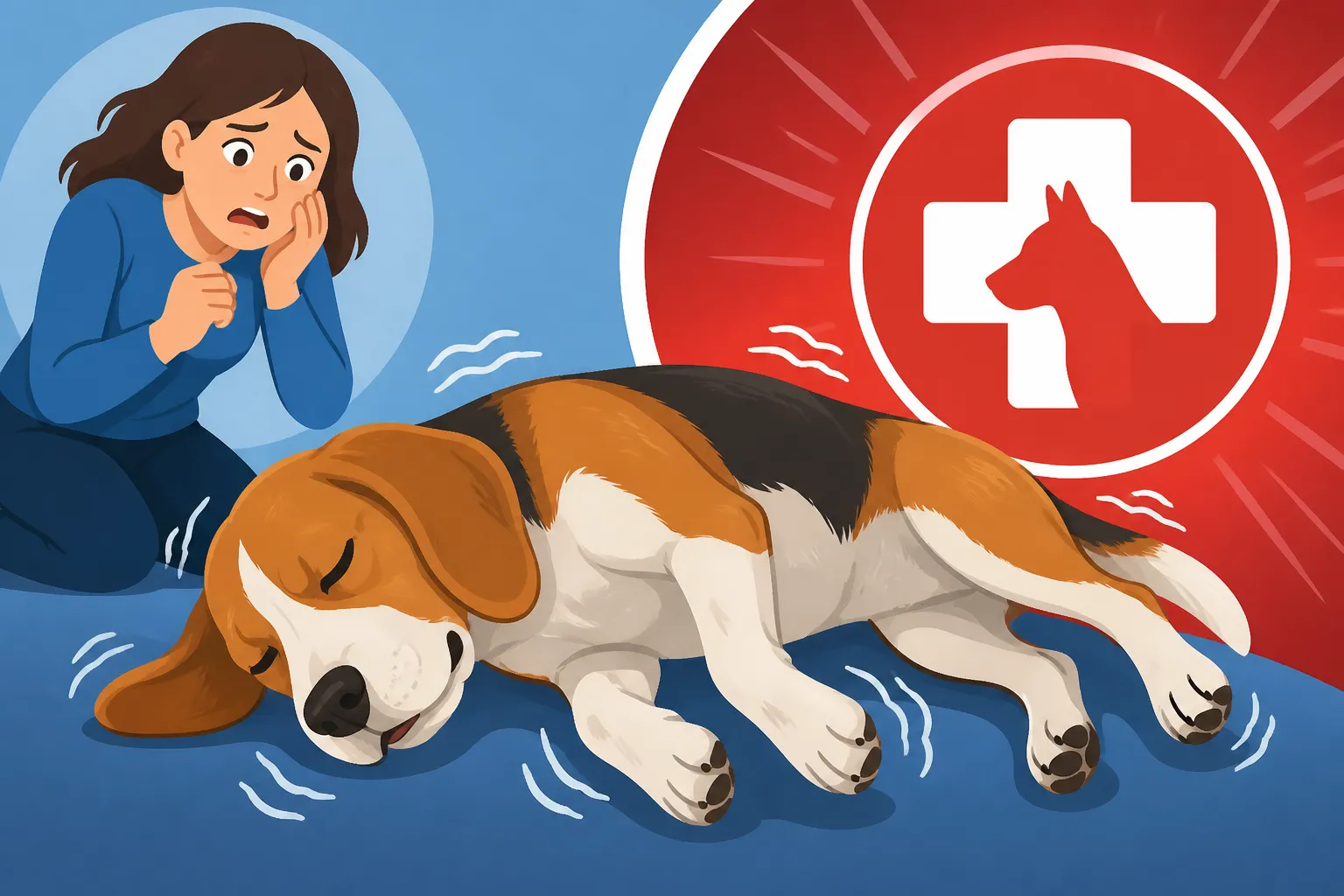
When a Beagle Seizure Becomes an Emergency
It's terrifying to witness your beloved Beagle have a seizure. One moment they're sniffing around happily, and the next they're convulsing, unaware of their surroundings. This guide isn't just about understanding seizures; it's about helping you recognize the critical moments when a seizure goes beyond a typical episode and becomes an immediate veterinary emergency, demanding urgent action to protect your Beagle's health and even its life.
Recognizing the Signs of a Seizure Emergency
Not every seizure means a frantic rush to the emergency vet, but there are definite red flags that signal a serious problem. Knowing these can make all the difference, especially when you're in a high-stress situation and trying to think clearly for your furry family member.
Prolonged Seizures Lasting Over Five Minutes
This is perhaps the most critical indicator of an emergency. A "typical" generalized seizure, often called a grand mal seizure, usually lasts anywhere from a few seconds to a couple of minutes. It can feel like an eternity, but when it stretches beyond the five-minute mark, your Beagle is in a dangerous state known as status epilepticus.
During a prolonged seizure, your Beagle's brain is in a continuous state of electrical storm. This isn't just exhausting; it can lead to dangerous overheating, brain damage, and even death if not stopped promptly. If you're counting the seconds and hit five minutes, it's time to act immediately. Don't wait to see if it stops on its own. This is a clear signal that the body's natural mechanisms for ending a seizure have failed, and external intervention is urgently required. It's a truly frightening experience, watching your dog continue to seize, and your instinct to get help is absolutely correct here.
Cluster Seizures or Multiple Seizures in a Short Period
Another major red flag for an emergency is when your Beagle experiences multiple seizures close together without fully recovering consciousness in between. This is known as Cluster Seizures in a Beagle and What They Mean. Imagine your Beagle having one seizure, perhaps recovering for a minute or two, seeming a bit dazed, and then suddenly going into another one. This pattern of successive seizures, especially if they occur within a 24-hour period, is a serious concern.
Cluster seizures put immense strain on your Beagle's body. The brain doesn't get a chance to reset, and the body expends a tremendous amount of energy, leading to exhaustion, hyperthermia, and potential metabolic imbalances. It can quickly escalate into status epilepticus if left unchecked. Even if each individual seizure is short, the rapid succession signifies that the underlying cause is not well-controlled, or a new, more severe trigger might be at play. Many owners, once they witness a cluster, immediately understand the gravity and seek veterinary care. It’s a sign that their regular medication might not be enough, or that a new factor needs investigation.
Difficulty Recovering Between Seizures
The post-ictal phase – the period right after a seizure – usually involves confusion, disorientation, temporary blindness, or wobbly walking. This can last from a few minutes to several hours. However, if your Beagle struggles immensely to recover, or seems to get worse instead of better, this indicates an emergency. For example, if they remain unresponsive, can't stand, are excessively weak, or display unusual aggression or fear that doesn't subside after a reasonable time.
A normal recovery means they slowly come back to themselves, albeit a little spaced out. But if your Beagle doesn't seem to "come back" at all, or if the recovery period becomes alarmingly long and they appear profoundly unwell, it's time for emergency intervention. This could suggest significant brain impact or another underlying issue. You know your Beagle best, and if their post-seizure behavior deviates dramatically from their usual recovery pattern in a concerning way, trust your gut and seek professional help. Your veterinarian will want to assess if their brain function is compromised or if they're developing other complications.
Immediate Actions When Your Beagle Needs Emergency Care
When a seizure turns into an emergency, your actions in the crucial moments can significantly impact your Beagle's outcome. It’s a stressful time, but having a clear plan helps.
What to Do During an Active Seizure
First and foremost, stay calm. Panicking won't help your Beagle, and it can make you less effective. The most important thing is to ensure your Beagle's safety and prevent further injury. Move any furniture or objects they could hit away from them. You should never attempt to hold their tongue or put anything in their mouth; they won't swallow their tongue, and you risk being bitten. Instead, gently slide a pillow or blanket under their head to protect it from repeated banging on the floor.
As hard as it is, resist the urge to restrain them. Just create a safe space. Start timing the seizure immediately. Knowing the exact duration is vital information for the veterinarian. Take a video if you can do so safely, as this can provide valuable diagnostic information for your vet, who might not witness the seizure firsthand. Once the active convulsing stops, try to keep them as calm and quiet as possible. This is the post-ictal phase, where they're disoriented. Comfort them gently, speak in soft tones, and avoid overstimulation. Remember, you're their anchor in this confusing time. For more on immediate steps, refer to What to Do While a Beagle Is Seizing.
Contacting Your Veterinarian or Emergency Clinic
The moment you identify an emergency sign—like a seizure lasting over five minutes, cluster seizures, or a severely impaired recovery—you need to call your vet or the nearest animal emergency clinic. Don't hesitate. Even if it's the middle of the night, emergency clinics are staffed to handle these situations. When you call, clearly state that your Beagle is having a seizure emergency. Tell them the duration, what you've observed, and if it's a first seizure or if your dog has a history of epilepsy.
This initial phone call is crucial because the veterinary staff can advise you on immediate steps to take while you're on your way, and it allows them to prepare for your arrival. They might instruct you to administer a rectal or nasal anti-seizure medication if you've been prescribed one for emergencies, such as Valium (diazepam) or midazolam. Having a plan in place, even mentally, can help you navigate this terrifying experience. Many pet insurance providers, like Healthy Paws, recognize the critical nature of these emergencies and often cover such urgent care, so it's worth knowing your policy details in advance.
Preparing for the Vet Visit
While one person is on the phone, if possible, another can start preparing for the trip to the clinic. Gather all relevant medical records, especially if this isn't your regular vet. This includes any history of seizures, medications your Beagle is currently taking (especially anti-seizure drugs and their dosages), and any recent changes in diet or routine. If you've been Keeping a Seizure Diary for Your Beagle, bring that along too.
Have your Beagle's carrier or a comfortable blanket ready. If your Beagle is large or disoriented, carefully wrap them in a blanket or sheet to help lift them safely into the car, protecting both you and your dog. Keep the car environment calm and quiet. Avoid loud music or sudden movements that could further stress them. Remember, they are likely confused and sensitive. Having everything ready beforehand means you can get out the door faster, potentially saving precious minutes that could make a difference in their treatment and recovery.
Common Causes of Beagle Seizures Requiring Emergency Intervention
Understanding why Beagles experience seizures, especially severe ones, can help you grasp the urgency of emergency situations. While many are well-managed, some underlying causes demand immediate attention.
Idiopathic Epilepsy and Status Epilepticus
Idiopathic epilepsy is a common neurological condition in Beagles, meaning seizures occur without an identifiable cause. It usually begins between six months and six years of age, as detailed in Idiopathic Epilepsy in Beagles From Six Months to Six Years. While many Beagles with idiopathic epilepsy lead full lives with proper medication, there's always the risk of a seizure escalating into status epilepticus.
Status epilepticus, as mentioned, is a seizure lasting more than five minutes or a series of seizures without full recovery in between. For an epileptic Beagle, this is often a sign that their current medication dosage is insufficient or that there's a breakthrough seizure activity. It's a true medical emergency because prolonged seizure activity can lead to severe brain damage, hyperthermia (overheating), and metabolic derangements that can be life-threatening. When your Beagle enters this state, it needs immediate veterinary intervention, often involving intravenous anti-seizure drugs to break the seizure cycle. Knowing your Beagle's history with Beagle Epilepsy and Seizures From Six Months On is key to helping your vet.
Lafora Disease and Its Urgent Nature
Lafora disease is a late-onset, progressive myoclonic epilepsy that specifically affects Beagles and a few other breeds. It's a genetic condition that typically starts appearing in middle-aged Beagles, often around five to six years old, as explored in Lafora Disease Starting in a Five Year Old Beagle. While not all Lafora seizures immediately become an emergency, the nature of the disease itself means that seizures can be more frequent, harder to control, and more prone to clustering or prolonged episodes.
What makes Lafora particularly urgent is its progressive nature and the challenge in managing the seizures. Beagles with Lafora often experience myoclonic jerks (sudden muscle spasms) even when not in a full grand mal seizure. These dogs can be more susceptible to severe, difficult-to-stop seizures, making any prolonged or clustered event a heightened emergency. Why Lafora Hits Beagles Harder Than Other Breeds is complex, but it often involves the accumulation of abnormal starch-like deposits in the brain and other organs, leading to neurological decline. Early diagnosis and a proactive treatment plan are essential, and any severe seizure activity warrants urgent vet attention, as traditional anti-seizure medications might be less effective.
Other Medical Conditions Masking as Seizures
It’s important to remember that not all seizures are due to epilepsy. Sometimes, other serious medical conditions can trigger seizure-like activity or true seizures, demanding emergency care. These can include:
- Toxins: Ingesting poisons, certain human medications, or even some common plants can cause acute neurological symptoms, including seizures. Beagles, with their incredible noses and tendency to scavenge, are particularly prone to this.
- Head Trauma: A severe blow to the head can induce seizures, and this would certainly be an emergency requiring immediate assessment for brain injury.
- Metabolic Disturbances: Conditions like severe hypoglycemia (low blood sugar), liver disease, or kidney failure can lead to seizures. For instance, a Beagle with severe diabetes who receives too much insulin might experience a seizure due to dangerously low blood sugar.
- Brain Tumors or Infections: While less common, a brain tumor or an infection (like encephalitis) can cause new-onset seizures, especially in older Beagles. These conditions often require swift diagnosis and aggressive treatment.
In these cases, the seizure is a symptom of an underlying crisis. Identifying and addressing the root cause is paramount, and often, only emergency veterinary care can accurately diagnose and treat these life-threatening conditions. Be transparent with your vet about any potential exposures or other health issues your Beagle might have, as this context is crucial for a rapid diagnosis.
Post-Seizure Care and Ongoing Management
Once the immediate emergency is over and your Beagle is stable, the journey isn't finished. Thoughtful post-seizure care and diligent management are vital for their long-term well-being.
Observing Your Beagle After the Emergency
After an emergency seizure, even if the immediate crisis has passed, your Beagle will need careful observation. They might be extremely tired, disoriented, or even temporarily blind or deaf. Provide a quiet, comfortable, and safe space for them to rest and recover. Keep them away from stairs or hazards where their wobbly gait could lead to a fall. Offer small amounts of water, and once they seem more stable, a small, bland meal.
Continue to monitor their breathing, gum color, and overall demeanor. Any new or worsening symptoms—like continued neurological deficits, increased lethargy, or repeated seizure activity—should prompt another call to your vet. The immediate aftermath of a severe seizure can still present challenges, and your careful observation is the first line of defense against potential complications. Your vet might also recommend specific follow-up care depending on the severity of the seizure and its cause.
Importance of a Seizure Diary
A comprehensive seizure diary is one of the most powerful tools you have for managing your Beagle's epilepsy, especially after an emergency. Even if you've been keeping one, an emergency seizure means you need to redouble your efforts. Document everything: the date and exact time the seizure started and ended, the type of seizure (generalized, focal, cluster), any potential triggers you noticed (stress, medication changes, specific noises), and the duration and nature of the post-ictal phase.
This detailed record provides your veterinarian with invaluable data. It helps them track patterns, assess the effectiveness of medication, and make informed adjustments to your Beagle’s treatment plan. It’s particularly useful when discussing Anti-Seizure Medication for an Epileptic Beagle or considering changes to their regimen. Without accurate information, it's much harder to fine-tune their care, which could prevent future emergencies. Even when a seizure seems minor, documenting it consistently builds a clear picture over time.
When to Consider Emergency Vet Follow-Ups
Even if your Beagle seems to have recovered well from an emergency seizure, it's crucial to follow your veterinarian's instructions for follow-up care. This might involve additional blood tests to check medication levels (especially important if your Beagle is on drugs like phenobarbital, which requires Liver Monitoring for a Beagle on Seizure Medication) or to rule out other metabolic issues. Your vet might want to re-evaluate their overall health or perform further diagnostics.
If your Beagle's seizures persist or worsen despite initial emergency treatment and medication adjustments, do not hesitate to seek another emergency vet visit. Sometimes, it takes a few attempts to find the right combination of medications or to uncover a subtle underlying cause. Your Beagle’s health is a marathon, not a sprint. Being proactive about follow-up appointments and recognizing when new or worsening symptoms warrant further emergency care is part of being a responsible and loving Beagle owner. Pet insurance plans, such as those from Healthy Paws, can be incredibly helpful in easing the financial burden of these frequent or specialized vet visits.
| Seizure Characteristic | Emergency Status | Action Required |
|---|---|---|
| Duration over 5 minutes | HIGH EMERGENCY | Immediate vet contact & transport |
| Multiple seizures (clusters) | HIGH EMERGENCY | Immediate vet contact & transport |
| No full recovery between seizures | HIGH EMERGENCY | Immediate vet contact & transport |
| Single seizure, under 5 minutes | Non-emergency (monitor) | Contact vet during regular hours, log in diary |
| Mild disorientation post-seizure | Non-emergency (monitor) | Provide quiet comfort, observe closely, log in diary |
| Sudden worsening of known epilepsy | Potential emergency (call vet) | Describe changes, follow vet's advice |
| Seizure after potential toxin exposure | HIGH EMERGENCY | Immediate vet contact & transport, bring samples |
| First-ever seizure (mild) | Potential emergency (call vet) | Describe event fully, follow vet's advice |
Disclaimer
The information provided in this article is for general educational purposes only and is not a substitute for professional veterinary advice. Always consult with a qualified veterinarian for any health concerns or before making any decisions related to your Beagle's medical care.